Porsche Cayenne Electric SUV & Coupé: 1,156-PS Power, Specs & 800V Tech
Stay connected via Google 'Electric Vehicle' News
Follow BijliWaliGaadi | India's Trusted EV Insights Portal
source on Google
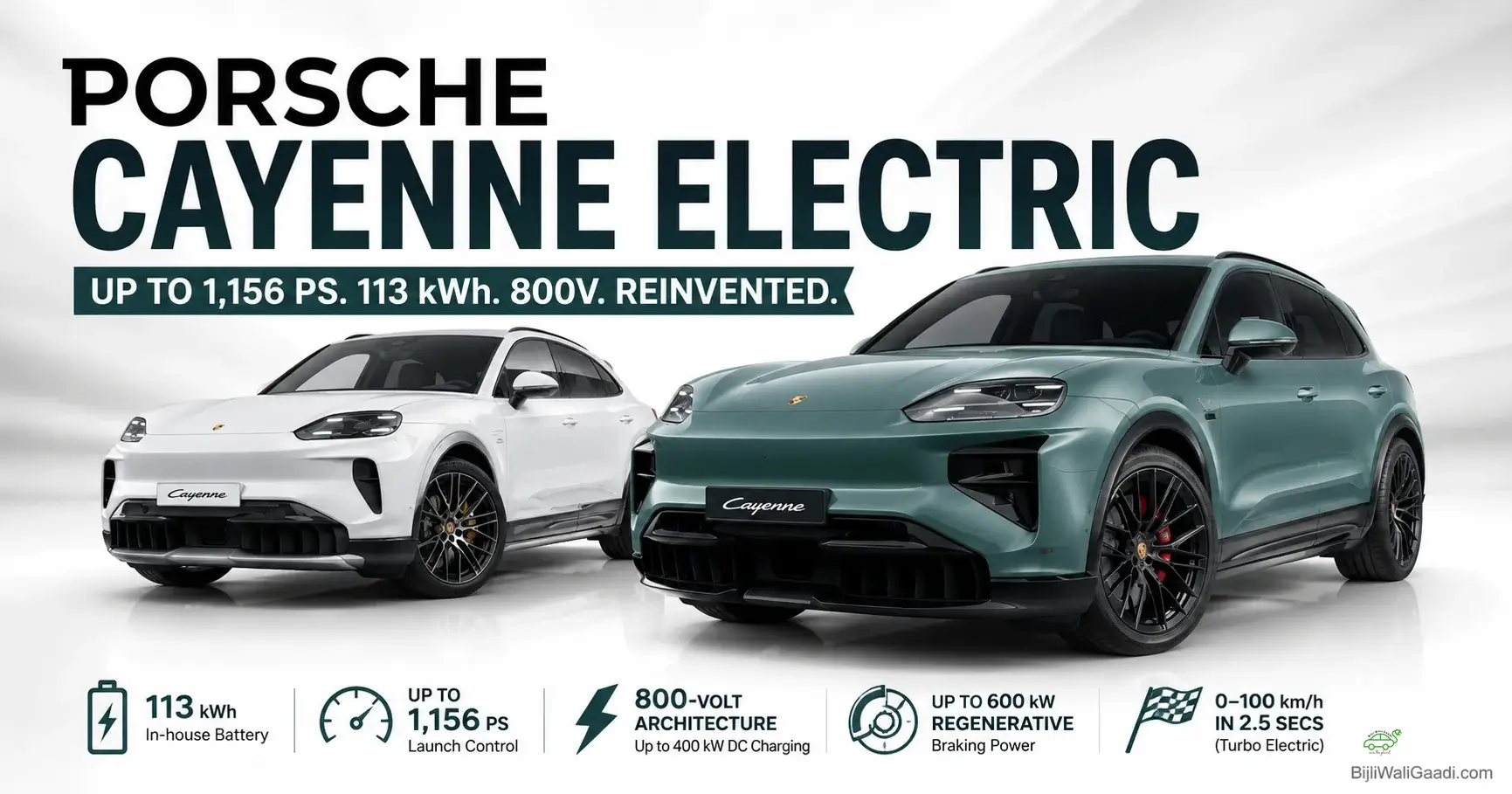
Porsche has spent two decades turning the Cayenne into the SUV that pays for the rest of the lineup. Now it has replaced the engine altogether. The Cayenne Electric family — Cayenne Electric, Cayenne S Electric and range-topping Cayenne Turbo Electric — pairs a 113 kWh, in-house-developed battery with 800-volt charging, up to 600 kW of regenerative braking, and, in the Turbo, a motorsport-derived rear motor Porsche calls its most powerful electric drive unit yet.
What Is the Porsche Cayenne Electric?
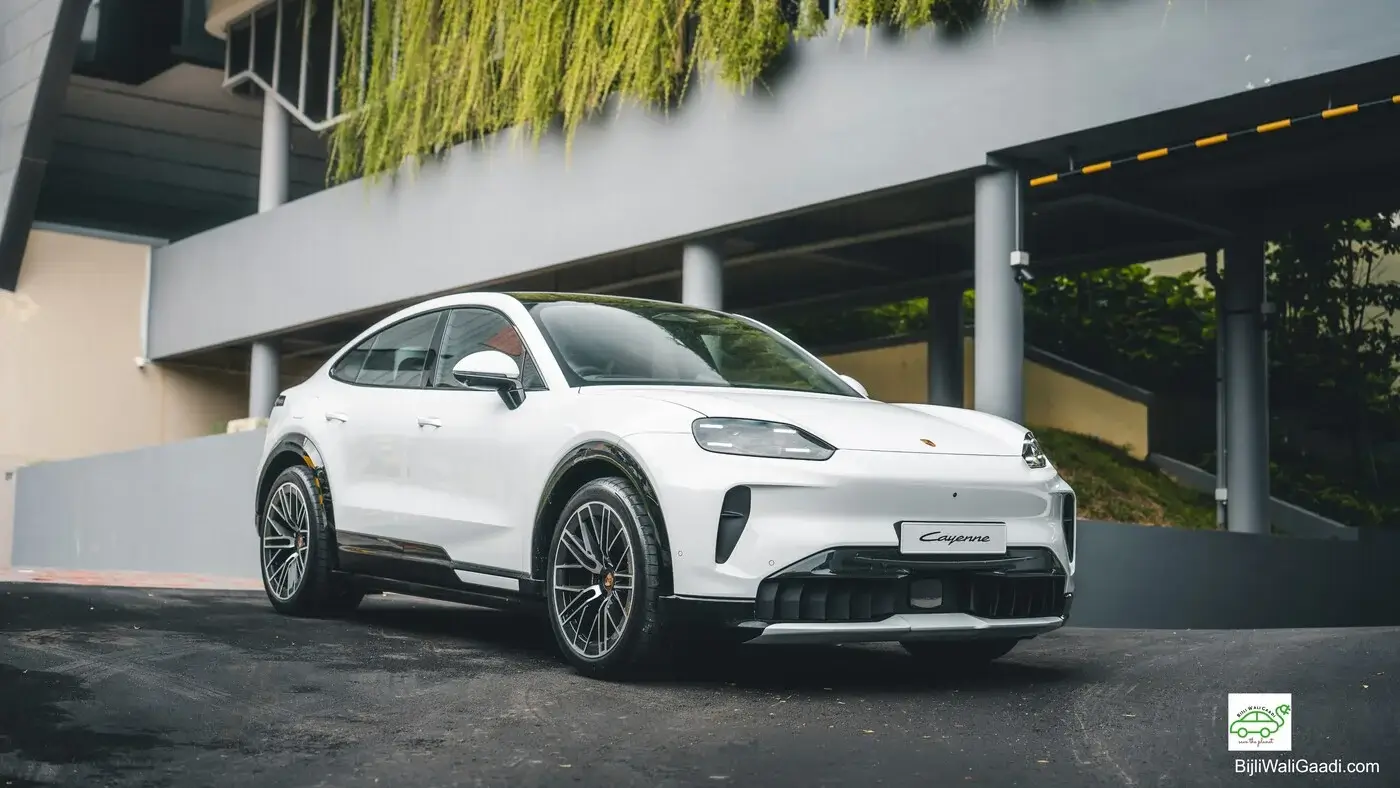
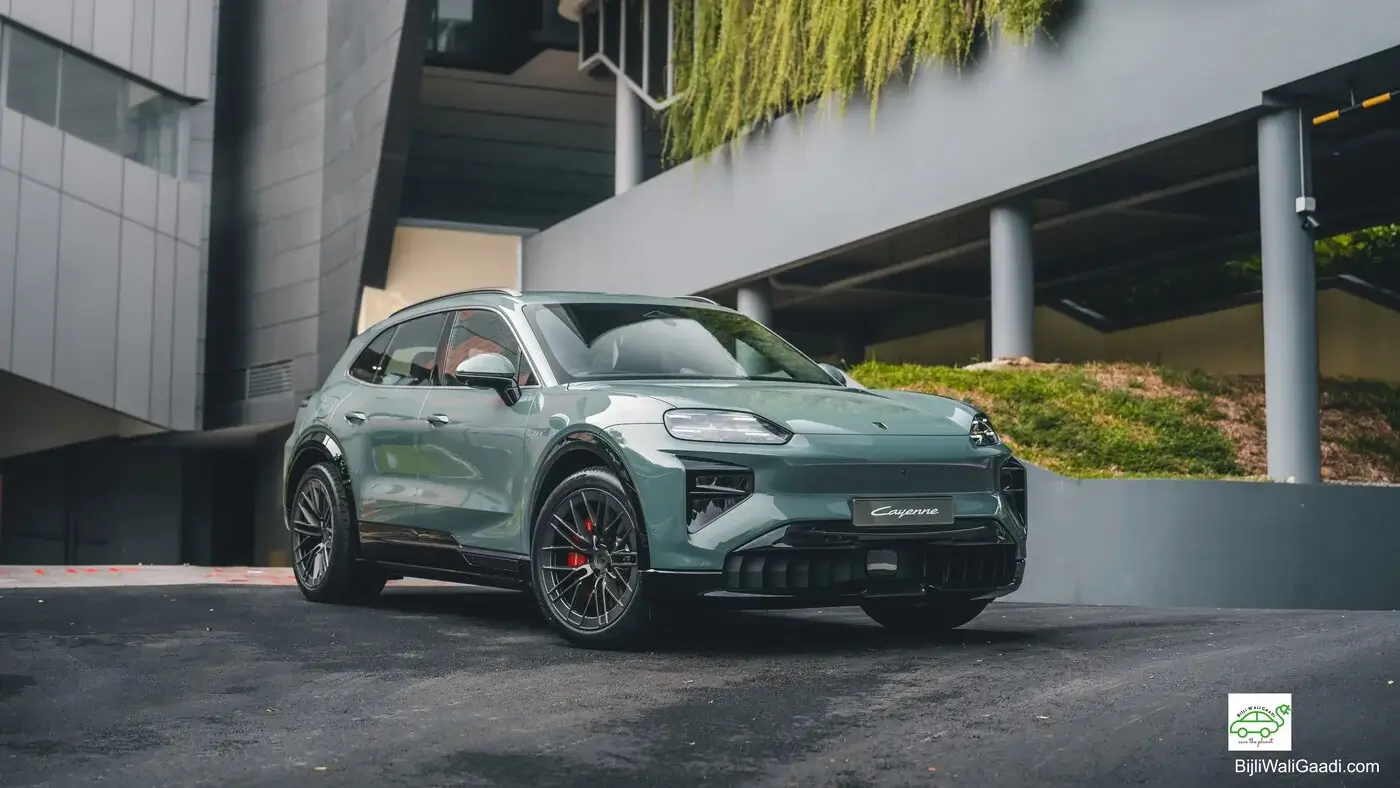
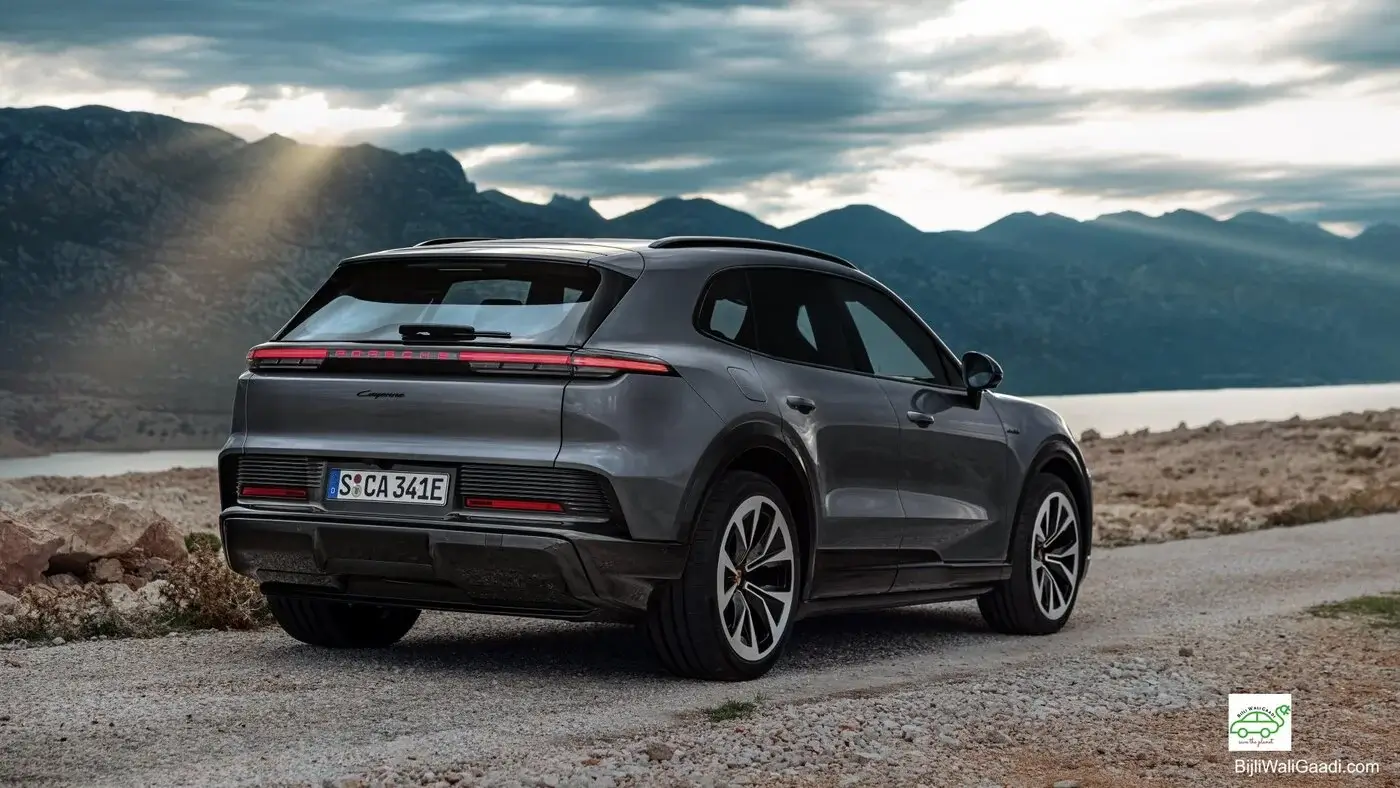
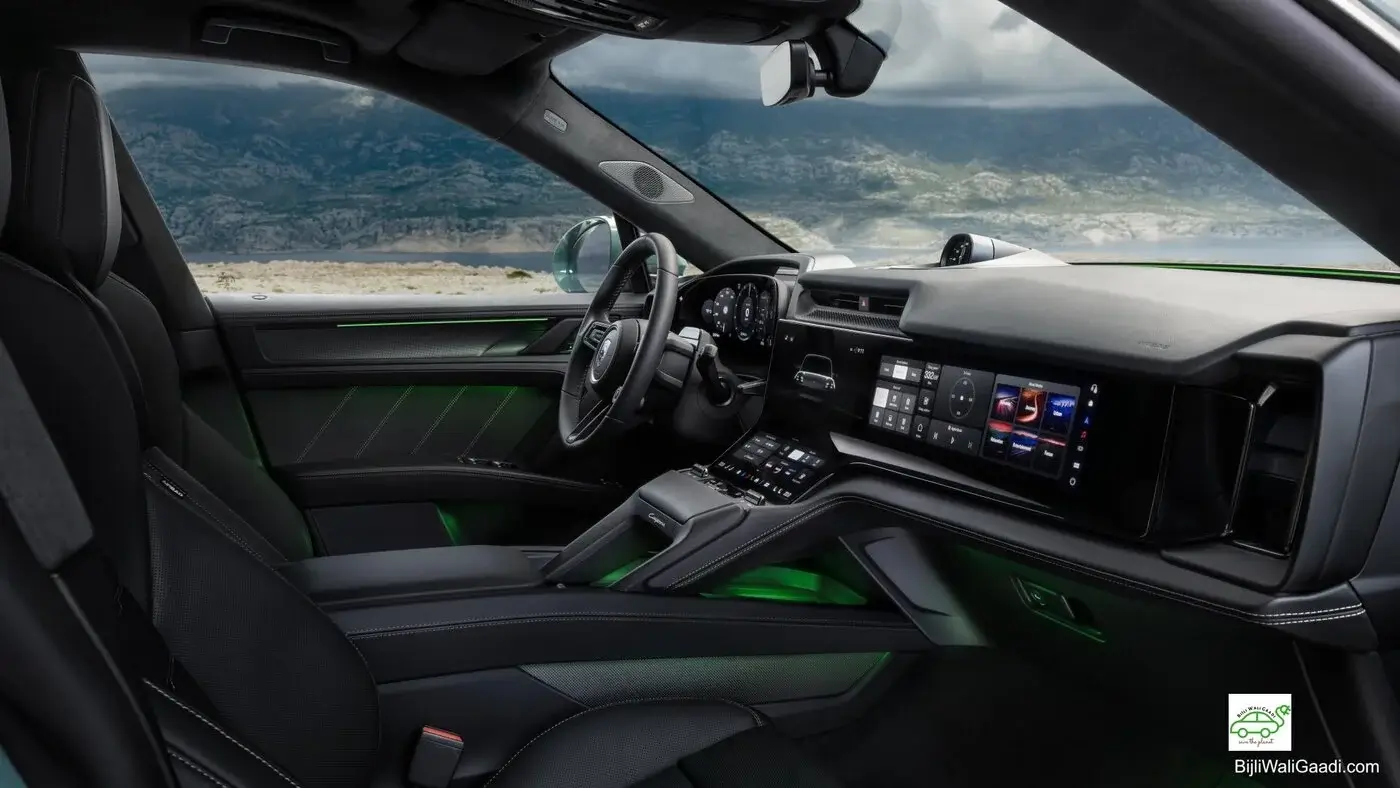
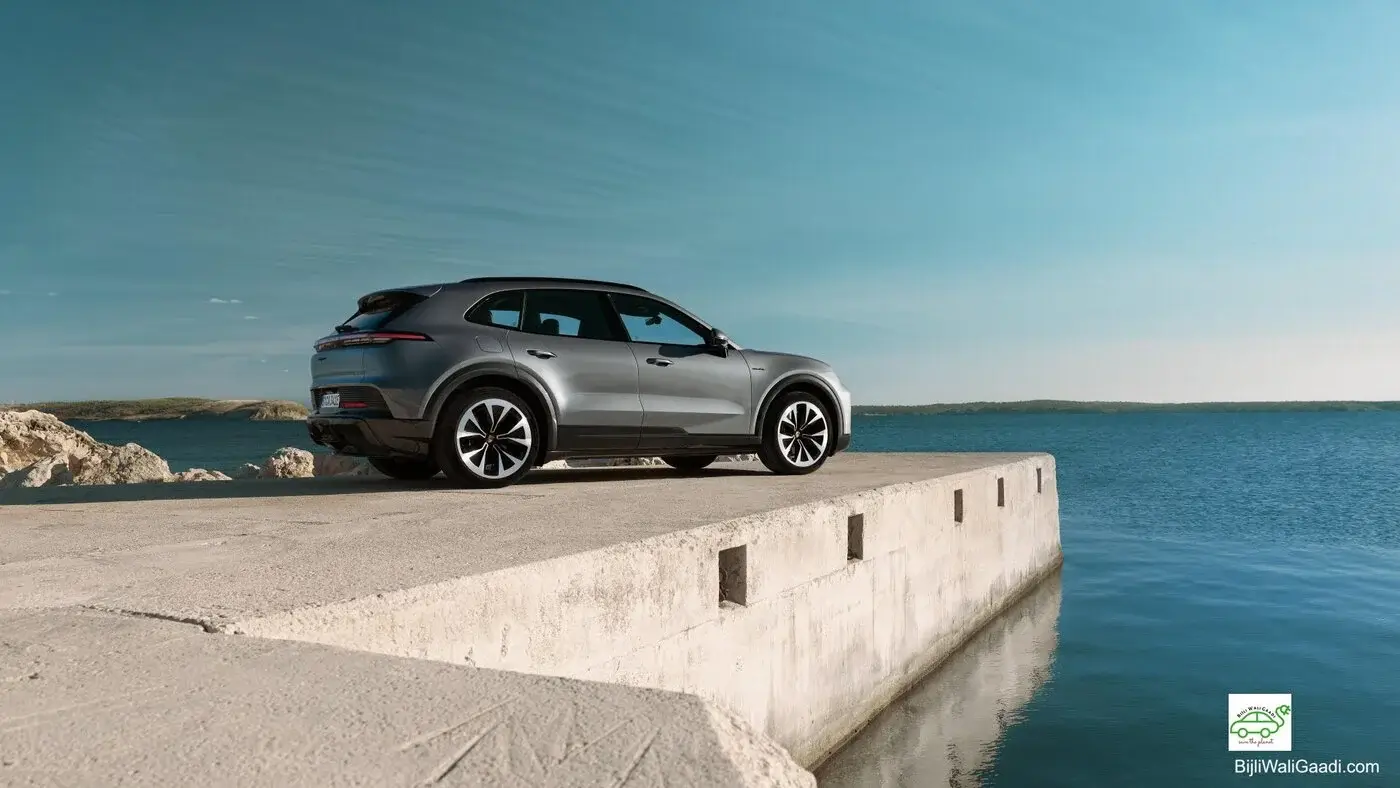
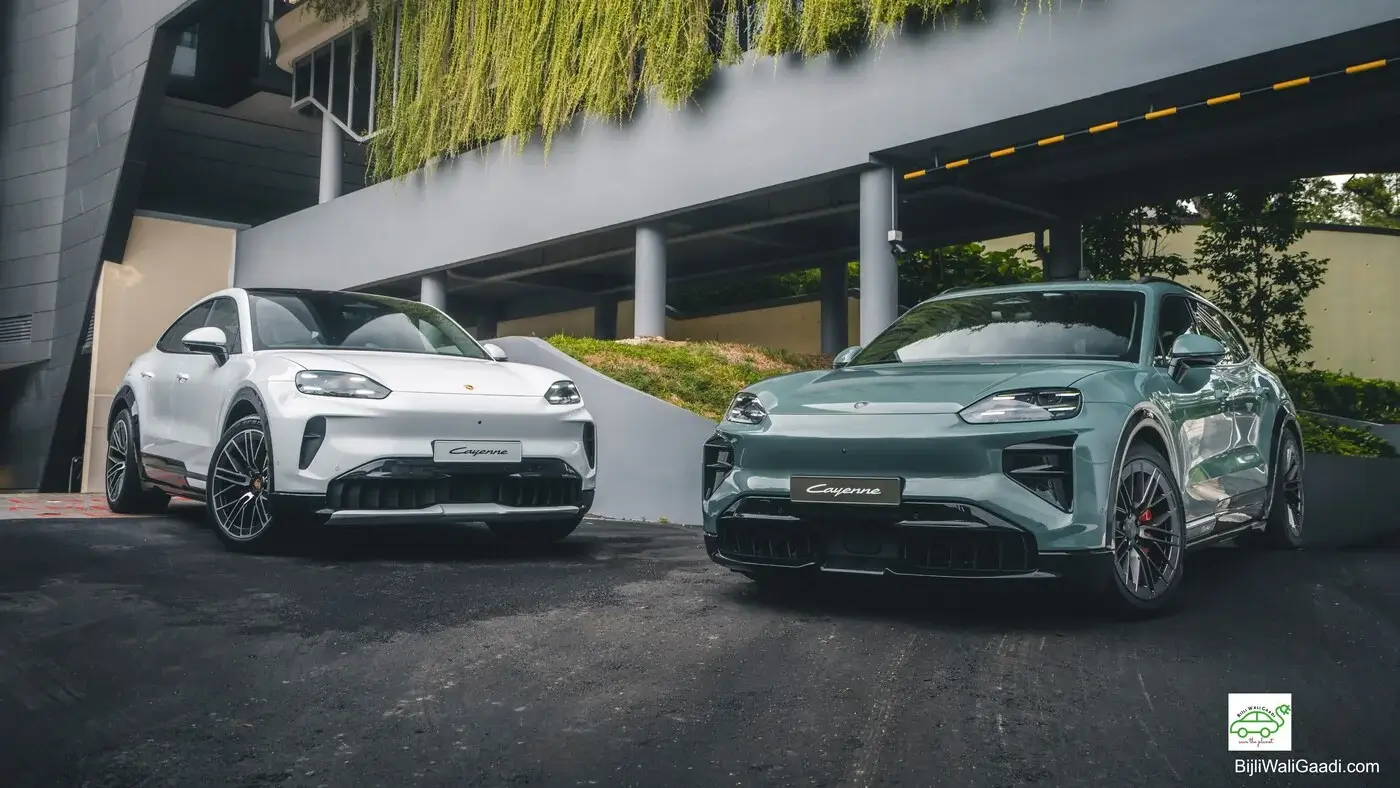
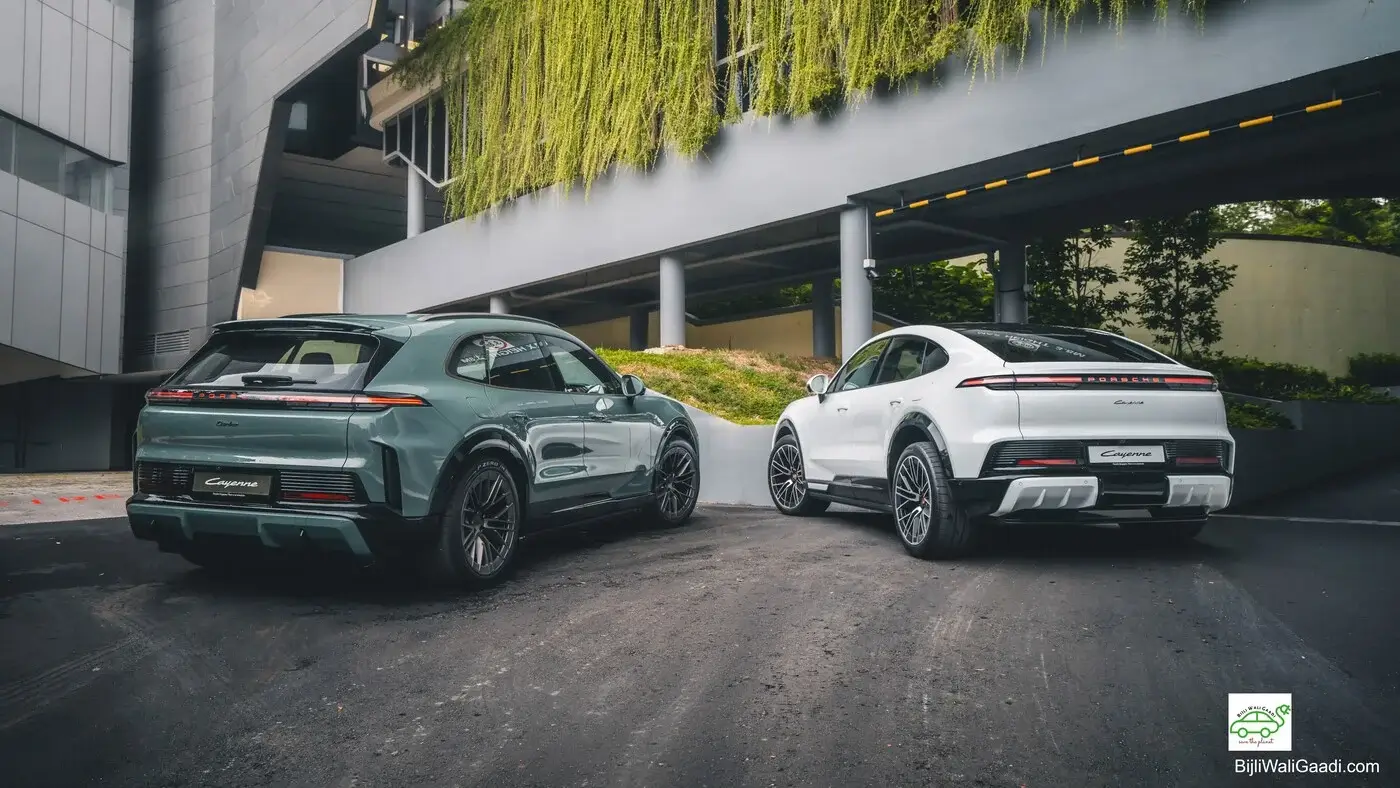
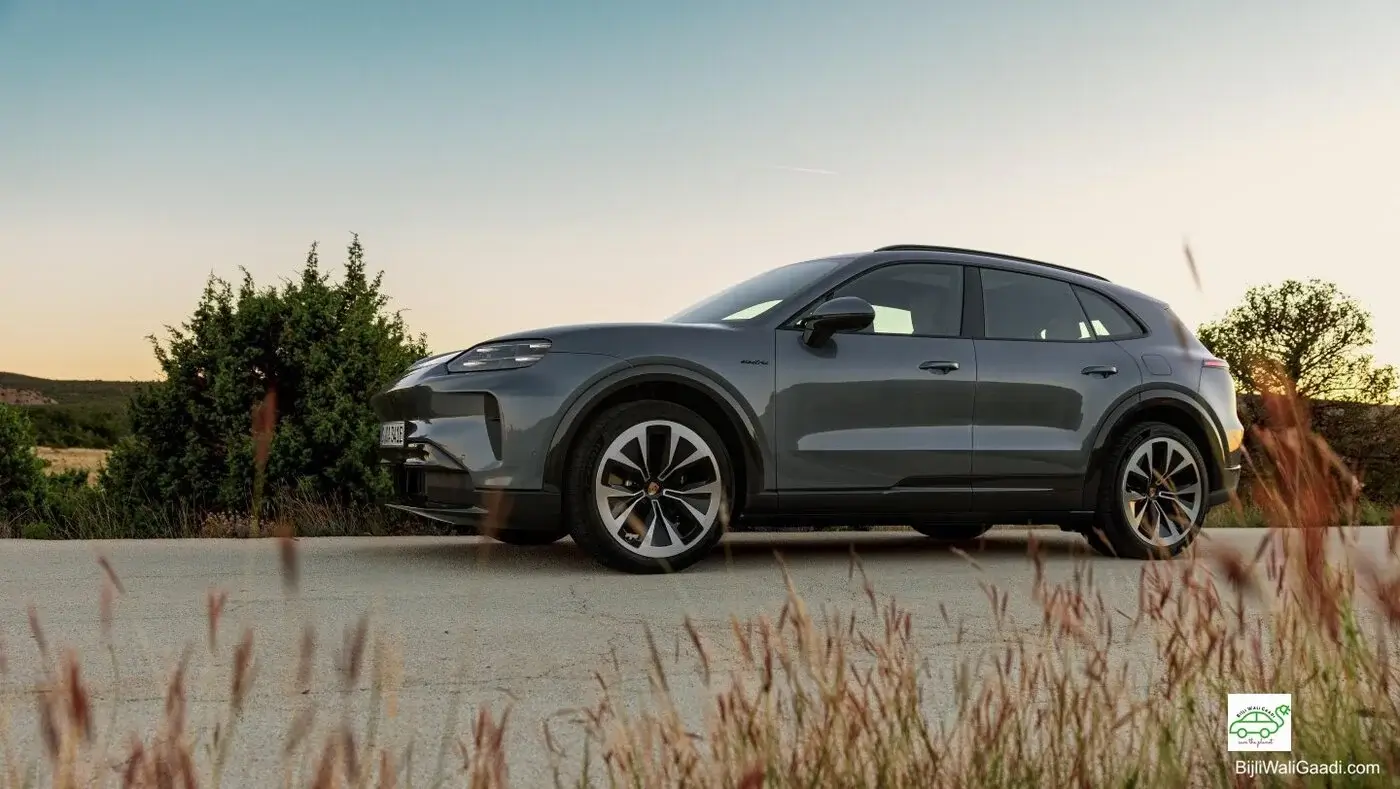
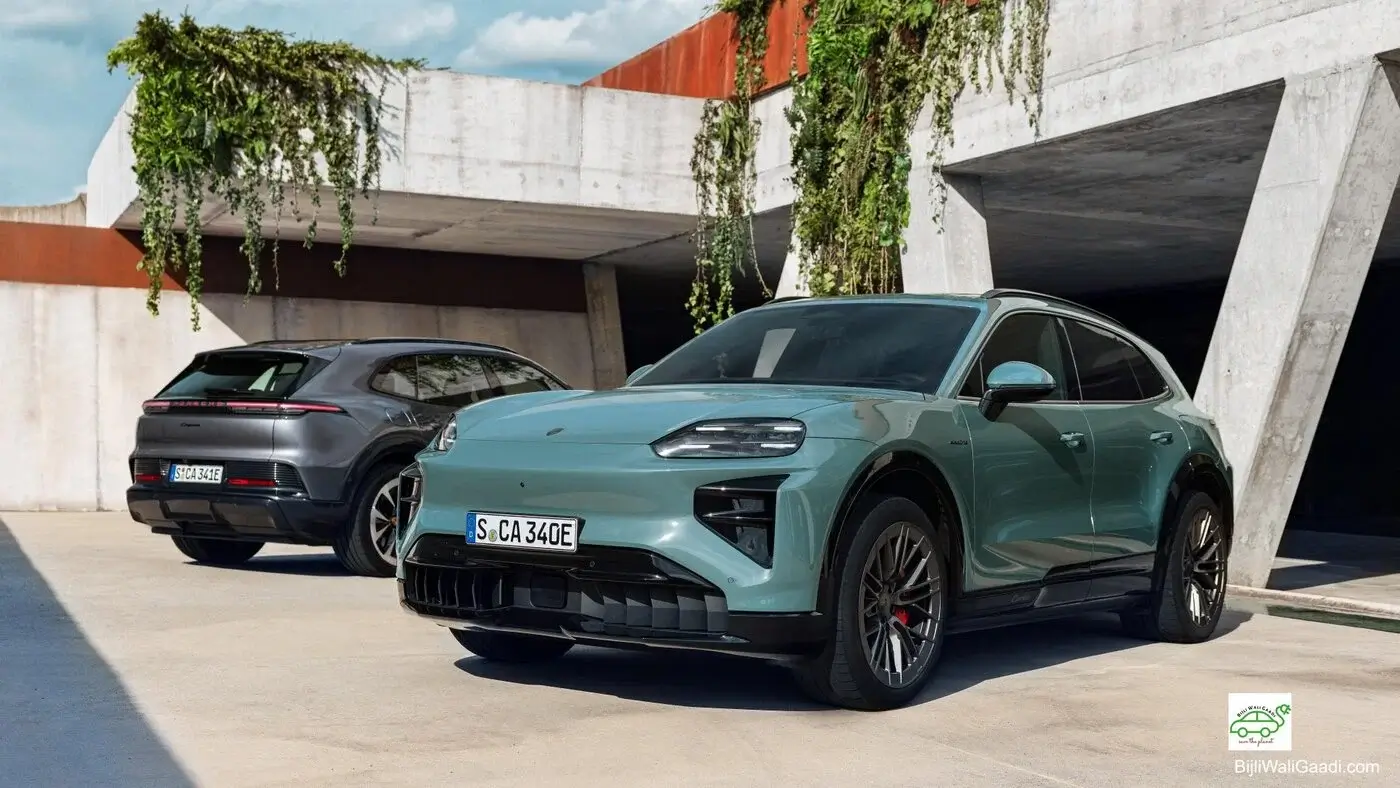
The Cayenne Electric sits alongside, not instead of, the combustion and plug-in hybrid Cayenne, part of a “trio of powertrains” Porsche plans to keep offering in parallel. Since its November 2025 launch, the family has grown from two variants to three — Cayenne Electric, Cayenne S Electric (added March 2026) and Cayenne Turbo Electric — plus Coupé styles from April 2026. Porsche’s India/Middle East page lists only the Cayenne Electric and Cayenne Turbo Electric, priced from roughly ₹1.77 crore, with range as “TBA” — treat the WLTP figures below as reference points only.
Porsche’s 113 kWh Battery Is Built Around Performance and Thermal Control
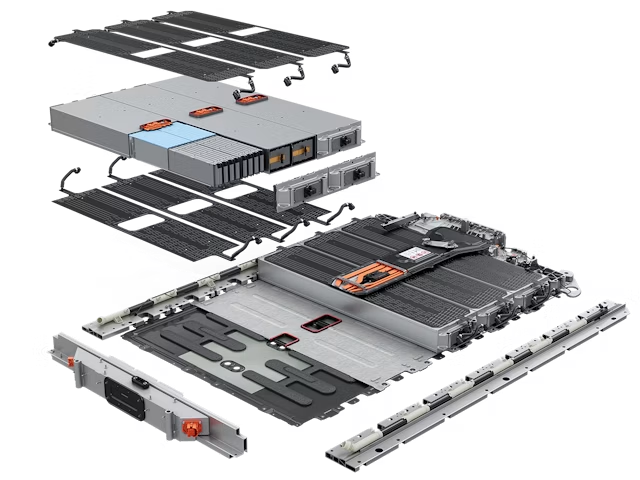
Every Cayenne Electric variant uses the same function-integrated, 113 kWh gross battery, with modules and pack technology developed in-house at Porsche’s Smart Battery Shop in Slovakia — Porsche specifies the cell chemistry rather than manufacturing the cells itself. Six modules house 192 large-format pouch cells with a nickel-manganese-cobalt-aluminium (NMCA) cathode at 86 percent nickel for energy density, and a graphite-silicon anode boosting fast-charging capability.
The pack is structurally integrated into the body rather than sitting beneath the floor as an afterthought — improving the cell-to-housing ratio 12 percent over the second-generation Taycan battery, lowering the centre of gravity, and delivering a 7 percent energy-density gain over that pack. Double-sided cooling plates keep temperature uniform, feeding a Predictive Thermal Management system that reads route data to precondition the battery for hard driving or fast charging — sustaining performance over time, not eliminating long-term degradation.
The Twin-Motor Drive Unit Creates Rear-Biased All-Wheel Drive
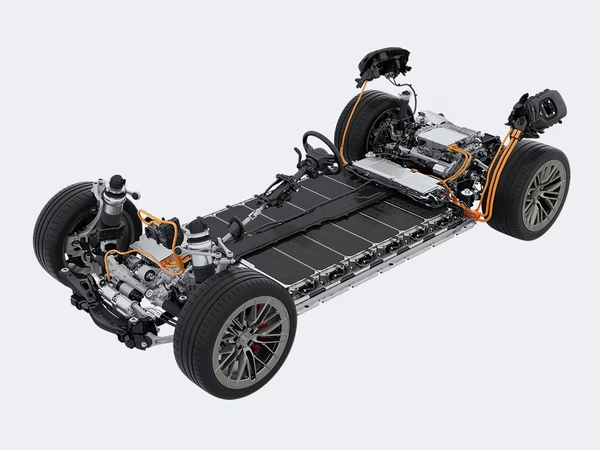
All three variants use two permanent-magnet synchronous motors, one per axle, each on a single-speed transmission and coordinated by Porsche’s electronic Traction Management (ePTM). The front motor, on a 350-amp inverter, disengages under partial load to cut drag; the rear motor, on a 480-amp inverter in the base car, carries the bulk of the work, giving it a rear-biased character. Outputs are tiered by variant and mode:
- Cayenne Electric: 300 kW (408 PS) normally, 325 kW (442 PS) with 835 Nm on Launch Control; 4.8s, 230 km/h
- Cayenne S Electric: 400 kW (544 PS), rising to 490 kW (666 PS) with 1,080 Nm on Launch Control; 3.8s, 250 km/h
- Cayenne Turbo Electric: 630 kW (857 PS) normally, up to 850 kW (1,156 PS) with 1,500 Nm on Launch Control — 1,156 PS applies specifically to that overboost mode; 2.5s, 7.4s to 200 km/h, 260 km/h flat out, Porsche’s most powerful production car to date
The Turbo can also call on an extra 130 kW (176 PS) for 10 seconds via Push-to-Pass, a short burst, not continuous output.
Direct Oil Cooling Enables Up to 98% Efficiency on the Turbo’s Rear Motor
The S and Turbo Electric use a newly developed rear-axle motor with direct oil cooling, transferred from Porsche’s Formula E cars. Instead of an external cooling jacket, a low-viscosity synthetic fluid flows directly along the copper windings, pulling heat out at the source — enabling efficiency of up to 98 percent, shrinking the motor, and sustaining high continuous output. That’s the difference between a car that’s quick off the line and one that stays quick lap after lap. The Turbo’s rear unit runs a 940-amp SiC inverter; the S Electric uses a 620-amp SiC inverter, same cooling principle.
Porsche’s 800-Volt Architecture Enables Ultra-Fast Charging
All Cayenne Electric models share an 800-volt architecture capable of up to 390 kW DC charging under optimal conditions, and up to 400 kW under specific conditions. A 10–80 percent SoC top-up takes less than 16 minutes under defined optimal conditions — a suitable high-power charger and a battery temperature of about 15°C — not as a universal guarantee. Under those conditions, the Cayenne Electric adds up to 325 km of range in 10 minutes, the Turbo Electric up to 315 km, Porsche-stated figures rather than assured real-world outcomes. A built-in high-voltage switch also allows efficient 400-volt charging up to 200 kW without a separate booster.
Wireless Charging Brings an 11 kW Cable-Free Option
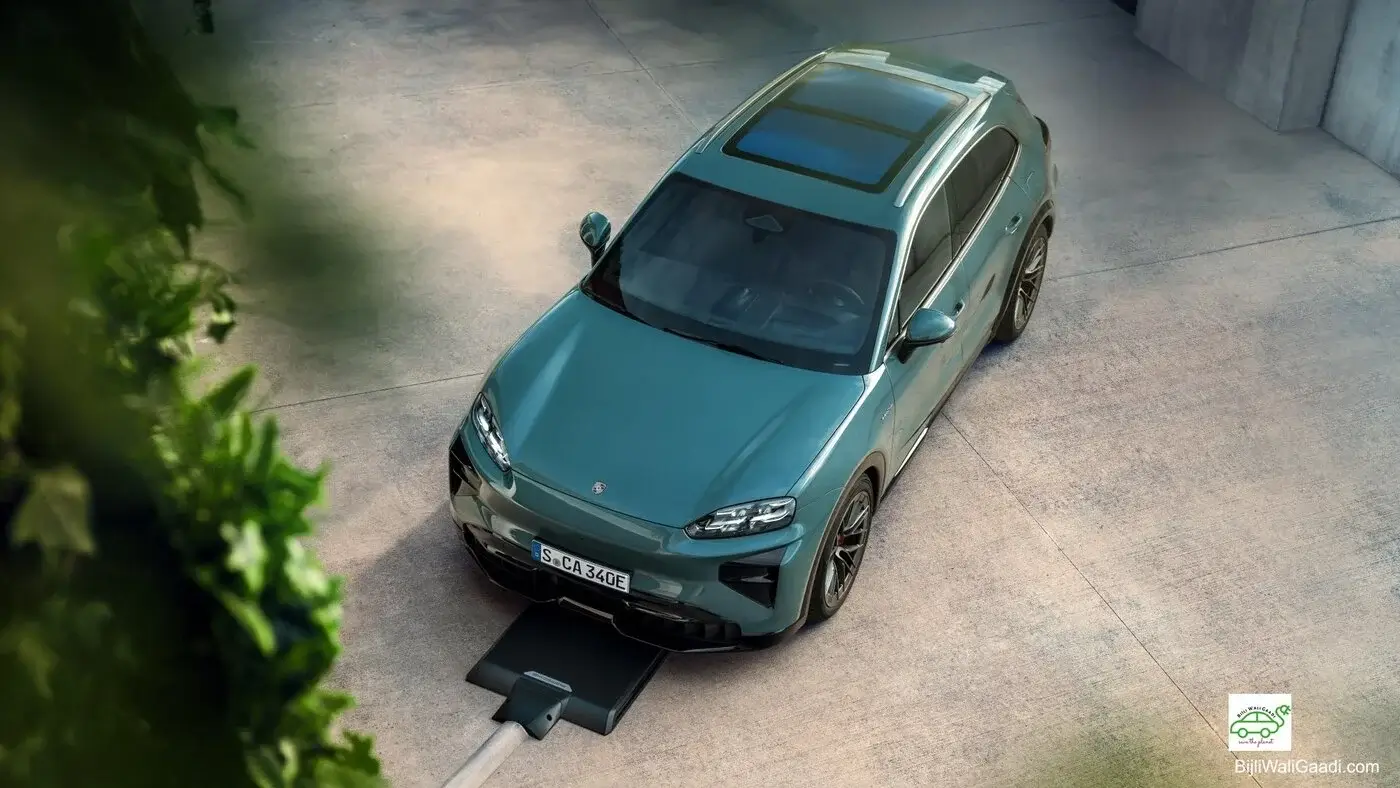
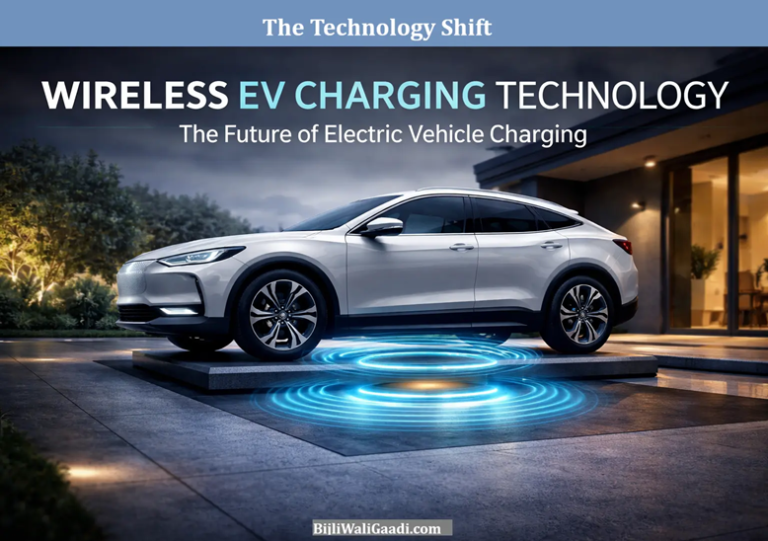
The Cayenne Electric is the first Porsche offered with optional Porsche Wireless Charging, an 11 kW inductive setup built around a compact floor plate. Park over it and the car detects and lowers slightly, charging automatically across a few centimetres at over 90 percent efficiency, with scheduling via the My Porsche app — an option, not standard equipment.
Up to 600 kW of Recuperation Turns Braking Into Energy
Regenerative braking leans hardest on the Formula E connection: the Cayenne Electric can recover up to 600 kW through its motors, a figure Porsche pegs against its 99X Electric race car’s pit-boost rate. Roughly 97 percent of everyday braking is handled by the motors alone, with friction brakes — Porsche Ceramic Composite Brakes optional on S and Turbo — stepping in only under harder deceleration. The 600 kW figure is a peak, not a constant, depending on speed, temperature and state of charge.
Chassis Technology and Aerodynamics Share the Same Goal
Adaptive air suspension with Porsche Active Suspension Management is standard, with optional rear-axle steering (up to five degrees) for tighter low-speed manoeuvring and added high-speed stability. The Turbo Electric adds Porsche Torque Vectoring Plus as standard and introduces Porsche Active Ride — the fully active suspension borrowed from Porsche’s sports sedans — to Cayenne for the first time; PTV Plus and Active Ride are also options on the S Electric, not across the range. A 0.25 drag coefficient is helped by Porsche Active Aerodynamics: cooling-air flaps, an adaptive roof spoiler, active aeroblades on the Turbo, air curtains and a near-fully enclosed underbody, cutting drag while feeding the cooling circuits.
Range, Towing and Everyday Practicality
Under WLTP testing, combined range spans 576–643 km (Cayenne Electric), 588–653 km (S Electric) and 564–624 km (Turbo Electric) depending on configuration — the maximum isn’t achieved by every specification, and none of this reads across to India’s still-unconfirmed ECE number. The SUV is 4,985 mm long on a 3,023 mm wheelbase, with 781–1,588 litres of rear luggage space plus a 90-litre front trunk, and towing up to 3.5 tonnes depending on equipment. Porsche’s high-voltage battery warranty runs eight years or 160,000 km, guaranteeing at least 80 percent of original net capacity for the first three years or 60,000 km, and at least 70 percent thereafter.
Why the Cayenne Electric Matters

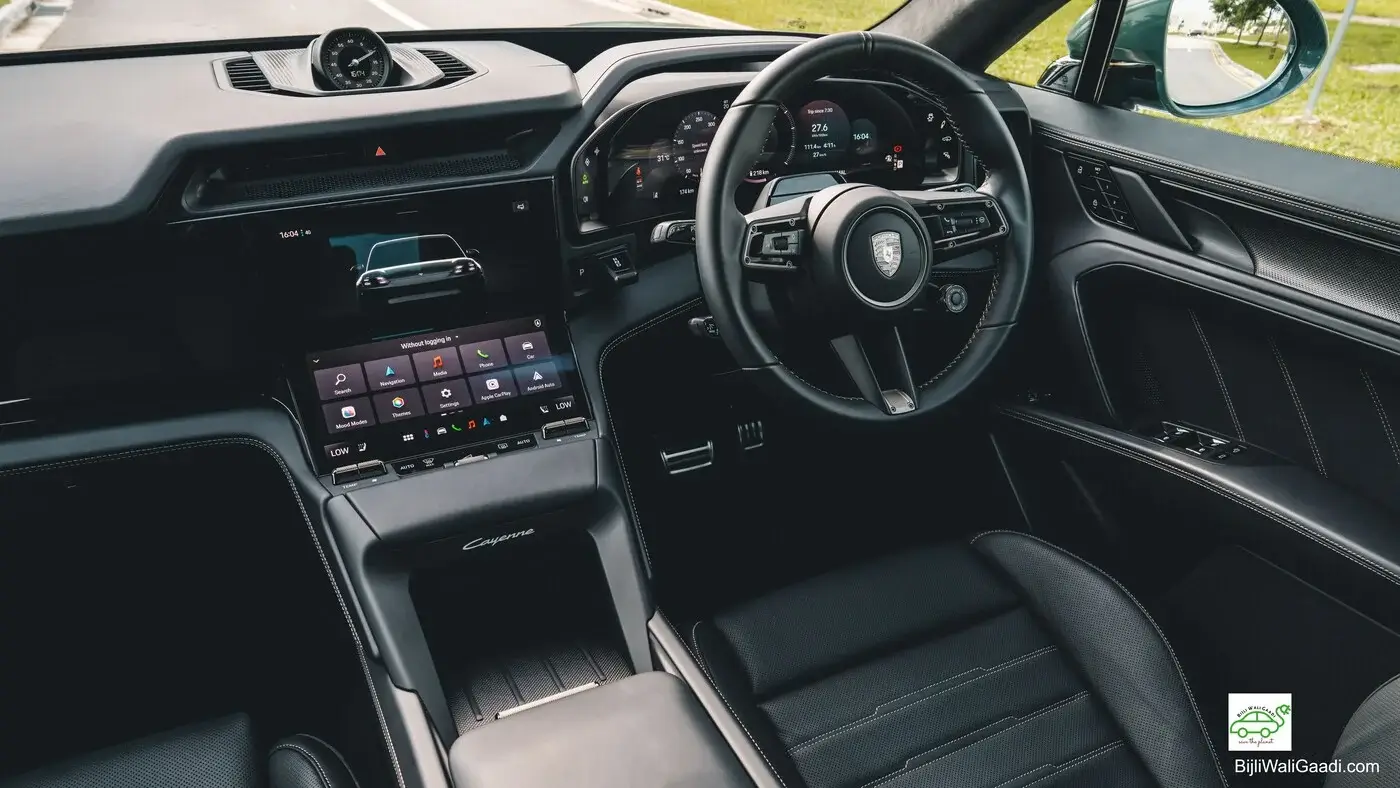
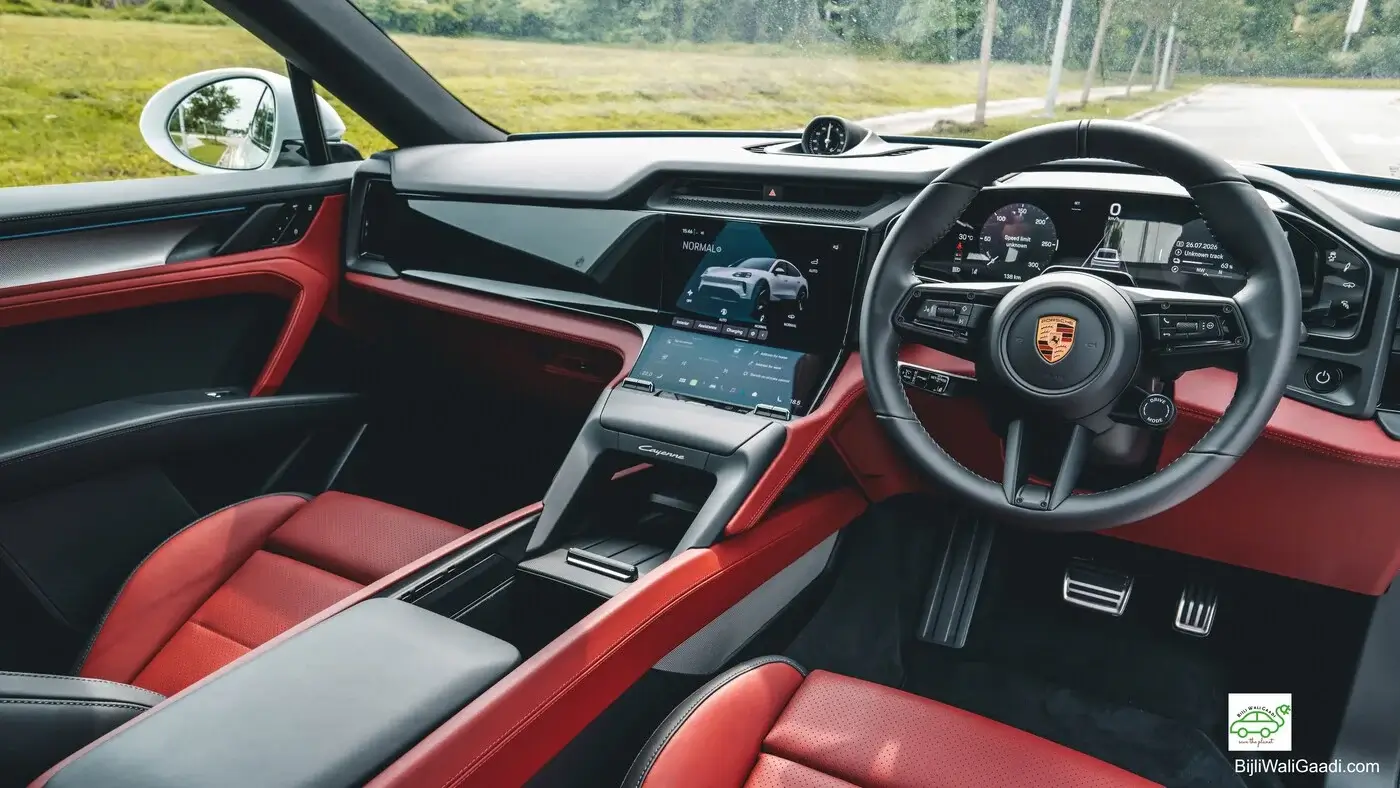
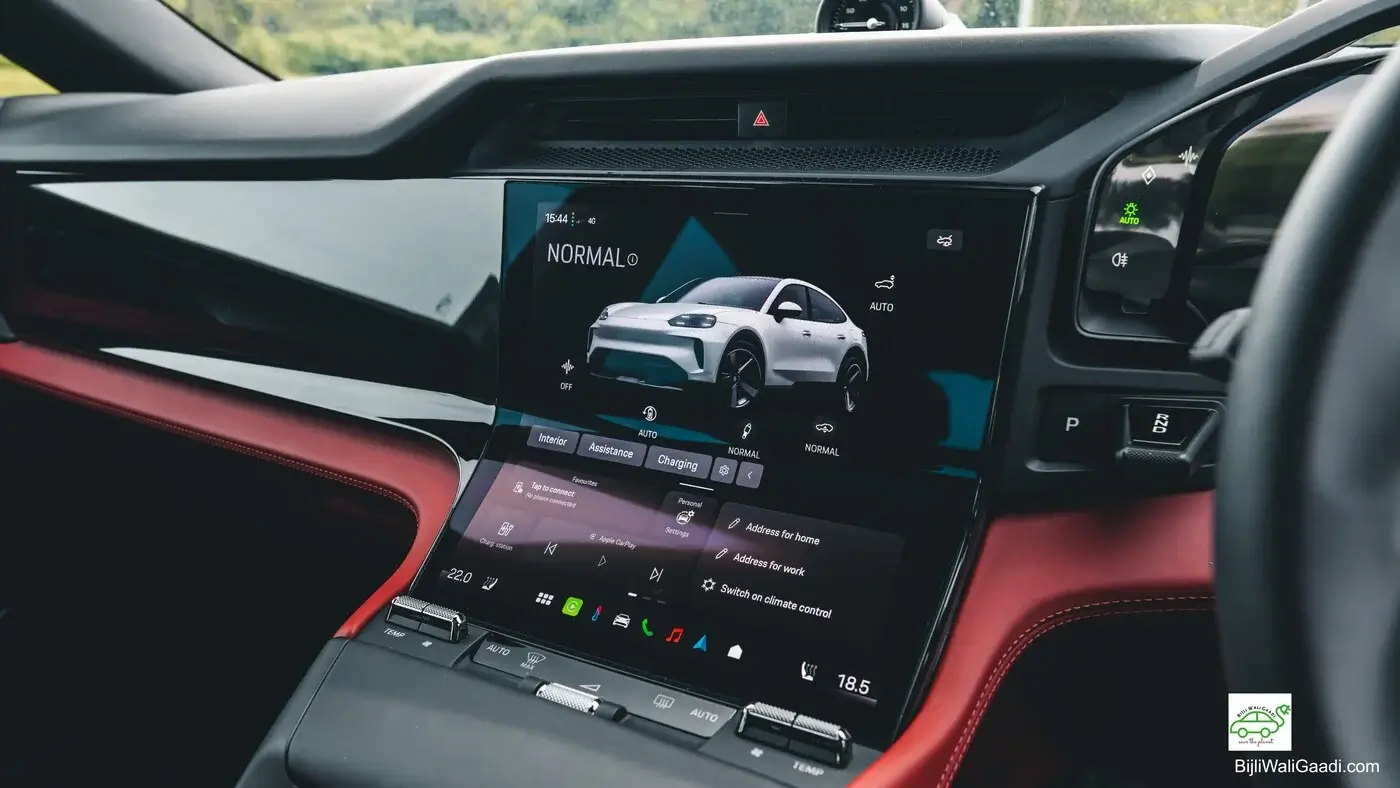
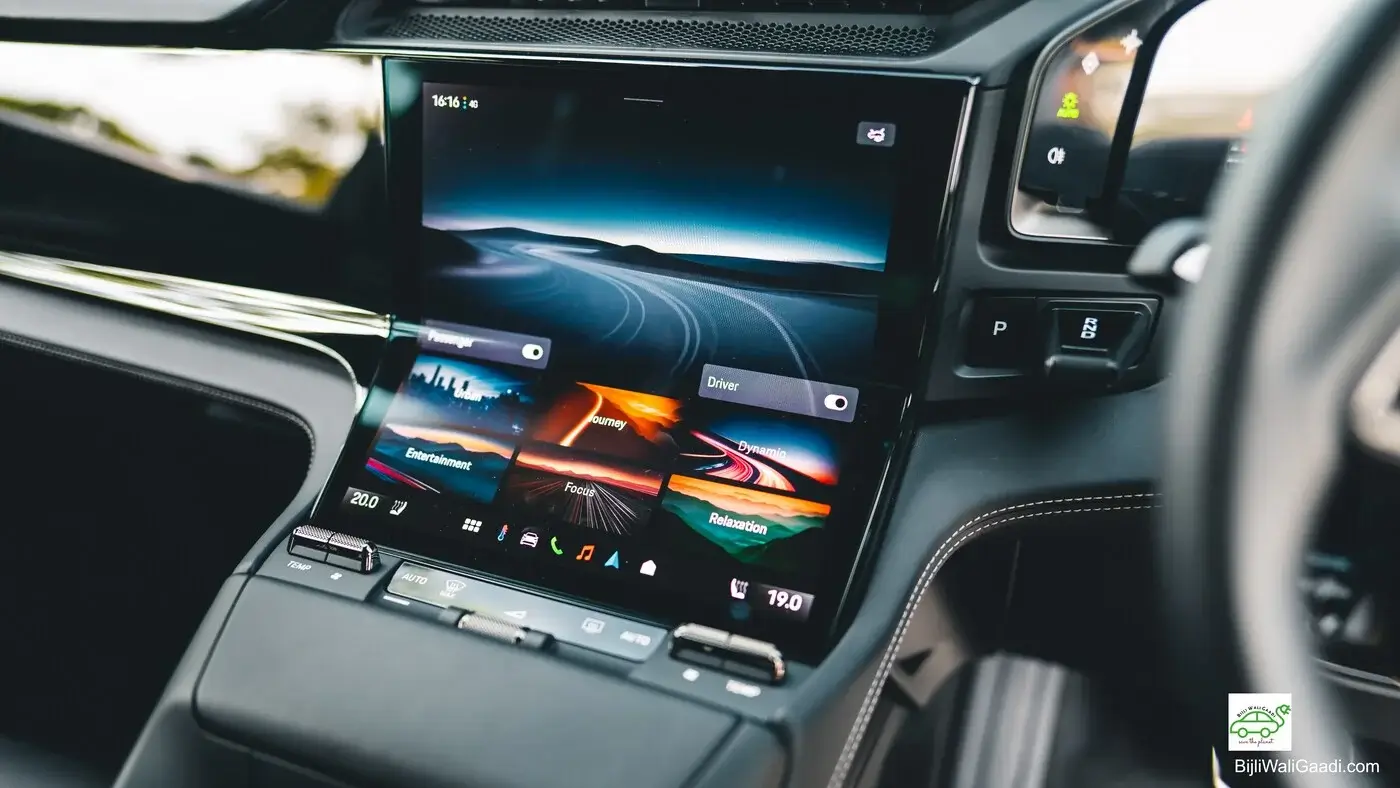
The real question isn’t whether the Cayenne Electric is fast — 1,156 PS in Launch Control settles that. It’s whether Porsche can carry its performance philosophy into a heavy SUV without the usual EV compromises: charging anxiety, thermal derating, numb handling. A structurally integrated battery, a Formula E-derived rear motor, 600 kW recuperation and an 800-volt system built to hold its charging curve under defined conditions suggest engineers solving that problem from first principles — even if, in India, the range verdict is still pending.
Key Takeaway
The Cayenne Electric family pairs a 113 kWh in-house battery with double-sided cooling and a Formula E-derived, direct-oil-cooled rear motor reaching up to 98 percent efficiency, delivering up to 1,156 PS in Launch Control, 600 kW of peak recuperation and 800-volt charging at up to 400 kW under specified conditions — Porsche’s most complete attempt yet to prove sports-car engineering translates to a full-size electric SUV, with India’s real-world range still unconfirmed.
Stay connected via Google 'Electric Vehicle' News
Follow BijliWaliGaadi | India's Trusted EV Insights Portal
source on Google