Chery Stockman Diesel Hybrid Ute: Threat to Ford Ranger and BYD Shark 6?
Stay connected via Google 'Electric Vehicle' News
Follow BijliWaliGaadi | India's Trusted EV Insights Portal
source on Google
Introduction
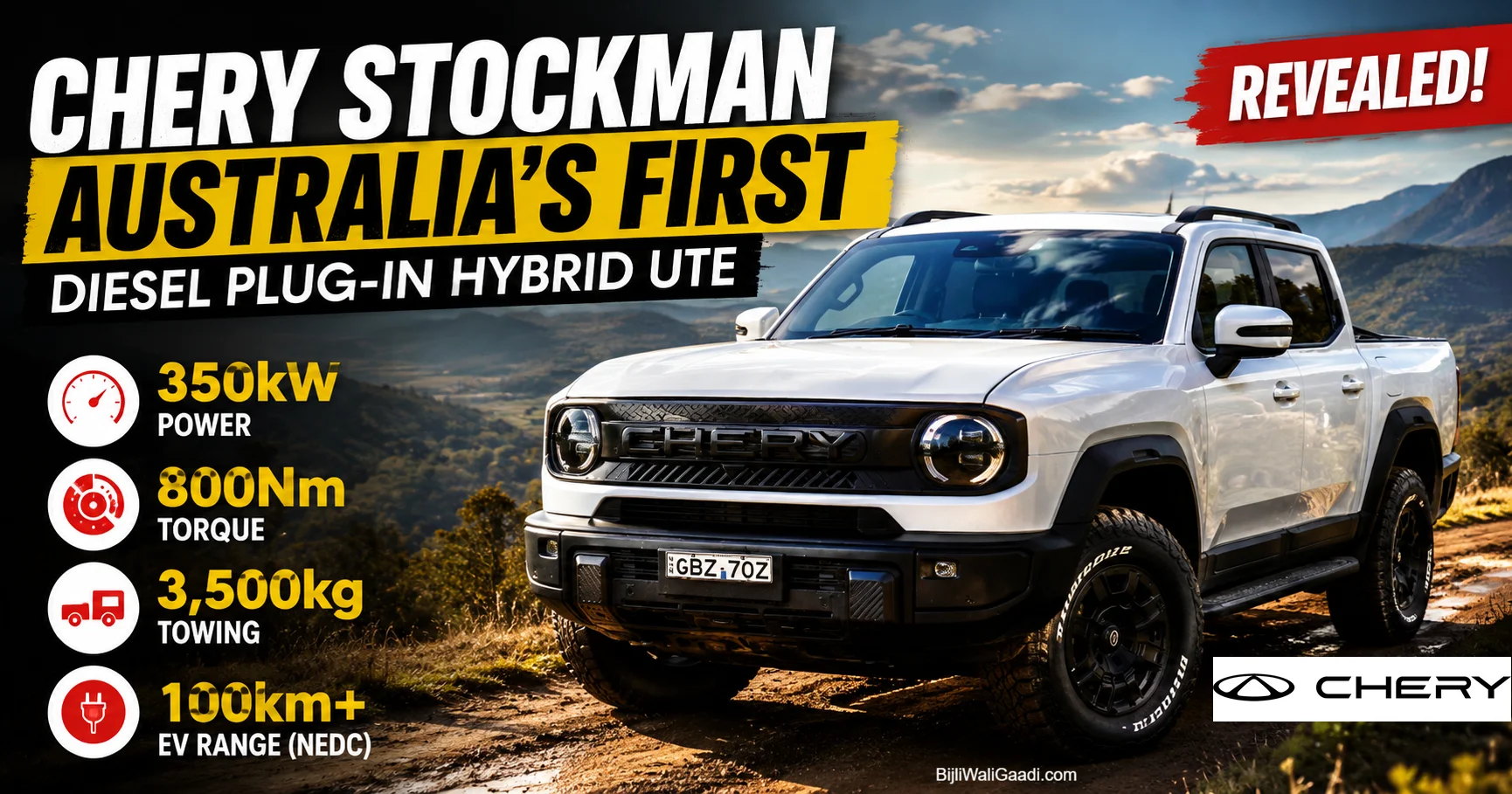
Australians don’t give up their utes easily. Long distances, heavy trailers and thin regional charging have kept dual-cab utes almost entirely diesel. The Stockman answers that directly: diesel for range and towing, an electric motor and battery for efficiency. Chery calls it Australia’s first diesel plug-in hybrid ute — and the specs suggest it’s more than a marketing label.
What Is the Chery Stockman?
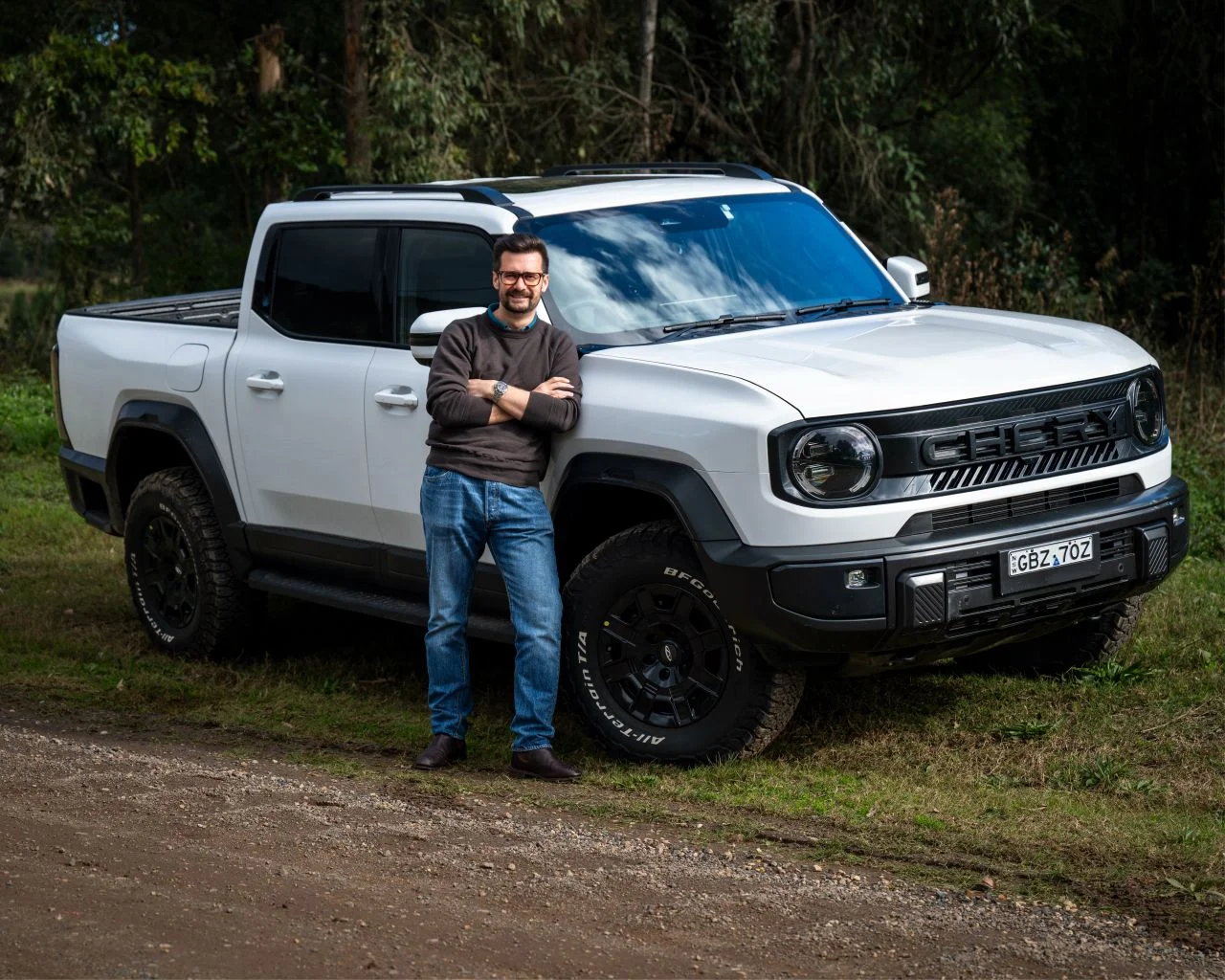
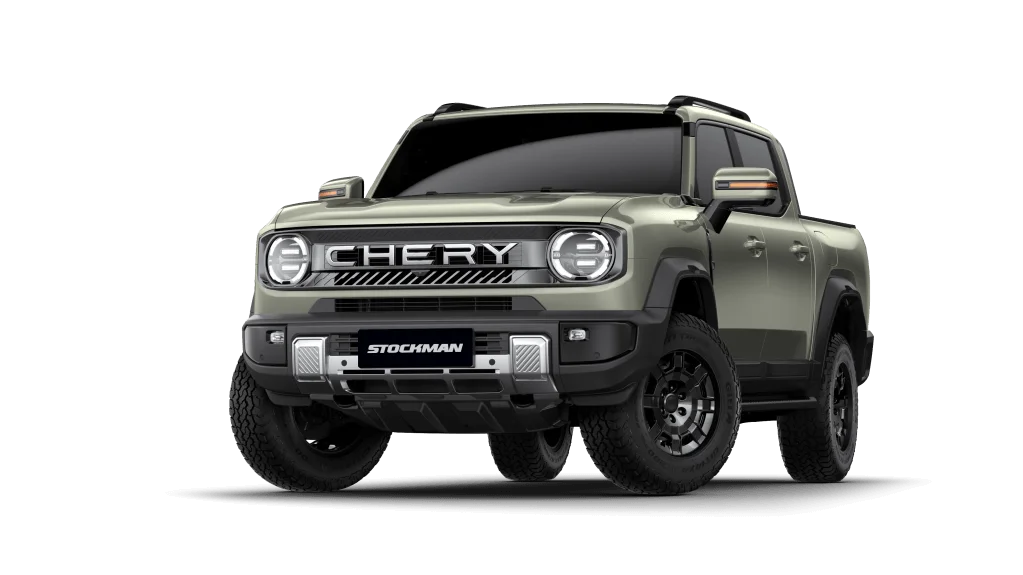
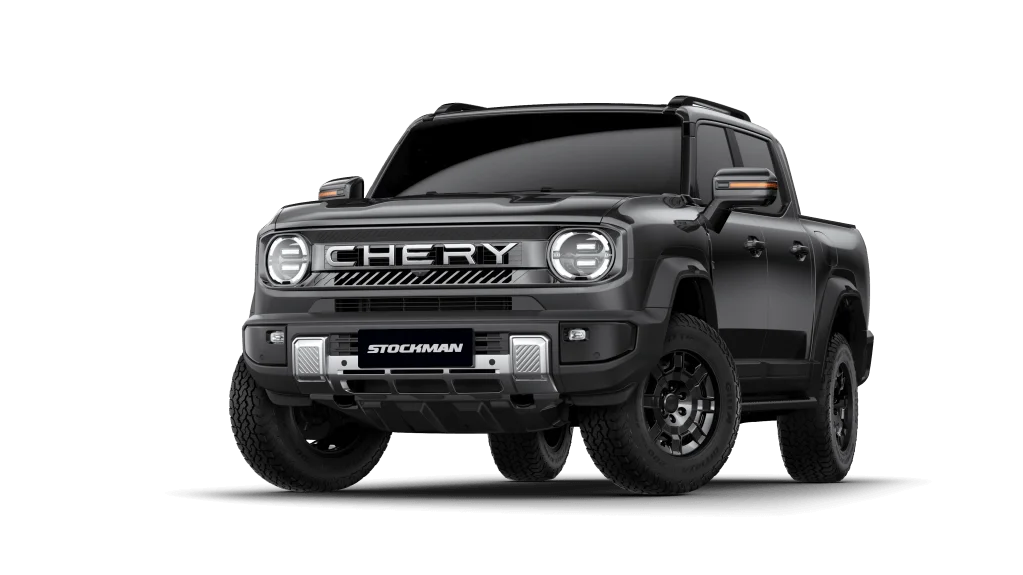
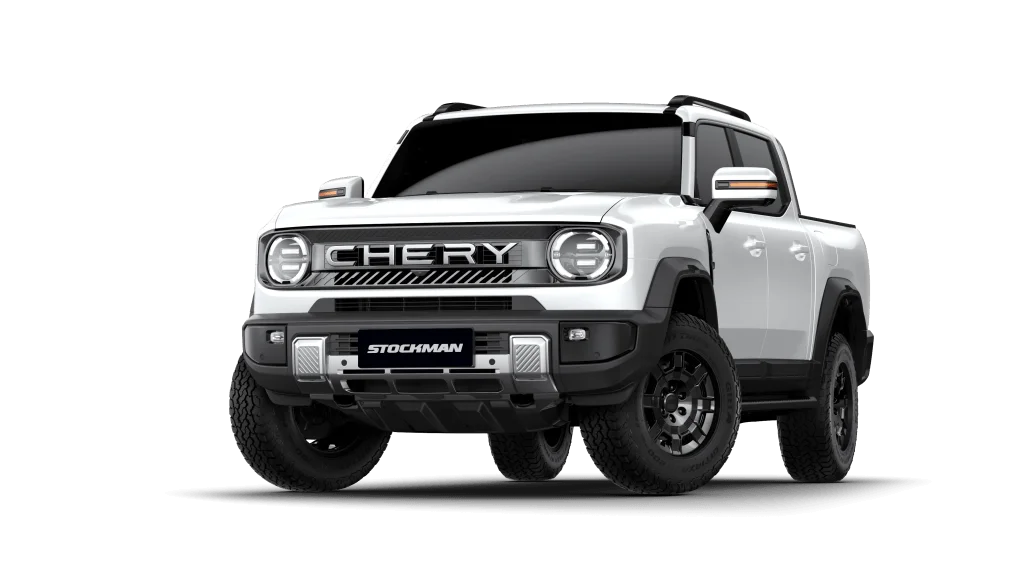
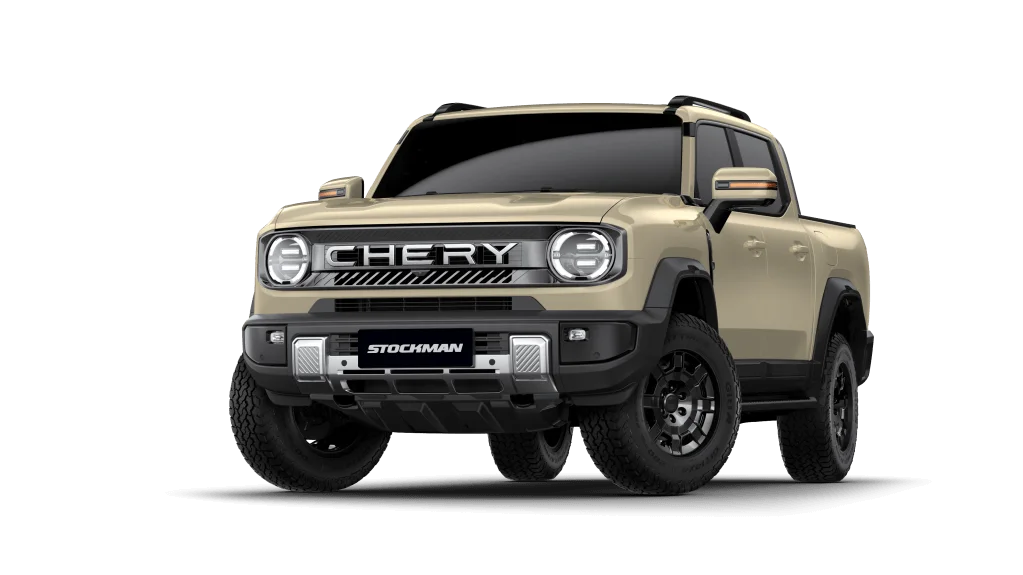
The Chery Stockman is a dual-cab, 4WD ute built around a diesel plug-in hybrid (PHEV) powertrain, combining a 2.5-litre turbo diesel with a battery and electric motor for a combined 350kW and 800Nm. Chery positions it against Australia’s established diesel utes, targeting fleets, tradespeople, farmers and private owners wanting lower running costs without losing towing or range.
Why Is Australia’s First Diesel Plug-in Hybrid Ute Important?
It removes the usual trade-off between electrification and towing range. Fleets covering high annual mileage benefit from Chery’s quoted 2L/100km combined fuel consumption. Long-distance drivers keep diesel’s range security, while the electric motor covers short trips — over 100km on electric power alone (NEDC) — where diesel is least efficient. Braked towing stays a segment-competitive 3,500kg.
Key Specifications at a Glance
| Feature | Official Figure |
| Powertrain | 2.5T diesel + electric motor (PHEV) |
| Combined output | 350kW / 800Nm |
| Electric-only range | Over 100km (NEDC) |
| Combined fuel consumption | 2L/100km |
| Braked / unbraked towing | 3,500kg / 750kg |
| Drive type | 4WD |
| Ground clearance (full load) | ≥247mm |
| Body size (L×W×H) | 5,450 × 2,010 × 1,890mm |
| Battery warranty | 8 years, unlimited km |
| Australian launch | “Soon” |
Design and Exterior
The Stockman measures 5,450mm long on a 3,250mm wheelbase, with a 1,560 × 1,560 × 500mm cargo tub. Ground clearance is a minimum 247mm under full load, on all-terrain tyres as standard. Off-road hardware includes selectable front, centre and rear differential locks, crawl control, and tight-turn assist. Chery has not officially disclosed this information at the time of writing regarding approach/departure angles, wading depth, or kerb weight.
Interior and Technology
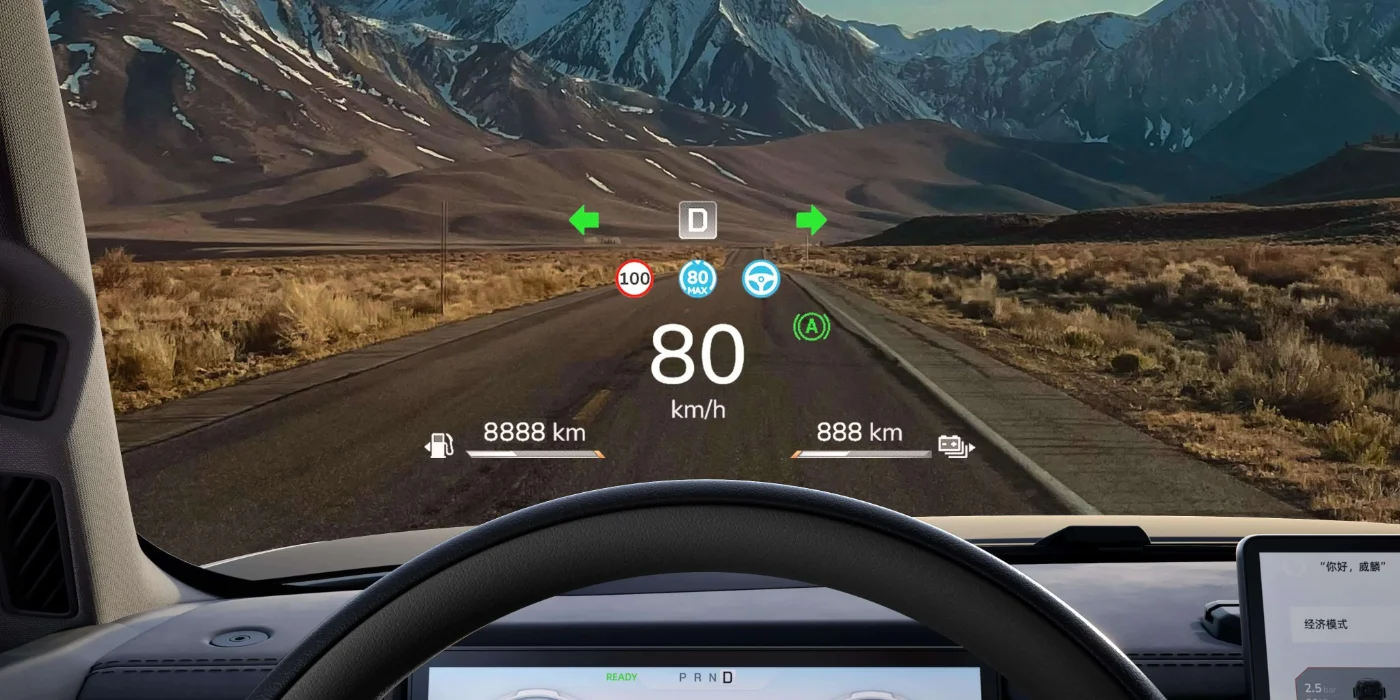
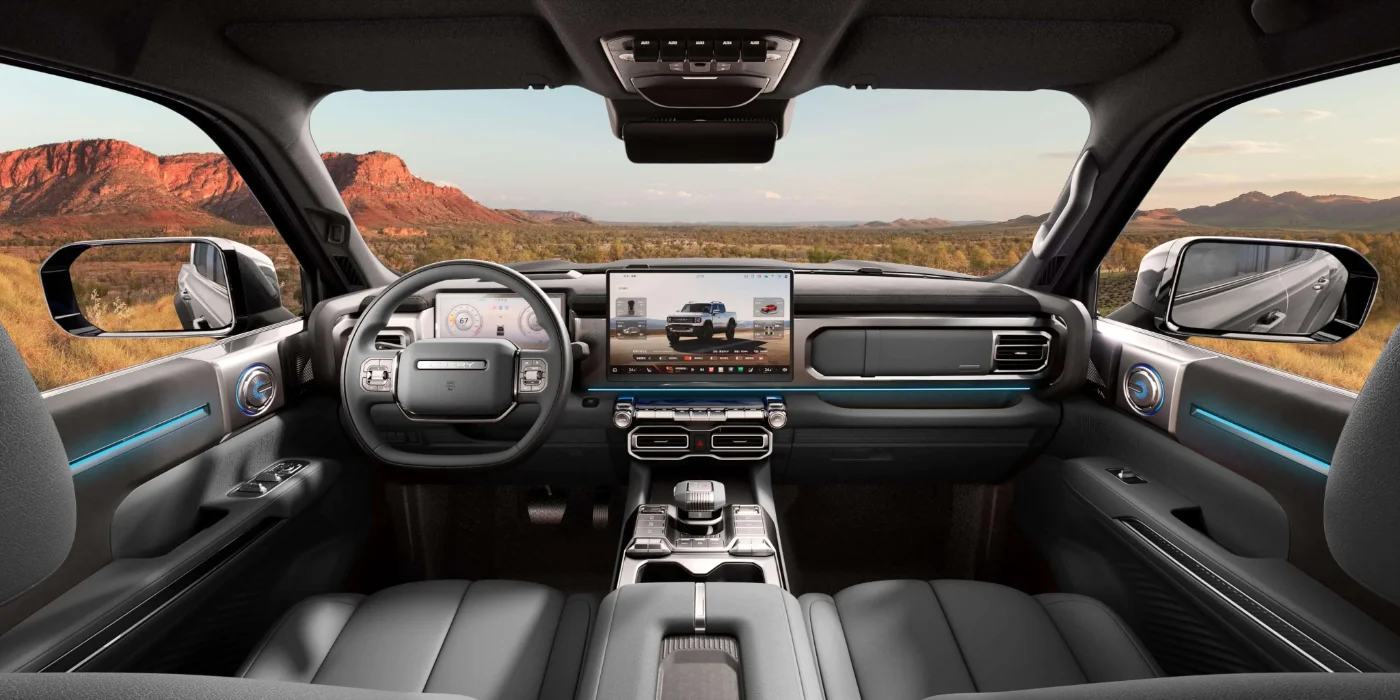
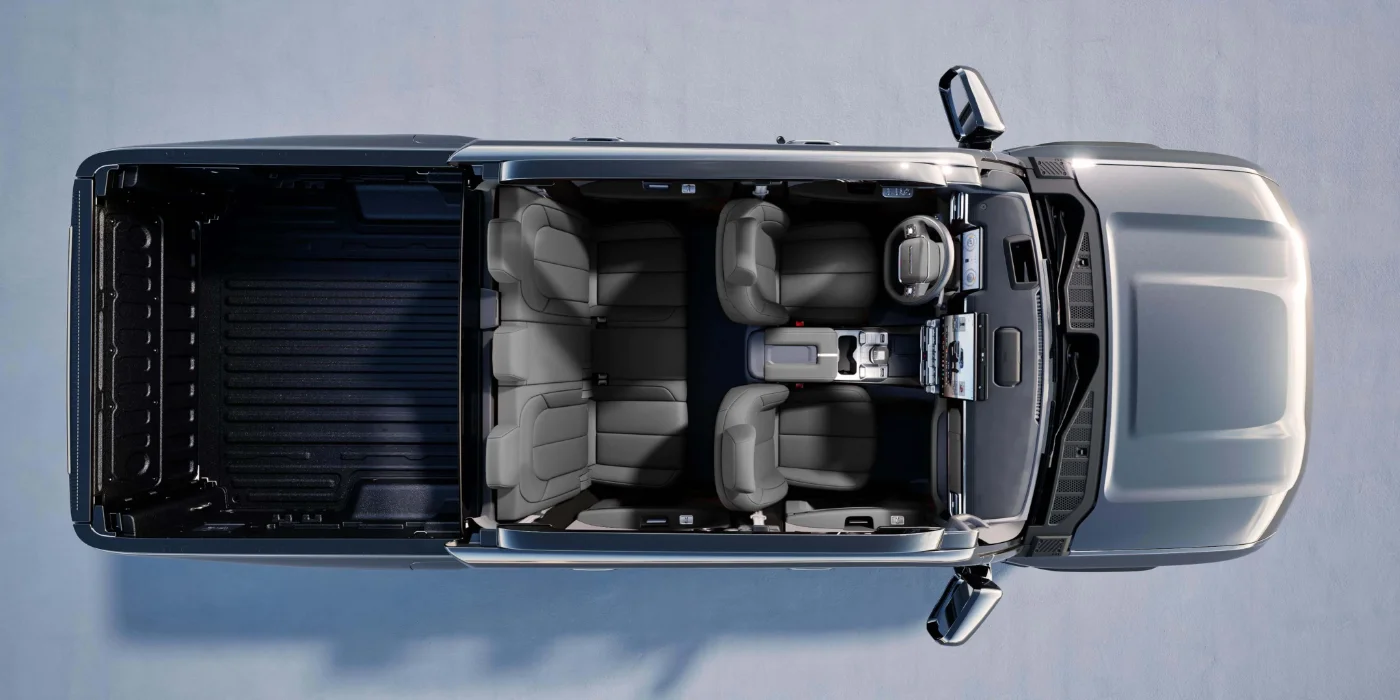
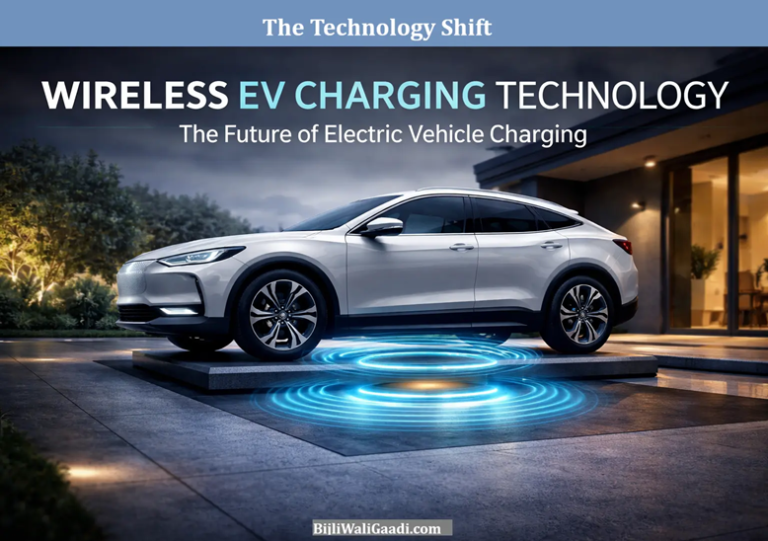
Confirmed features include leather upholstery, heated and ventilated front seats, and suede trim on the dash, door cards and roofliner. Chery says the rear floor is flat with extra legroom over key rivals, though exact measurements aren’t published. Wireless charging, dual-zone climate and a premium sound system are confirmed, alongside an Australian-tuned ADAS suite. Screen sizes and the full driver-assist list remain undisclosed.
How the Diesel Plug-in Hybrid System Works
A hybrid control unit decides when the diesel engine, electric motor, or both drive the wheels. In electric mode, the battery — monitored by a battery management system — powers the motor directly for over 100km with no diesel input. Under sustained load, such as towing, the diesel joins in, together producing 350kW and 800Nm through the 4WD system.
Regenerative braking recovers energy during deceleration and returns it to the battery. The battery can also be recharged externally. Chery has not officially disclosed this information at the time of writing regarding charging times or power.
To know more about the operation of PHEV (Plug-in Hybrid Electric Vehicle) check-out out this article:
Diesel Plug-in Hybrid vs Conventional Diesel Ute
| Category | Stockman (Diesel PHEV) | Conventional Diesel Ute |
| Fuel economy | 2L/100km (claimed) | 8–11L/100km typical |
| Electric-only driving | 100km+ | Not available |
| Braked towing | 3,500kg | 3,000–3,500kg |
| Vibration | 30% less (claimed) | Standard diesel clatter |
| Servicing | Adds battery/electric parts | Diesel-only, well established |
Why This Matters for Australia
Australia’s ute market is one of the largest, most fuel-intensive segments in the country, and it has resisted electrification because pure electric utes can’t match diesel range or towing. A diesel PHEV lets fleets cut fuel costs without waiting for regional charging infrastructure — a lower-risk step than full electrification while still towing 3,500kg.
Benefits for Different Buyers
Fleets gain lower running costs on high-mileage cycles. Farmers get diesel-level towing with less fuel use. Construction buyers retain diesel torque and durability. Adventure users get diff locks, crawl control and tight-turn assist. Family buyers get a more premium cabin than a typical work ute.
What Chery Hasn’t Confirmed Yet
Expert Engineering Analysis
Diesel stays thermally efficient at sustained highway load and towing, which is why Chery kept it as the primary energy source. The electric motor’s advantage is instant low-speed torque — exactly where diesel is least efficient, explaining the 30% vibration-reduction claim.
The harder problem is packaging: fitting a battery and electric motor onto a ladder-frame ute without eroding payload or towing capacity is far more complex than adding mild-hybrid assistance to an existing diesel platform, adding components that need servicing and cooling. Battery placement also affects weight distribution, details not yet published. For fleets, it’s more parts to maintain for lower fuel costs over high-mileage driving.
Pros and Cons
| Pros | Cons |
| Claimed 2L/100km fuel use | Pricing unconfirmed |
| 3,500kg braked towing | Launch date unconfirmed |
| 100km+ electric-only range | Battery capacity undisclosed |
| Premium cabin trim standard | Charging specs undisclosed |
| Triple diff locks, crawl control | New powertrain, unproven locally |
Key Takeaways
FAQ
Stay connected via Google 'Electric Vehicle' News
Follow BijliWaliGaadi | India's Trusted EV Insights Portal
source on Google