Mitsubishi ASX VR-e Confirmed for Australia and New Zealand
Stay connected via Google 'Electric Vehicle' News
Follow BijliWaliGaadi | India's Trusted EV Insights Portal
source on Google
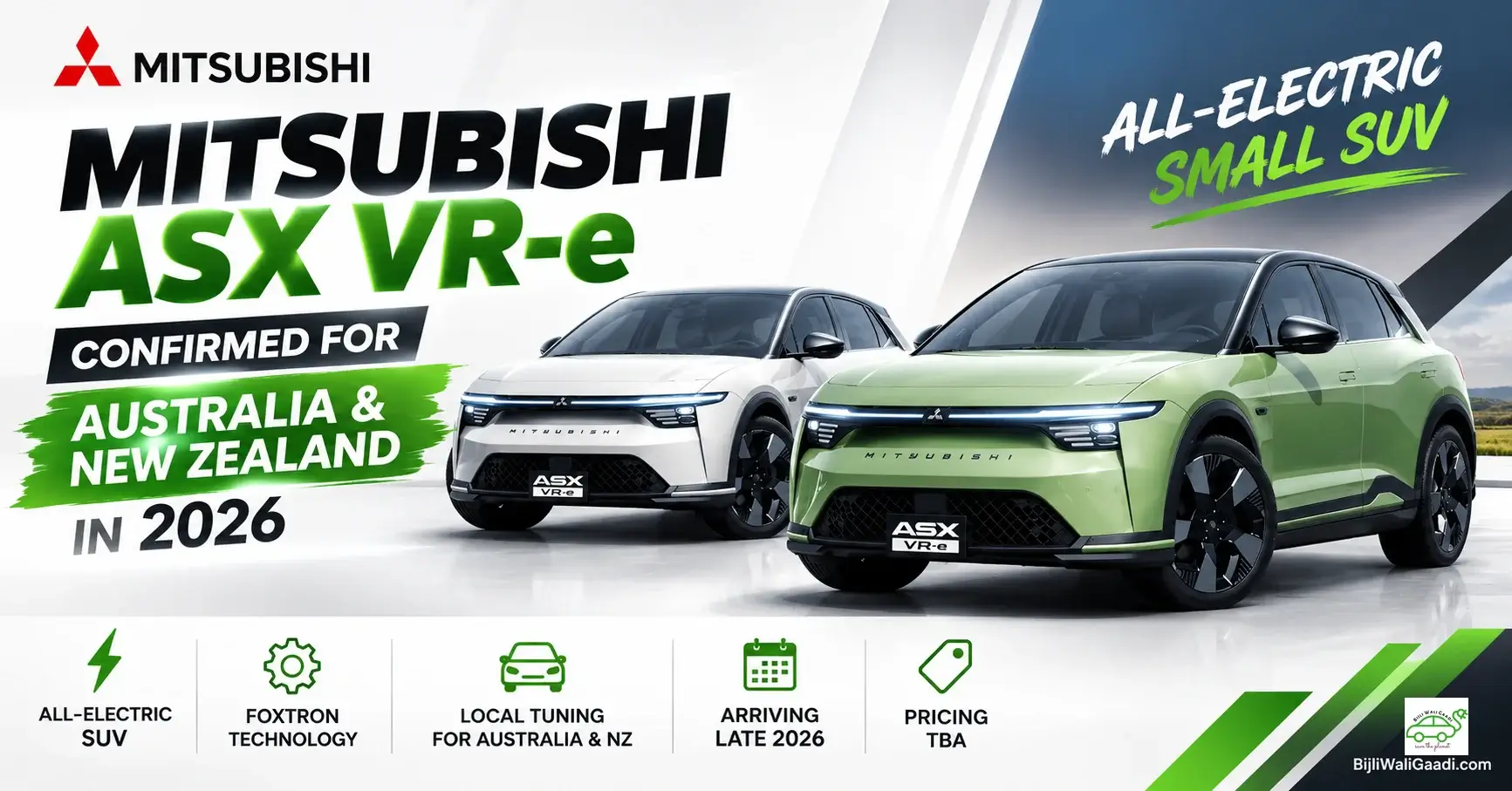
Mitsubishi‘s new EV isn’t actually built by Mitsubishi. The ASX VR-e, confirmed for Australia and New Zealand in 2026, is sourced from Taiwanese EV manufacturer Foxtron rather than made on a Mitsubishi production line — with Mitsubishi’s own engineers instead focused on tuning and validating the car for local roads. That raises the obvious question: can Mitsubishi turn a Foxtron-built EV into something that genuinely feels like a Mitsubishi once it’s driving on Australian and New Zealand tarmac?
What Is the Mitsubishi ASX VR-e?
The ASX VR-e is a new battery-electric small SUV Mitsubishi is bringing to Australia and New Zealand to capture growing urban demand for EVs, according to the company’s official announcement. Mitsubishi positions it around advanced technology, sharper driving dynamics and distinctive styling, alongside the usual environmental case for going electric.
The ASX name returns after well over a decade on Mitsubishi’s petrol-powered Active Sports Crossover, but this is a fundamentally different product — not simply an electric version of the existing ASX. The VR-e badge is deliberate too: Mitsubishi says it draws on the legendary Galant VR-4 name, with the “e” signalling the electric drivetrain, giving the new EV a performance-flavoured identity rather than treating it as just another compact SUV.
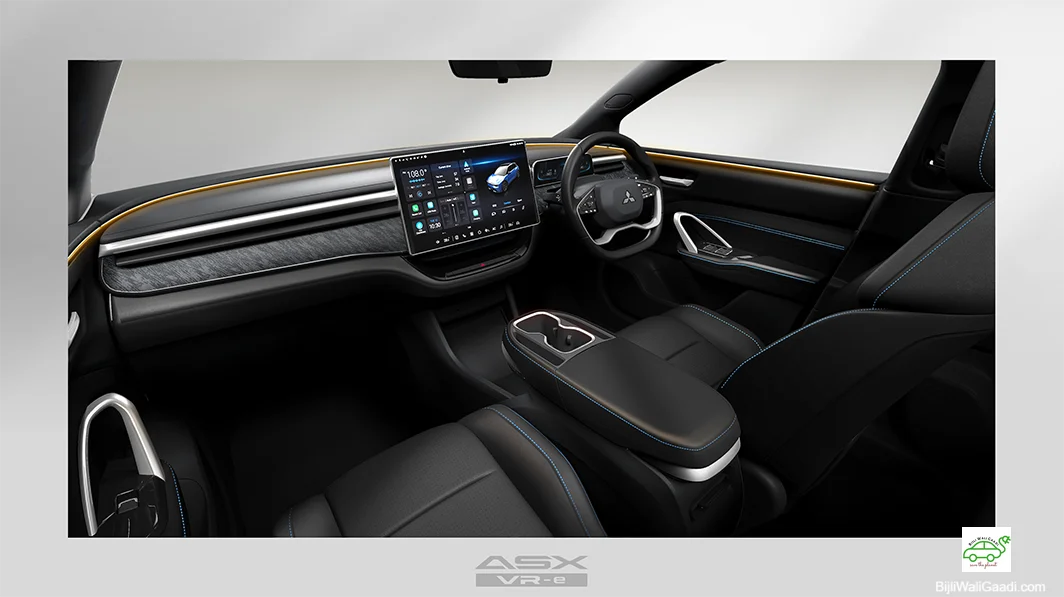
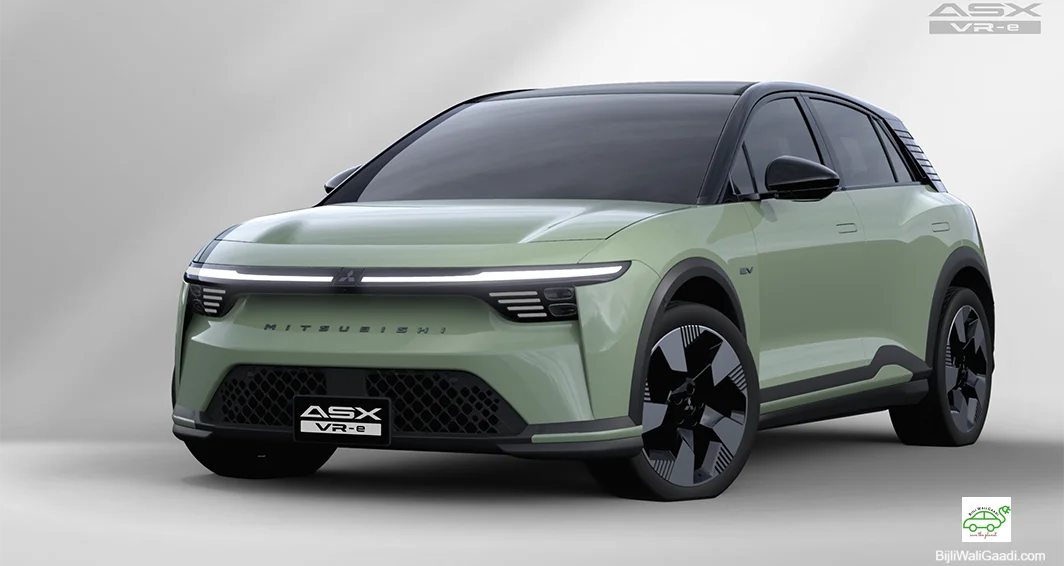
Who Actually Builds the ASX VR-e?
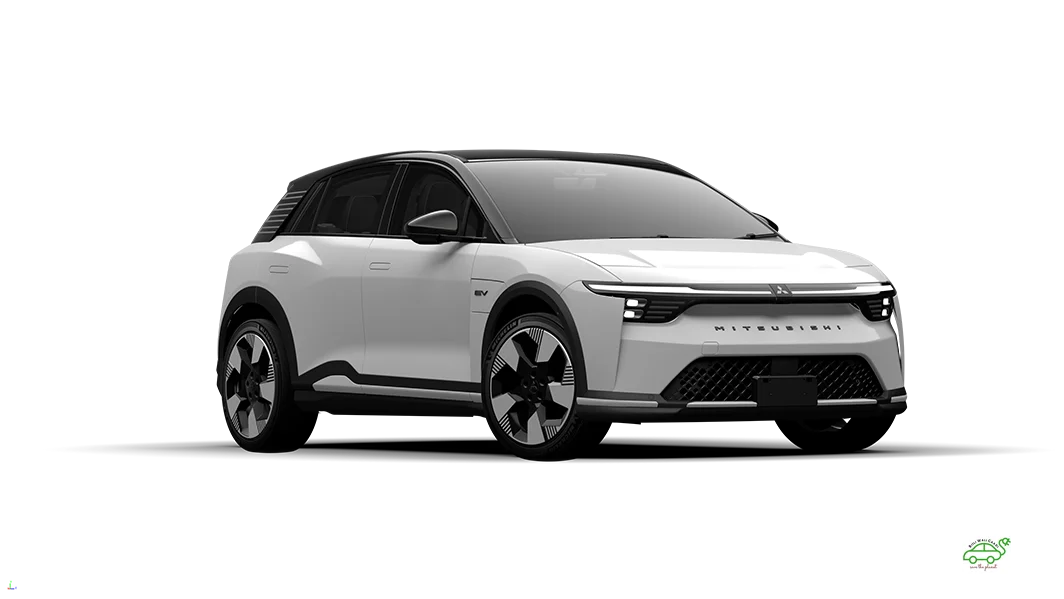
Mitsubishi’s release confirms the ASX VR-e is supplied on an OEM basis by Foxtron Vehicle Technologies, the EV development company within Hon Hai Precision Industry — globally known as Foxconn. Foxtron develops the vehicle, while Yulon Motor manufactures it in Taiwan for Mitsubishi under the OEM arrangement. The ASX VR-e is closely related to Foxtron’s Bria/Model B family, although Mitsubishi has applied its own design identity for the Oceania-market vehicle.
The arrangement illustrates a broader shift in how established automakers are approaching the EV transition: leaning on specialist EV manufacturing capability while applying their own engineering, validation and market-specific calibration to shape a vehicle for local conditions. It’s a pragmatic way for a brand like Mitsubishi to enter the mainstream BEV market without the cost and lead time of developing a dedicated EV platform from scratch — though it does mean the ASX VR-e’s underlying engineering originates outside Mitsubishi.
Mitsubishi ASX VR-e Powertrain and Battery
Mitsubishi’s announcement confirms the ASX VR-e is a full battery-electric vehicle — not a hybrid or plug-in hybrid. Beyond that, the official release doesn’t disclose battery capacity, electric range, motor outputs, drivetrain configuration or charging specifications. Any figures circulating elsewhere should be treated as unconfirmed for Australia and New Zealand until Mitsubishi publishes local specifications. Until it does, some of the most important questions for buyers remain unanswered.
Australian and New Zealand Local Tuning

This is where Mitsubishi’s local engineering involvement enters the picture. Mitsubishi says the ASX VR-e has undergone significant development work in Australia, including ride and handling evaluation, with feedback from local testing used to tailor the vehicle for Australian and New Zealand conditions. Foxtron retains responsibility for the vehicle’s underlying engineering, making the key question whether that local input is enough to make a Foxtron-developed EV feel convincingly like a Mitsubishi on local roads.
ASX VR-e Design and Aerodynamics
The ASX VR-e uses aerodynamic features including an S-duct and active grille shutters designed to reduce drag, along with a horizontal stripe motif running through the lighting, C-pillars and wheel design. Exactly how much these measures contribute to real-world efficiency will depend on the final vehicle specification and independent testing.
When Is the Mitsubishi ASX VR-e Coming to Australia and New Zealand?
Mitsubishi has confirmed the ASX VR-e for Australia and New Zealand before the end of 2026, although an exact on-sale date hasn’t been announced. New Zealand outlet Tarmac Life has separately reported a late-2026 timeframe, broadly consistent with Mitsubishi’s own statement.
Local reporting has also pointed to a four-grade New Zealand range — GSR, Exceed, XLS and LS — but Mitsubishi has yet to confirm final Australian or New Zealand grades and specifications.
How Much Will the Mitsubishi ASX VR-e Cost?
Pricing hasn’t been announced for either market, and nothing here should be read as a prediction. The more interesting question is competitive: can Mitsubishi price the VR-e aggressively enough to compete with the growing wave of Chinese electric small SUVs now crowding this segment? Given the ASX nameplate’s traditionally value-focused positioning in Australia, that’s the benchmark local buyers will likely judge it against once pricing lands.
Why the ASX VR-e Matters to Mitsubishi
Mitsubishi has been a relatively minor player in Australia’s modern mainstream BEV market, its electrification story here largely built around the Outlander PHEV and the historic i-MiEV. The ASX VR-e is a real attempt to change that, using a familiar Mitsubishi badge with strong local recognition to get buyers considering an EV to look at the brand again.
It also puts Mitsubishi’s small SUV — a segment where a lot of everyday car buying actually happens — into the modern mainstream electric conversation with a dedicated battery-electric model, rather than an electrified variant of an existing petrol car. Combined with the Foxtron manufacturing story, it’s as much a strategic bet as it is a new-model launch.
Should Australian and New Zealand Buyers Be Paying Attention?
Cautiously, yes. A dedicated battery-electric small SUV wearing a familiar Mitsubishi badge, with genuine local engineering input rather than a straight import, is worth tracking. But there’s still a great deal Mitsubishi hasn’t disclosed — no range figure, no pricing, no confirmed grades for either market, and no on-sale date more precise than “before the end of 2026.”
Final Verdict
The ASX VR-e isn’t a finished buying recommendation yet — it’s a potentially important Mitsubishi comeback story. The Foxtron-developed EV has received local engineering input, carries a familiar badge and offers a genuinely useful compact-SUV format working in its favour. What will actually get buyers through the showroom door is still missing: price, range, charging performance and the final local specification. Until Mitsubishi fills in those blanks, the ASX VR-e remains one of 2026’s more intriguing unknowns rather than a car anyone can properly recommend.
Stay connected via Google 'Electric Vehicle' News
Follow BijliWaliGaadi | India's Trusted EV Insights Portal
source on Google