Faster Than L6e Microcars, Smaller Than a Hatch: Why L7e Quadricycles Matter for Urban EVs
Stay connected via Google 'Electric Vehicle' News
Follow BijliWaliGaadi | India's Trusted EV Insights Portal
source on Google
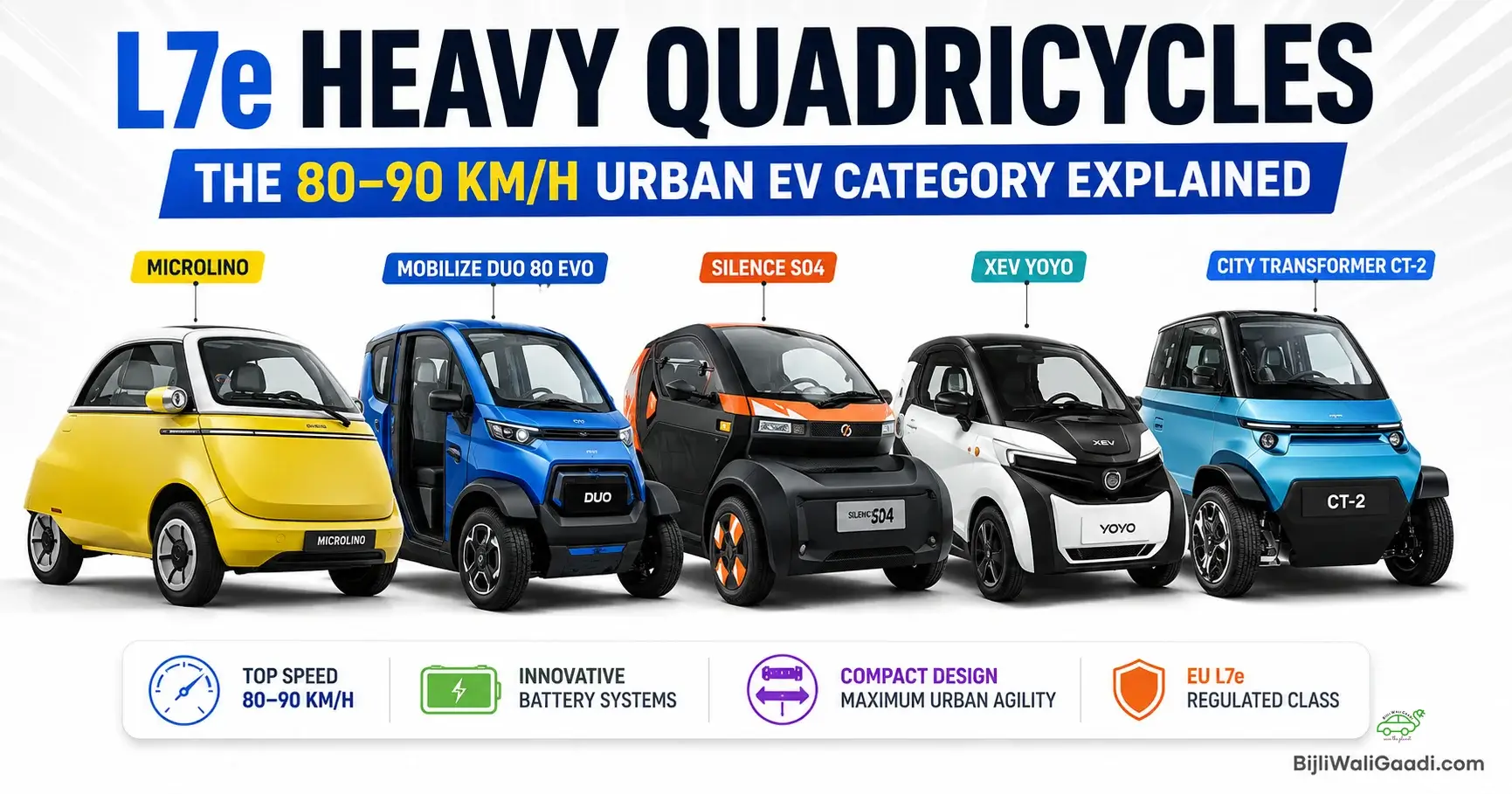
Between the 45 km/h L6e microcar and the full-size passenger EV sits a category most car shoppers have never heard of: the L7e heavy quadricycle. Several current models reach 80–90 km/h, are compact enough to slot into tight European parking, and pack genuinely inventive engineering — swappable batteries, 3D-printed panels, even a chassis that folds its own width. It’s one of the most interesting corners of the EV landscape right now, and it’s not as simple as “L6e but faster.”
What Is an L7e Heavy Quadricycle?
An EU L7e heavy quadricycle is a four-wheeled L-category vehicle with a mass in running order of up to 450 kg for passenger transport (excluding propulsion-battery mass for EVs), and, for the L7e-A passenger sub-category, up to 15 kW of continuous rated/net power. Importantly, L7e itself sets no universal top-speed requirement — the 80–90 km/h figures below are model-specific, not a category rule.
Five L7e Heavy Quadricycles Worth Knowing
| Model | Status | Engineering highlight |
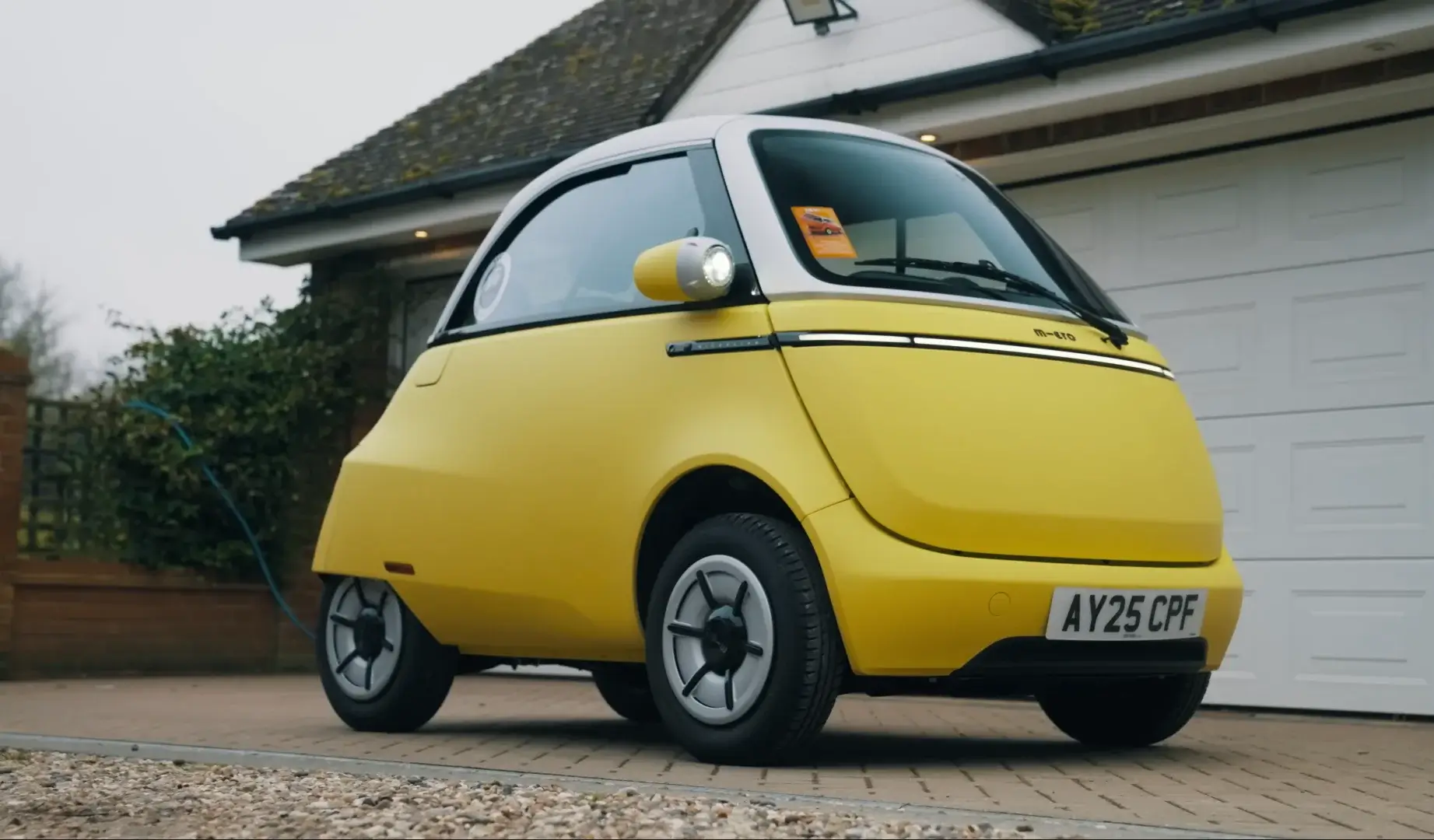
| Microlino | Current production | Steel/aluminium body with a front-hinged Isetta-style door that swings the whole nose open |
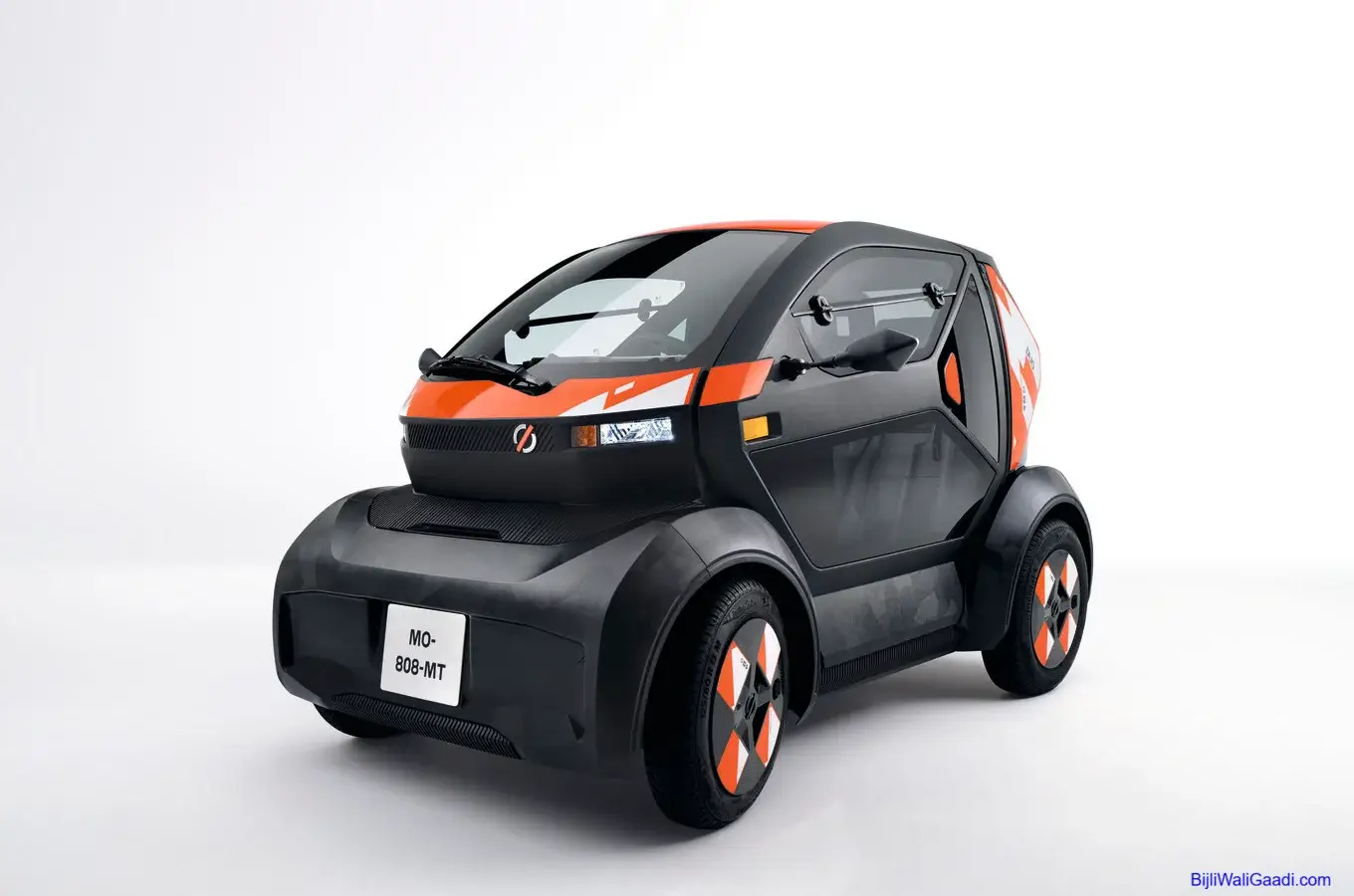
| Mobilize Duo 80 Evo | Current production | Renault-backed urban microcar with circular/recycled-material focus and vertical scissor doors |
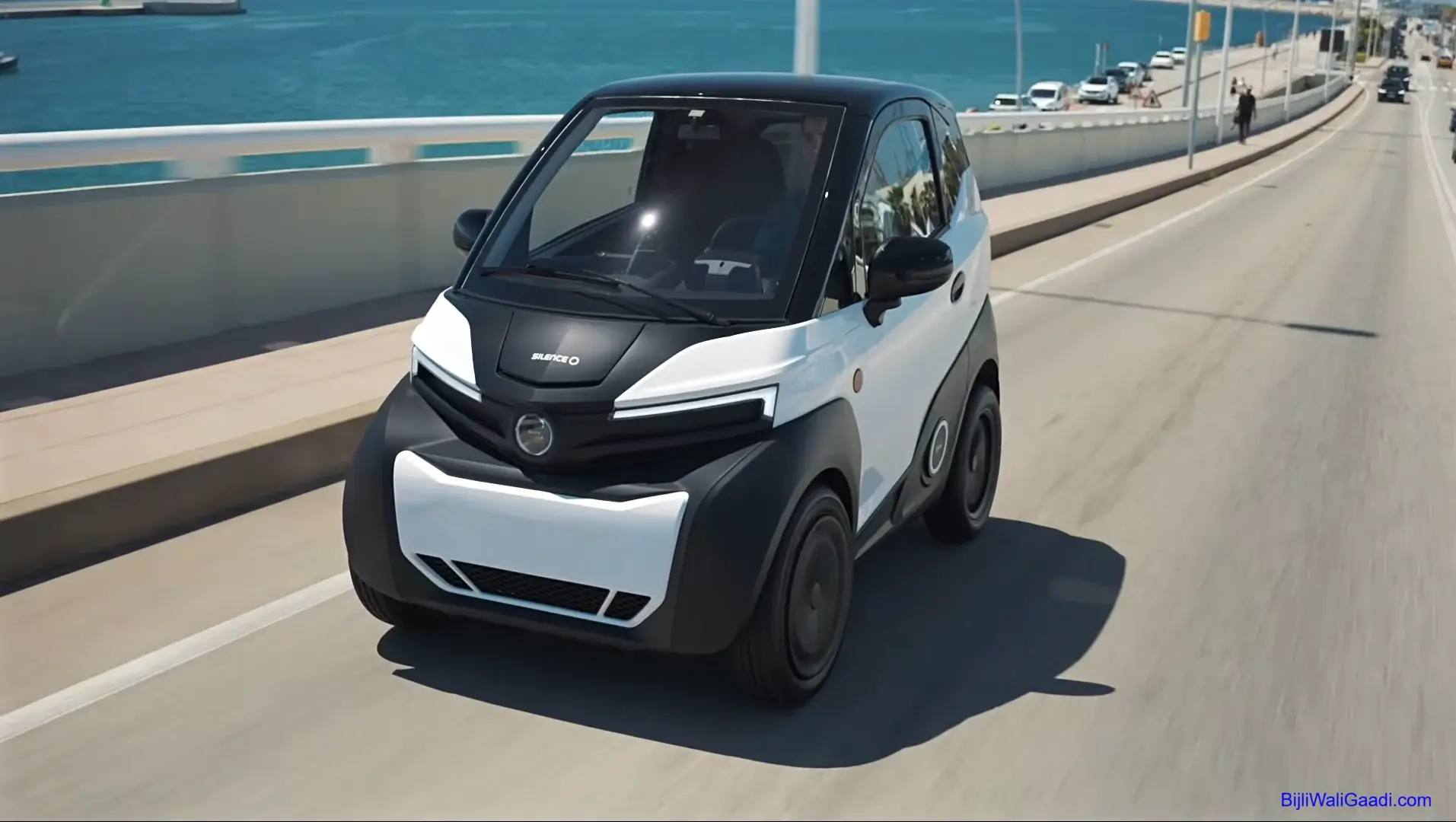
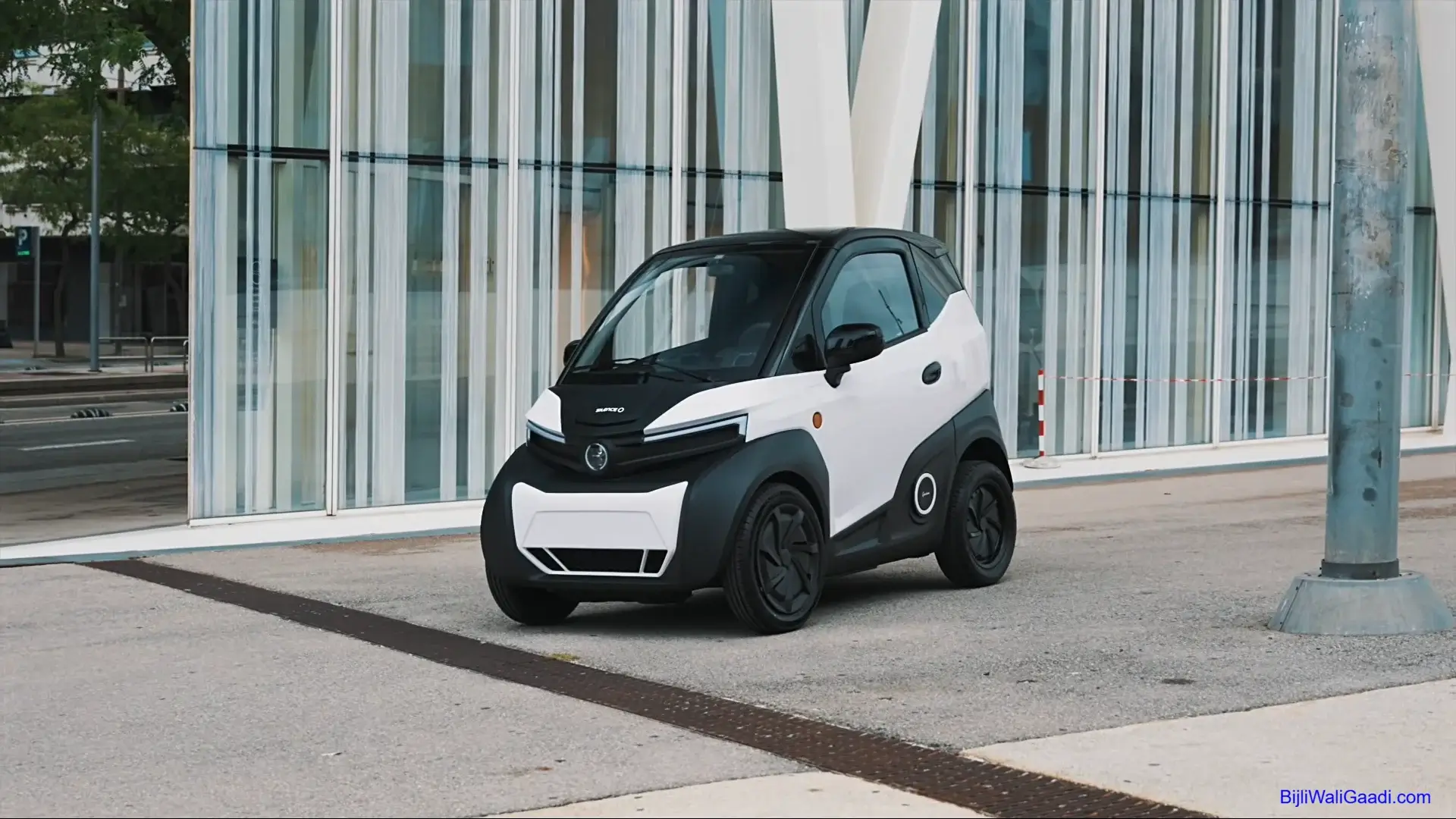
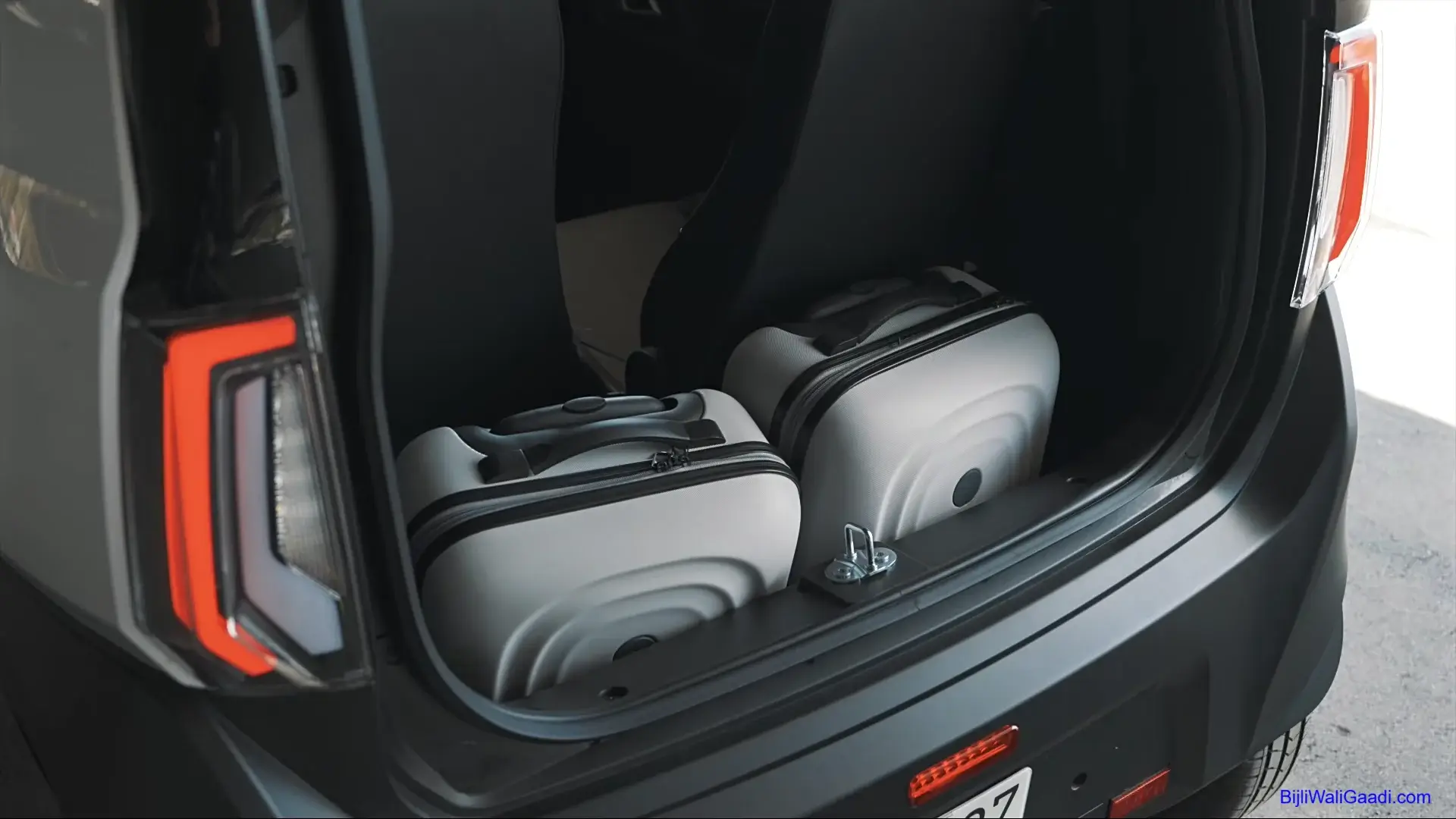
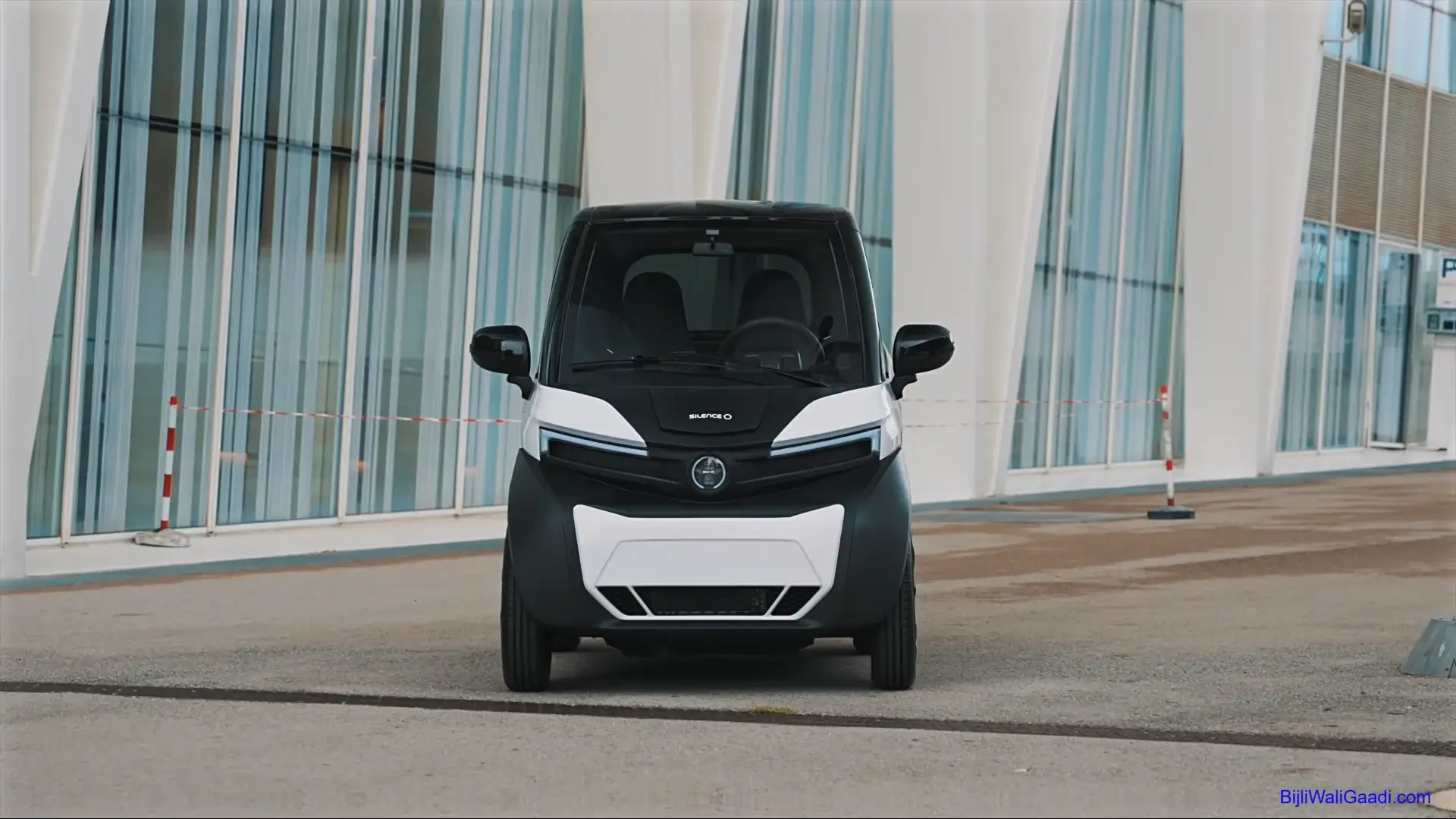
| Silence S04 | Current production | Two removable trolley-style batteries with wheels and a handle |
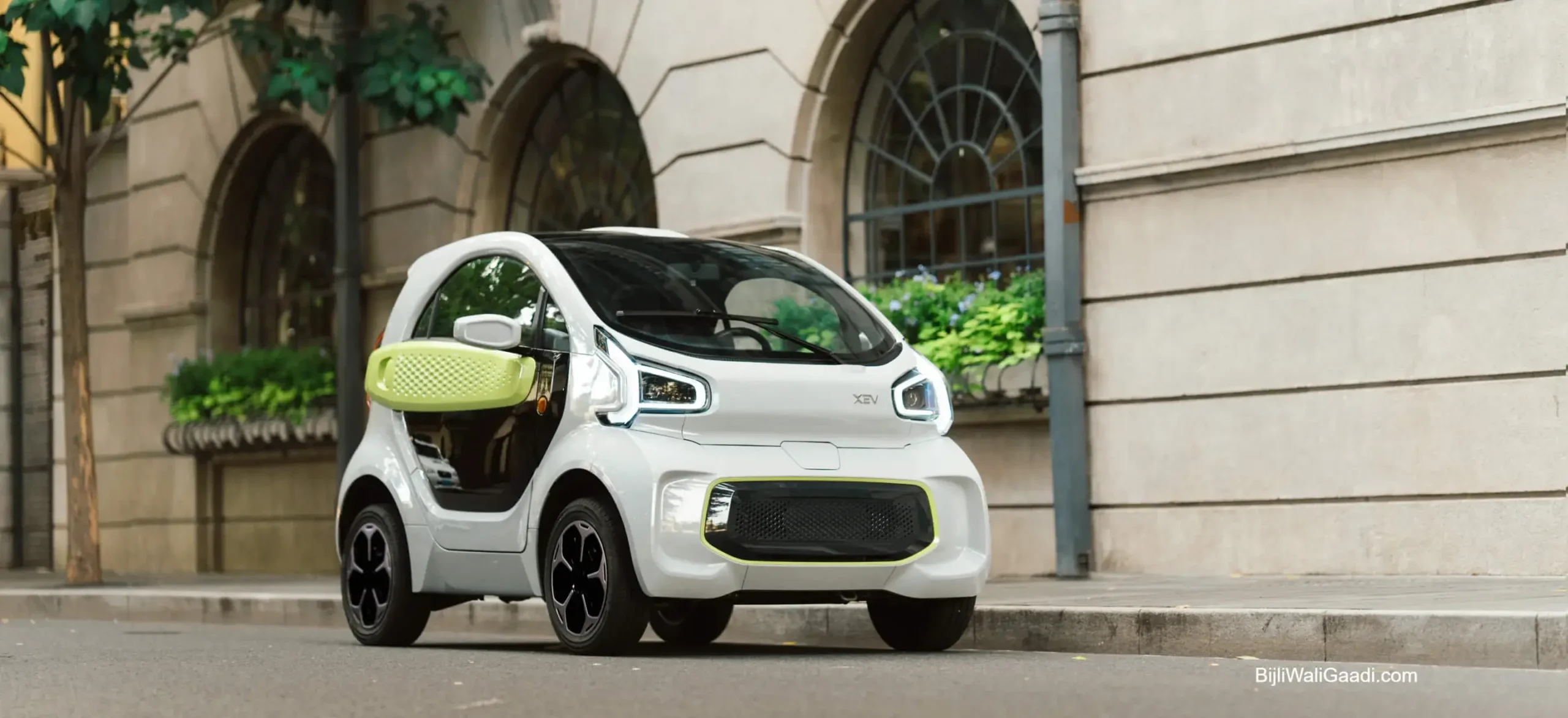
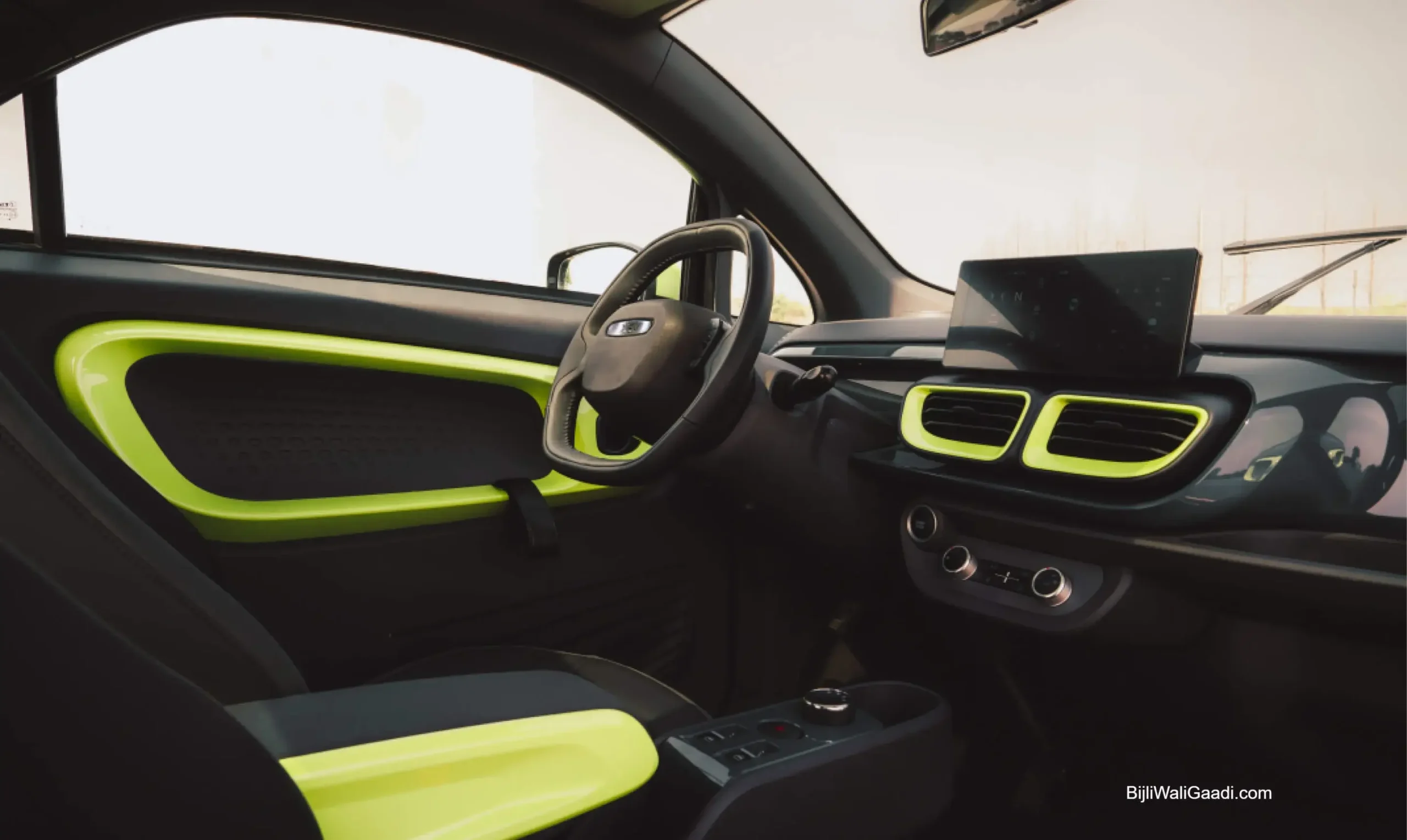
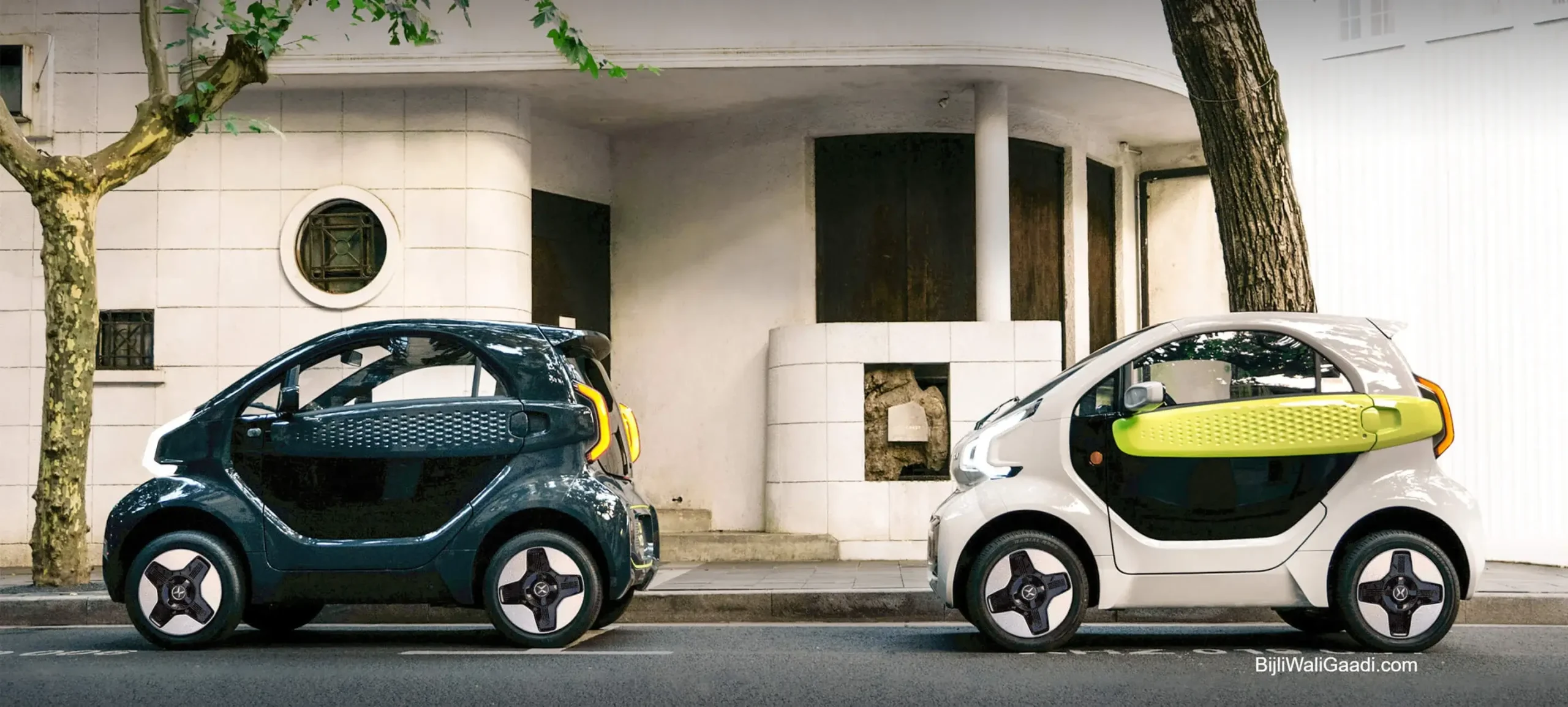
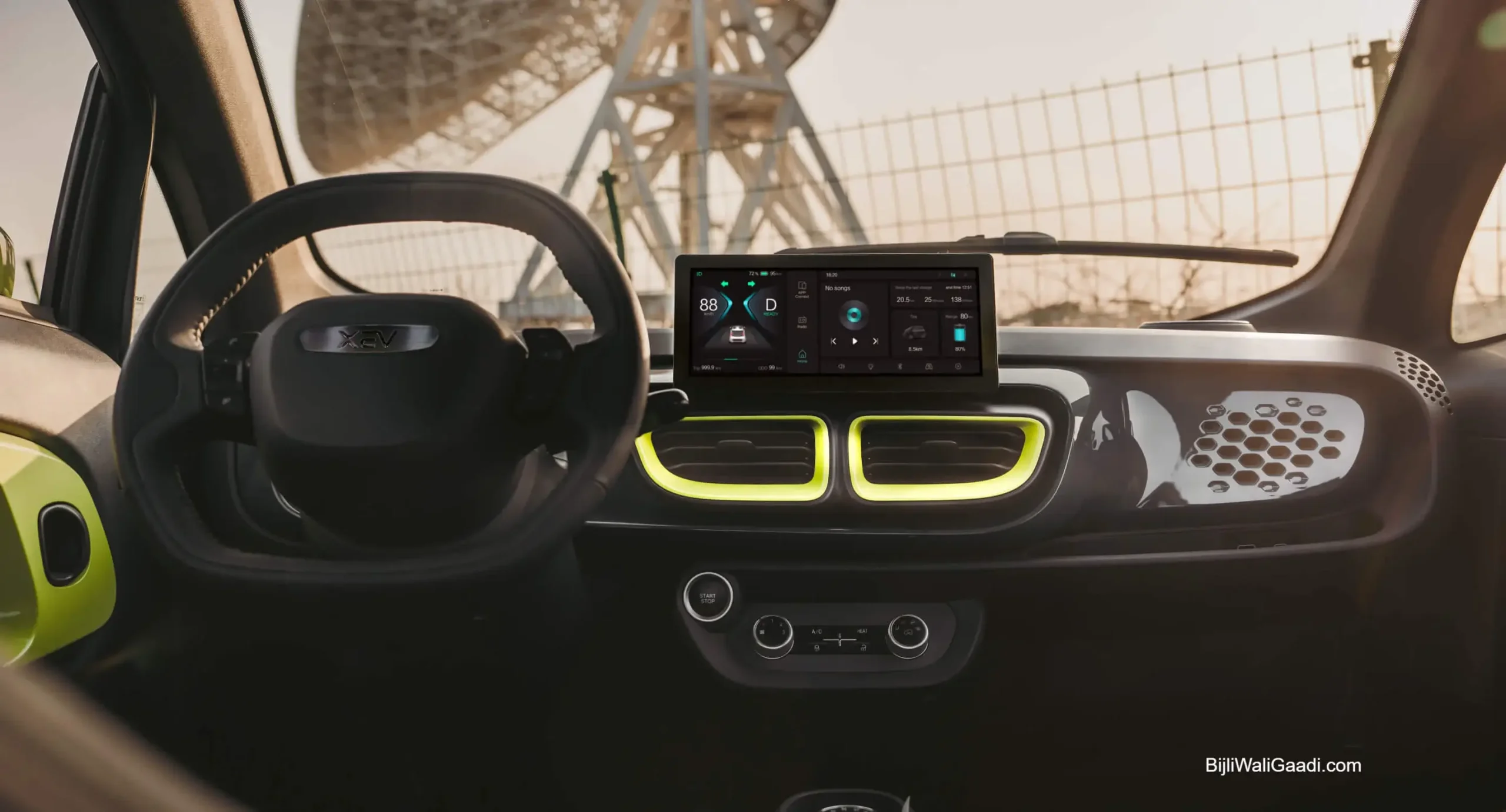
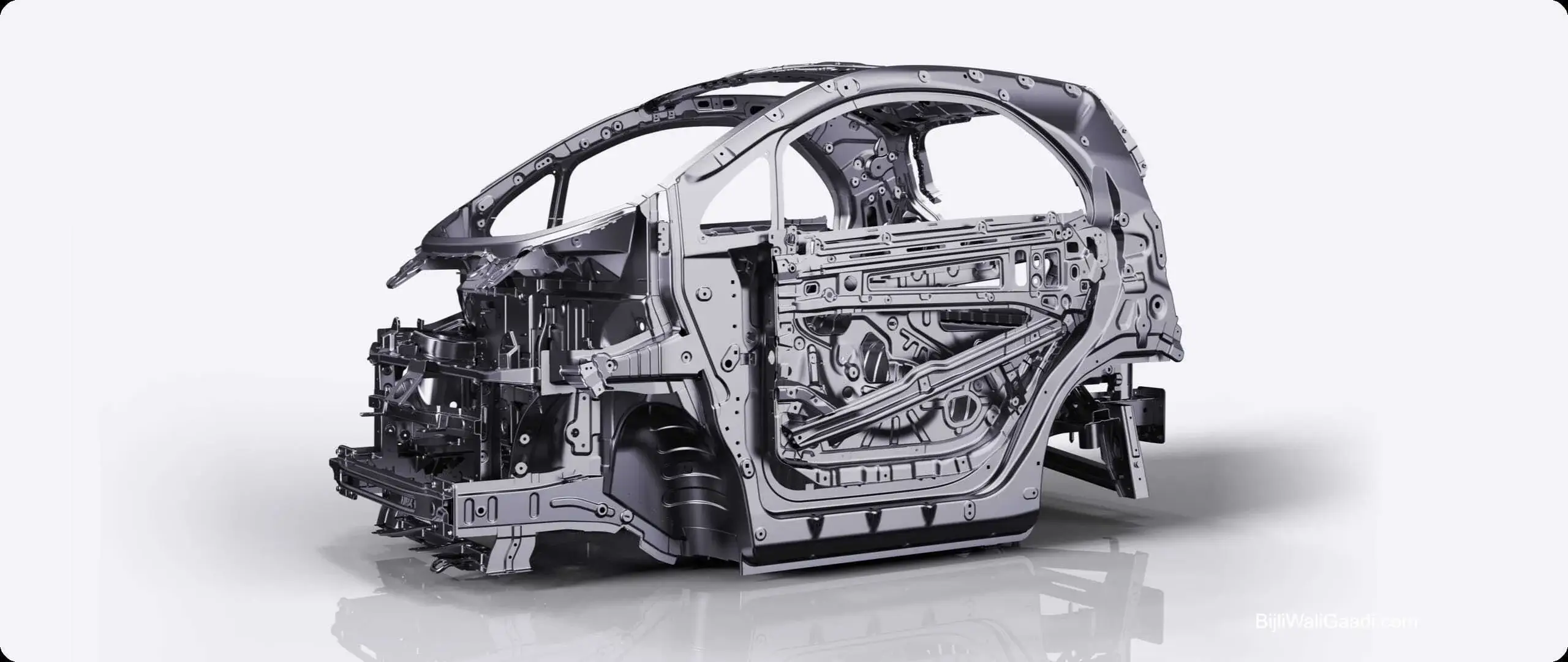
| XEV Yoyo | Current production | 3D-printed body panels and dedicated battery-swap system |
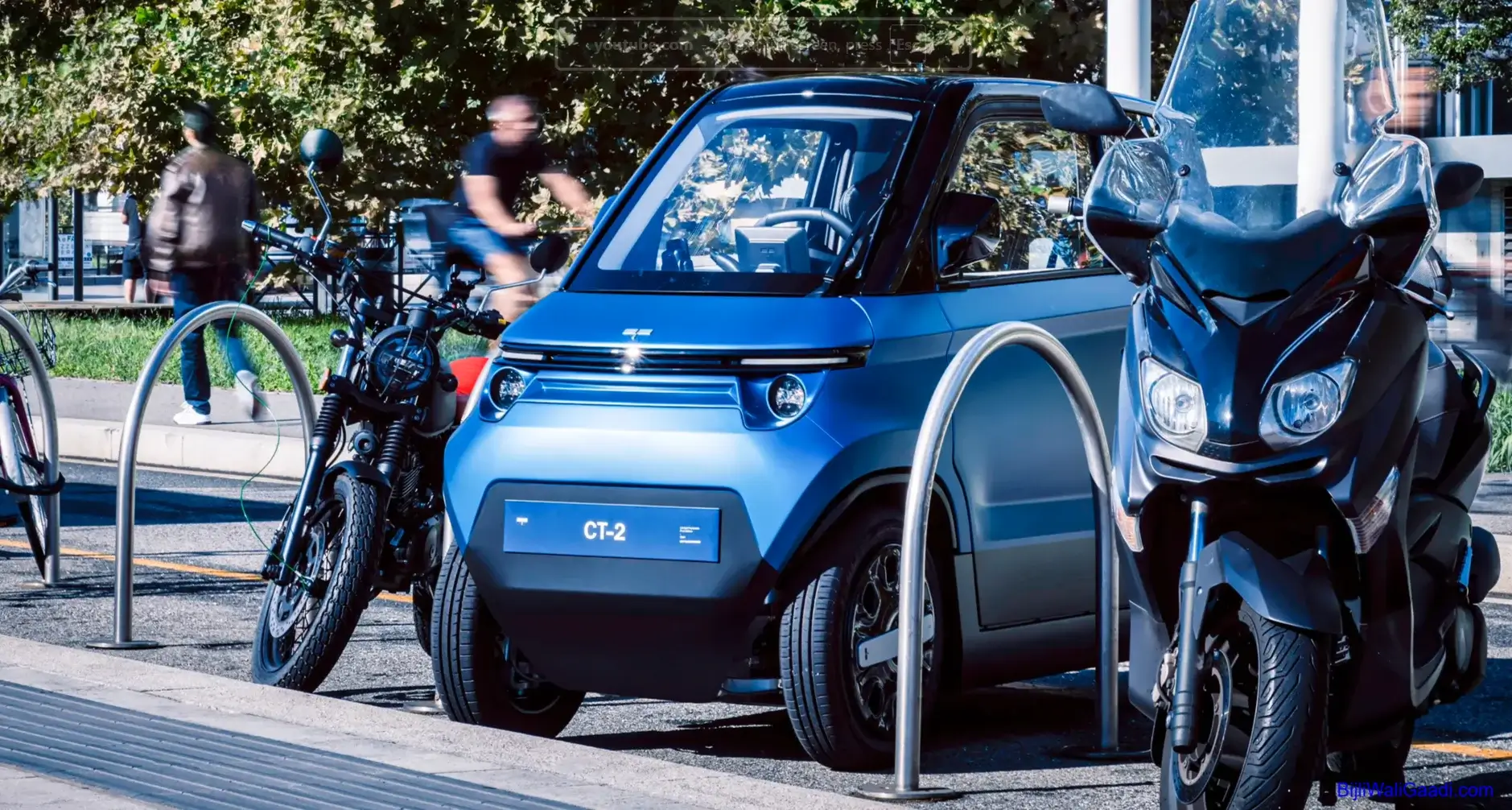
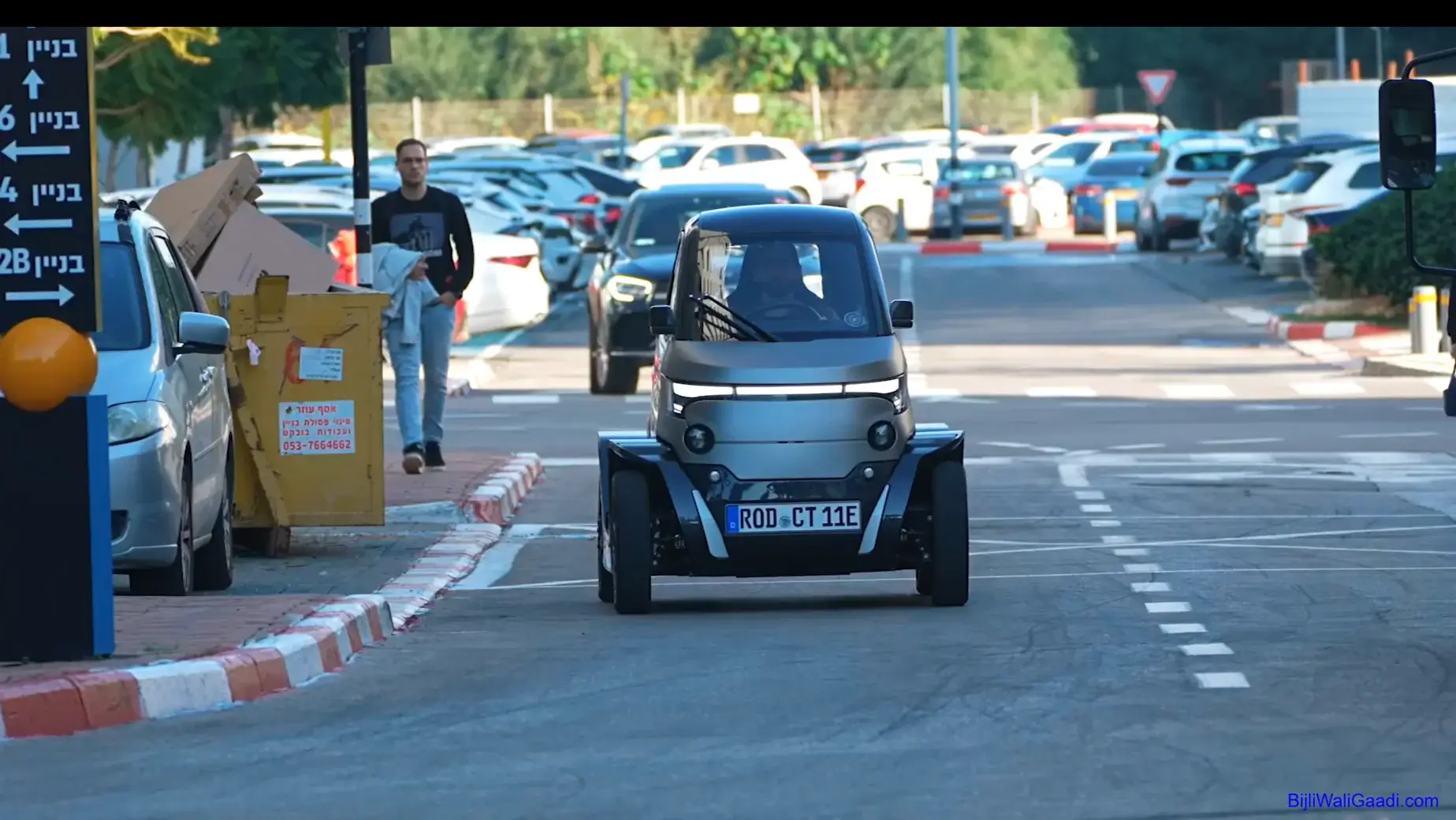
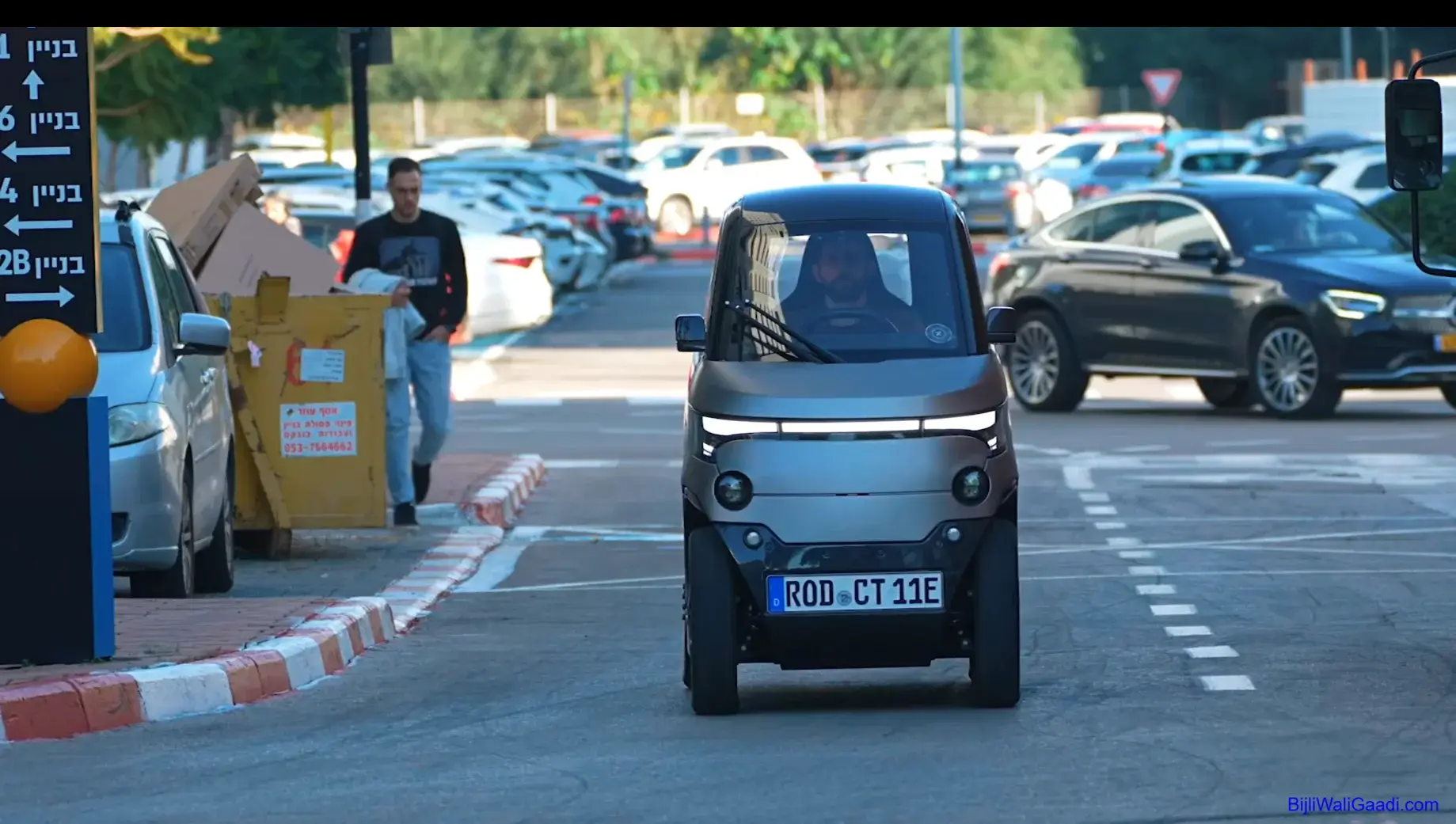
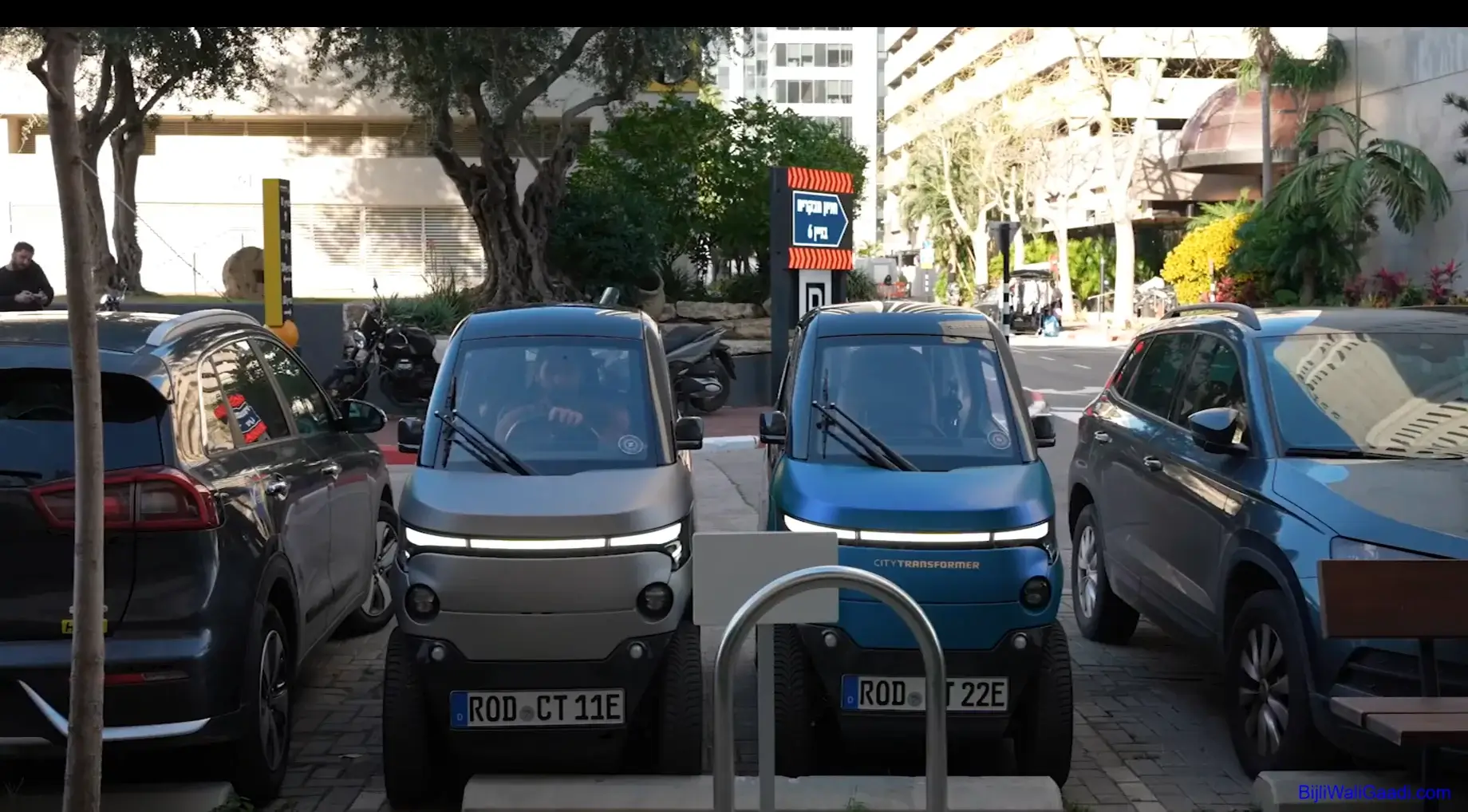
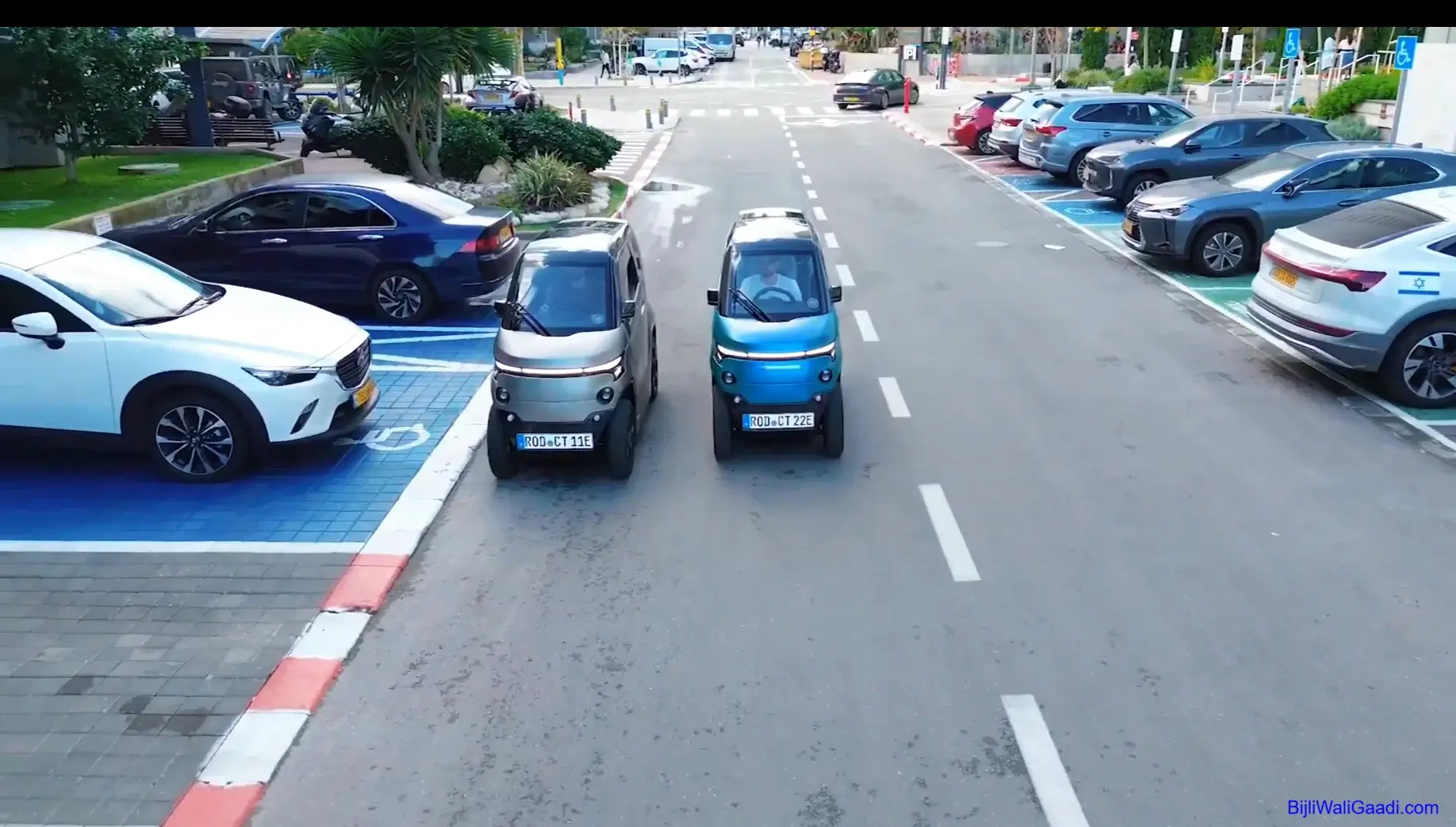
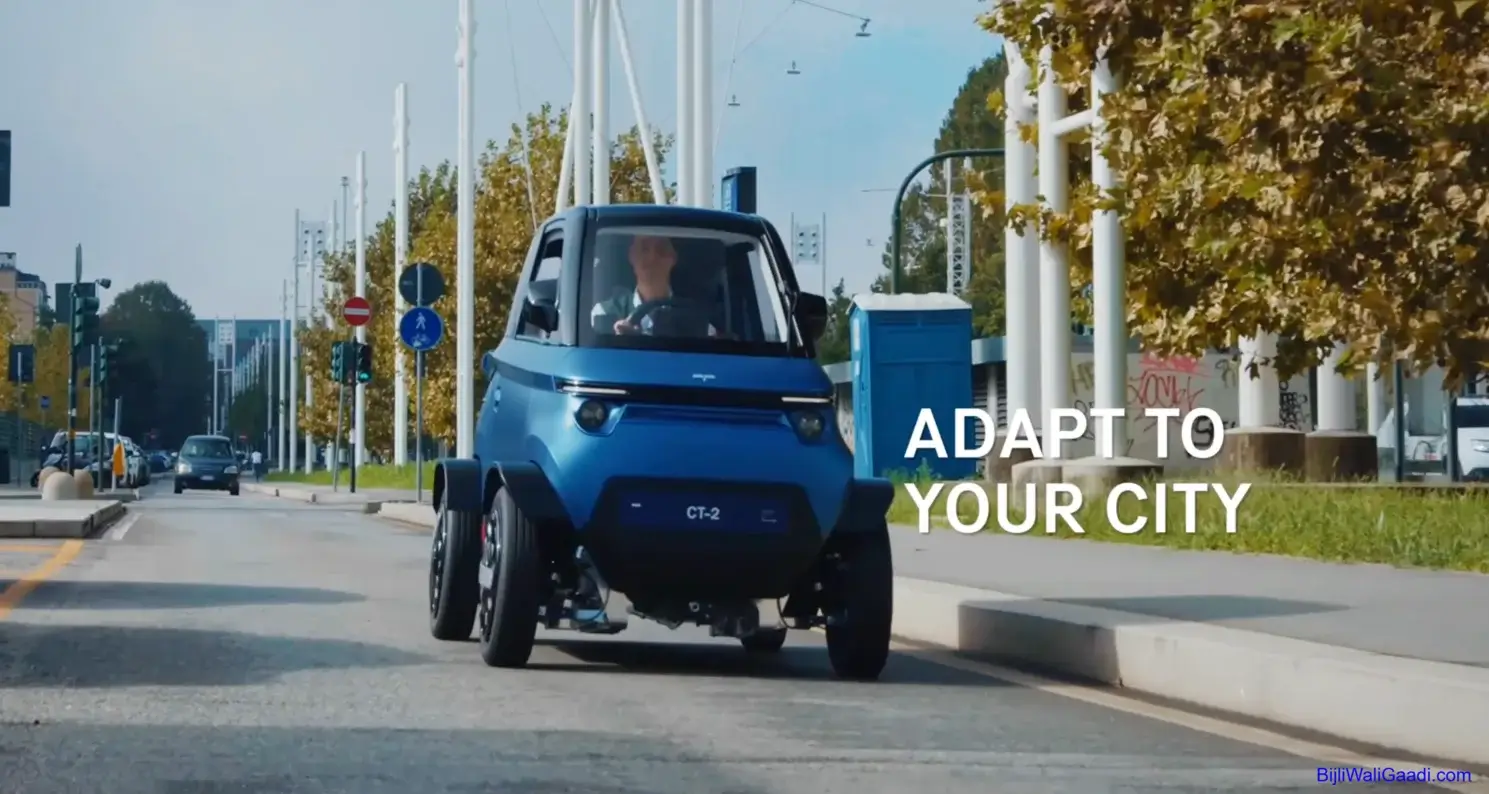
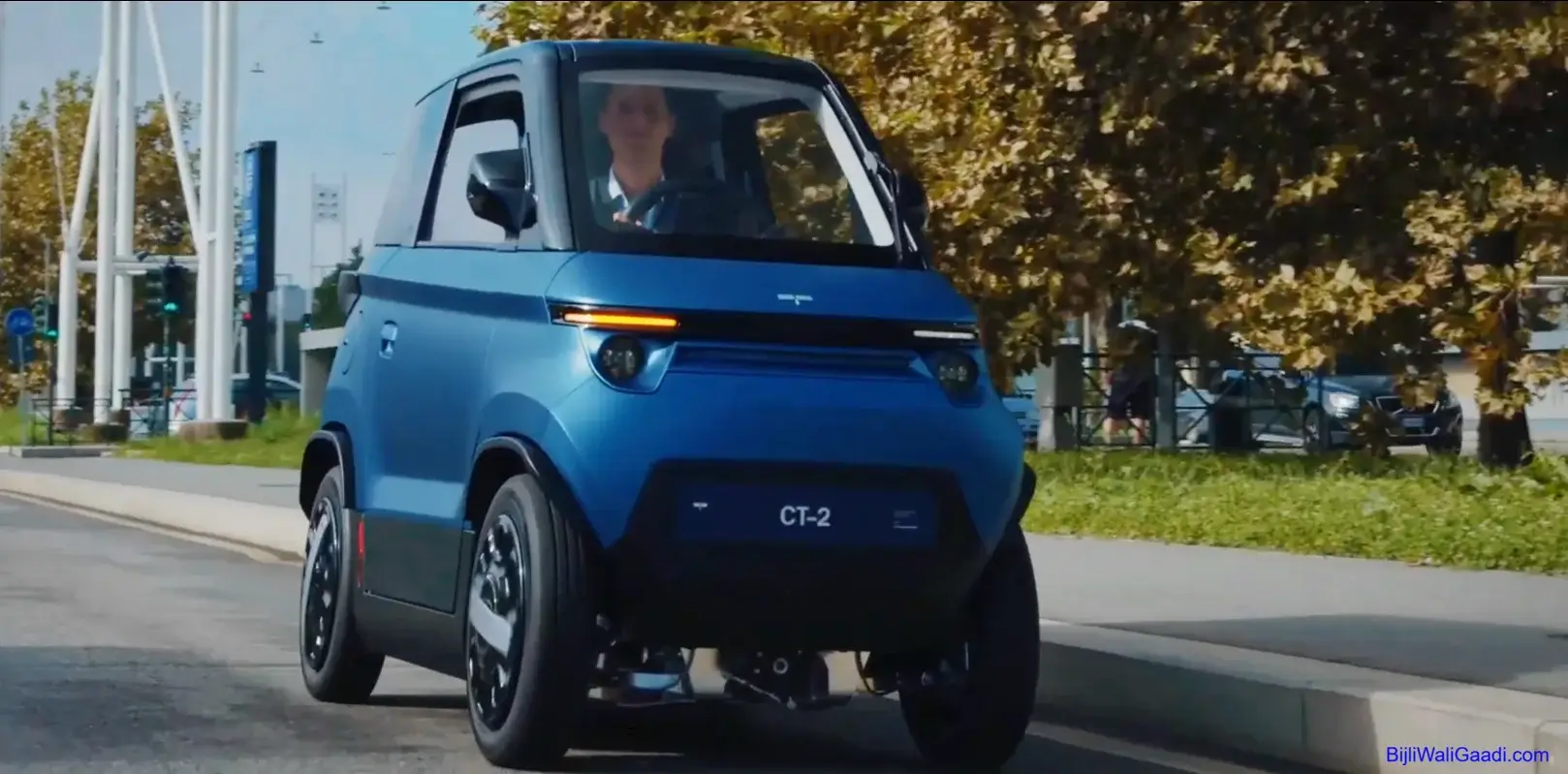
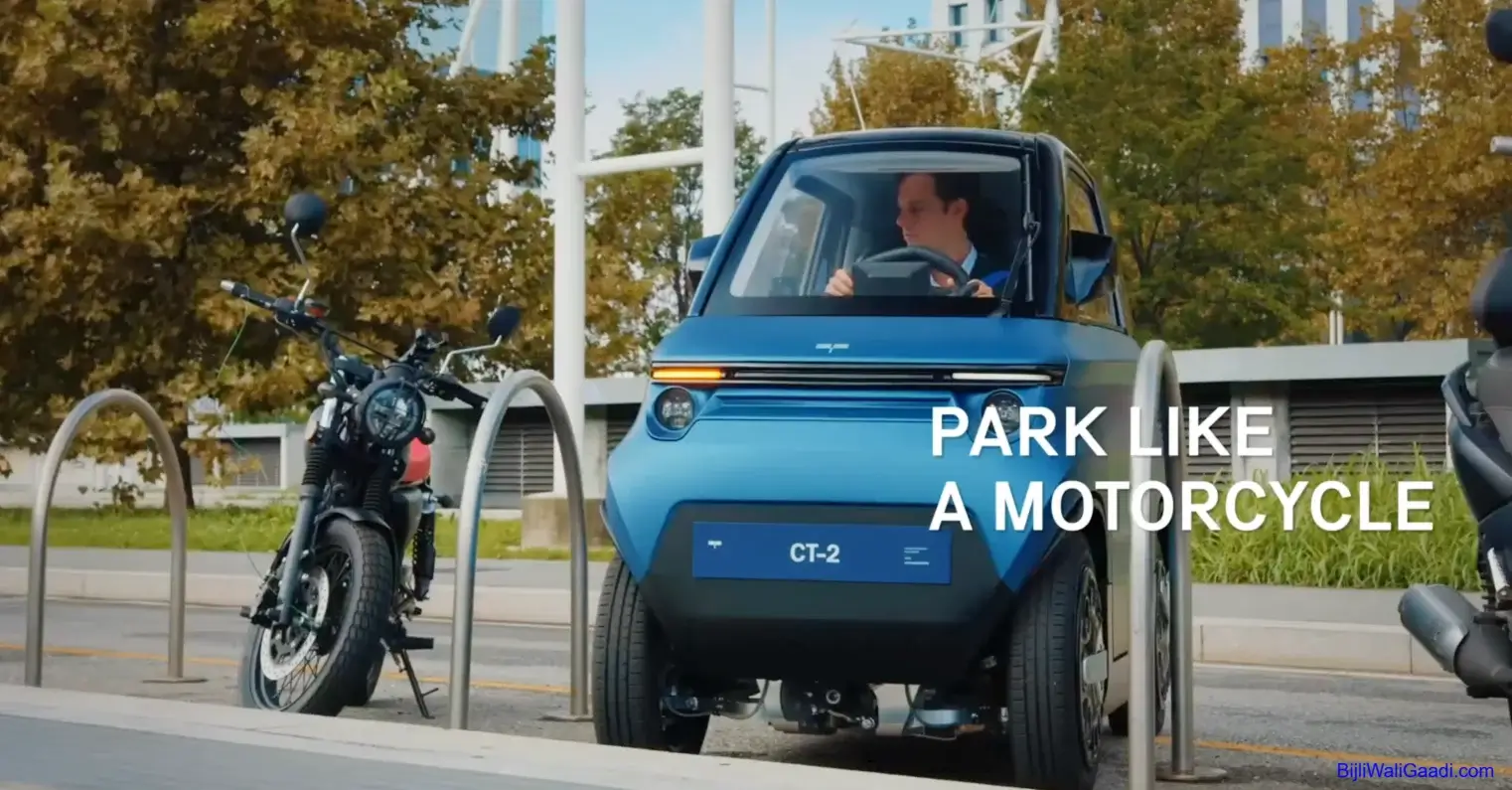
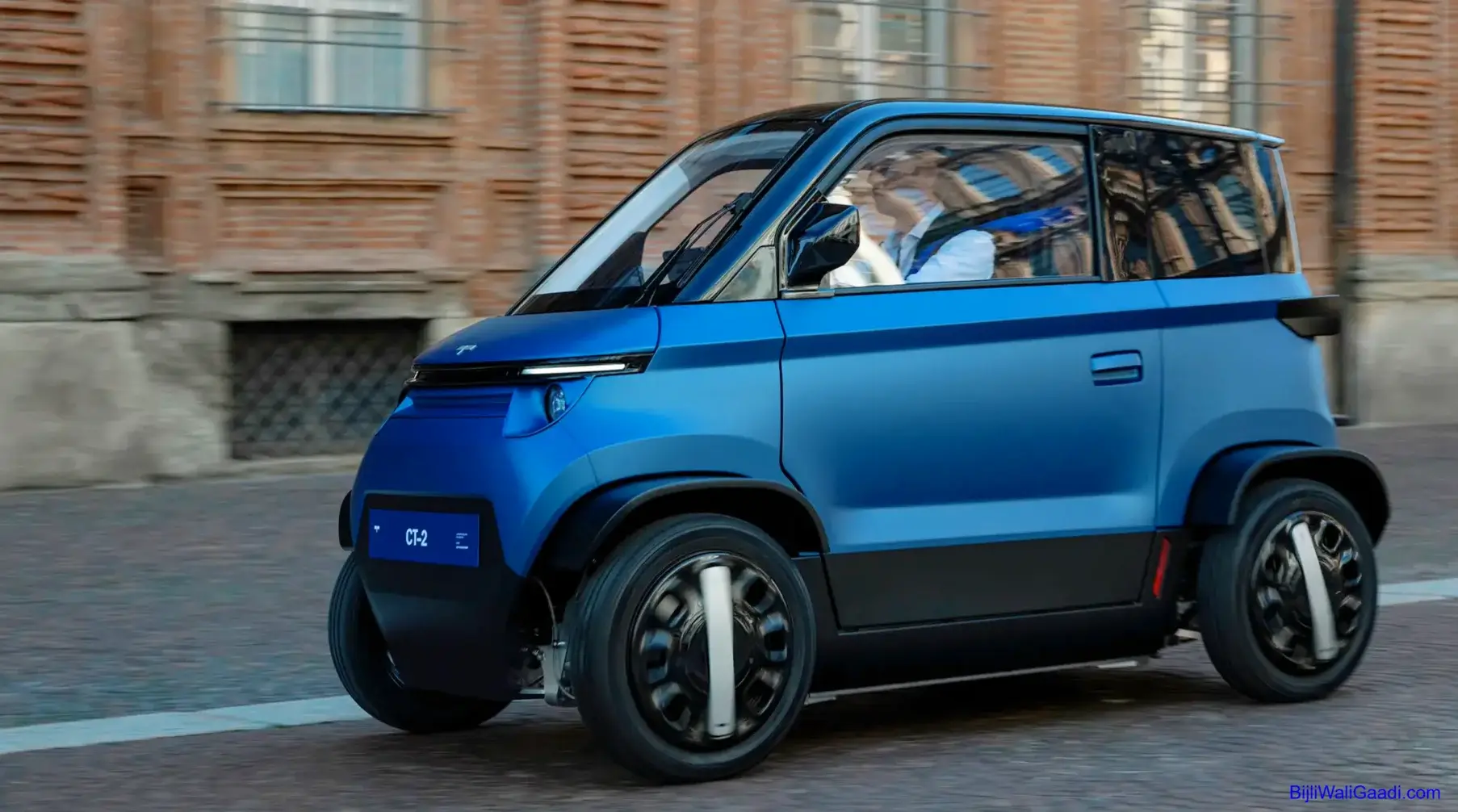
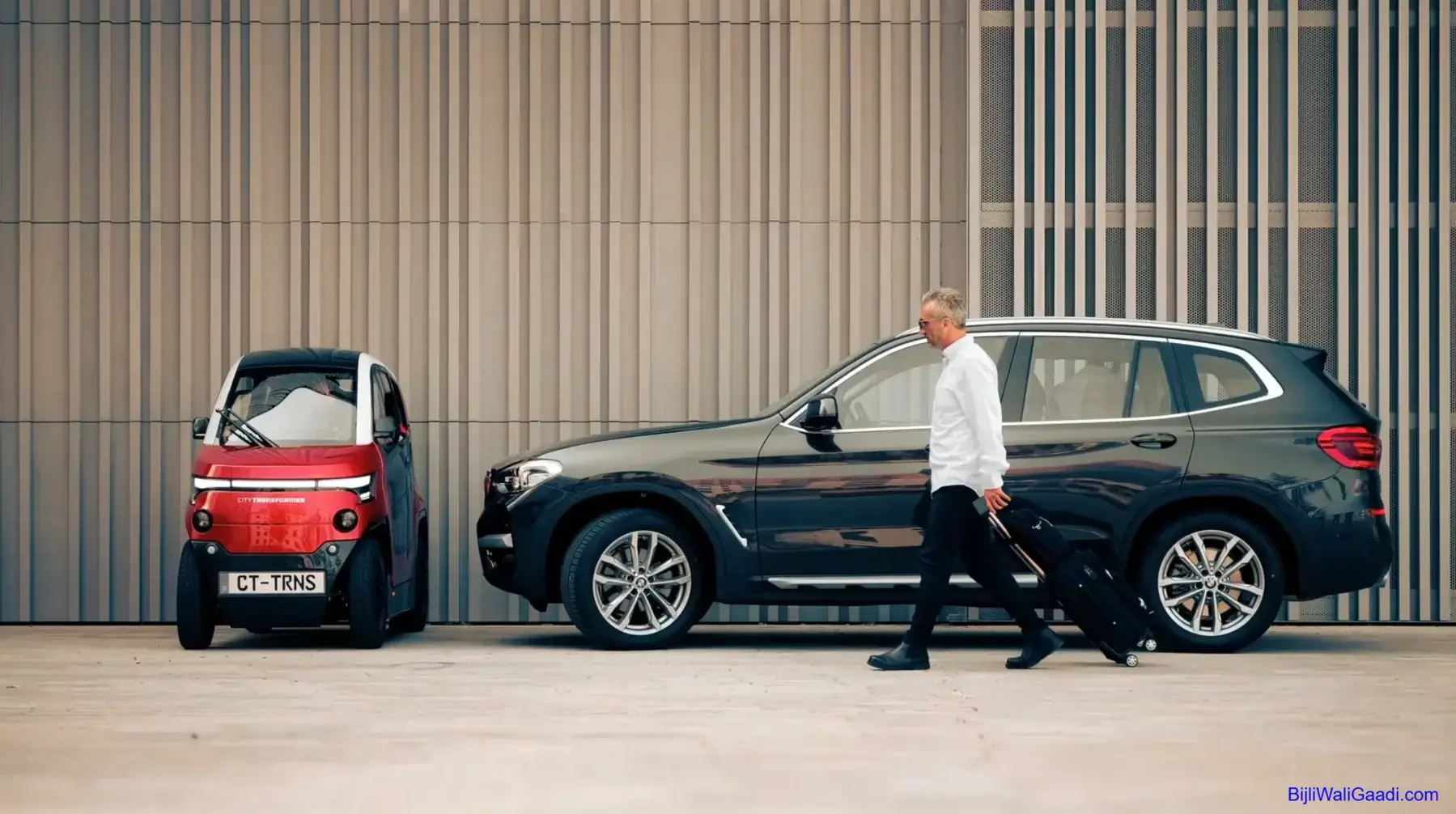
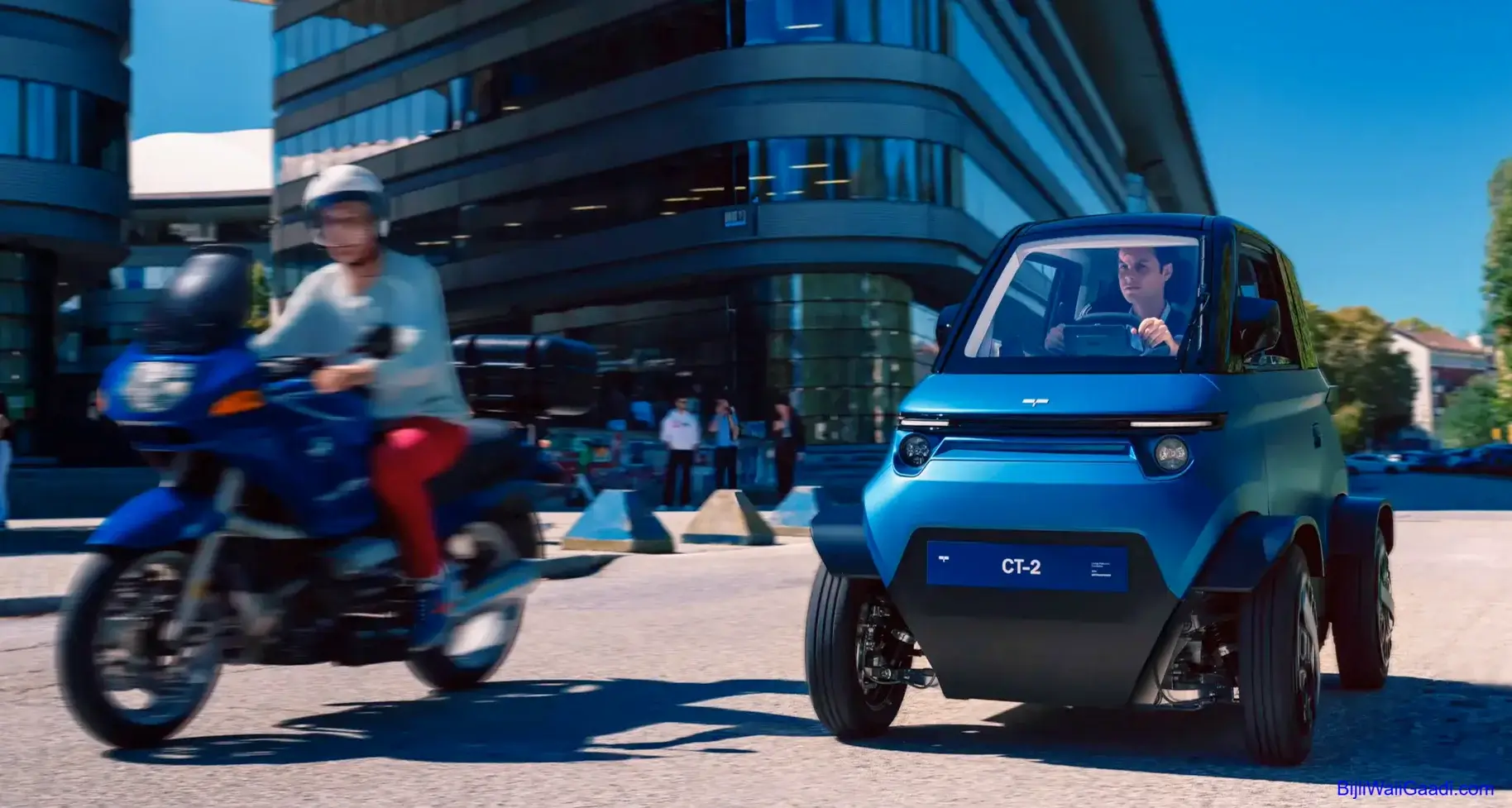
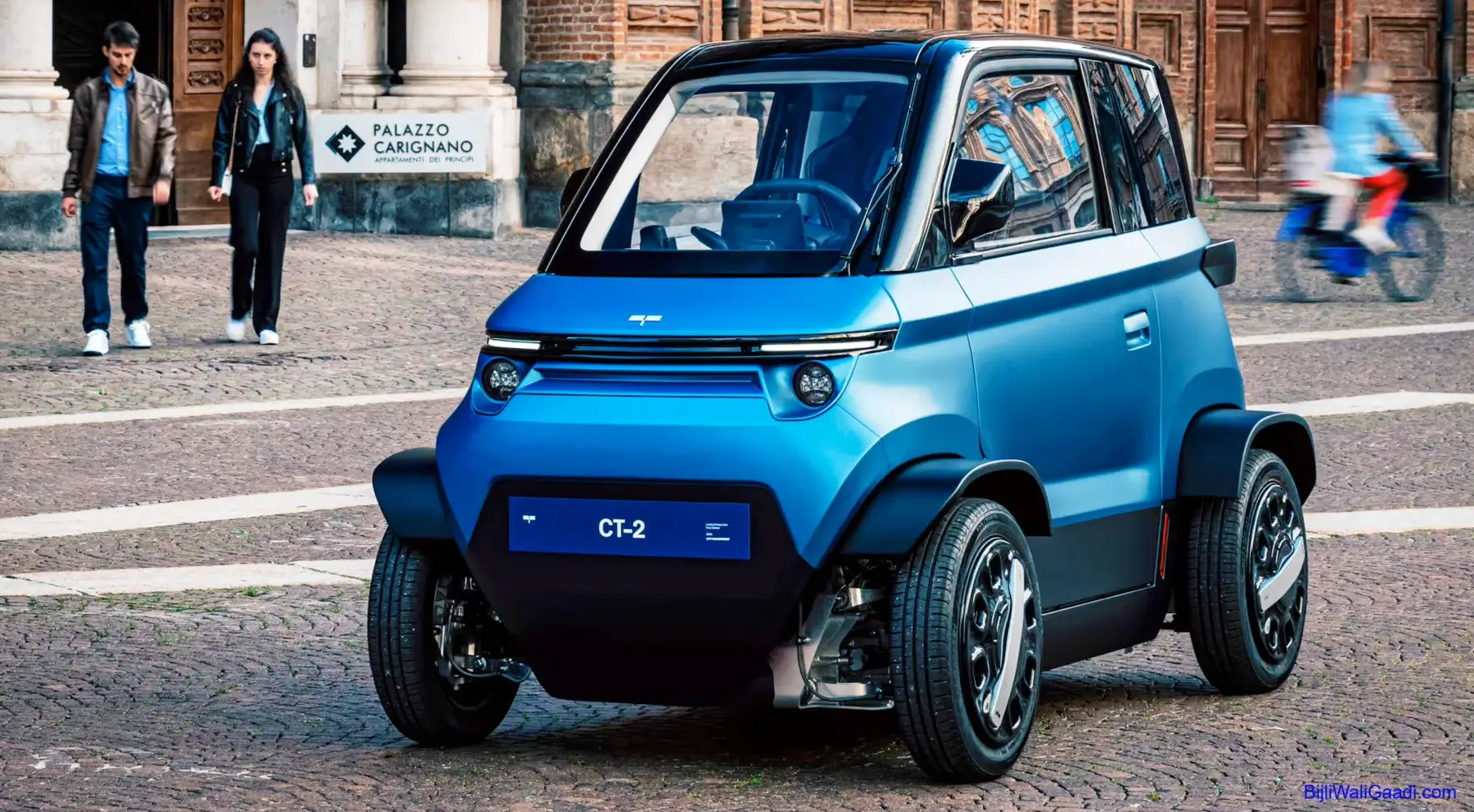
| City Transformer CT-2 | Upcoming/pre-production | Active folding wheel-track system that narrows the vehicle in City mode |
Microlino is offered with 5.5 kWh (up to 93 km WMTC), 10.5 kWh (up to 177 km WMTC), and 15 kWh (up to 228 km) packs. The 90 km/h L7e version — not to be confused with the slower 45 km/h “Microlino Lite” (L6e) — starts from about €19,990 in the referenced European market, before market-specific options/taxes; prices vary by market. (“Microlino 2.0” was the name used during early development — it’s simply “Microlino” now.)
Mobilize Duo comes as the 45 km/h L6e “Duo 45 Neo” (from €9,990) or the 80 km/h L7e “Duo 80 Evo” (~€12,500 in Italian-market listings) — don’t confuse the two prices.
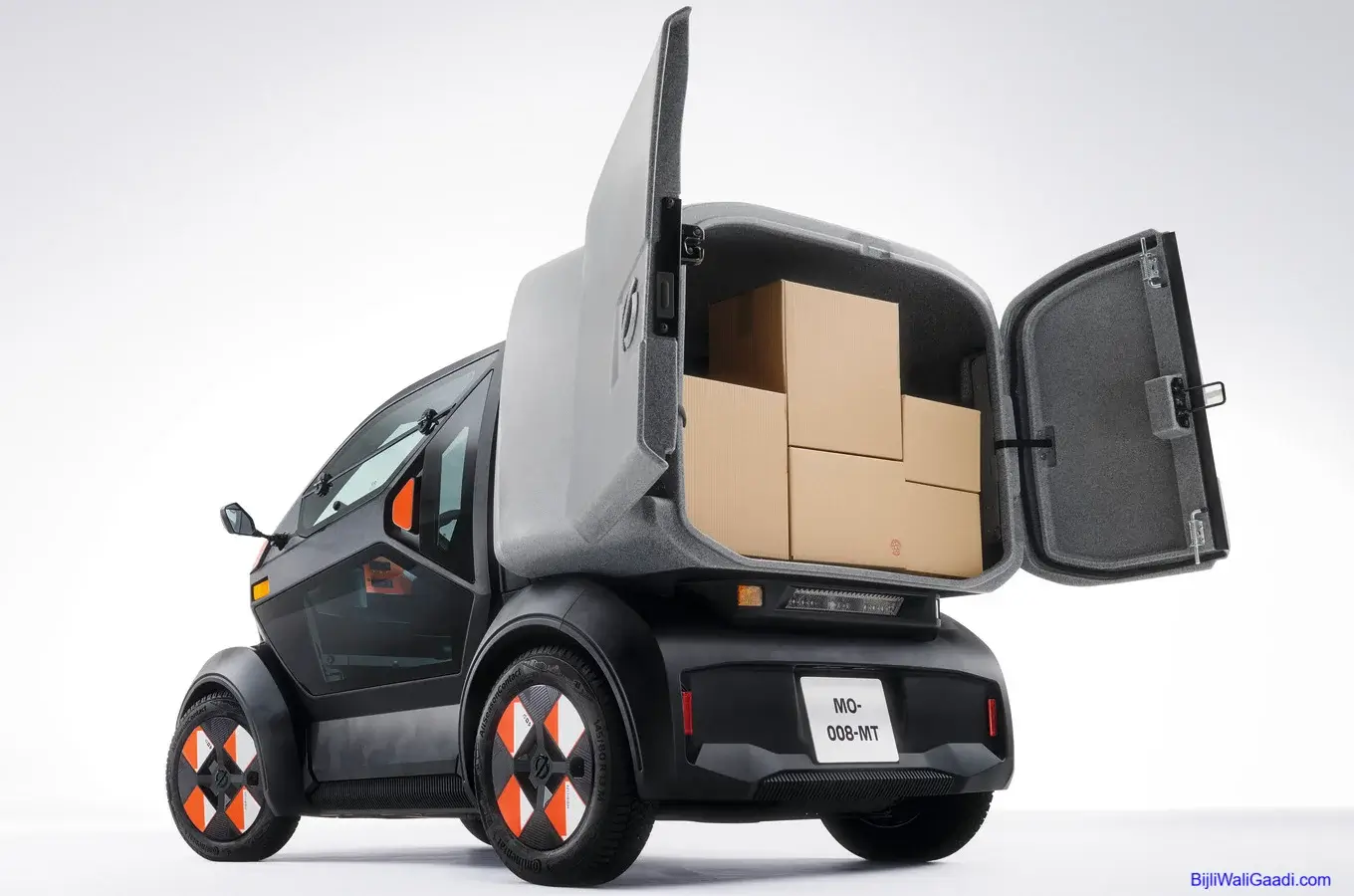
Silence S04 L7e pricing has been published around €11,680 in a Spanish-market battery-subscription configuration; buying the battery outright costs more. Its batteries are removable and swappable, though exact charging time depends on the method used rather than one confirmed figure.
XEV Yoyo is quoted up to 90 km/h on the manufacturer’s current site, though some market-specific homologations use 80 km/h — check the version. Battery swaps are a network capability, so practical access depends on local swap-station availability.
City Transformer CT-2 remains pre-production. The company currently projects mass production for H2 2027, with first customer deliveries toward the end of 2027 (earlier communications referenced Q4 2026, so treat timing as subject to change). Confirmed so far: 15 kW power, a 120–180 km claimed range, 90 km/h in Performance mode / 40 km/h in City mode, and a variable width from roughly 1.0 m (City) to 1.3 m (Performance). Battery capacity and production weight are not yet confirmed — the 590 kg figure sometimes cited belongs to the older CT-1 prototype and shouldn’t be read as a CT-2 spec.
Comparison Table Of Different L7e Category Vehicles
| Model | Category | Seating | Power | Battery | Range | Top speed | Weight | Price / status |
| Microlino (10.5 kWh) | L7e | 2 | 12.4 kW | 10.5 kWh | Up to 177 km (WMTC) | 90 km/h | ~513 kg (published) | From ~€19,990, market-specific |
| Mobilize Duo 80 Evo | L7e | 2 (tandem) | 12 kW | ~10.3 kWh | Up to ~160 km | 80 km/h | Not confirmed | From ~€12,500, market-specific |
| Silence S04 | L7e | 2 (staggered) | 14 kW (22 kW peak) | 11.2 kWh (2×5.6) | Up to 149 km (WMTC) | 85 km/h | 525 kg | ~€11,680, Spanish-market subscription configuration |
| XEV Yoyo | L7e | 2 | 15 kW | ~10.3 kWh (LFP) | Up to 150 km | Up to 90 km/h, market/version dependent | Not confirmed | From €16,990, market-specific |
| City Transformer CT-2 | L7e | 2 (1+1) | 15 kW nominal | Not yet confirmed | 120–180 km, claimed | 90 km/h Performance / 40 km/h City | Not yet confirmed | ~€16,000 First Edition/pre-order; upcoming/pre-production |
All prices are market-specific and not Indian retail prices. Published weights are manufacturer figures, distinct from the EU L7e “mass in running order” used for classification.
L6e vs. L7e: The Real Difference
| Specification | L6e (Light) | L7e (Heavy) |
| Mass in running order | Up to 425 kg | Up to 450 kg for passenger transport |
| Power | Depends on sub-category; enclosed L6e-B up to 6 kW continuous | Up to 15 kW in applicable passenger-oriented sub-categories |
| Top speed | 45 km/h | Depends on L7e sub-category/model; many models in this article reach 80–90 km/h |
| Licence | Often AM (moped-class); age rules vary | Nationally determined — B1, B or another national entitlement may apply |
L7e vehicles aren’t simply “smaller M1 cars” either — their crash-protection requirements come from a different type-approval framework, not the M1 passenger-car standard, so they shouldn’t be assumed to offer equivalent crash protection. Motorway/expressway access, similarly, depends on national road rules rather than the vehicle’s category alone.
Would L7e Quadricycles Work in Indian Metros?
An 80–90 km/h L7e vehicle is substantially more capable than a 45 km/h L6e microcar on faster urban and regional roads — but whether that’s enough for Mumbai’s major urban corridors or Delhi’s ring roads depends on the specific road, traffic, and access rules, not the category alone. Their narrow dimensions could still help with parking and space efficiency in dense metro cores, and the Silence/XEV swap systems could dovetail with India’s growing two- and three-wheeler swap infrastructure.
The harder comparison is against something like the MG Comet EV — a conventional four-seat passenger car under India’s passenger-car type-approval framework, not an L7e quadricycle. India also has its own quadricycle rules (450 kg kerb weight, 15 kW, 70 km/h under the applicable CMVR framework) that are distinct from — not equivalent to — the EU’s L7e classification. None of the five vehicles above has an established India homologation or sales program today, and their two-seat layouts would limit their practicality against four-seat options already available to Indian buyers.
Technical Verdict
- Best established option overall: Microlino — most mature lineup, multiple battery choices.
- Best value (correctly compared): Mobilize Duo 80 Evo, at its actual L7e price.
- Most inventive charging: Silence S04’s rolling trolley batteries.
- Most manufacturing-forward: XEV Yoyo’s 3D-printed panels and swap network.
- Most ambitious, least proven: City Transformer CT-2 — genuinely novel folding chassis, but still pre-production with a 2027 delivery target.
FAQs
Stay connected via Google 'Electric Vehicle' News
Follow BijliWaliGaadi | India's Trusted EV Insights Portal
source on Google