Rheinmetall Curb Charger: The EV Charger You Can Barely See
Stay connected via Google 'Electric Vehicle' News
Follow BijliWaliGaadi | India's Trusted EV Insights Portal
source on Google
Rheinmetall Curb Charger | Rheinmetall EV Charger | 22 kW Curb Charger | CurbSwap | curb-integrated EV charger
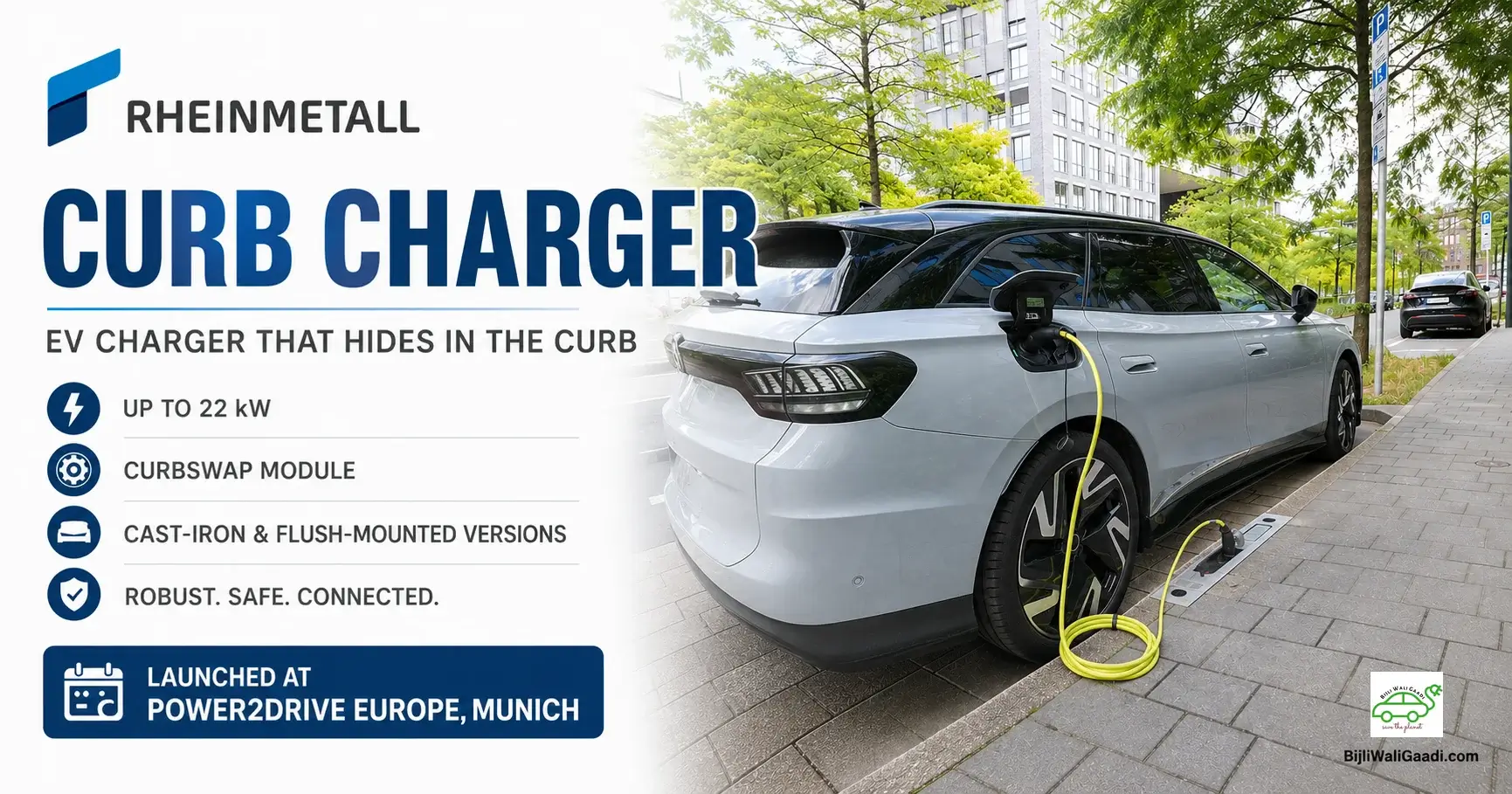
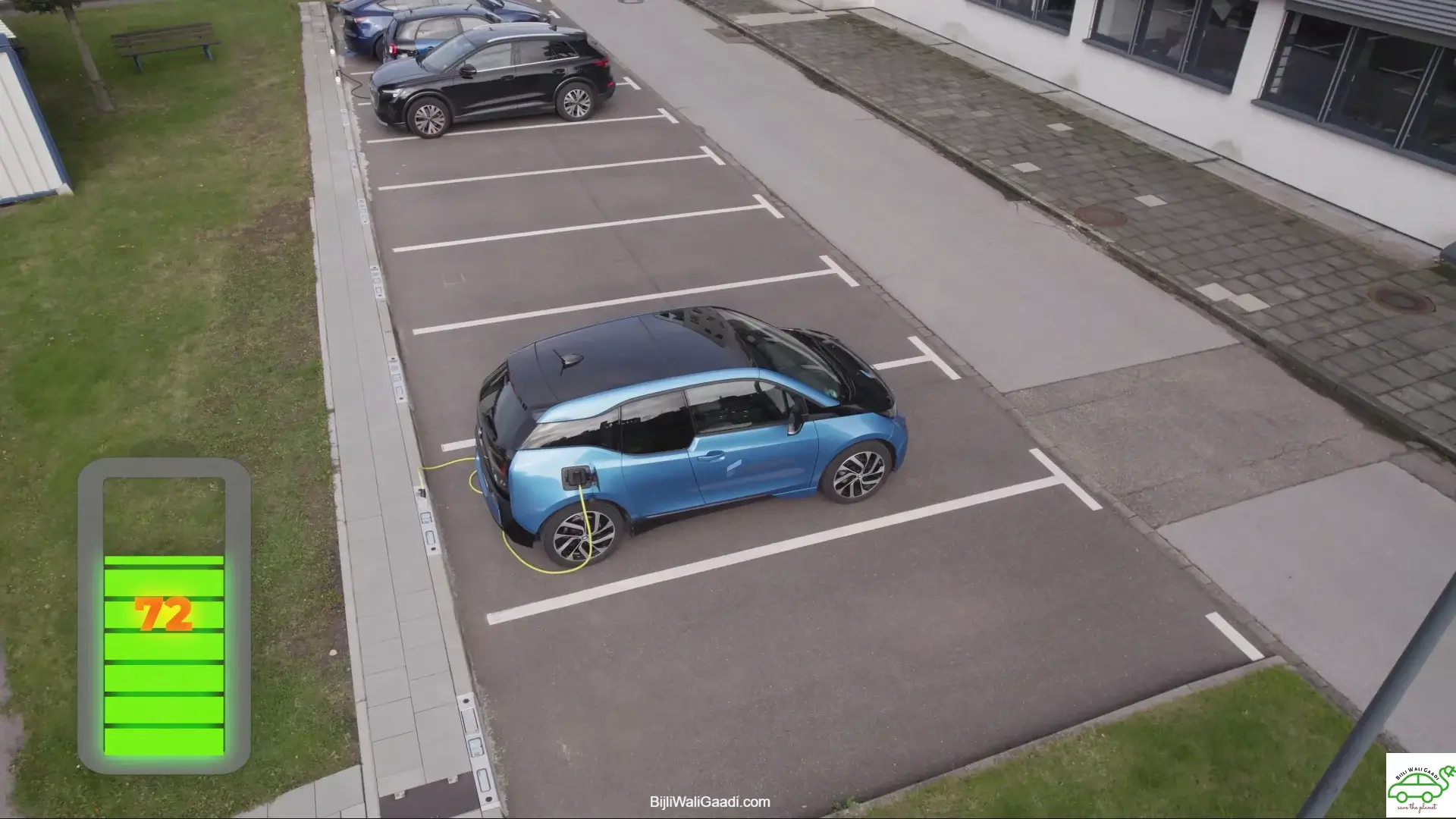
Imagine parking your EV on a city street and plugging in — without a single charging pole in sight. Just a curb. That’s the idea behind Rheinmetall‘s Curb Charger, developed by subsidiary Pierburg, and in June 2026 the company took it further with two new versions at Power2Drive Europe in Munich.
What Did Rheinmetall Reveal About the Curb Charger at Power2Drive Europe in June 2026?
From 23 to 25 June 2026, Pierburg presented new Curb Charger variants at Power2Drive Europe in Munich. Until now offered only with a standard concrete curb, the Curb Charger is now also available as a cast-iron version and a flush-mounted version.
| New version | What is different? | Main application |
| Cast-iron Curb Charger | Robust cast-iron, space-saving, manhole-cover-like look; concrete-grey finish available | Urban / space-constrained curbside charging |
| Flush-mounted Curb Charger | Flush, drive-over installation, no bollards, replaceable electronic module | Logistics sites and fleet vehicles |
What Is the Rheinmetall Curb Charger?
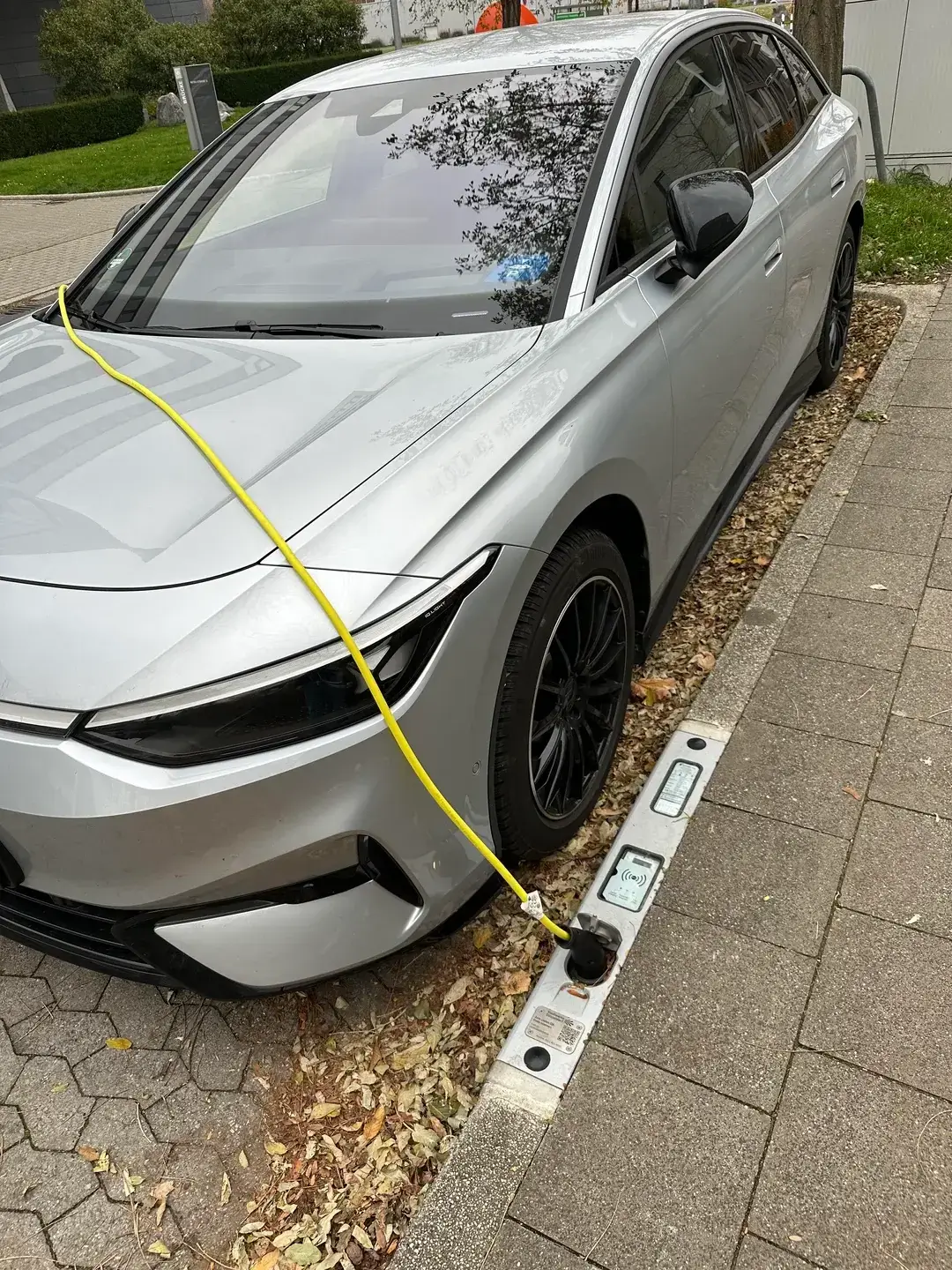
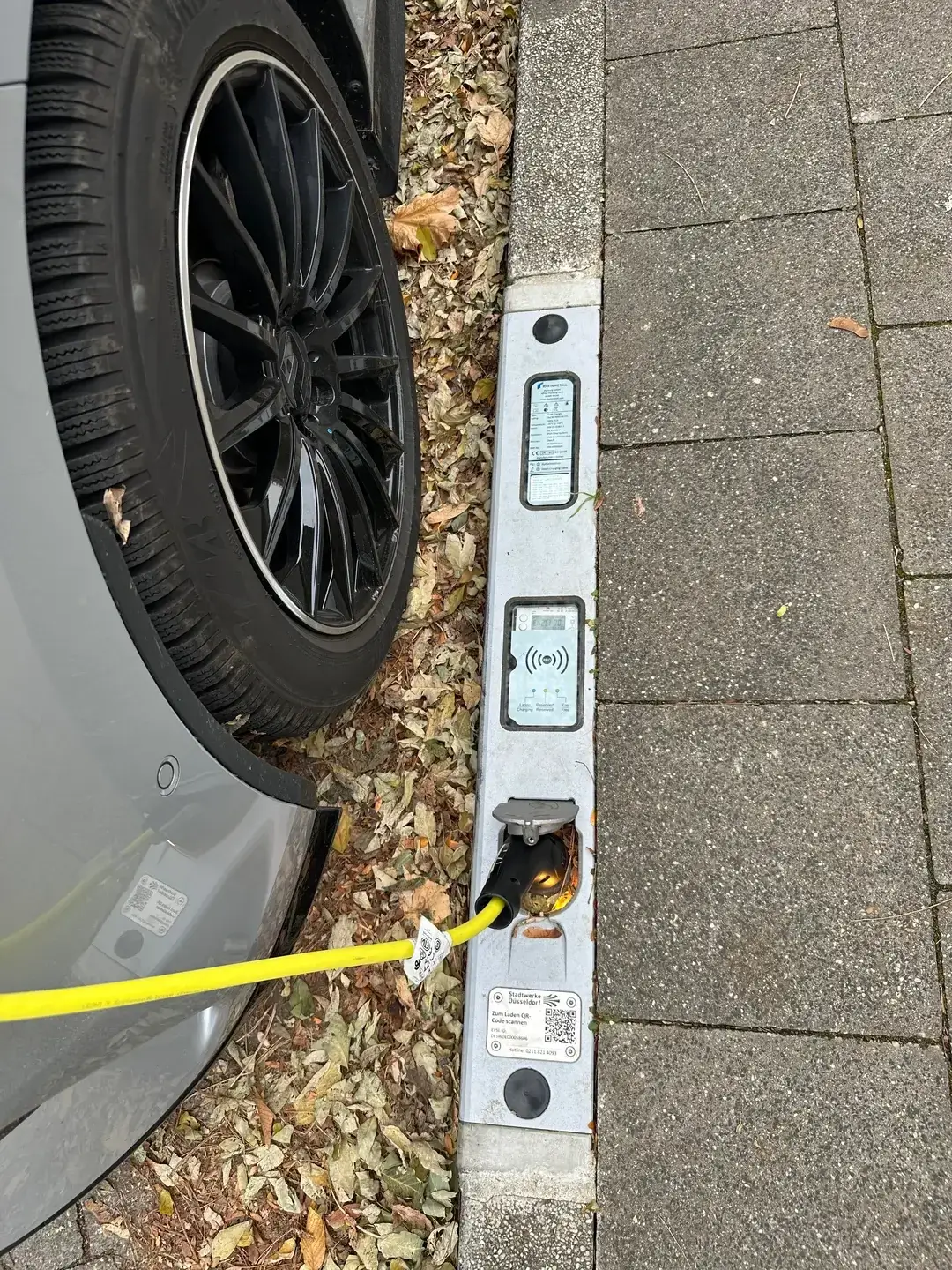
The Rheinmetall Curb Charger is a curb-integrated EV charging system delivering up to 22 kW per point. Rheinmetall positions it as an alternative to conventional charging stations that reuses existing infrastructure, addressing space requirements, low charging-point density, visual impact, and installation costs tied to standalone pillars.
Is the Rheinmetall Curb Charger Really an “Underground EV Charger”?
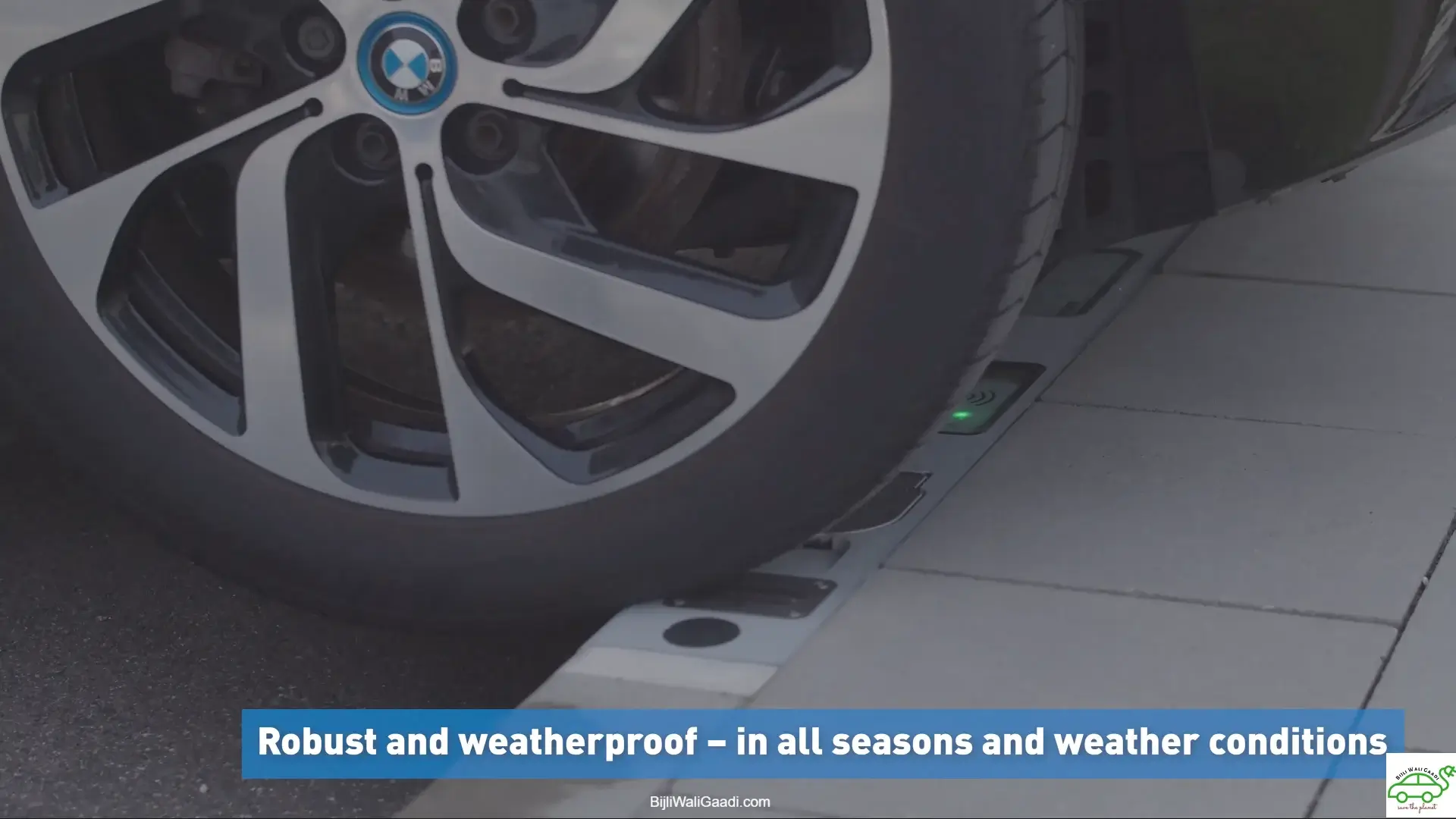
Not literally. The electronics of the Rheinmetall Curb Charger sit inside a curb-height housing, flush with the curb line, with a socket flap that unlocks for the driver — the unit isn’t buried metres underground like a utility cable. “Curb-integrated EV charger” is the technically accurate term for this product; “underground EV charger” is simply how many people search for the broader concept of a hidden or low-visibility charger.
How Does the Rheinmetall Curb Charger Work?
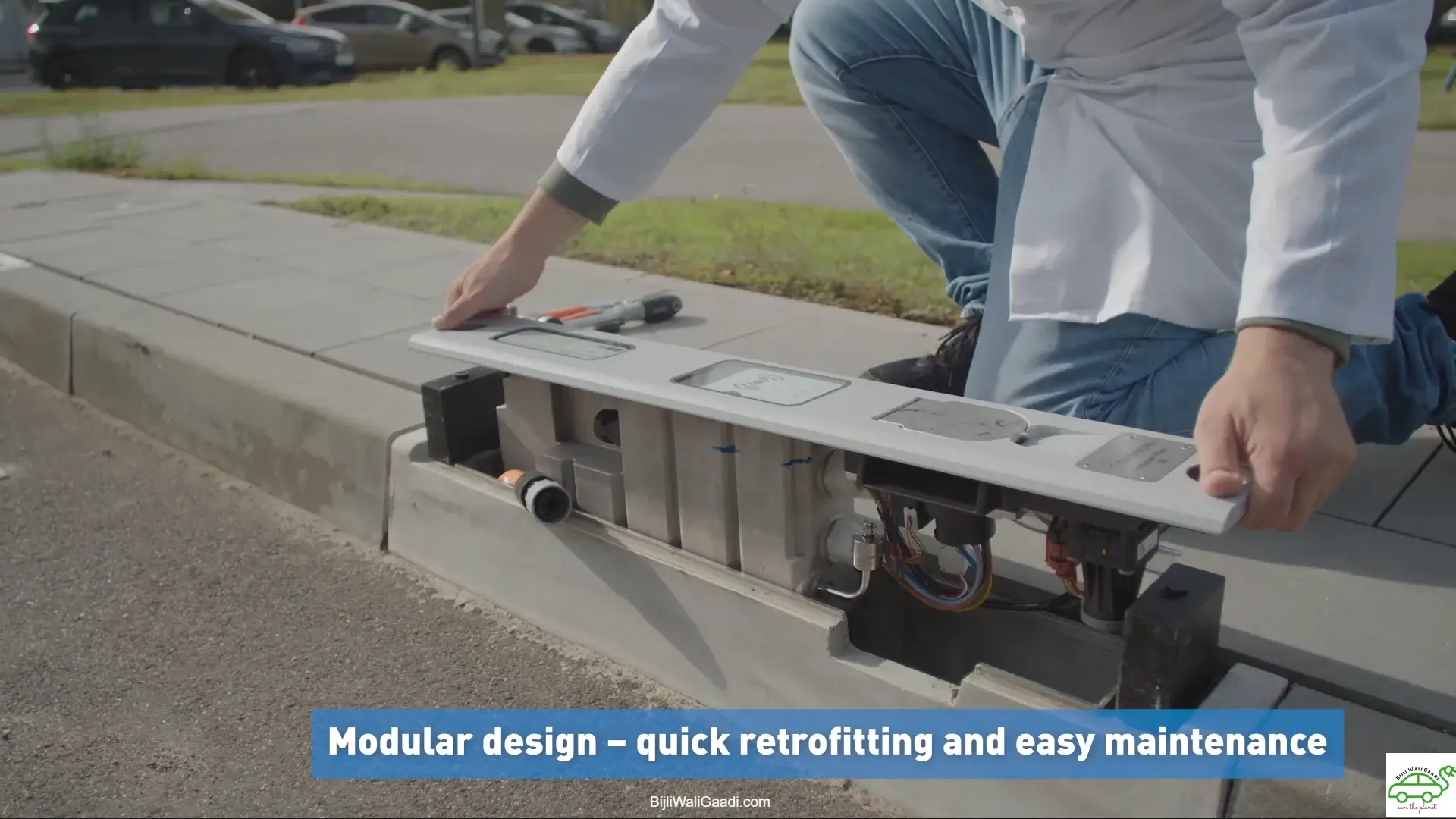
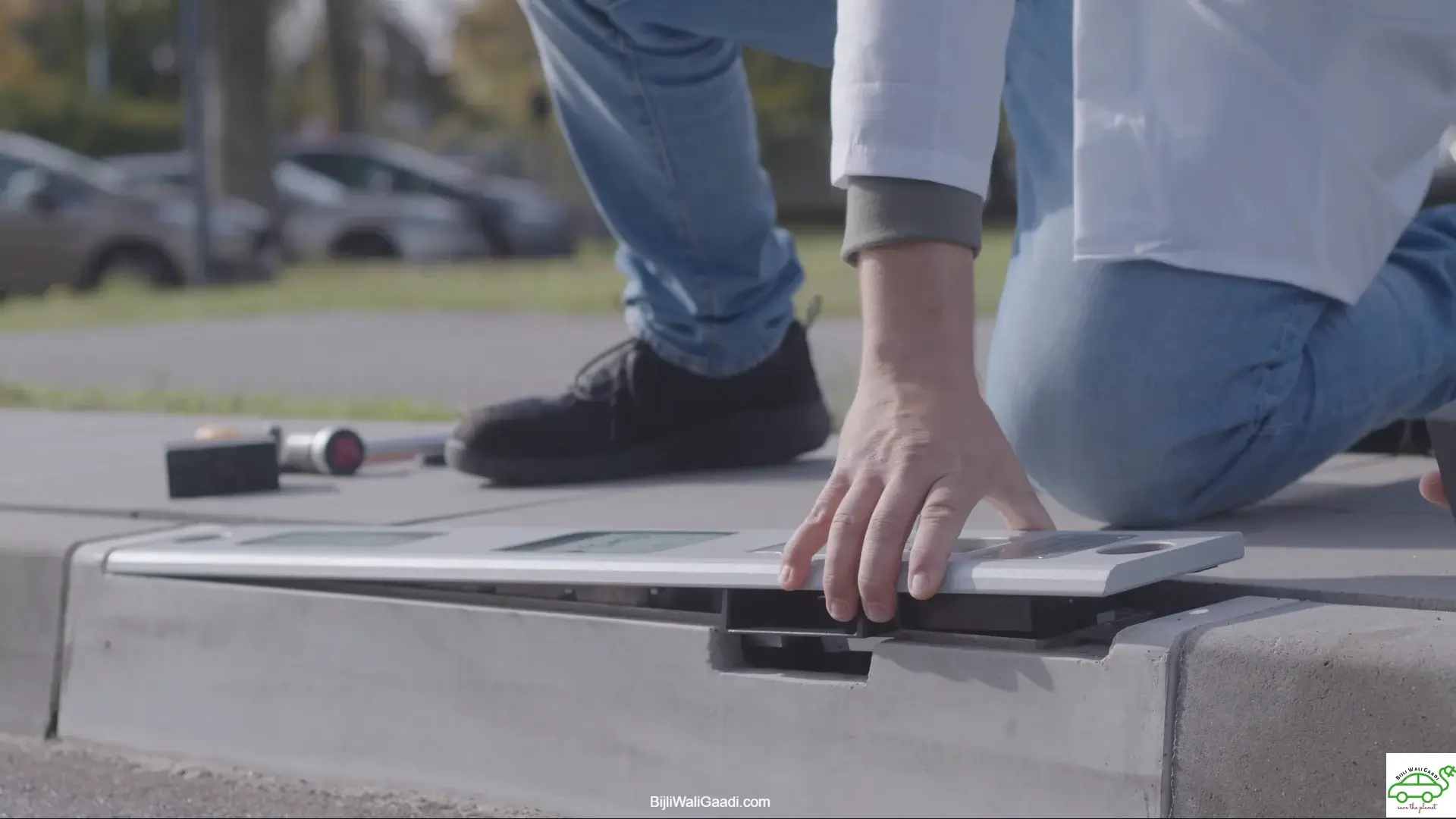
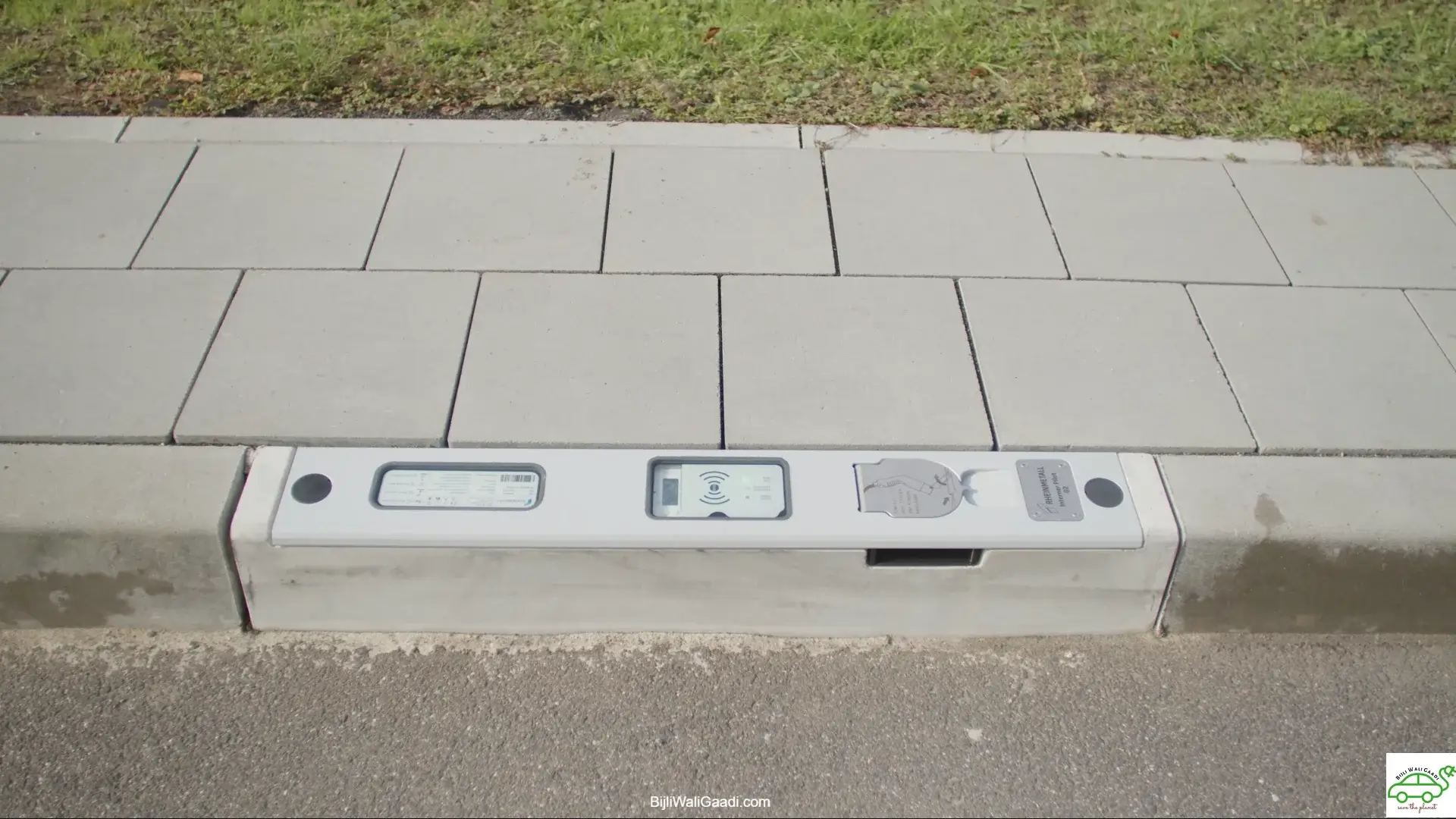
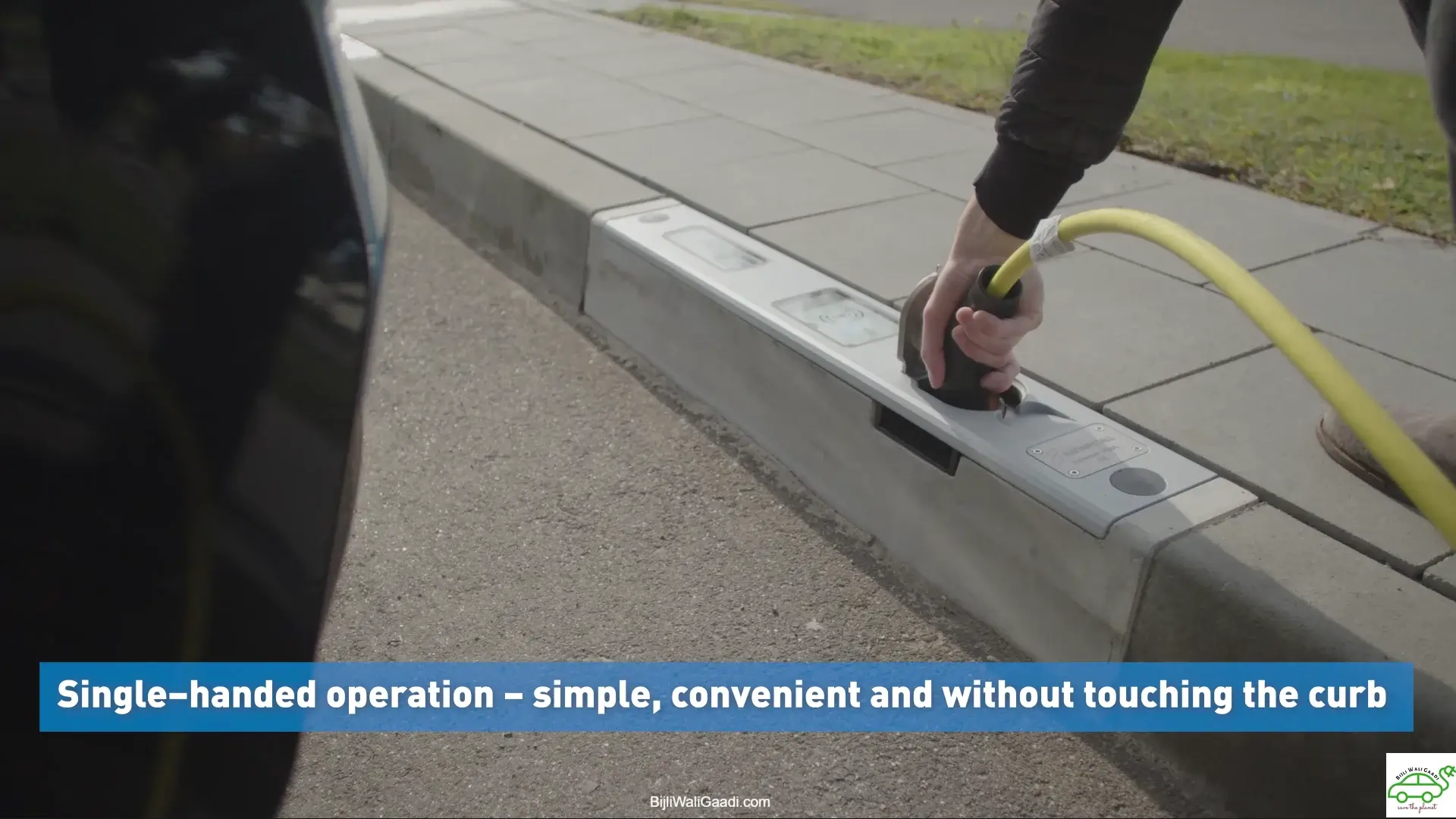
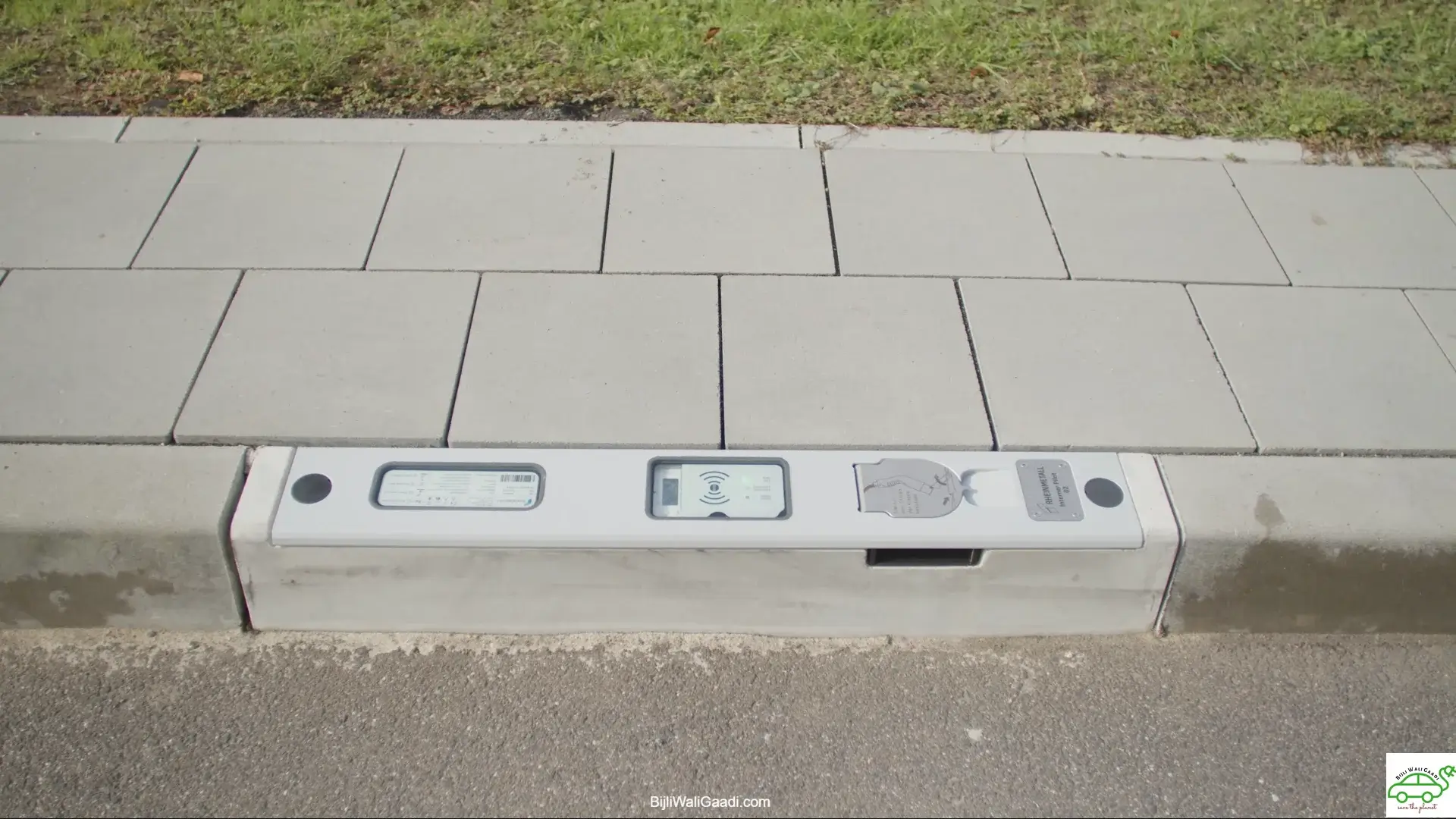
1. A concrete curb (other sizes available on request) houses the charging unit.
2. A replaceable electronic module — stainless steel and aluminium — sits inside.
3. The driver authorises via open charging, RFID, QR code, or the operator app.
4. The socket unlocks; the driver connects a Type 2 (Case B) cable, and Mode 3 charging (IEC 61851-1) begins.
5. Onboard cooling, heating, and monitoring manage the session with intelligent load management.
6. Session data reaches backend systems over 4G/Ethernet via OCPP 1.6.

Rheinmetall Curb Charger Specifications at a Glance
| Specification | Rheinmetall Curb Charger |
| Charging mode / connector | Mode 3 (IEC 61851-1), Type 2, Case B |
| Maximum charging power | Up to 22 kW per point |
| Authorization | Open charging, RFID, QR code, operator app |
| IP rating | IP54 (entire system); IP68 (encapsulated electronic unit) |
| IK rating / dimensions / weight | IK10; ~1,000 × 250 × 120/150 mm; ~80 kg |
| Fault protection | 6 mA DC fault detection; Type 2 + Type 3 surge protection |
| Connectivity | Integrated 4G modem, Ethernet, RFID; OCPP 1.6 backend |
| Energy meter | Externally readable, calibrated, MID-compliant |
Source: Rheinmetall’s official Curb Charger product page. Note the distinction: IP54 covers the entire system, while IP68 applies only to the encapsulated electronic unit — the two ratings aren’t interchangeable.
What Is CurbSwap and How Does It Simplify Curb Charger Maintenance?
CurbSwap is one of the Rheinmetall Curb Charger’s strongest differentiators. During larger civil works, “dummy curbs” without active electronics can go in first; the real electrical module (up to 22 kW) is fitted later and connected via a quick coupling to the low-voltage grid. For servicing, the module can be fully removed and swapped for a spare through the same coupling — cutting installation cost and minimising downtime per charging point. Rheinmetall does not publish an exact replacement-time figure.
Cast-Iron vs Flush-Mounted: How Do the Two New 2026 Curb Charger Versions Compare?
| Feature | Cast-Iron Curb Charger | Flush-Mounted Curb Charger |
| Appearance | Manhole-cover look; concrete-grey option | Flush, drive-over housing |
| Target use | Urban curbside charging | Delivery vans, short-haul lorries, fleets |
| Drive-over / no bollards | Not specified in source | Yes |
| Charging power | Up to 22 kW | 22 kW |

Why Does the Flush-Mounted Curb Charger Matter for Delivery Vans and Fleet Vehicles?
Delivery vans and short-haul lorries typically return to the same depot every day with long idle periods between shifts — exactly the pattern the flush-mounted Curb Charger was built for. Because the unit can be driven over and needs no bollards, vehicles can manoeuvre more freely in tight logistics yards, and the replaceable electronic module means faster servicing if a unit needs attention.
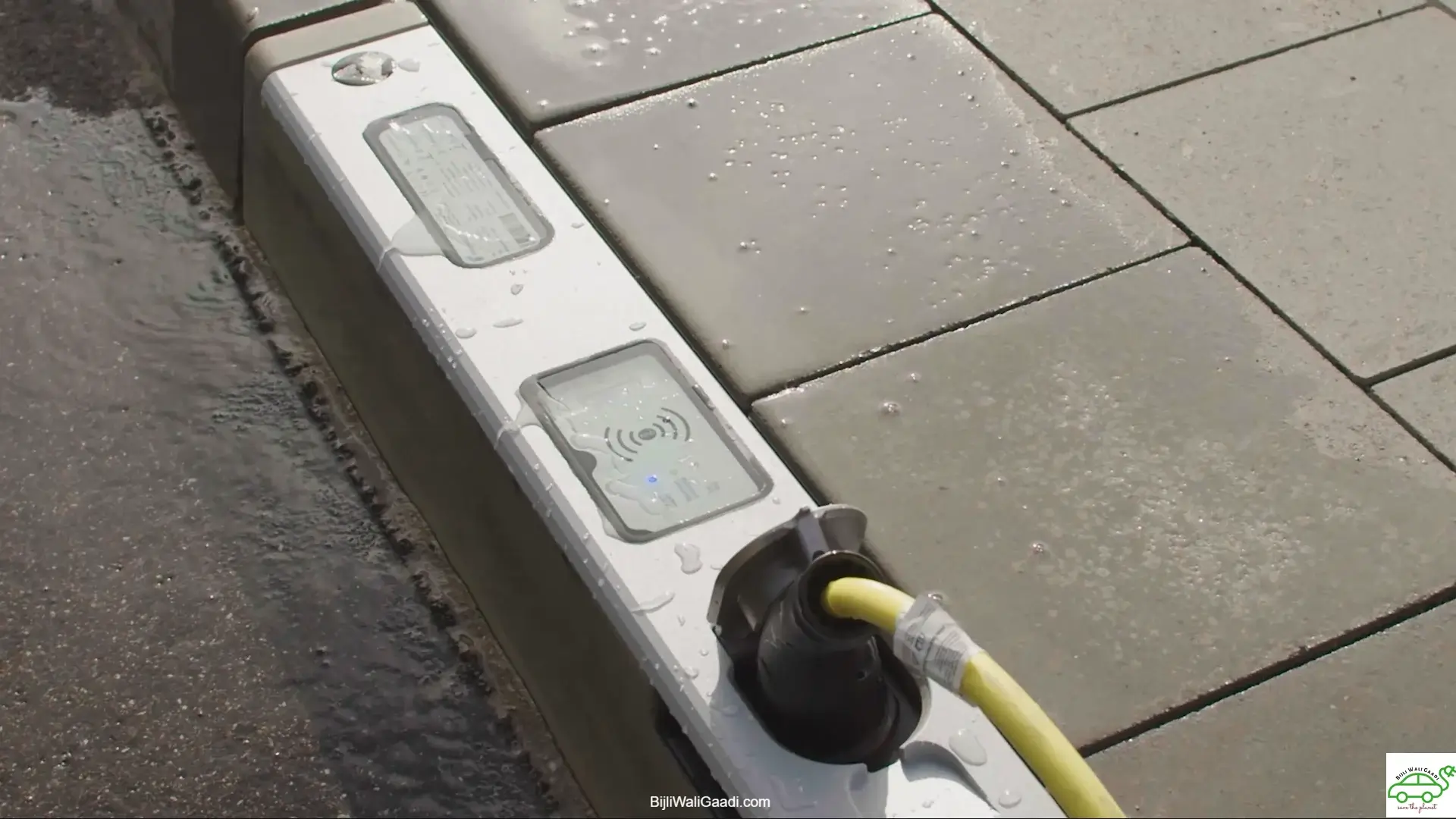
How Does the Rheinmetall Curb Charger Handle Rain, Heat, Cold and Electrical Faults?


| Condition/Risk | Protection | Purpose |
| High temperatures | Engineered cooling with heat dissipation, plus temperature monitoring | Prevents overheating, optimises charging performance |
| Sub-zero temperatures | Built-in heating system | Keeps the unit snow- and ice-free |
| Rain / water build-up | Sealed socket with drains, IP68-rated electronic unit, water-level sensor | Interrupts charging before the residual current device (RCD) trips |
| Electrical faults | 6 mA DC fault detection, Type 2 + Type 3 surge protection, contactor-welding and PE monitoring | Protects people, vehicles, and connected systems |
These are Rheinmetall’s own stated design features from official documentation, not results of independent third-party testing.
How Does the Rheinmetall Curb Charger Connect to the Digital Charging Network?
The Curb Charger uses an integrated 4G modem, Ethernet, and RFID, communicating with backend systems via the OCPP 1.6 protocol. Rheinmetall says this enables real-time charging-session data, customer reservations, charging-point status, and over-the-air software updates, with an LED display for status information and a calibrated, MID-compliant energy meter.
Where Is the Rheinmetall Curb Charger Already Installed in Germany?
Rheinmetall confirms installations in Cologne, Neuss, Düsseldorf, and Dortmund, with more ongoing elsewhere. The company also reports interest from municipalities, commercial and staff car-park operators, and other European and international markets. No specific unit counts or additional cities are confirmed in the sources reviewed.
How Much Does the Rheinmetall Curb Charger Cost?
Rheinmetall has not disclosed a public retail price for the Curb Charger in the official material reviewed for this article. Actual project cost would realistically depend on civil works, grid connection requirements, and installation scale — but no figures for any of these are published, so none are estimated here.
How Fast Can the Rheinmetall Curb Charger Charge an EV?
The Curb Charger delivers up to 22 kW via Mode 3 AC charging through a Type 2 connector — Rheinmetall’s official material does not describe this as DC fast charging. Real-world charging time depends on the EV’s battery capacity, its onboard AC charging limit, state of charge, and ambient temperature; no official 0–100% charging-time figure is published.
The Bigger Question: Could Charging Stations Disappear Into the Street?
The real story here isn’t just 22-kW charging — plenty of chargers offer that. It’s about where the charger lives. Instead of adding another pole to an already crowded street, Rheinmetall is folding the charging point into infrastructure that’s already there. Whether that approach scales beyond four German cities will depend on installation economics and grid access at scale.
Frequently Asked Questions About the Rheinmetall Curb Charger
Stay connected via Google 'Electric Vehicle' News
Follow BijliWaliGaadi | India's Trusted EV Insights Portal
source on Google