Lexus ES 350h Review: Is This ₹66 Lakh Strong-Hybrid Worth Skipping German Rivals?
Stay connected via Google 'Electric Vehicle' News
Follow BijliWaliGaadi | India's Trusted EV Insights Portal
source on Google
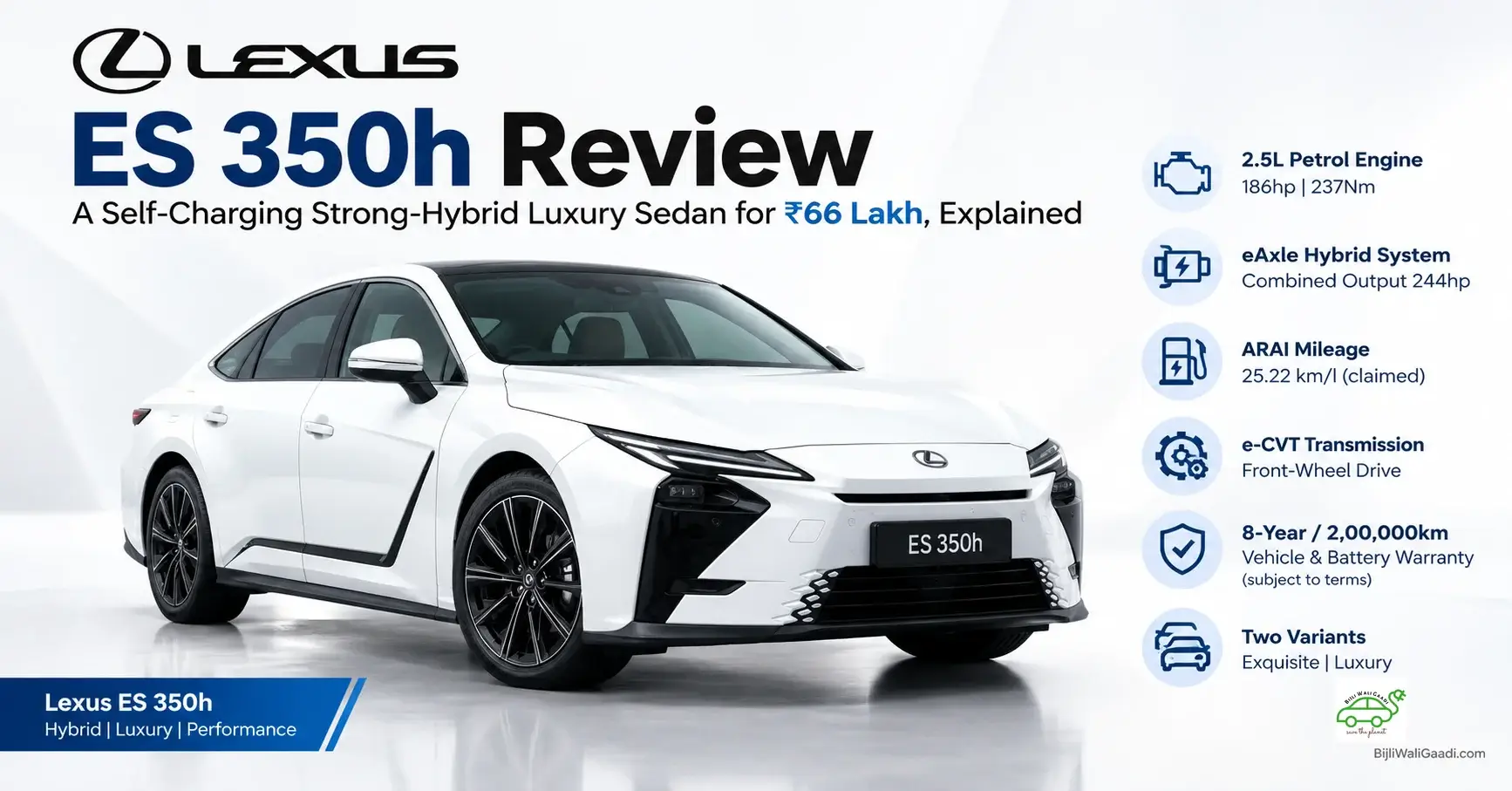
Quick Take: The Lexus ES 350h is a locally-manufactured, self-charging strong-hybrid sedan priced from ₹66.10 lakh (Exquisite) to ₹71.80 lakh (Luxury), ex-showroom, subject to change. It pairs a 2.5-litre four-cylinder petrol engine with an eAxle-based electric motor for a claimed 244hp output via an e-CVT, needs no external charging, carries a claimed ARAI efficiency of 25.22 km/l, and comes with an 8-year/2,00,000km vehicle-and-battery warranty, subject to Lexus’s terms.
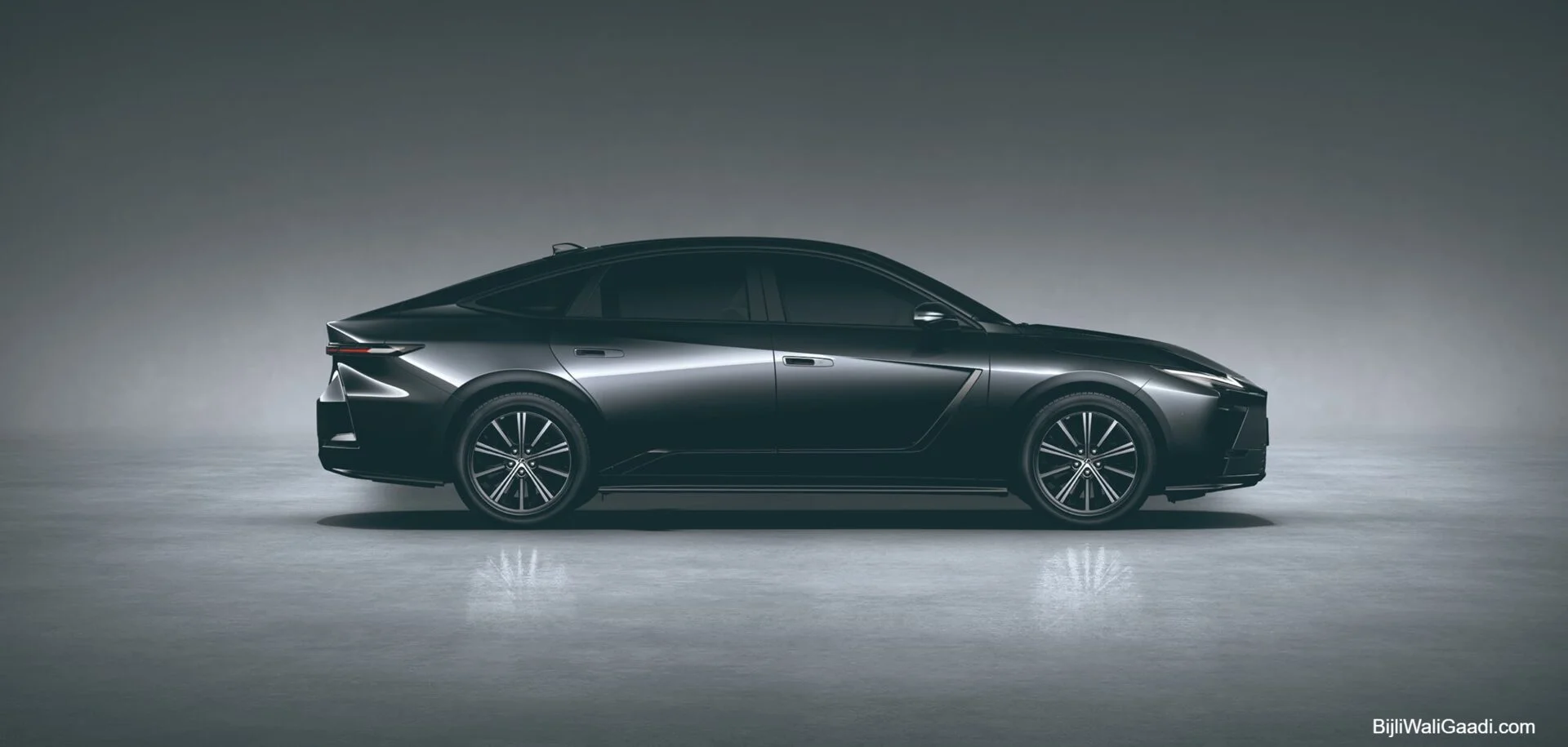
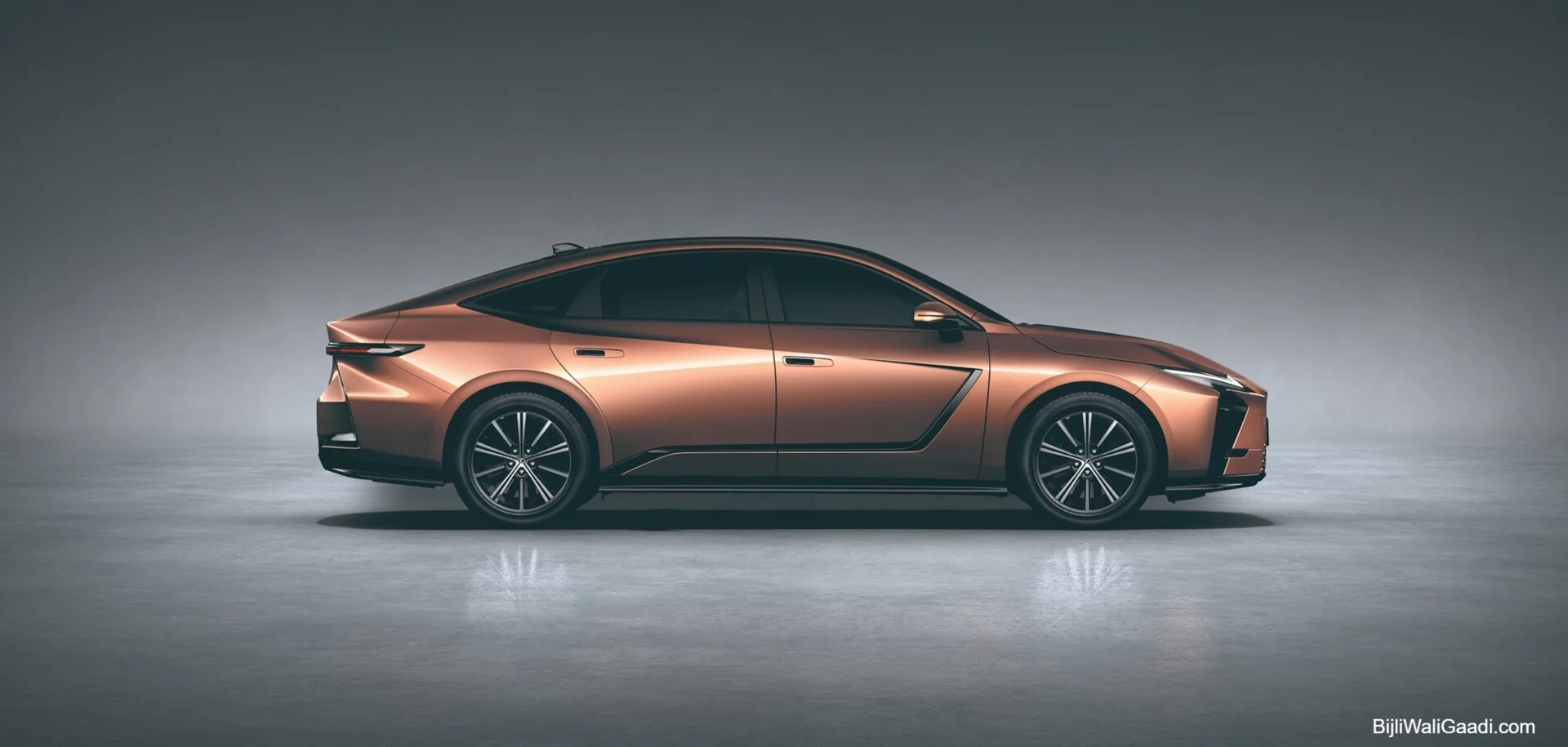
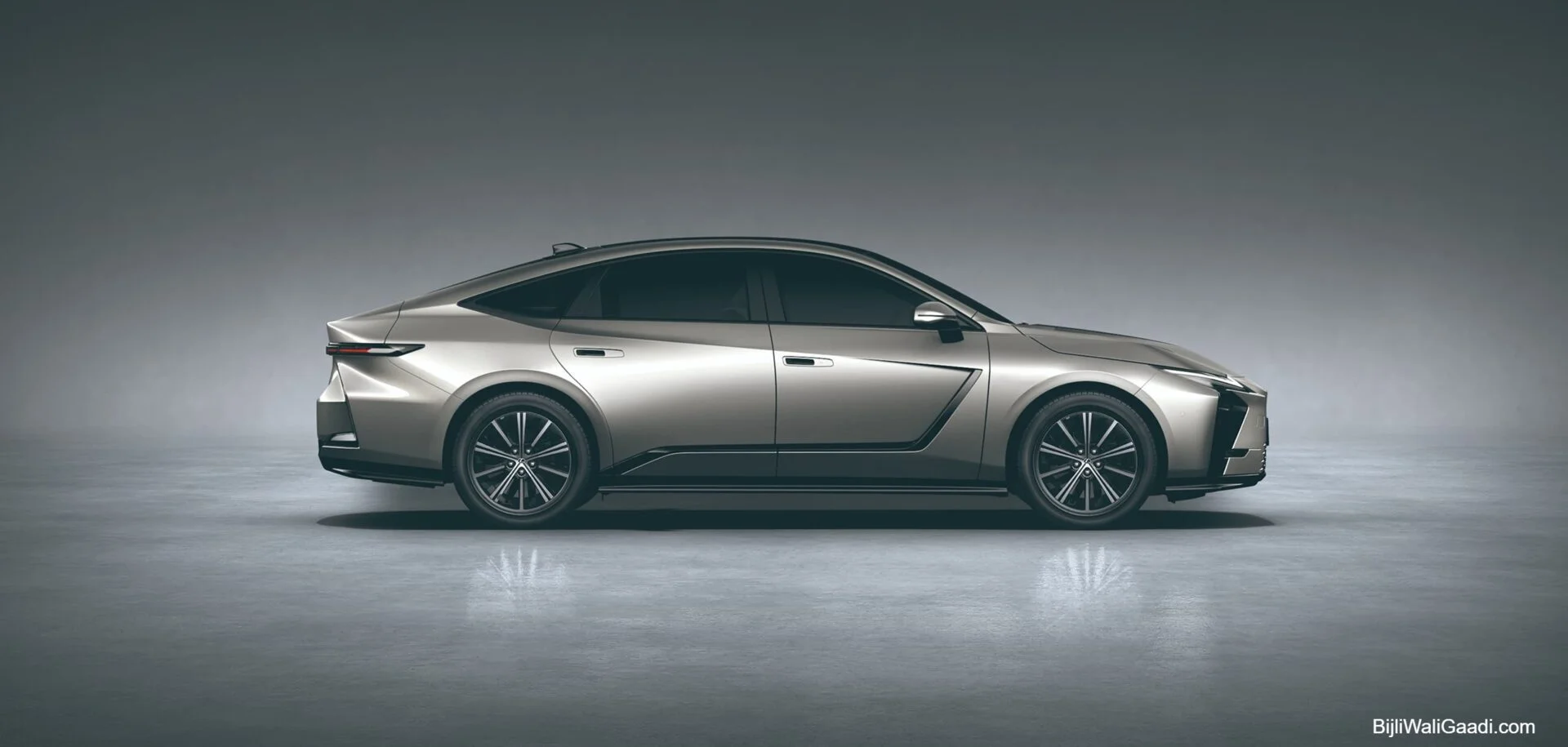
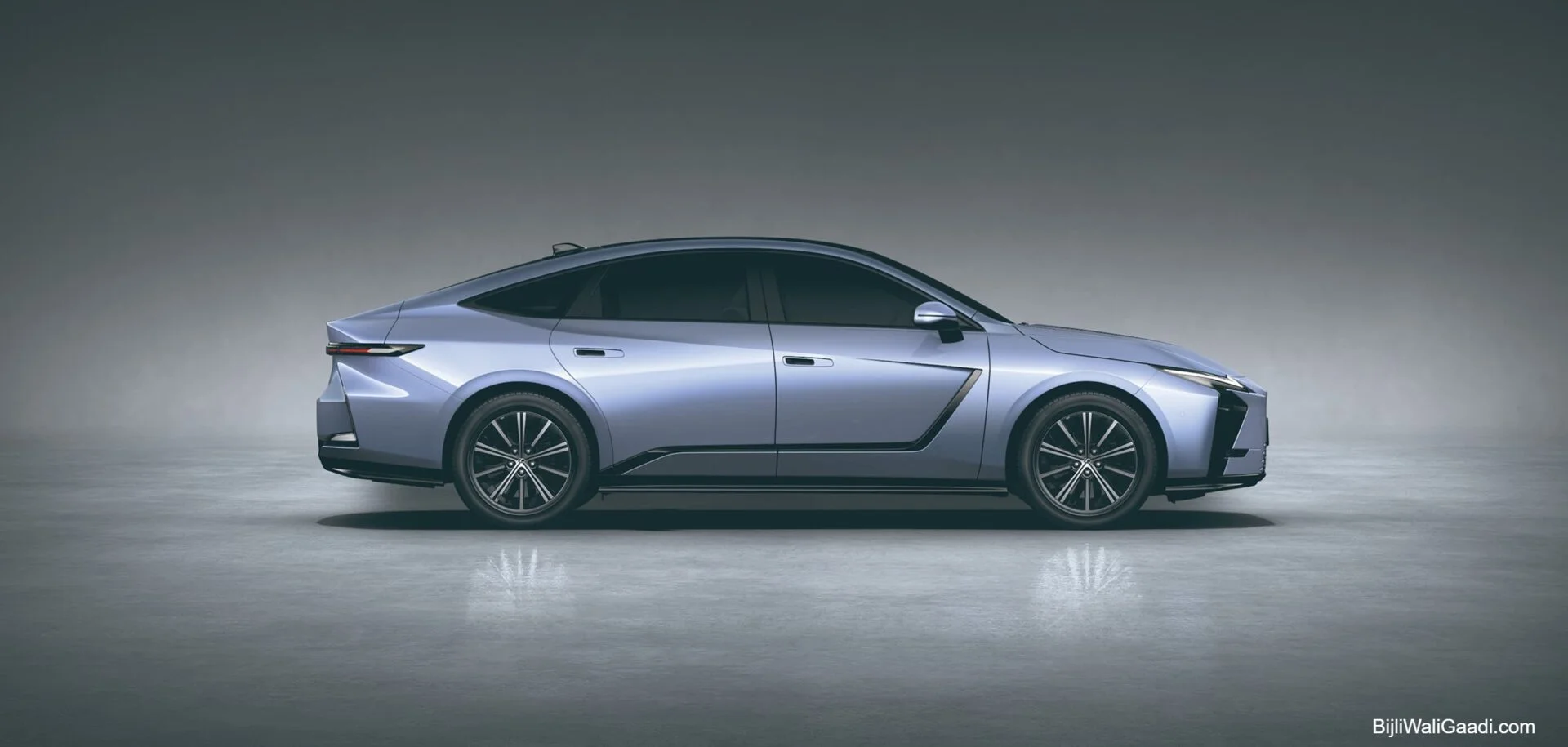
Lexus India launched the eighth-generation ES 350h and opened bookings in July 2026, with the model subsequently highlighted in August as it entered the Indian market. It sits alongside the fully electric ES 500e in Lexus’s electrified push for India.
What Variants Does the Lexus ES 350h Come in and What Do They Cost?
Two trims are offered, both ex-showroom and subject to change. They share the same hybrid powertrain and core Lexus Safety System+ suite; Luxury adds a Driver Monitor function and other higher-spec equipment, and the full feature list isn’t identical across trims. Both grades are locally manufactured, part of the model’s India-market positioning.
| Variant | Price (ex-showroom) | Key Difference |
| ES 350h Exquisite | ₹66.10 lakh | Base equipment; shared hybrid powertrain and safety suite |
| ES 350h Luxury | ₹71.80 lakh | Adds Driver Monitor function and other higher-end equipment |
What Is the Lexus ES 350h’s Hybrid Powertrain and How Does the eAxle Work?
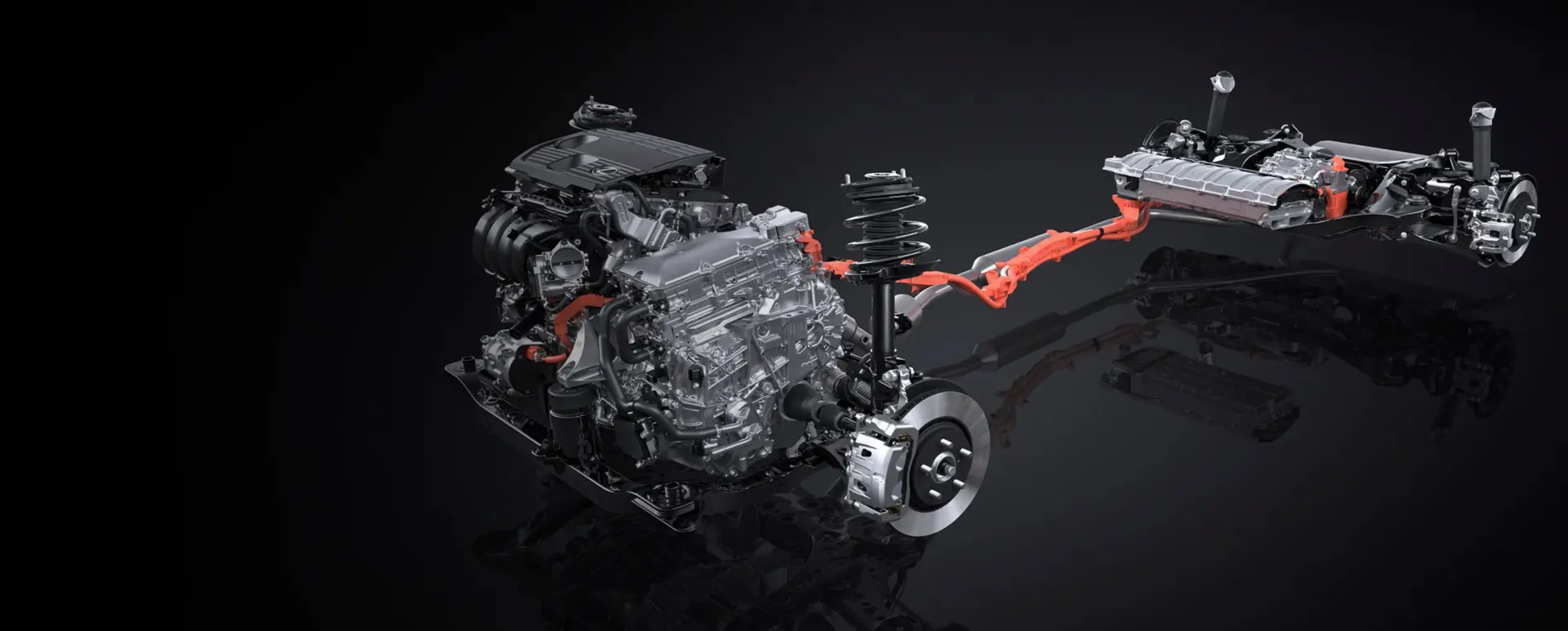
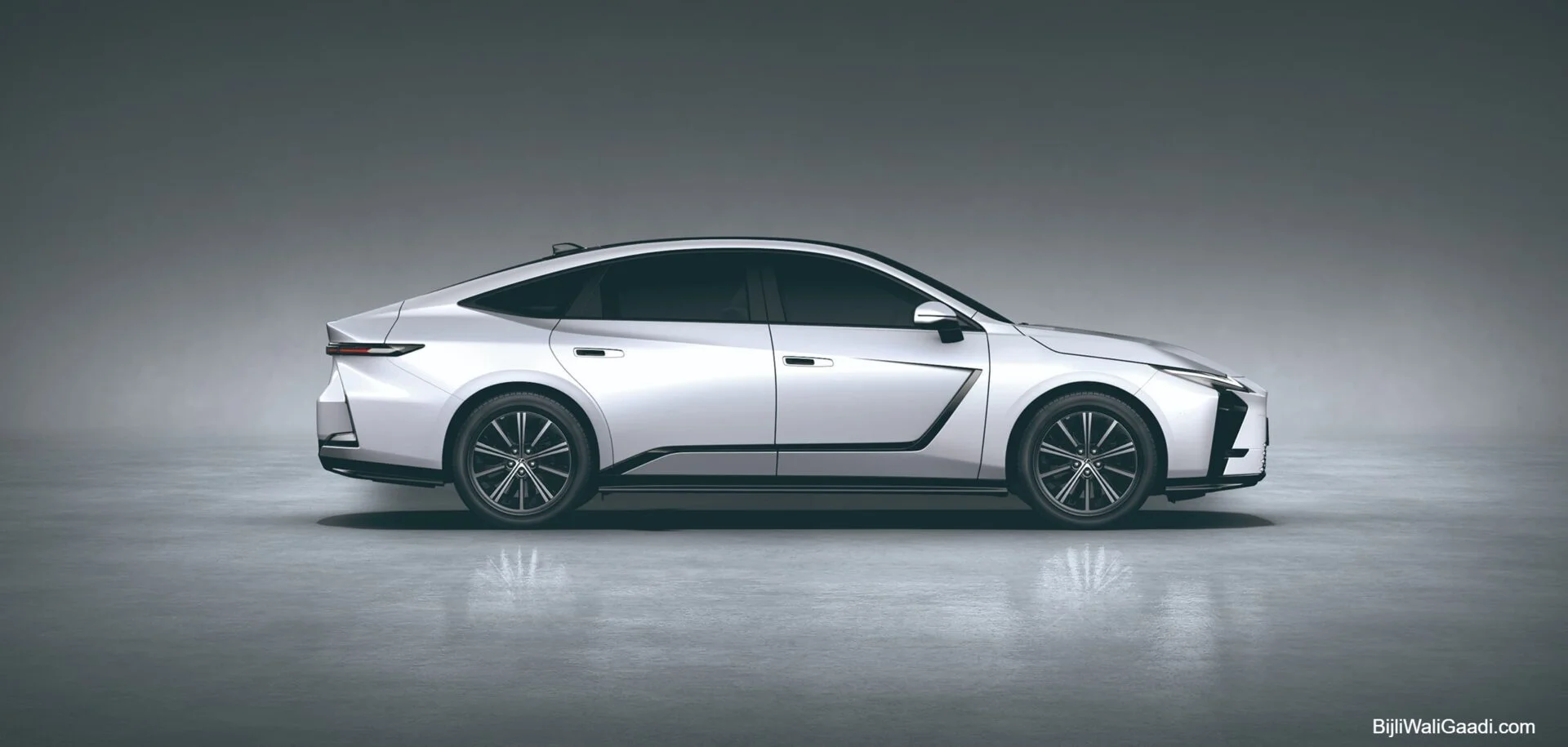
The ES 350h’s electric-drive hardware centres on a new eAxle — an integrated unit combining the motor, reduction gearing and power electronics (including the Power Control Unit), designed to package the hardware more compactly and efficiently. The 244hp combined output isn’t simply the engine and motor figures added together; total hybrid output is governed by battery, inverter and electrical-architecture limits rather than raw arithmetic.
| Powertrain Spec | Detail |
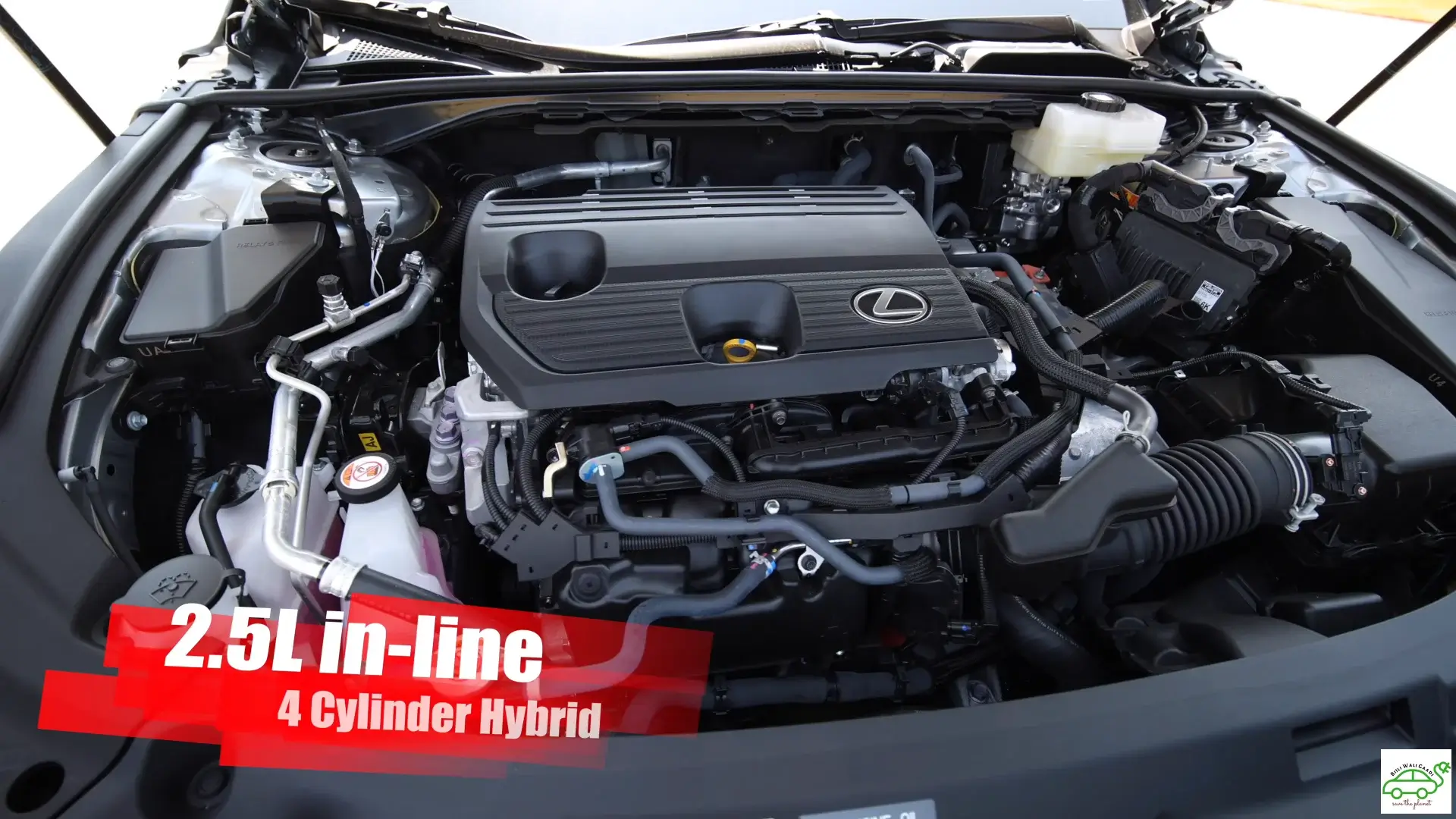
| Engine | 2.5L naturally aspirated 4-cylinder petrol |
| Engine Output | 186hp / 237Nm |
| Electric Drive Unit | eAxle (motor + reduction gear + PCU) |
| Combined System Output | 244hp (claimed) |
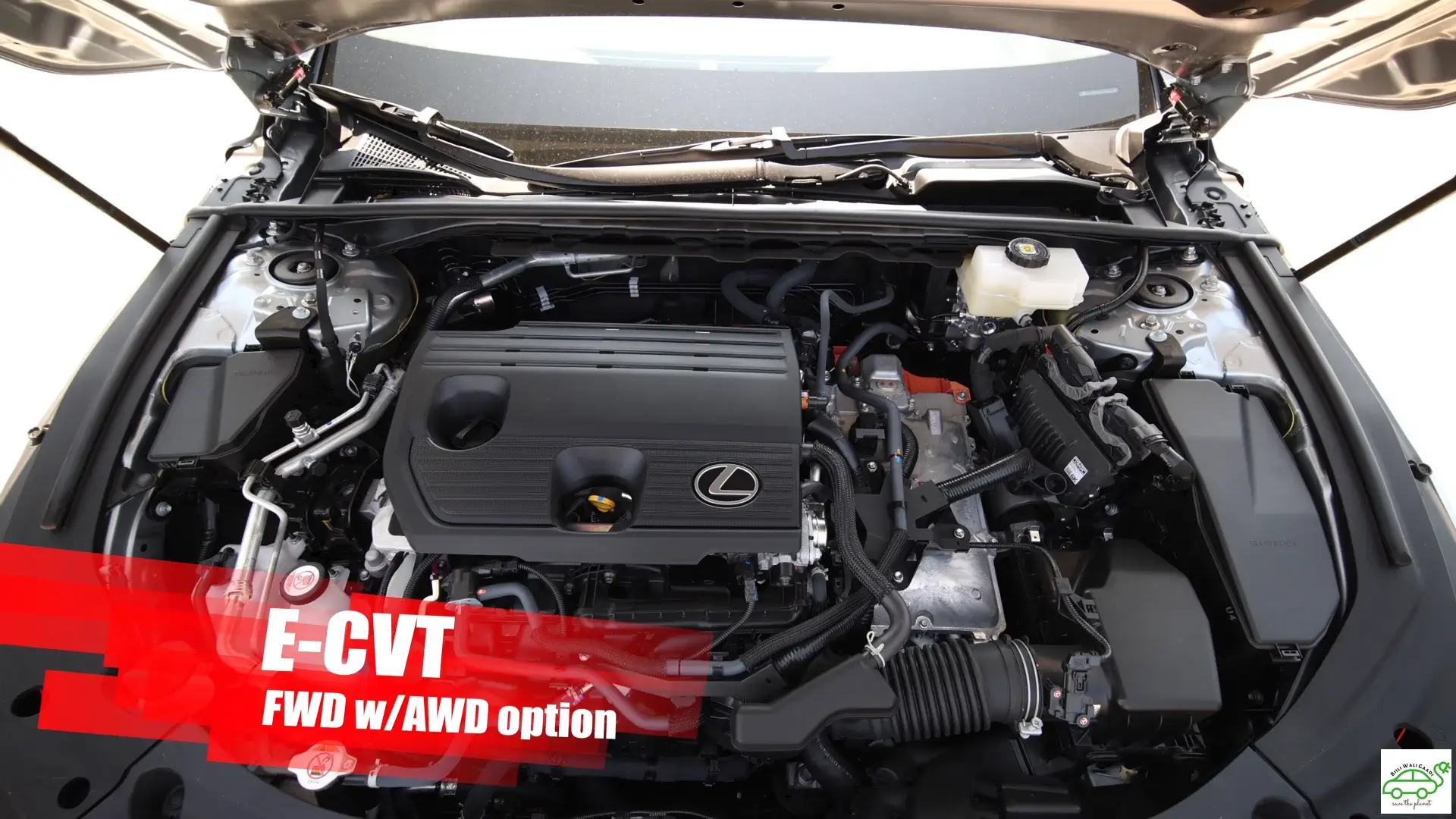
| Transmission | e-CVT |
| Drivetrain | Front-wheel drive |
| 0–100 km/h | 7.7 seconds (claimed) |
| ARAI Fuel Efficiency | 25.22 km/l (claimed) |
This eAxle-and-PCU arrangement packages the hardware more compactly than layouts used previously — a potential benefit, though fewer failure points or lower servicing needs haven’t been independently demonstrated.
How Does the Self-Charging Hybrid System Actually Manage Power?
“Self-charging” describes a conventional strong hybrid, not a plug-in — no external charger is involved. The hybrid control unit manages power flow between the petrol engine, electric motor/generator, battery and driven wheels; regenerative braking recovers energy on deceleration, and the engine can also support battery charging through the hybrid system when required.
Auto Glide Control is related but distinct: under suitable lift-off/coasting conditions, it reduces regenerative deceleration, letting the car glide more freely. Lexus positions this as efficiency-oriented, though its real-world effect in Indian traffic hasn’t been independently tested.
What Efficiency Can the Lexus ES 350h Actually Deliver?
Strong hybrids typically suit stop-start urban driving well, since regenerative braking and electric-motor assistance reduce petrol-engine use. Actual mileage depends on traffic, speed, AC load, temperature, road conditions and driving style; no independent India road-test figures exist yet.


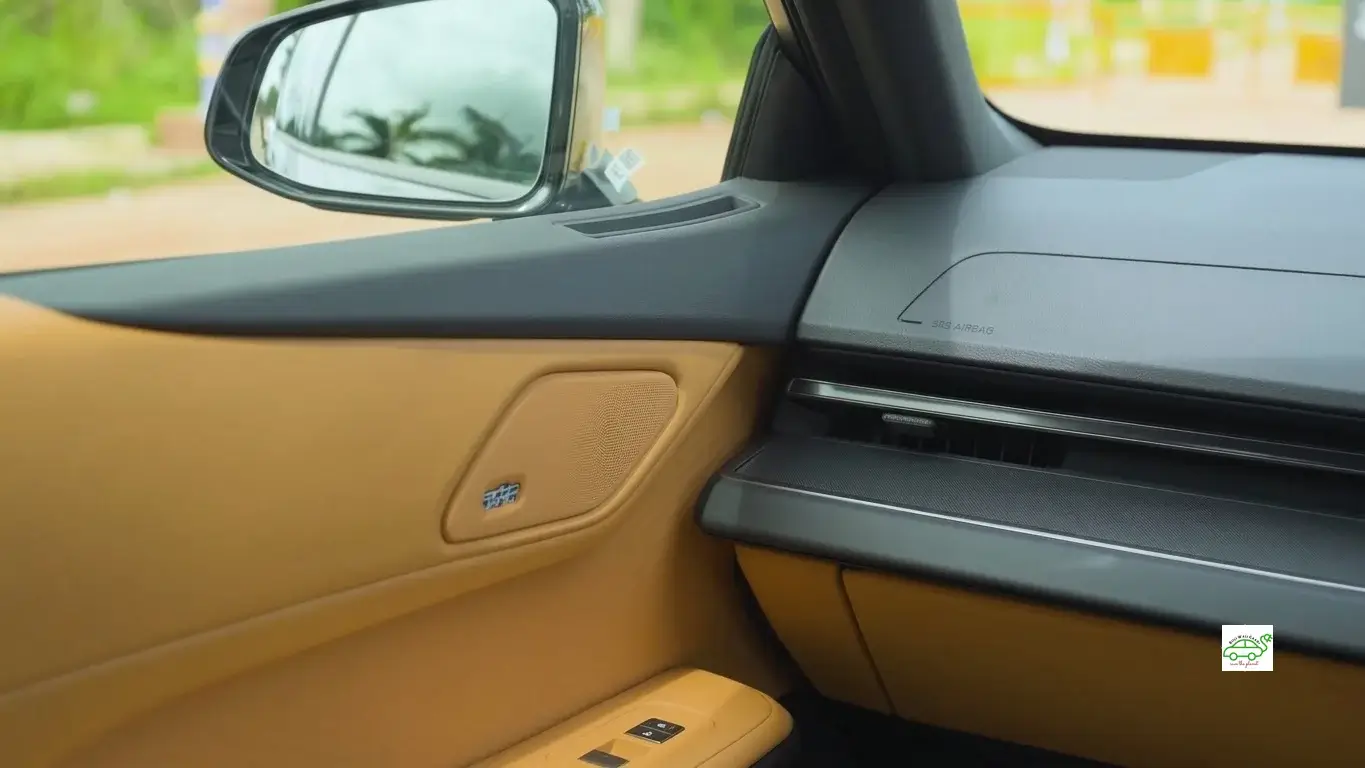
How Does the Cabin Handle Rear-Seat Comfort and Indian Roads?
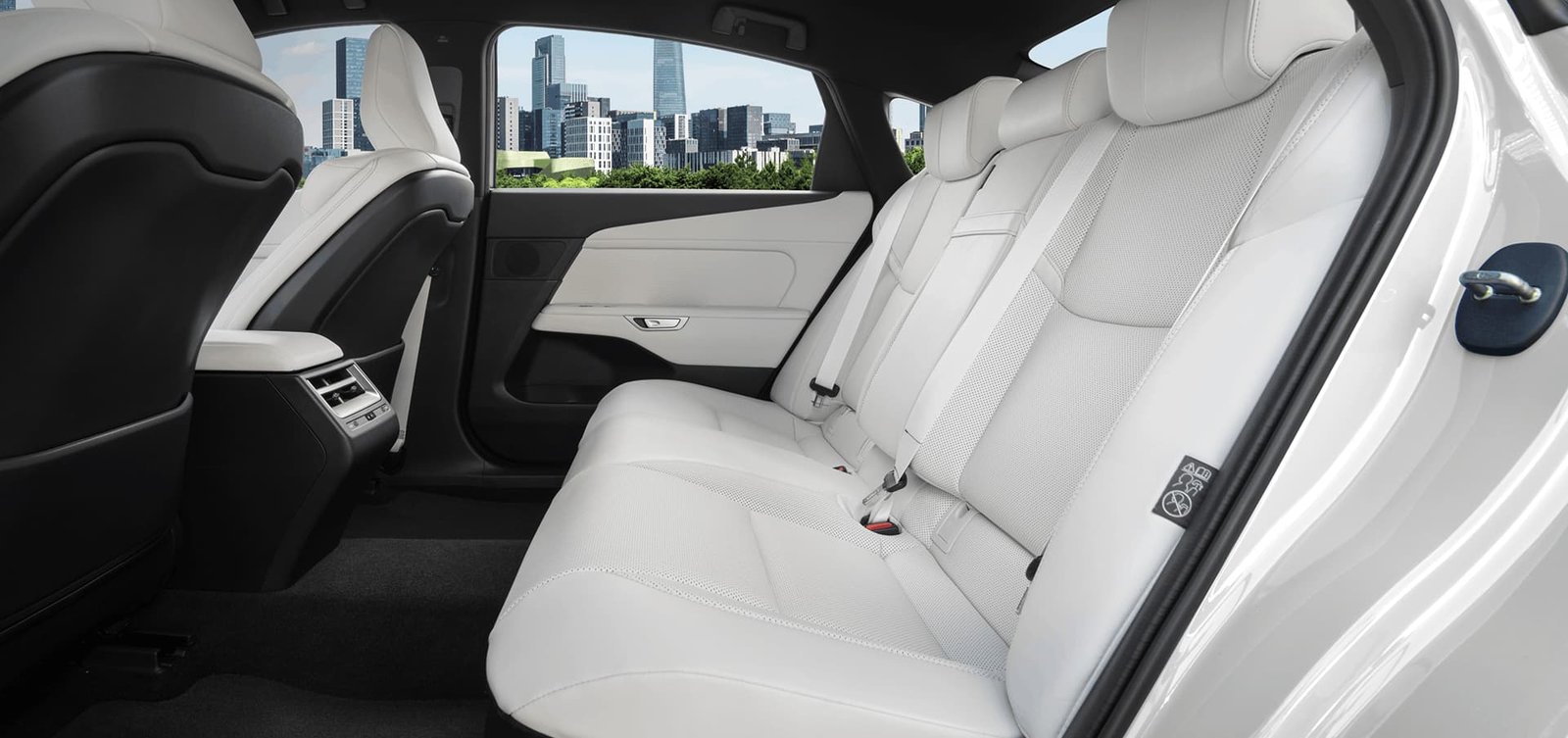
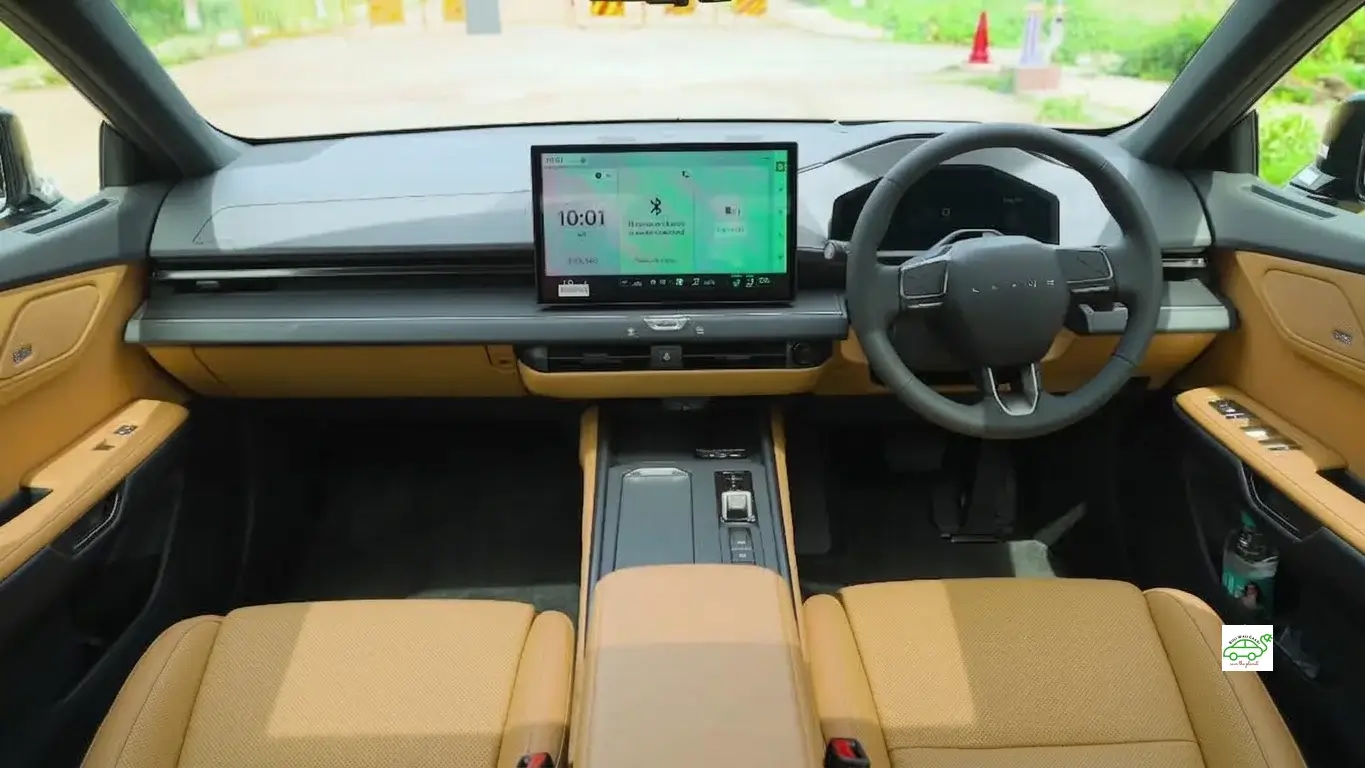
Lexus built this generation around a “Pleasant Time for All Seats” philosophy, with a longer wheelbase and wider body designed to provide greater rear-seat space than the outgoing model. NVH isolation — acoustic glazing, sealing, underbody treatment — is a strong emphasis, though there’s no measured comparison confirming it’s quieter than every German rival; “strong low-speed refinement” is more defensible. Owners can remotely pre-condition the cabin via the Lexus Connected app, and the stiffer platform should aid ride quality over broken tarmac, with damping tuned toward comfort over sporty handling.
What Does Lexus ES 350h Ownership Actually Involve?
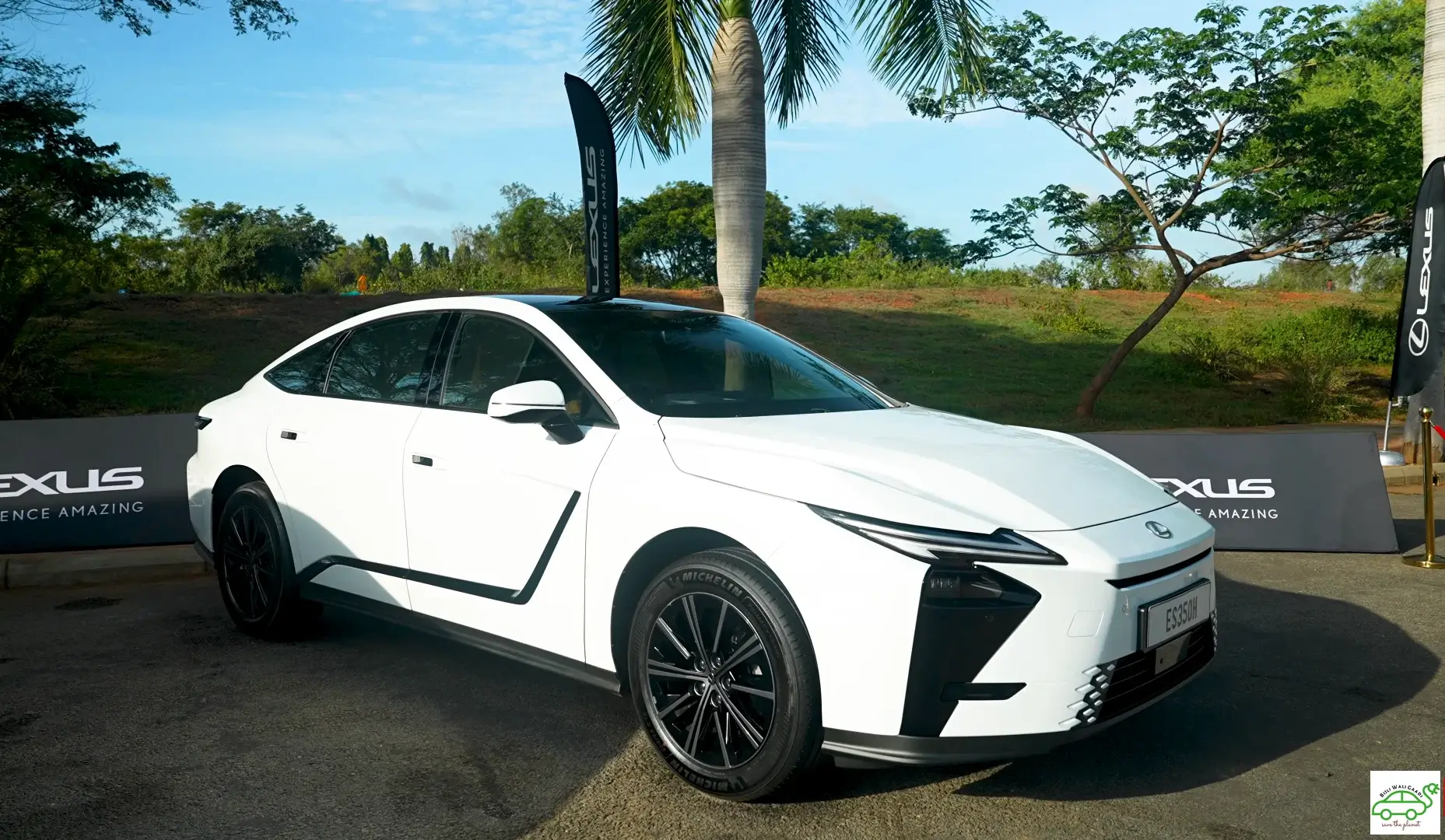
The ES 350h’s ownership package centres on a long warranty, optional service plans and a manufacturer-backed resale programme, subject to Lexus’s applicable terms.
| Ownership Coverage | Detail |
| Vehicle & Hybrid Battery Warranty | 8 years / 2,00,000km |
| Roadside Assistance | 5 years |
| Service Plans | Lexus Luxury Care (3, 5 or 8-year packages) |
| Resale Support | Assured Buy Back — guaranteed future value up to 65% (programme terms apply) |
The 65 percent figure is a manufacturer-stated ceiling under programmed conditions, not a fixed resale price guaranteed for every buyer. Regenerative braking and fewer high-wear parts than a turbocharged setup are potential running-cost advantages, and the long warranty reduces battery-related risk. Whether five-year costs undercut a comparable E-Class or 5 Series depends on fuel prices, mileage, insurance, servicing, depreciation and financing.
Toyota-Lexus‘s commercial hybrid history runs since the 1997 Prius, but this newer eighth-generation system lacks the same multi-decade India-specific reliability record.
Who Should Consider the Lexus ES 350h?
The ES 350h suits buyers who spend more time in traffic than on open highways, prioritise relaxed cabin comfort over sporty handling, and want to sidestep diesel and EV-charging concerns. It isn’t aimed at matching the 5 Series’ sportier handling, and German rivals carry stronger badge pull in India — but for buyers weighing hybrid efficiency and a long warranty, it’s a credible alternative.
Frequently Asked Questions About the Lexus ES 350h
Stay connected via Google 'Electric Vehicle' News
Follow BijliWaliGaadi | India's Trusted EV Insights Portal
source on Google