CATL Tectrans II Targets Long-Haul Truck TCO With 1,000 km Range and 25-Minute Charging
Stay connected via Google 'Electric Vehicle' News
Follow BijliWaliGaadi | India's Trusted EV Insights Portal
source on Google
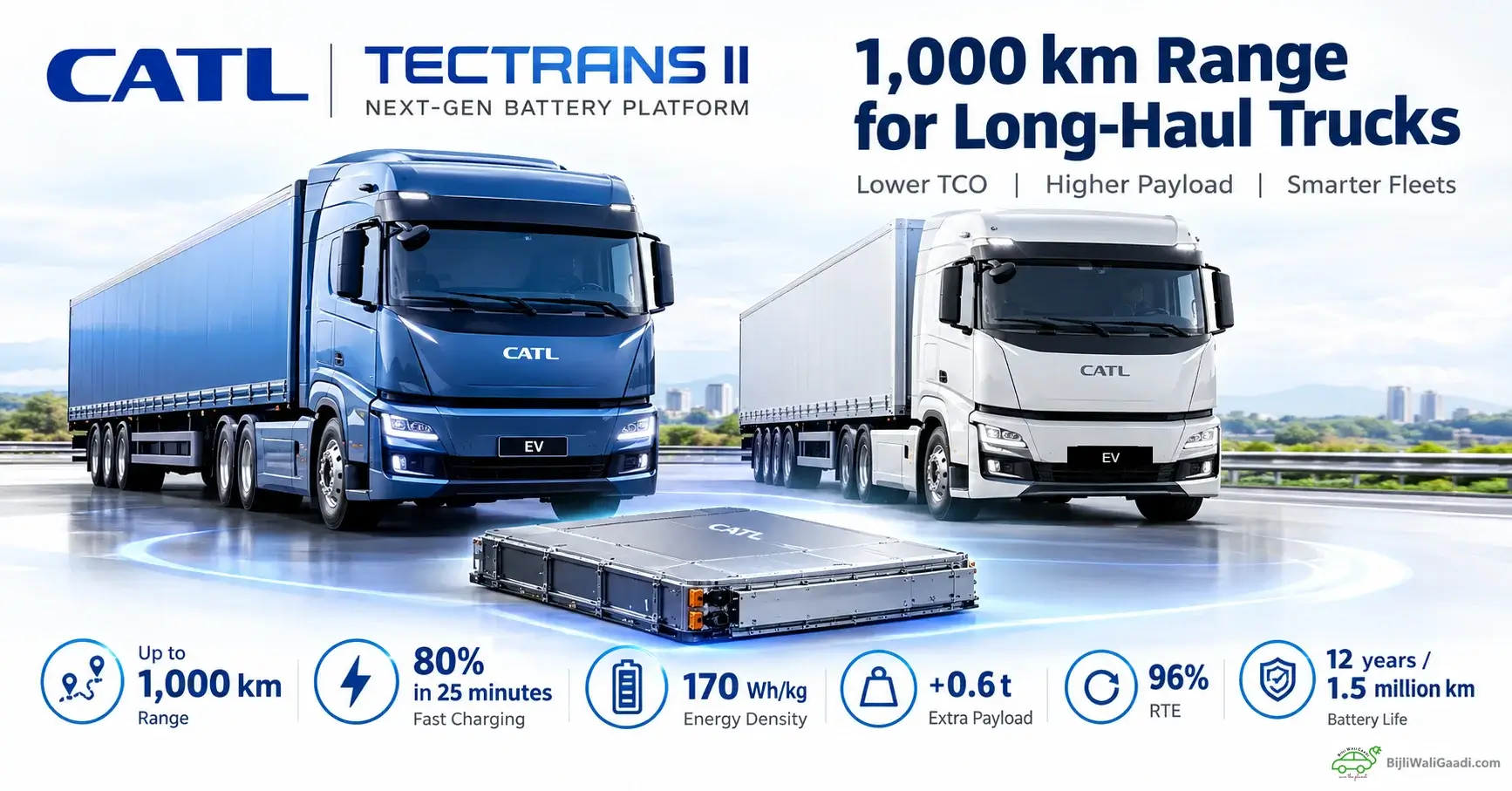
CATL unveiled TECTRANS II, its next-generation commercial-vehicle battery platform, at IAA Transportation 2026 in Hannover on September 14, 2026. It is a modular system: combining standardized battery packs configures it for different energy and payload needs, with a maximum range of up to 1,000 km in its largest configuration.
The platform supports e-axle and central-drive architectures, switching between plug-in charging and battery swapping. CATL is pitching TECTRANS II at the economics of electric trucking — payload, downtime and battery life — not one headline number.
CATL Tectrans II Specifications at a Glance
Figures below are CATL’s own published claims from the September 14 launch 2026.
| Specification | CATL Tectrans II claim |
| Maximum driving range | Up to 1,000 km |
| Gravimetric energy density | 170 Wh/kg |
| Additional payload at same battery capacity | Approximately 0.6 tonnes |
| System round-trip efficiency | 96% |
| Fast charging | 80% in 25 minutes |
| Charging | Megawatt-level fast charging |
| Heavy-duty battery service life | 12 years / 1.5 million km |
| Capacity retention | 70% |
| OEM development-cycle reduction | Up to 50% |
| OEM R&D cost reduction | 60–70% |
| Drive architectures | E-axle and central drive |
| Energy replenishment | Charging and battery swapping |
Tectrans II Uses a Modular Battery Platform for Different Trucks
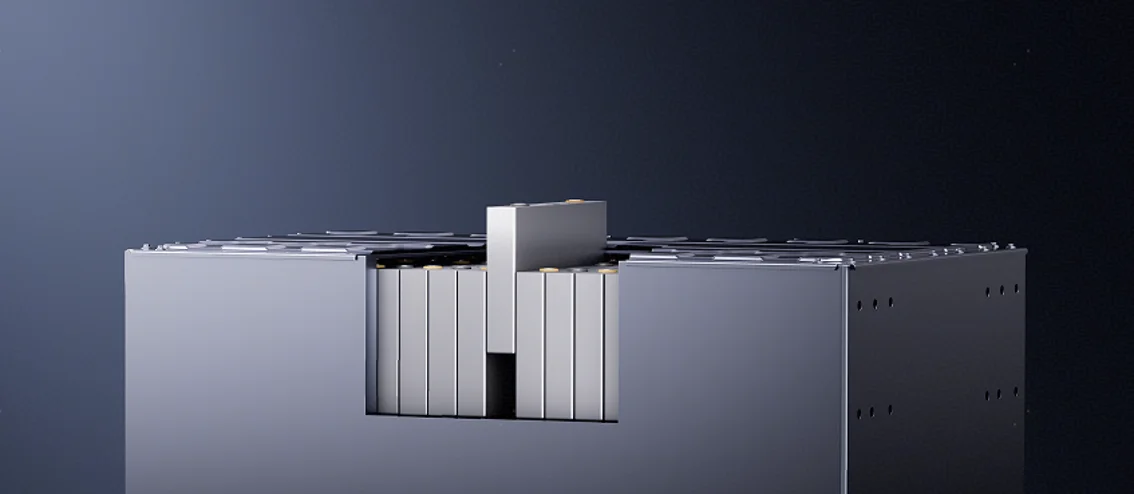
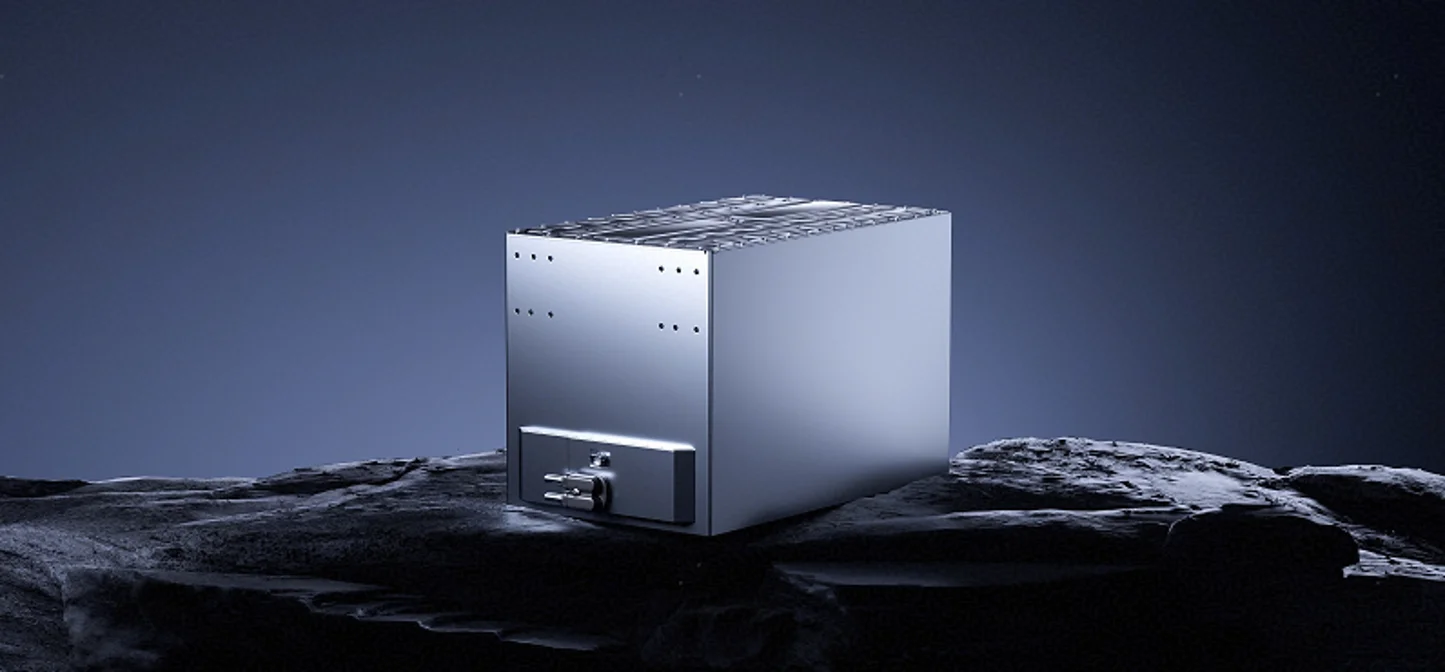
TECTRANS II is not a single battery pack but a standardised platform: CATL fixes external dimensions, electrical interfaces and communication protocols across vehicle types, while letting cell technology and pack design keep evolving, so models can gain future battery upgrades without major vehicle changes.
CATL says this helps OEMs shorten development cycles by up to 50% and cut R&D costs by 60–70%, since a dedicated battery system is no longer needed for every model. The platform covers heavy-duty and medium-duty trucks and buses, across long-haul, ports, mines, urban delivery and passenger transport.
170 Wh/kg Energy Density Targets Higher Payload
CATL says its 170 Wh/kg gravimetric energy density is around 13% above the industry average and can enable approximately 0.6 tonnes of additional payload at the same battery capacity — CATL’s own comparison, not an independently verified benchmark.
Lower battery mass can increase available payload within weight limits, though the benefit depends on vehicle configuration.
Full-Tab Design Delivers CATL’s Claimed 96% RTE
CATL describes TECTRANS II’s full-tab low-impedance design as the world’s first and says it enables 96% system round-trip efficiency (RTE). Conventional cells route current through a limited number of tabs, raising resistance; a full-tab design collects current across the whole electrode edge, lowering resistance and charge/discharge losses.
The 96% RTE claim matters because lower losses reduce the energy needed per unit of traction work. The actual cost benefit depends on electricity prices, routes and vehicle efficiency.
25-Minute Charging Targets Lower Long-Haul Downtime
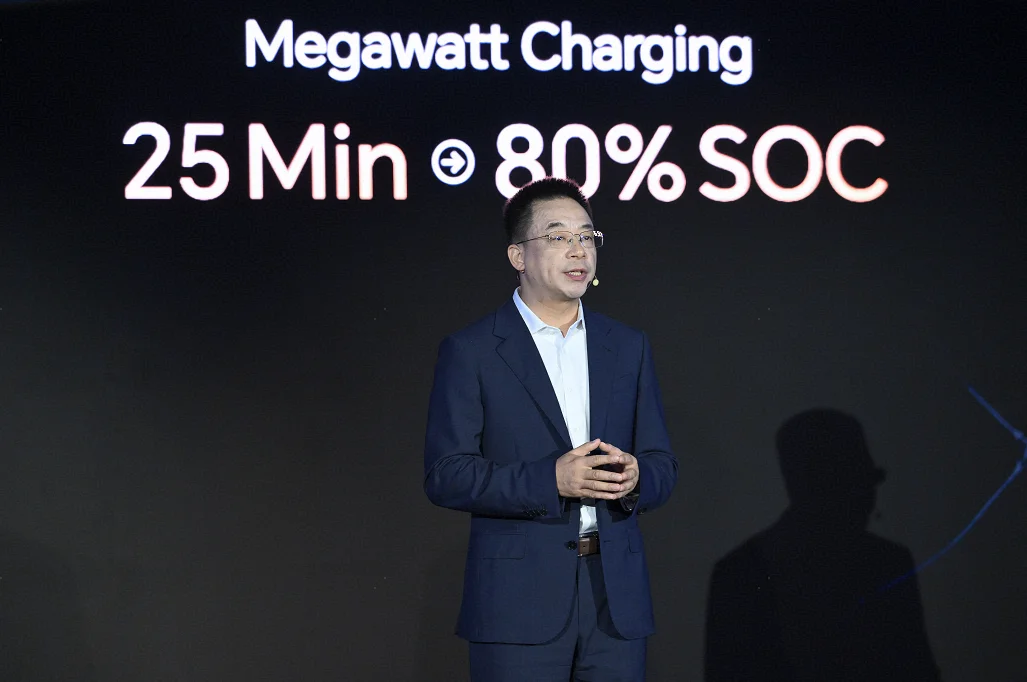
CATL says the heavy-duty configuration can reach 80% charge in 25 minutes using megawatt-level fast charging, potentially cutting downtime on long-haul routes. CATL’s announcement does not name a specific charging protocol, so fleet operators will need to confirm hardware and protocol compatibility before planning infrastructure.
1.5 Million km Battery Life Targets Long-Term Fleet Economics
For heavy-duty trucks, CATL says TECTRANS II is engineered for a 12-year, 1.5-million-kilometre service life with 70% capacity retention, intended to support stronger residual value. That claim is untested by resale markets, where degradation uncertainty has historically weighed on electric truck valuations.
TECTRANS II Adds Heavy-Duty Safety and Redundancy Features
CATL also details physical protection and redundancy features.
| Feature | CATL’s claim |
| Upper cover | Hot-formed steel; 10,000 steps by an 180 kg adult, no deformation |
| Bottom plate | 1,000 J impact resistance |
| Enclosure | Extruded aluminium, up to 250 kN crush strength |
| Corrosion resistance | 15 years, claimed |
| BMS | Multi-branch, isolates a failed branch |
| Diagnosis | Insulation fault-location tech |
| Cybersecurity | Multi-layer, hardware to software |
These are CATL’s own claims, not independent certification results.
CATL and DHL Plan European Green Freight Corridors
At the show, CATL signed an MoU with DHL Group, building on a September 2024 agreement, to develop Green Freight Corridors across Europe, combining DHL’s logistics network with CATL’s battery technology and working with OEMs on purpose-built vehicles and pilot deployments.
This is an MoU and planned pilot programme, not a completed fleet trial. TECTRANS II’s eventual fleet economics will depend on how these corridors perform in commercial operation.
Tectrans II in the Electric Truck Competition
CATL is a battery/platform supplier rather than a truckmaker, making direct comparisons imprecise. BYD used the same Hannover press day to unveil its ETT 44 electric tractor.
| Platform | Battery/range | Charging | Business model |
| CATL Tectrans II | Up to 1,000 km; varies by config | 80% in 25 min; megawatt-level | Battery/platform supplier |
| BYD ETT 44 | 651 kWh; up to ~600 km | 1.5 MW | Complete electric truck |
Tesla has also presented European Semi specifications: up to 550 km range at 40-tonne gross weight, deliveries planned from 2027.
What Tectrans II Could Mean for India’s Electric Truck Market
CATL’s September 2026 announcement does not include an India manufacturing or supply programme for TECTRANS II. Its indirect relevance lies in the engineering direction: higher payload potential, longer range, faster charging, longer battery life and lower OEM development costs — factors that matter for a price-sensitive market working toward electrification.
What Fleet Operators Should Watch Next
- 1,000 km is CATL’s maximum claimed range, not a universal real-world figure.
- 170 Wh/kg and ~0.6-tonne extra payload address battery mass, one of electric trucking’s major constraints.
- 25-minute 80% megawatt-level charging could cut downtime, but infrastructure compatibility needs confirming.
The 12-year/1.5-million-km life at 70% retention, and DHL pilot results, will matter most for long-term fleet economics.
FAQs
–
Stay connected via Google 'Electric Vehicle' News
Follow BijliWaliGaadi | India's Trusted EV Insights Portal
source on Google