Eli ZERO & Neighborhood Electric Vehicles (NEVs): Premium Urban Commuting Explained
Stay connected via Google 'Electric Vehicle' News
Follow BijliWaliGaadi | India's Trusted EV Insights Portal
source on Google
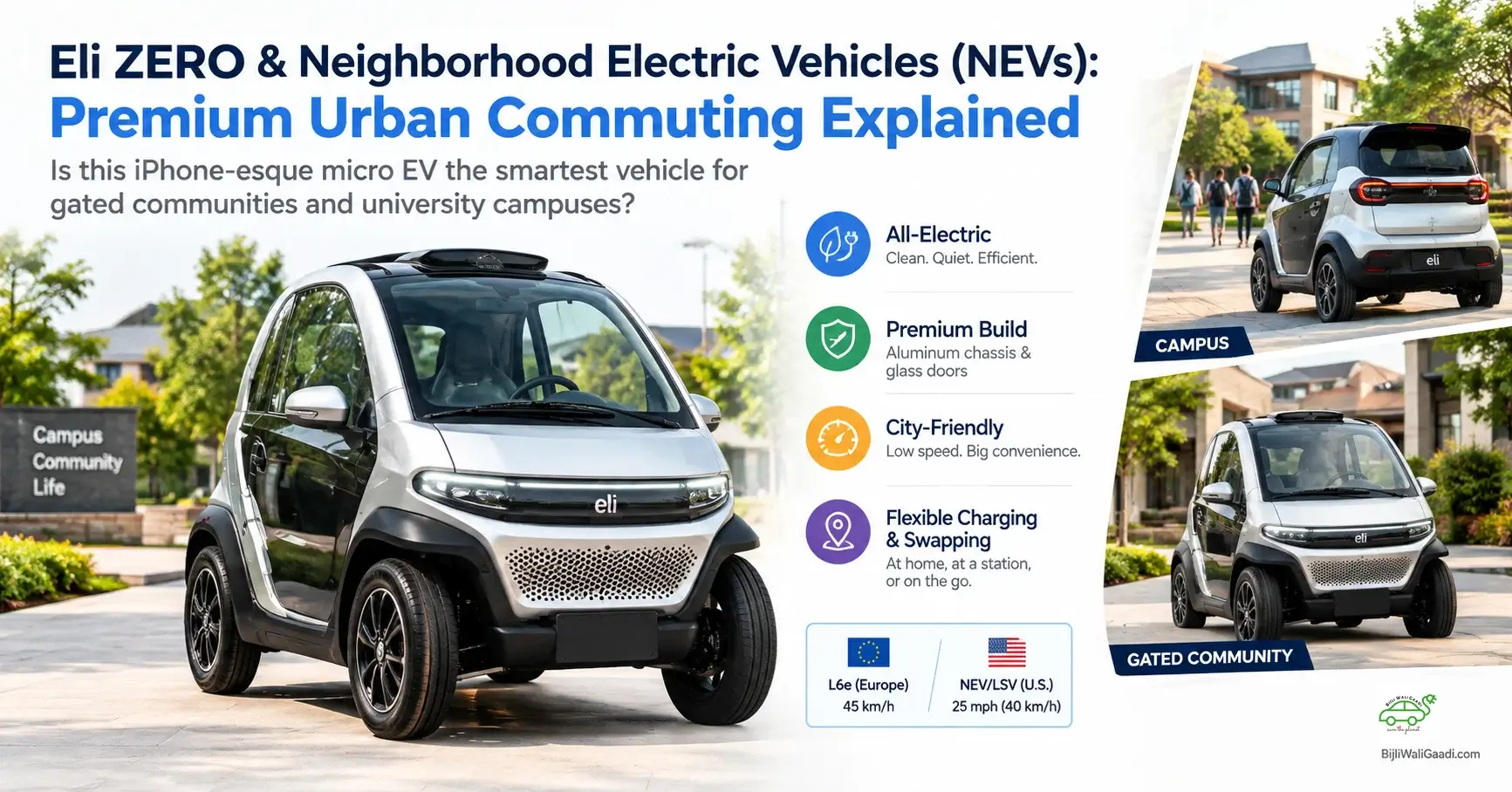
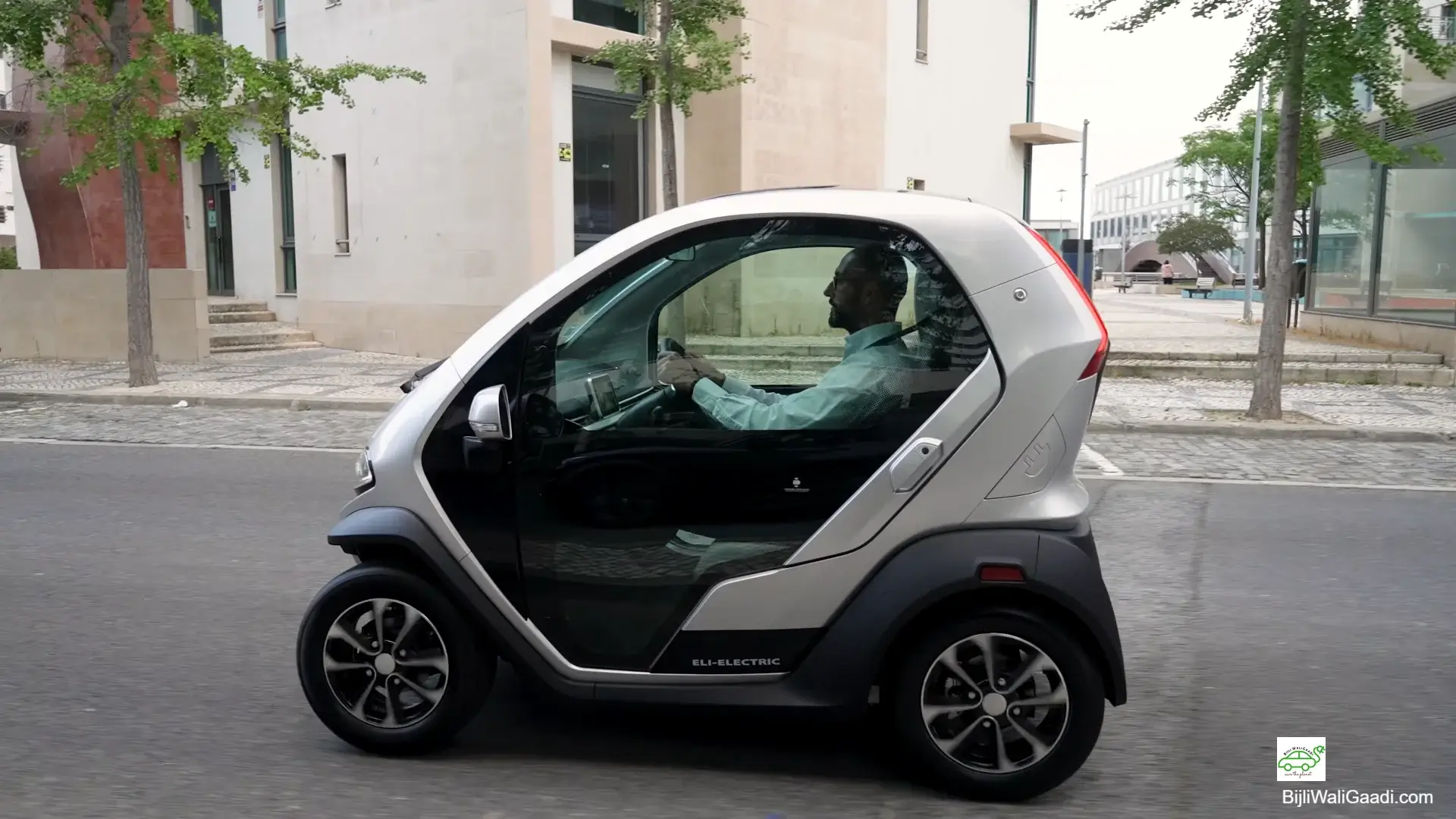
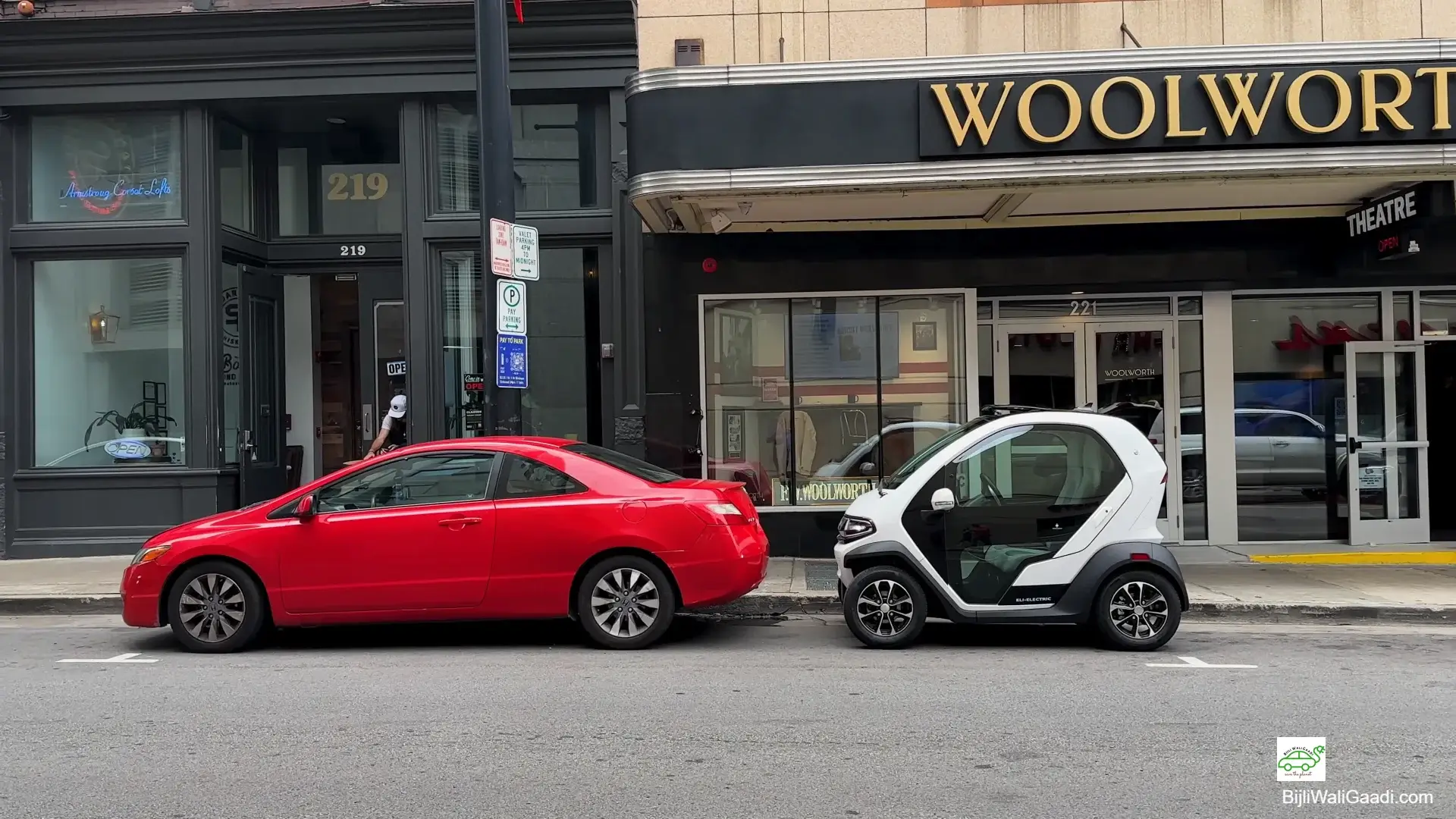
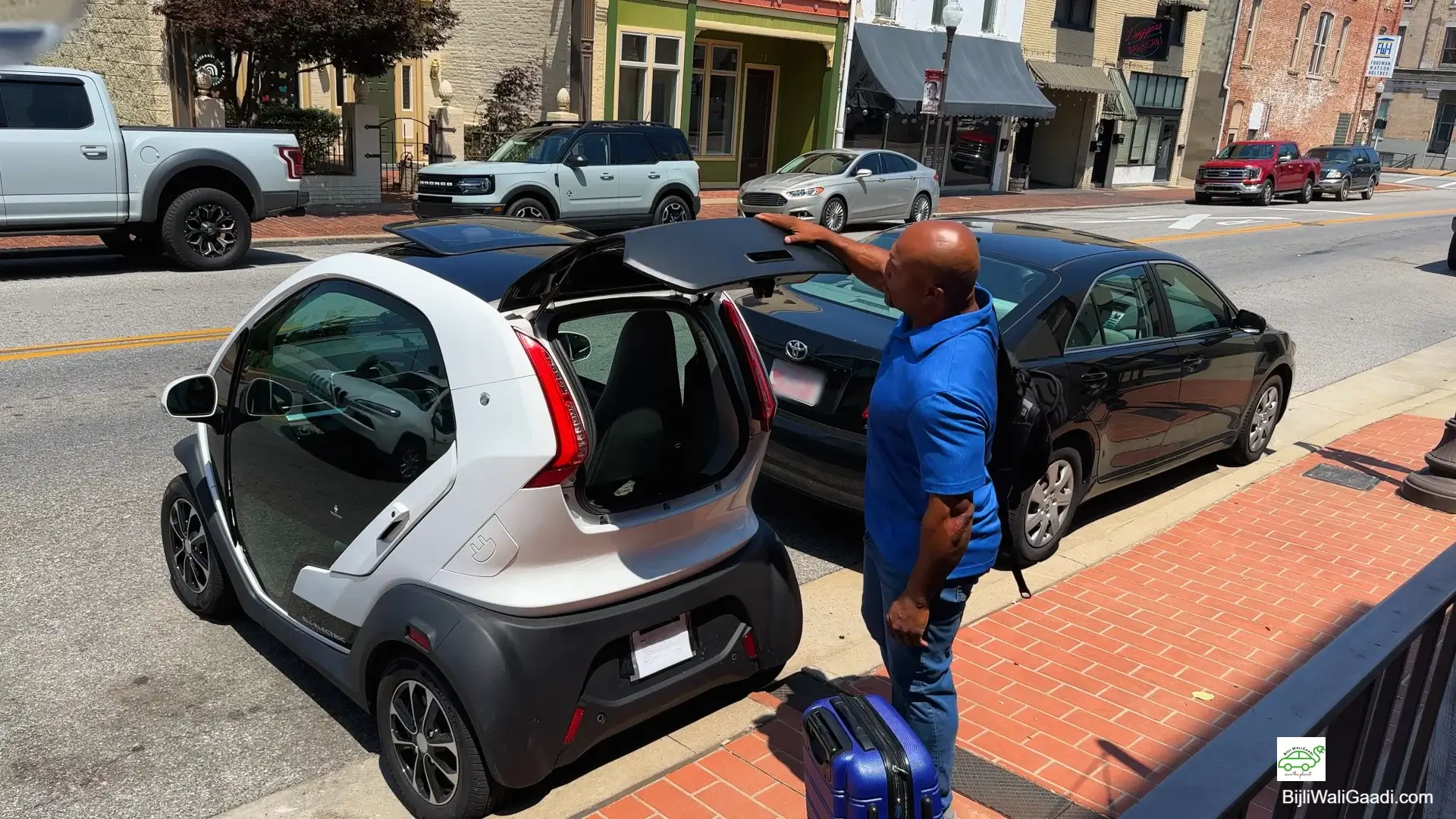
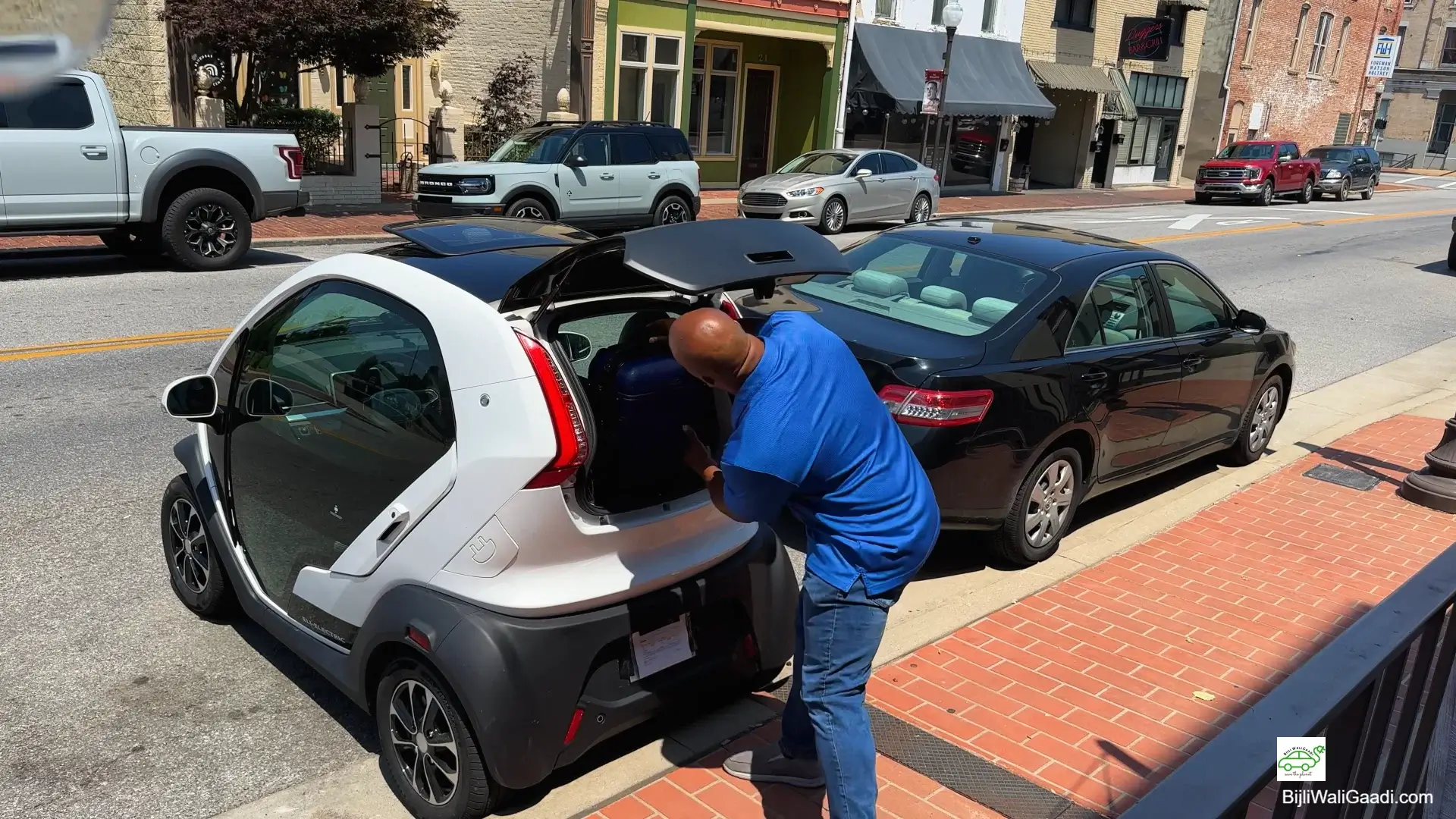
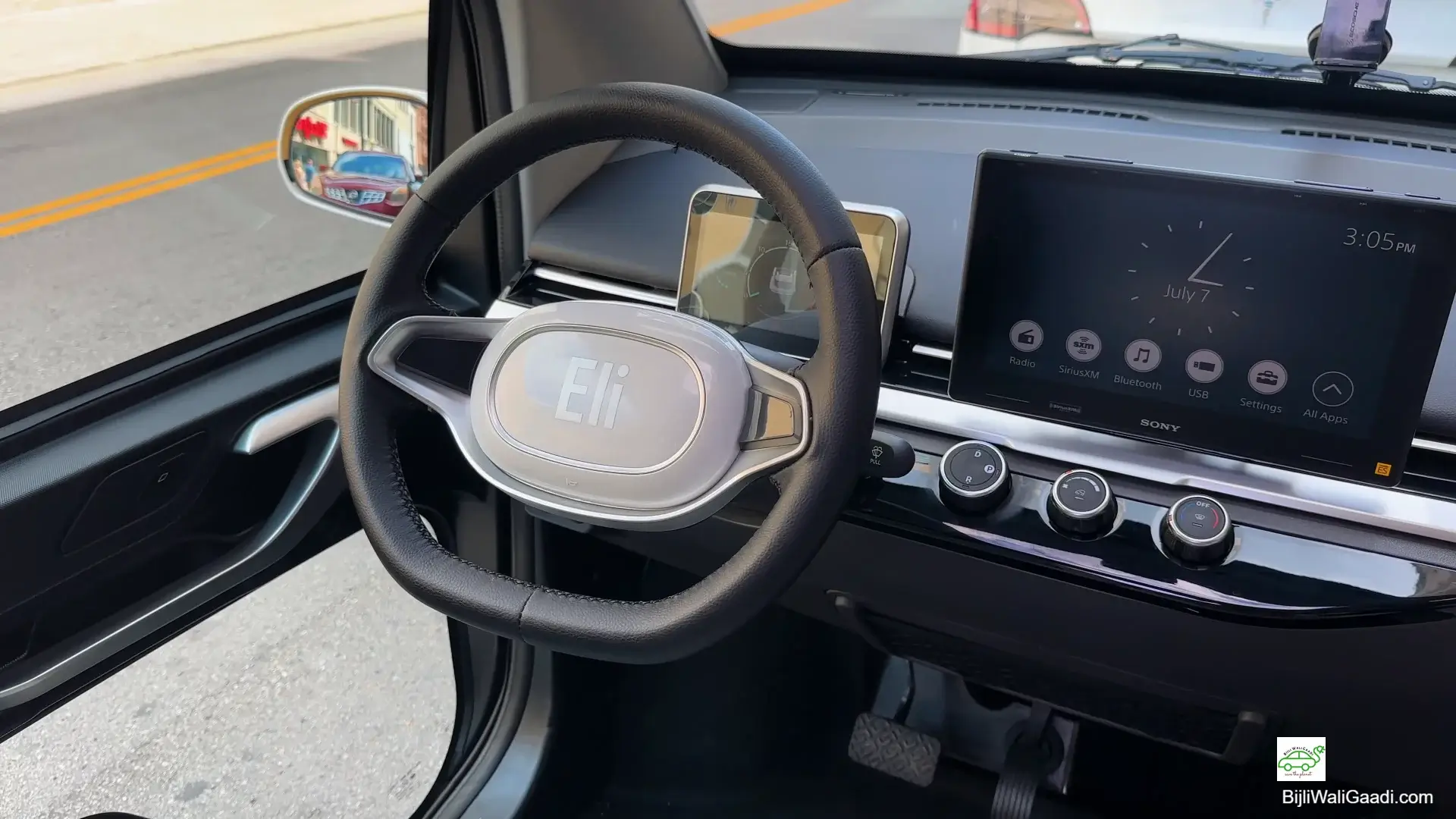
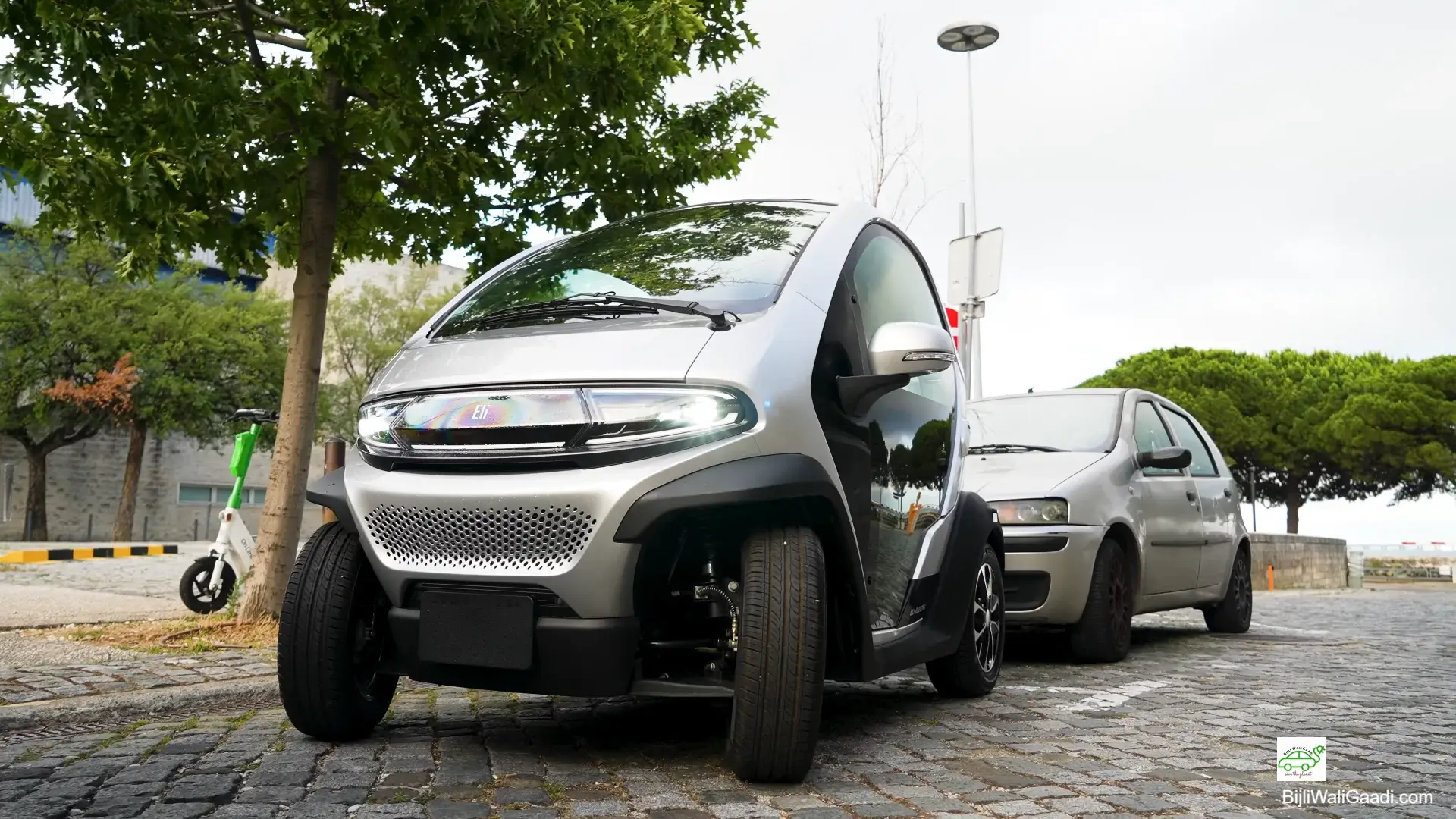
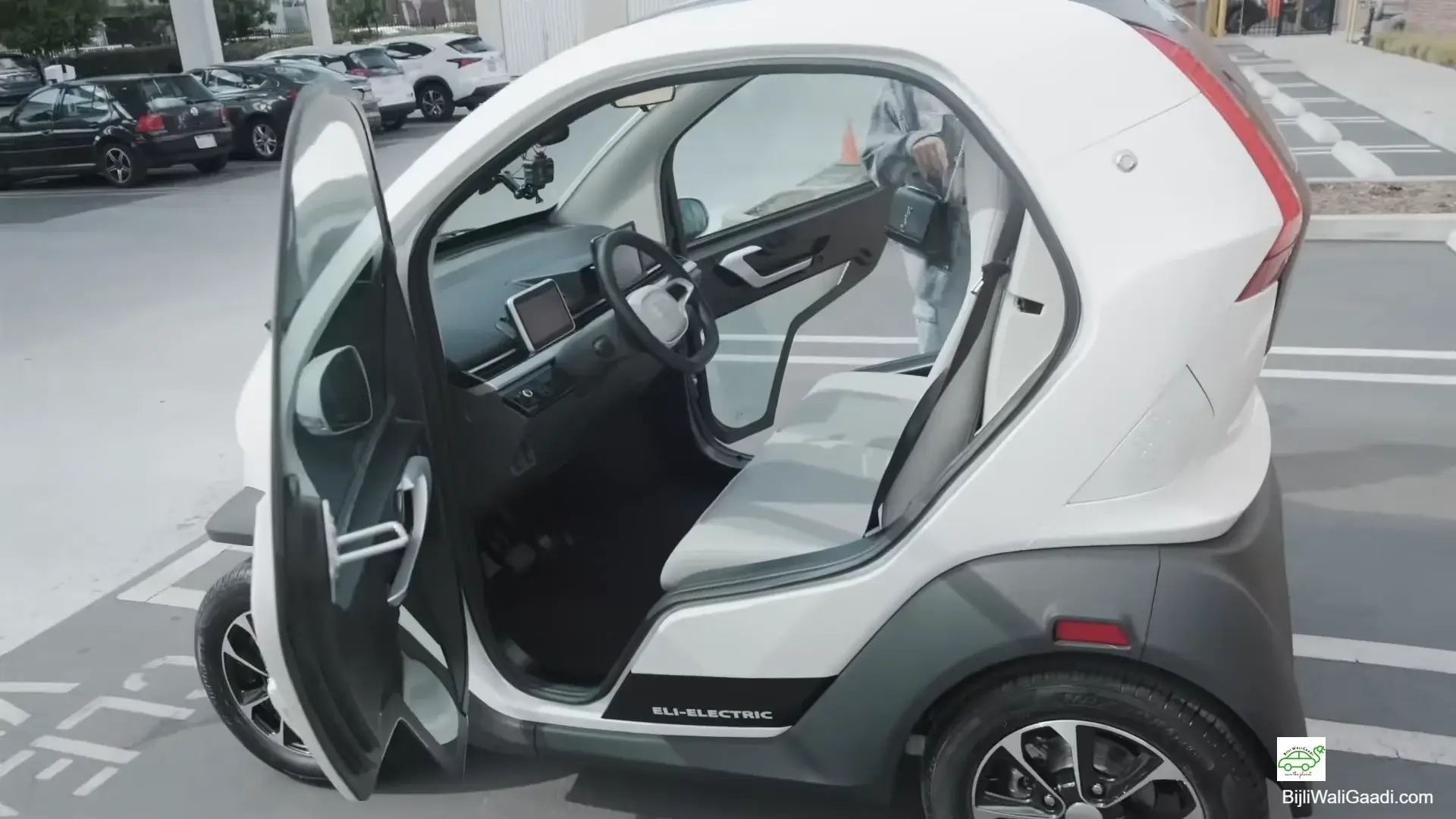
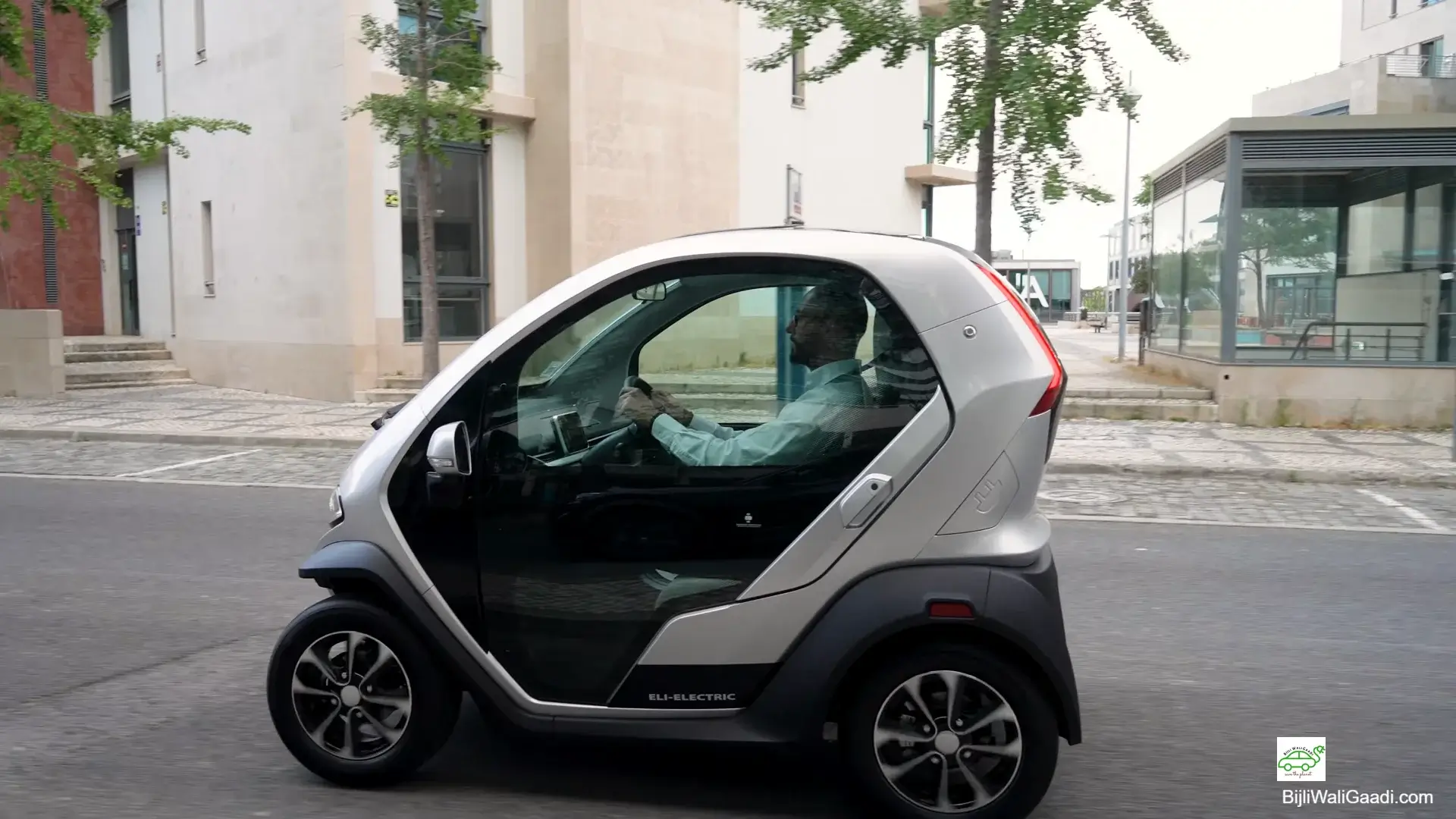
Most microcars look like they were built to a budget. The Eli ZERO NEV doesn’t. It has an aluminum chassis, automotive-grade glass doors instead of plastic curtains, power steering, and an optional climate control system, details you’d expect on a proper car, not a golf-cart-adjacent runabout. Priced from $11,990 in the U.S. before destination, taxes and registration — roughly ₹12 lakh at a simple currency conversion, not an Indian on-road or launch price — the ZERO sits in a U.S. low-speed vehicle segment commonly referred to as Neighborhood Electric Vehicles, or NEVs, built for premium, short-hop commuting.
Quick Summary
- Eli ZERO: USA/China. U.S. version: LSV/NEV, 6 kW rated motor, 8 or 12 kWh LFP battery, Eli-quoted 60 or 90 miles depending on battery, 25 mph (40 km/h) top speed, from $11,990.
- European version: L6e light quadricycle, 8 kWh LFP battery, claimed 100 km range and 45 km/h top speed.
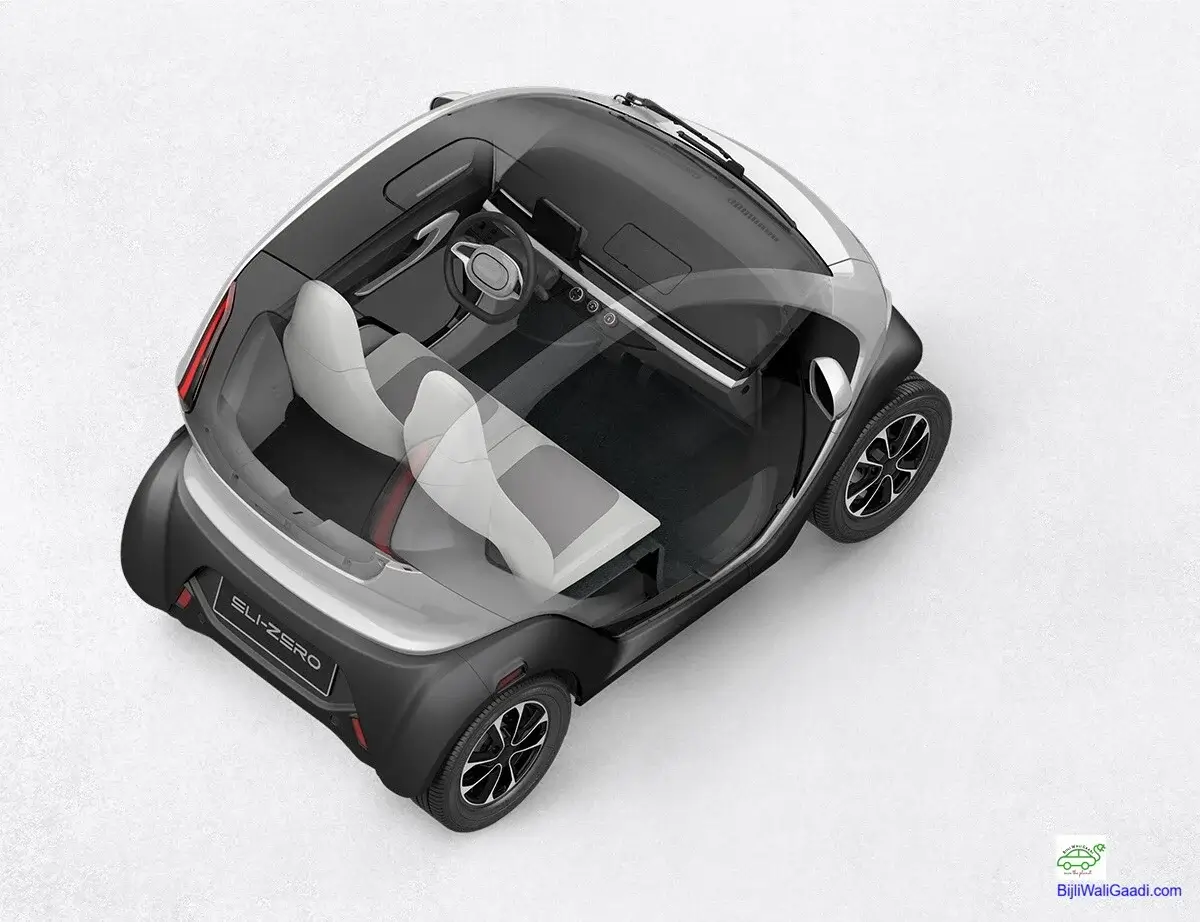
- Built on a high-strength aluminum chassis with automotive glass doors, power steering, and optional climate control, unusual for this vehicle class.

What Is a Neighborhood Electric Vehicle (NEV)?
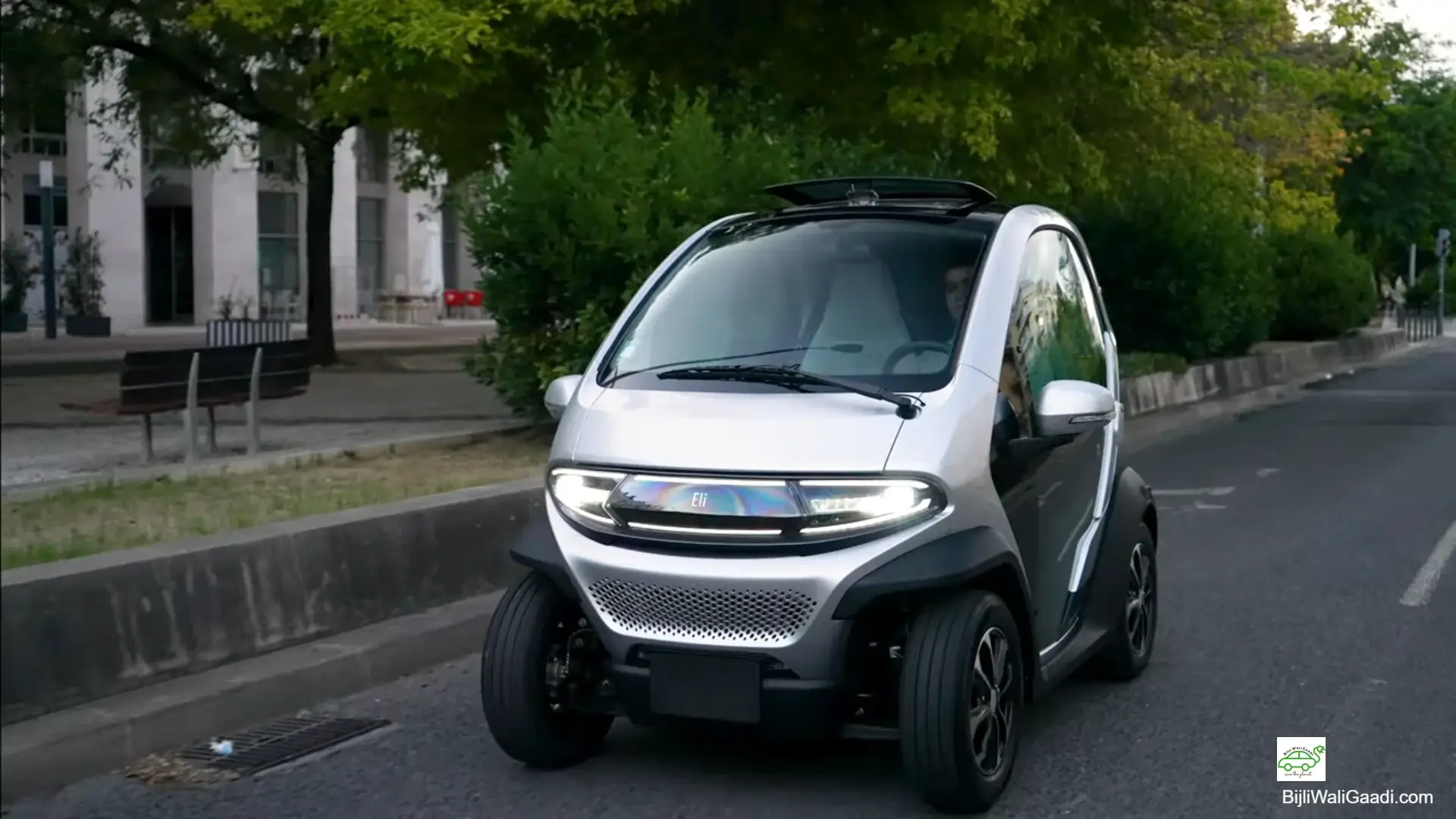
A Neighborhood Electric Vehicle (NEV) is a US designation for low-speed electric vehicles capped at 25 mph (40 km/h), allowed on public roads with speed limits up to 35 mph. “NEV” is the common term; the federally defined category is the Low-Speed Vehicle (LSV), with a lighter federal safety framework than full passenger cars. NEVs are popular in gated communities, retirement neighborhoods, and university campuses.
Inside the Eli ZERO: Premium Build in a Compact Package
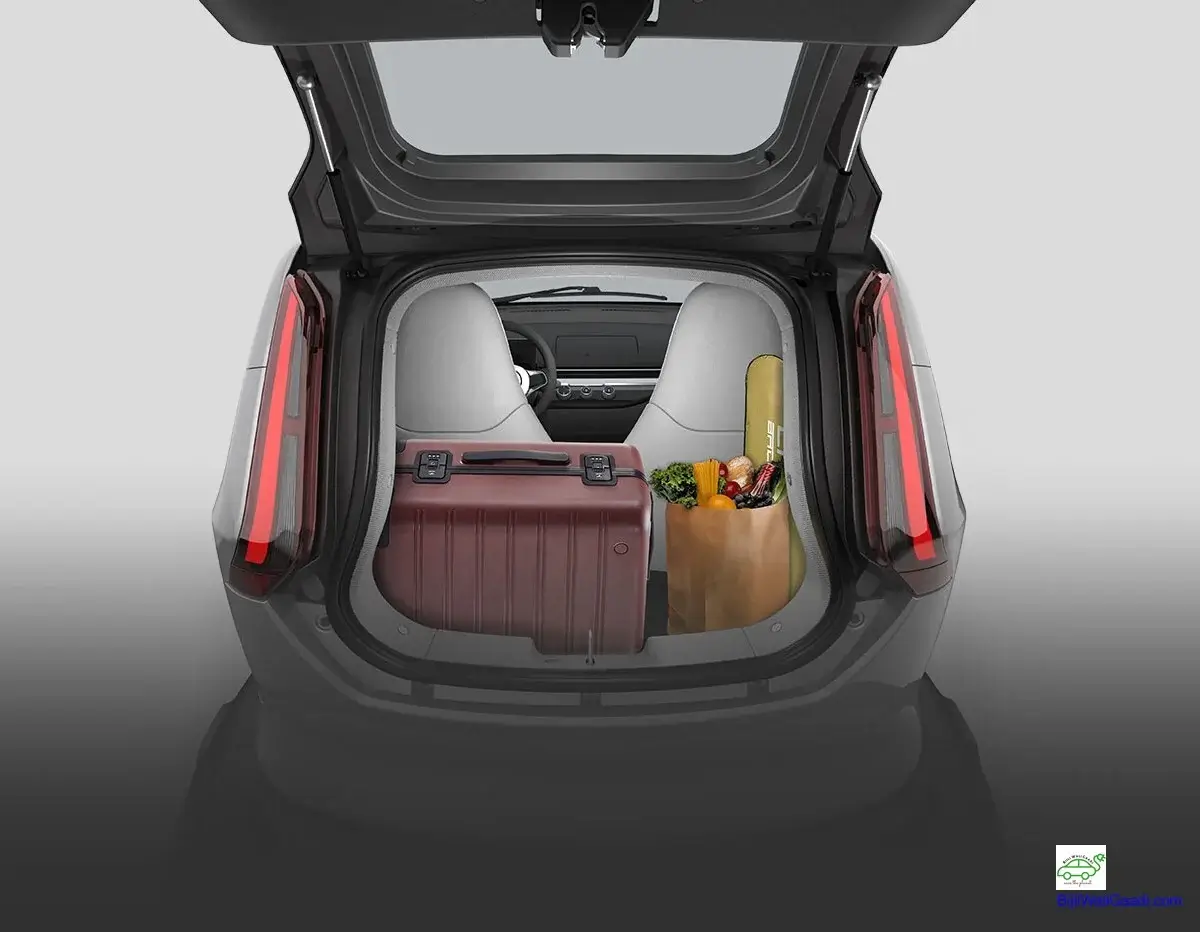
Most NEVs, think classic golf-cart-style runabouts, use minimal bodywork and open sides. The Eli ZERO breaks that mold. Its high-strength aluminum chassis gives it a stiffer, more car-like structure than typical NEVs, which often rely on tubular steel frames and plastic panels. Automotive glass doors replace the zip-up curtains common in this segment, giving genuine weather sealing and a finished feel. Power steering is a rare inclusion at this size and price, and an optional climate control system addresses the single biggest NEV complaint: no protection from heat or cold.
In the U.S., the ZERO is offered with 8- or 12-kWh LFP batteries, a 6 kW rated motor, and an Eli-quoted range of 60 or 90 miles depending on battery, generous for short neighborhood loops rather than highway commuting. The European L6e version uses a smaller 8 kWh LFP battery and is rated for a claimed 100 km range. Charging runs roughly 2–4 hours on the U.S. version and about 2.5 hours or more on the European version, both at 220–240V.
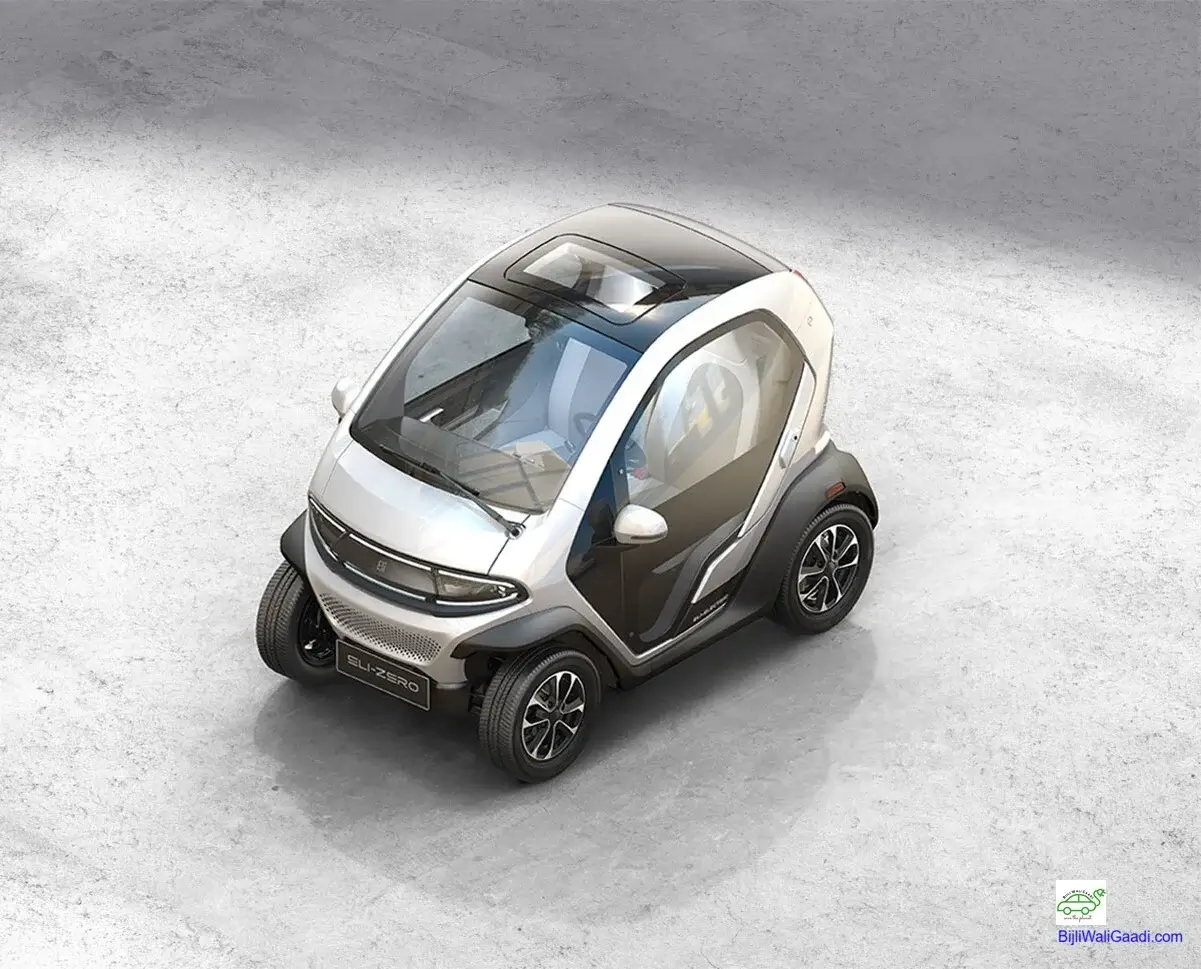
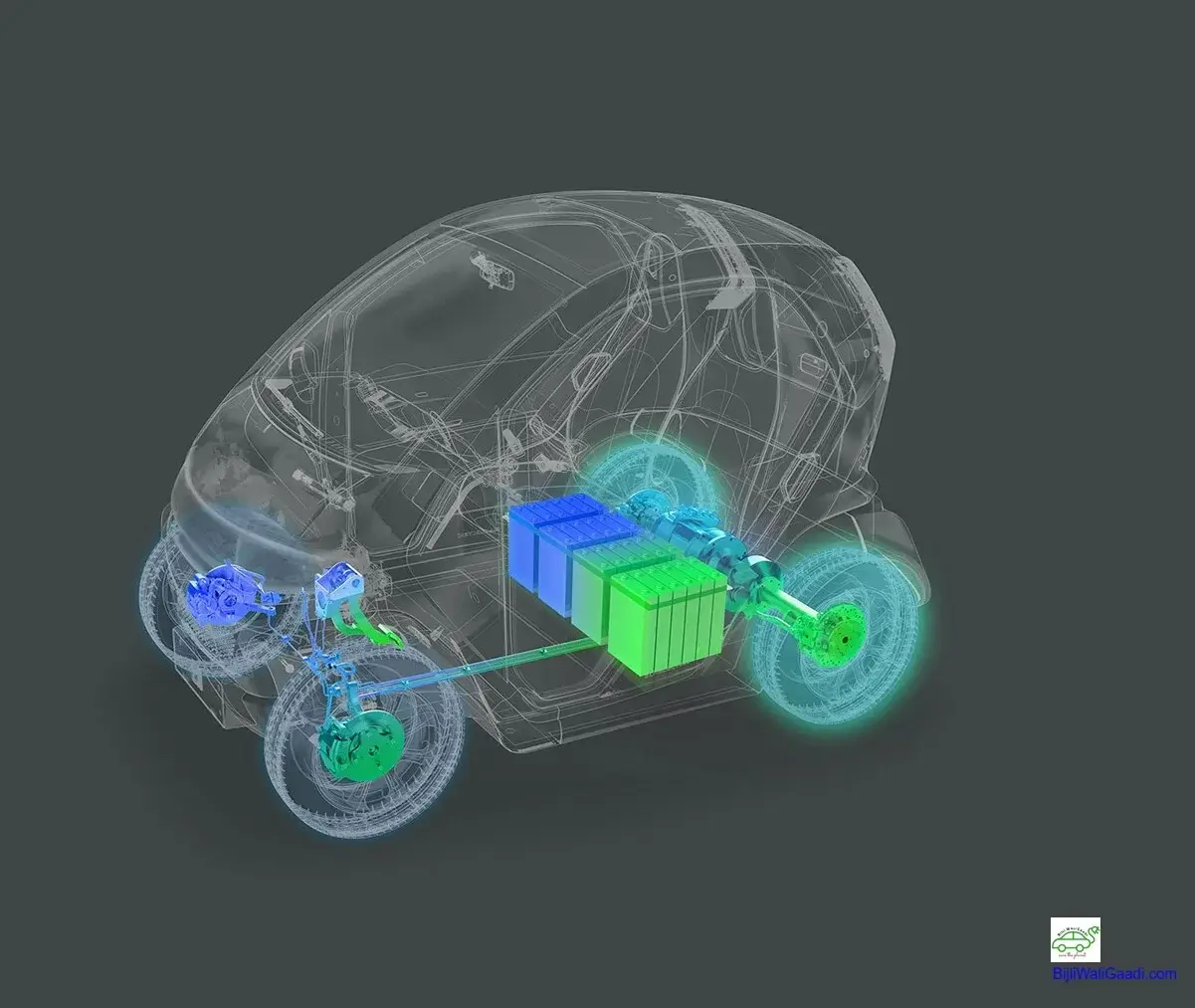
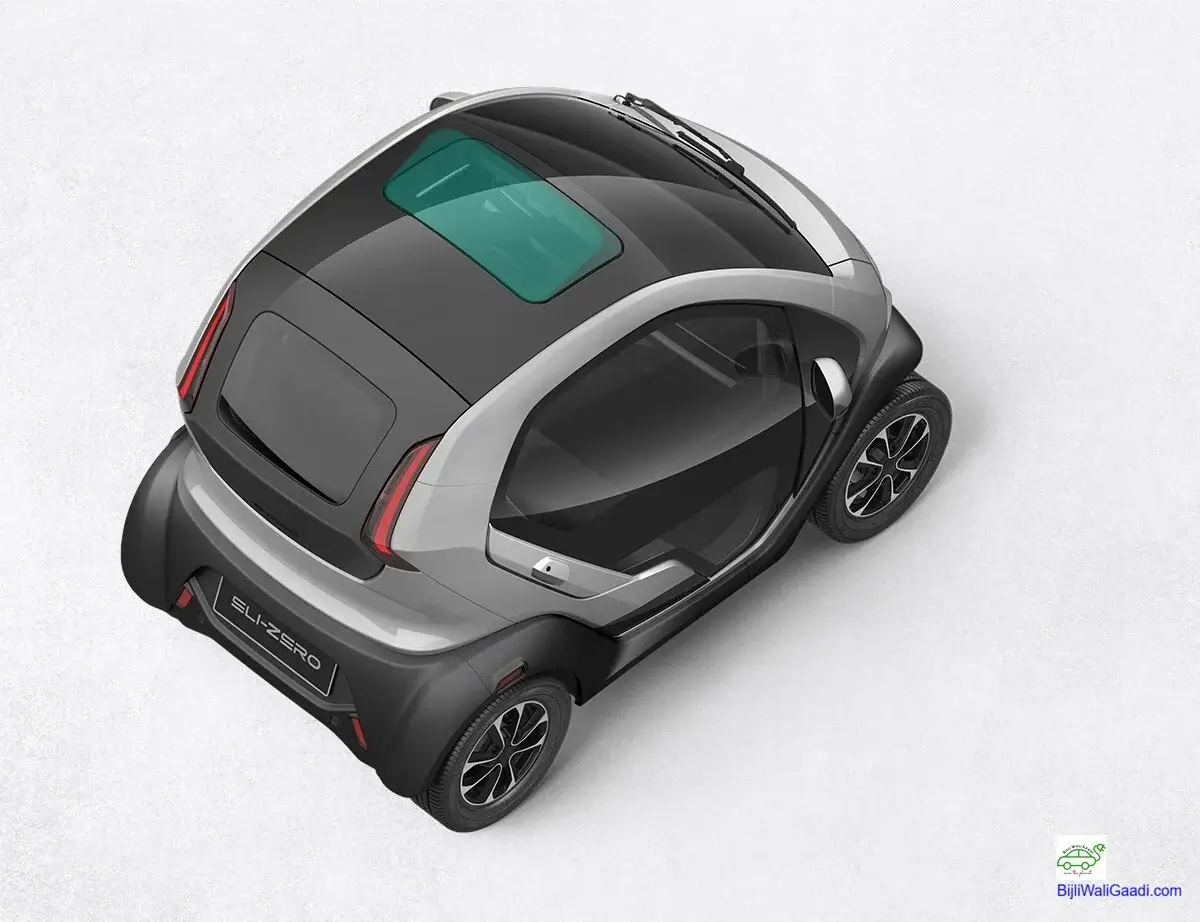
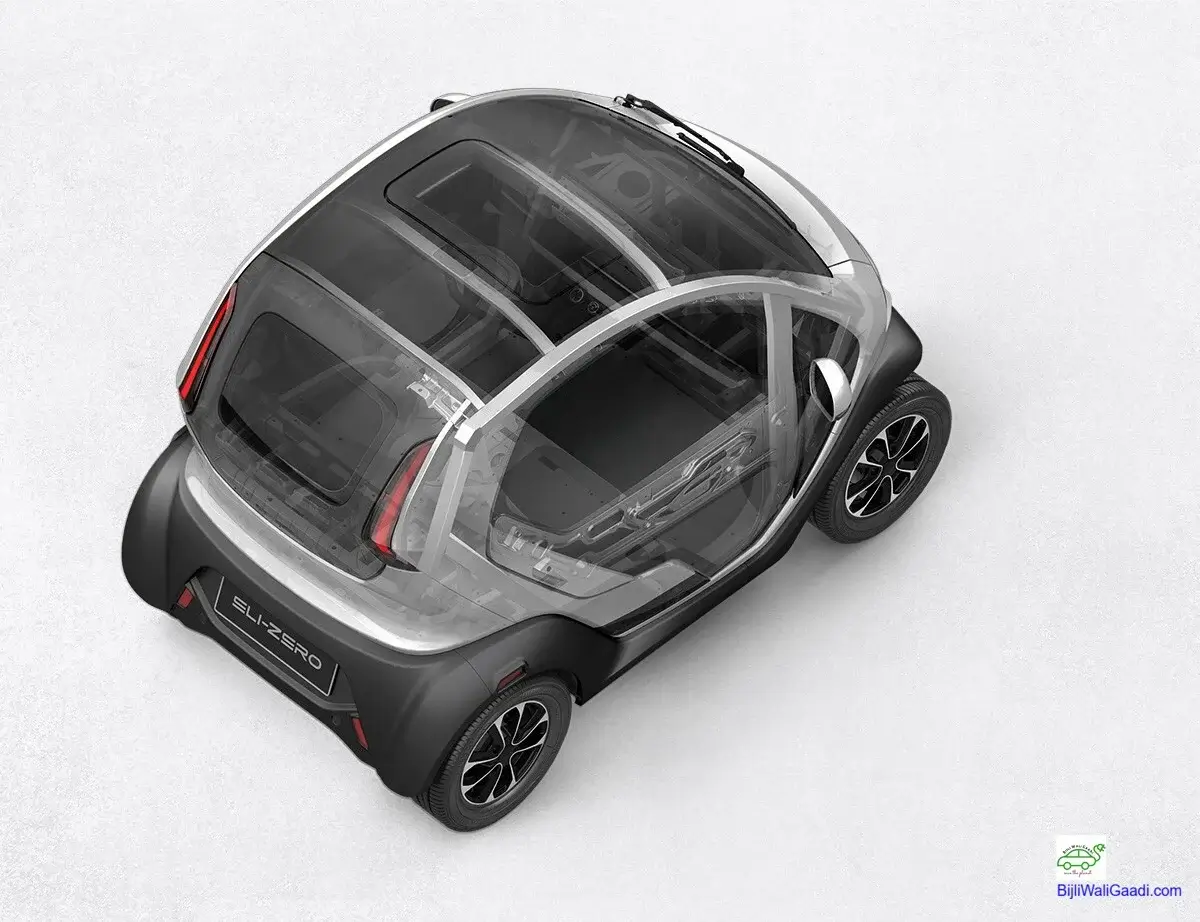
US LSV/NEV Rules vs the European L6e Quadricycle Standard
The Eli ZERO is marketed in the U.S. under the LSV framework and in Europe as an L6e light quadricycle.
In the US, it’s classed as a Low-Speed Vehicle (commonly called an NEV), capped at 25 mph (roughly 40 km/h) and generally intended for roads with posted limits of 35 mph or less, subject to applicable state and local rules. Licensing, registration and road-use rules vary by state and jurisdiction.
In Europe, the ZERO is instead homologated as an L6e light quadricycle. EU L6e rules set a maximum design speed of 45 km/h, a maximum mass in running order of 425 kg, and a maximum of two seats; the L6e-B passenger subclass carries a maximum continuous rated/net power ceiling of 6 kW, a regulatory limit rather than a confirmed figure for every ZERO configuration. Driving-licence requirements vary between European countries. L7e is a separate heavy-quadricycle category with higher power and speed allowances, but nothing in current Eli documentation places the ZERO in that class.
Technical Specification Table: Eli ZERO
| Specification | Eli ZERO |
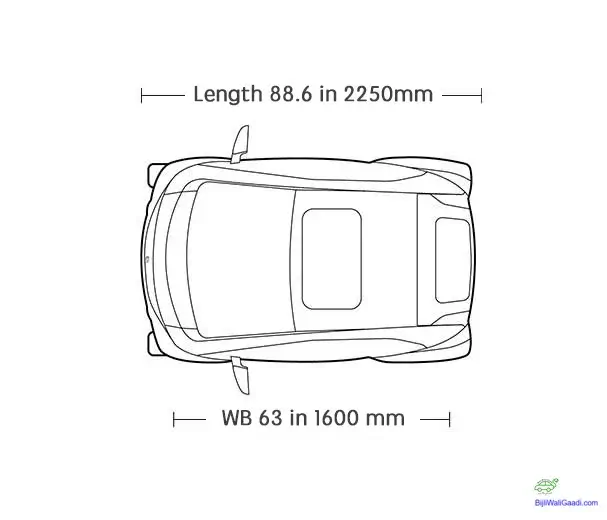
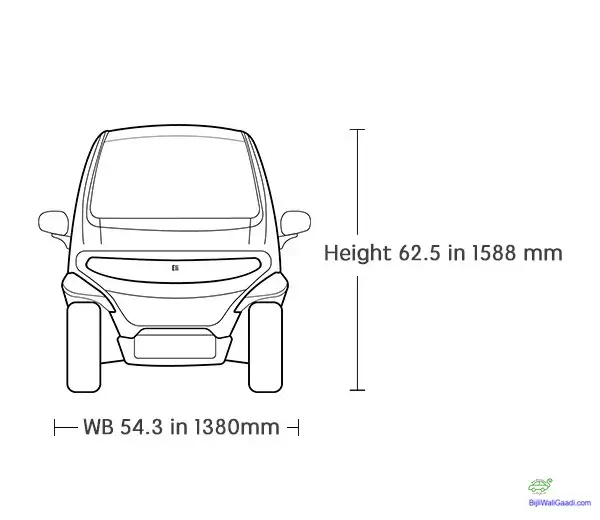
| Dimensions | 2250 × 1380 × 1588 mm |
| Wheelbase | 1600 mm |
| Seating | 2 |
| U.S. motor | 6 kW rated |
| U.S. battery | 8 or 12 kWh LFP |
| U.S. range | 60 or 90 miles, depending on battery (Eli-quoted) |
| U.S. top speed | 25 mph / 40 km/h |
| U.S. classification | LSV, commonly called NEV |
| U.S. starting price | $11,990 before destination, taxes and registration |
| European battery | 8 kWh LFP |
| European range | 100 km (claimed) |
| European top speed | 45 km/h |
| European classification | L6e light quadricycle |
| EU L6e mass limit | 425 kg maximum in running order (regulatory limit, not a confirmed ZERO kerb weight) |
For more on the European L6e quadricycle category across other models, see our license-free EV guide covering the Citroën Ami and similar vehicles.
Could Premium NEVs Work as Luxury Township Runabouts in India?
India has no direct NEV equivalent, but the underlying use case, short, low-speed trips within a defined perimeter, maps closely onto gated townships, university campuses, and resort complexes, several of which already use golf-cart-style buggies internally. A vehicle like the Eli ZERO, with real doors, climate control, and a proper chassis, would be a significant upgrade over those buggies.
The obstacles are regulatory and financial. India’s quadricycle framework differs from the U.S. LSV system: Indian passenger quadricycles are classified under a 475-kg kerb-weight limit (excluding battery mass for EVs), a maximum propulsion power of 15 kW, and a maximum design speed of 70 km/h under the applicable CMVR framework, regulatory limits, not specifications of the ZERO itself. An imported vehicle would need to meet applicable Indian type-approval, safety, registration and quadricycle requirements before legal road use.
At U.S. pricing, it would also land well above India’s homegrown quadricycles: PMV Electric currently states it expects to price the EaS-E around ₹4–5 lakh for the 160-km variant, a manufacturer-stated expectation rather than a confirmed price (see ART-007). This segment is more likely to develop through domestic manufacturers building purpose-made campus/township vehicles cheaply, rather than through direct imports of premium American NEVs.
Final Verdict
The Eli ZERO is one of the few micro-EVs in this price territory that actually feels engineered rather than assembled, aluminum chassis, glass doors, and power steering aren’t things you expect at this size. As a campus, gated-community or short urban-trip runabout, it offers a genuine step up from a traditional golf cart. But its split identity across markets also shows how fragmented this segment’s regulations still are globally: closely related market versions are capped at 25 mph in the U.S. and 45 km/h in Europe.
Frequently Asked Questions
Stay connected via Google 'Electric Vehicle' News
Follow BijliWaliGaadi | India's Trusted EV Insights Portal
source on Google