Dreame Abandons Its Electric-Car Project: What Went Wrong With China’s Most Ambitious New EV Entrant?
Stay connected via Google 'Electric Vehicle' News
Follow BijliWaliGaadi | India's Trusted EV Insights Portal
source on Google
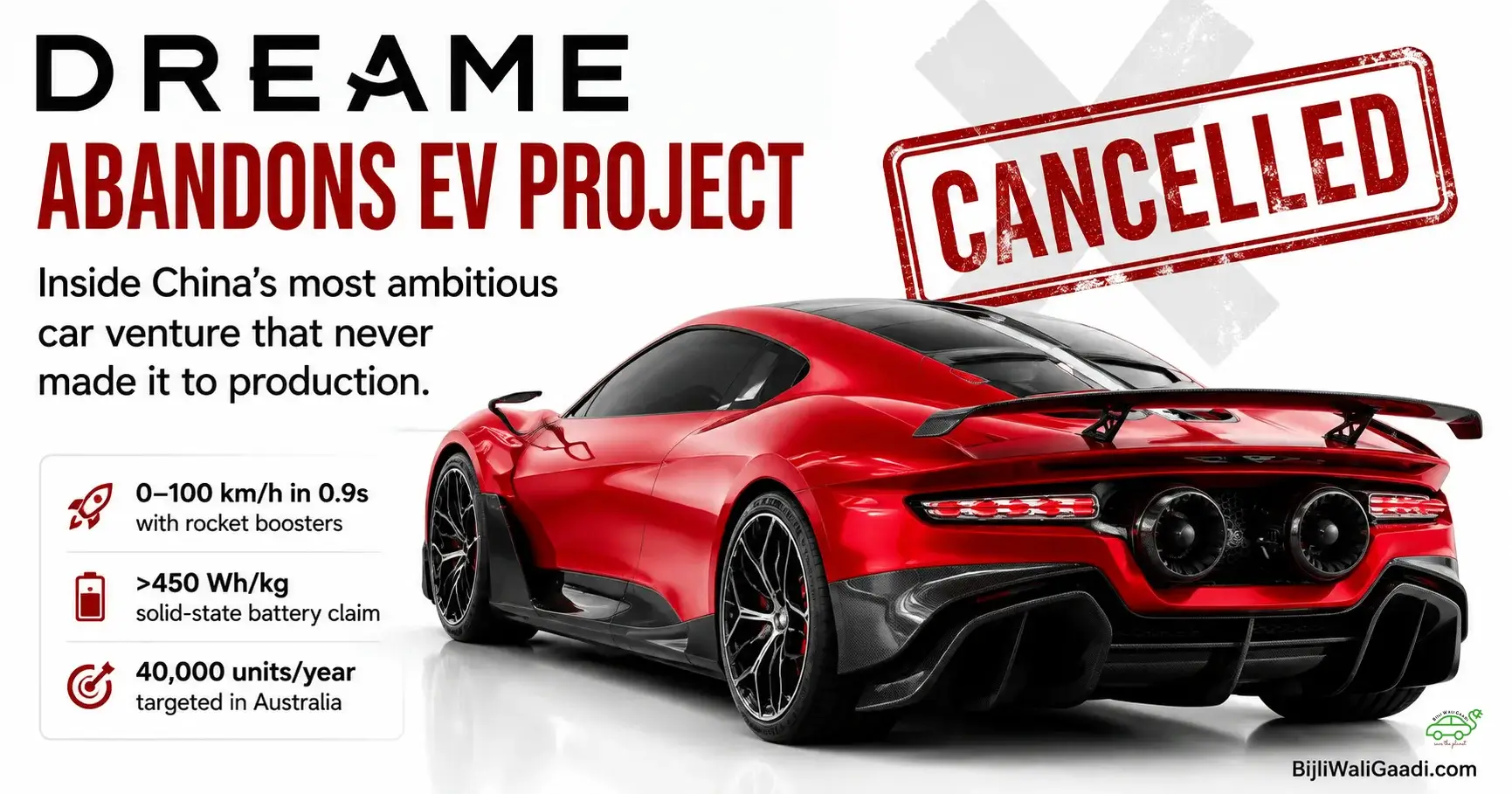
A robot-vacuum company entered the car business with a rocket-assisted supercar, a claimed 450 Wh/kg solid-state battery and plans to sell tens of thousands of vehicles a year in Australia. About a year later, Dreame Technology has shut down the programme entirely. The interesting question isn’t whether Dreame’s technology was real — much of it existed in demonstrable form, by the company’s own account. It’s why a company with genuine engineering credentials in motors, sensors and batteries could not convert that credibility into a certified, sellable car.
What Dreame Announced Versus What It Demonstrated
According to CarNewsChina, Dreame formally entered the automotive sector in August 2025, tracing its roots to founder Yu Hao’s autonomous-driving work at Tsinghua University’s SkyAxis programme more than a decade earlier. The company showed two supercar concepts at CES in January 2026, then unveiled the “Nebula NEXT 01 JET Edition” — the so-called “Rocket Car” — at its own DREAME NEXT event in San Francisco that April. Dreame’s official materials describe a car built around a third-generation “VLA and World Model” autonomous-driving platform, an in-house DHX1 LiDAR unit, and “CTP 4.0” battery-pack integration that removes traditional crossbeams and longitudinal beams to free up vertical chassis space — a packaging approach that can reduce unused structural volume and help create a lower floor without relying on conventional cross-members, suggesting real integration engineering rather than styling alone. What the disclosures do not establish is whether any of this existed in a functioning, drivable vehicle rather than a static show car and a roadmap — the gap that sits at the centre of this story.
The 0.9-Second Sprint Measured a Rocket, Not a Drivetrain
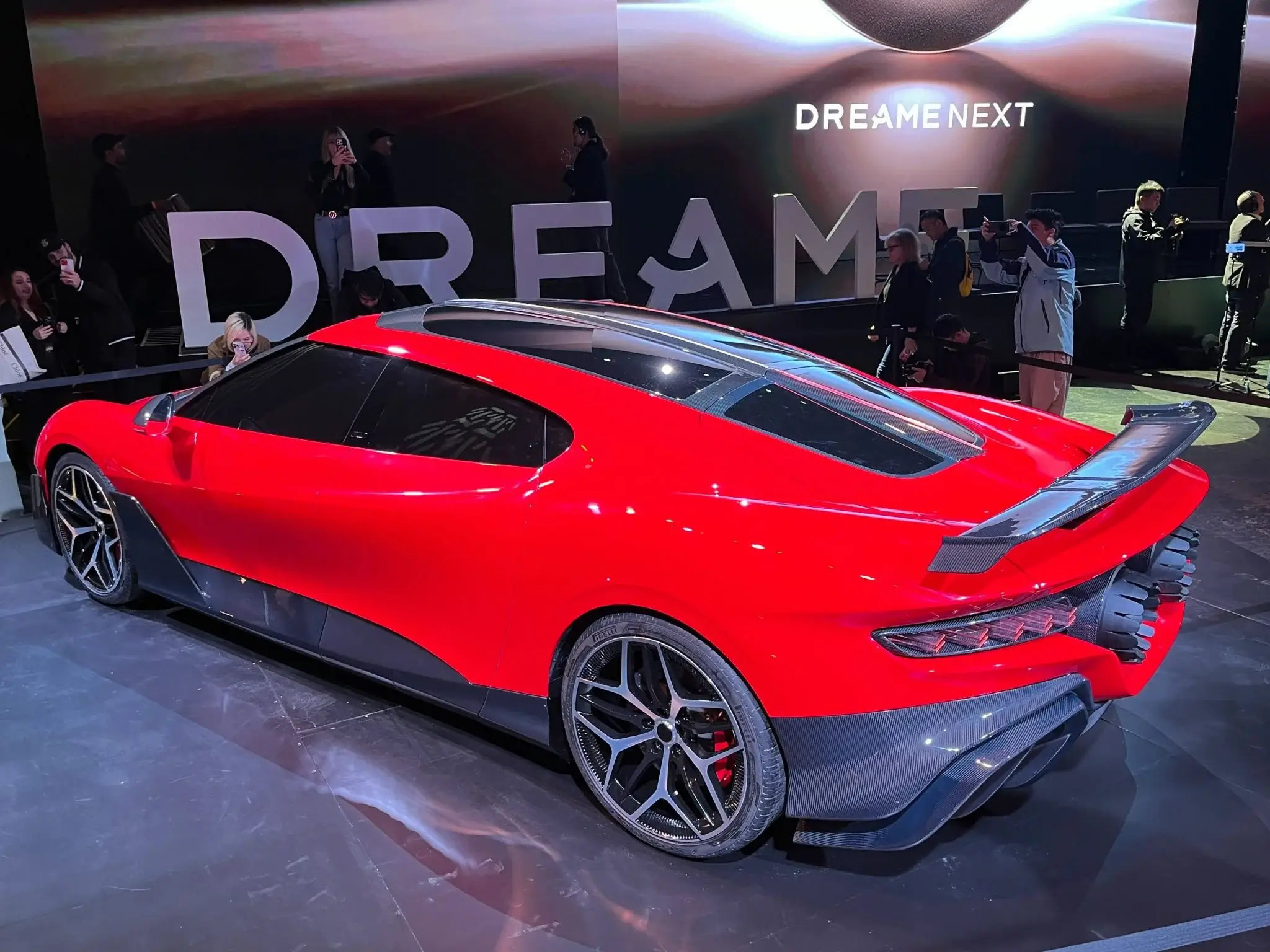
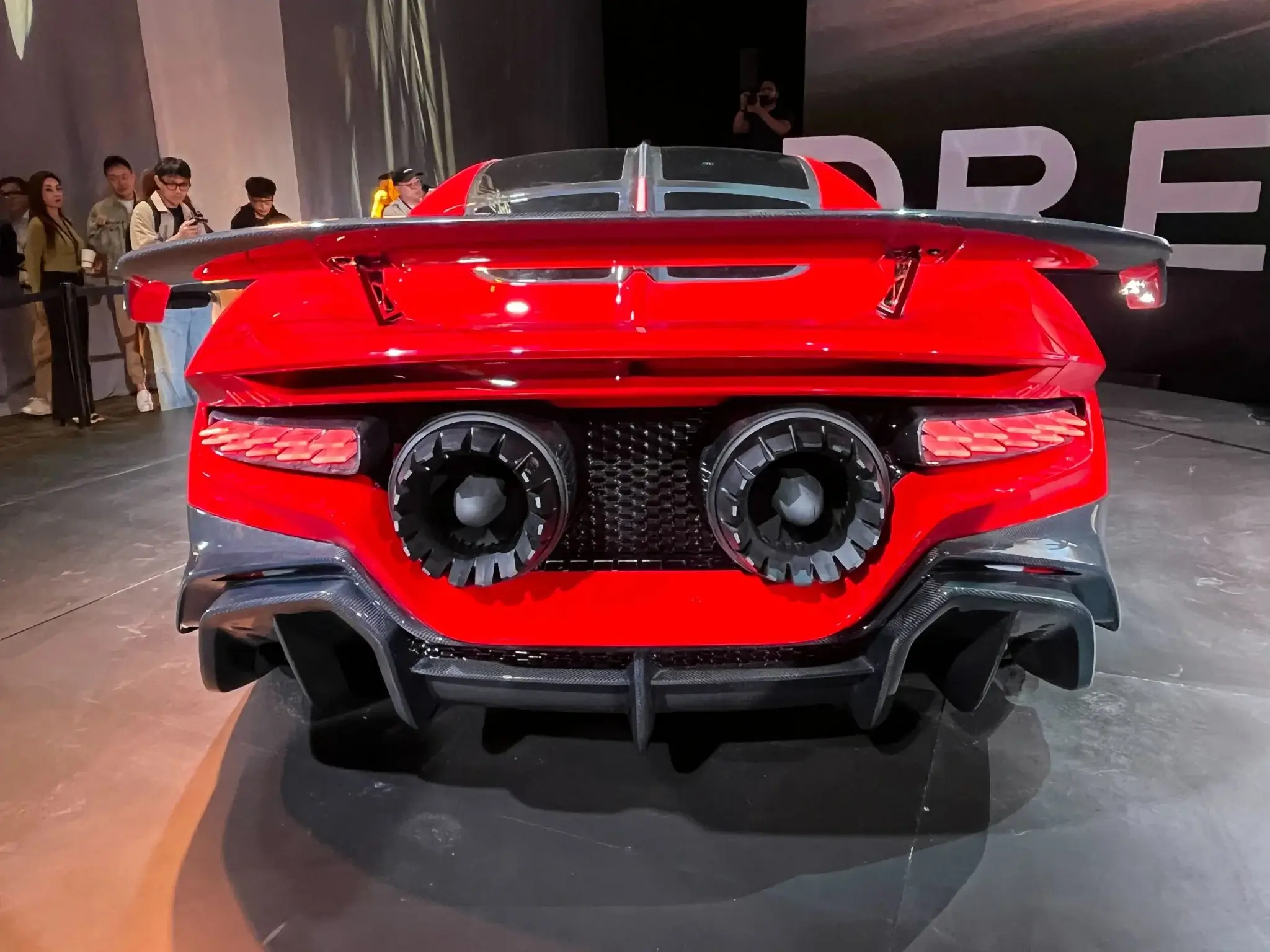
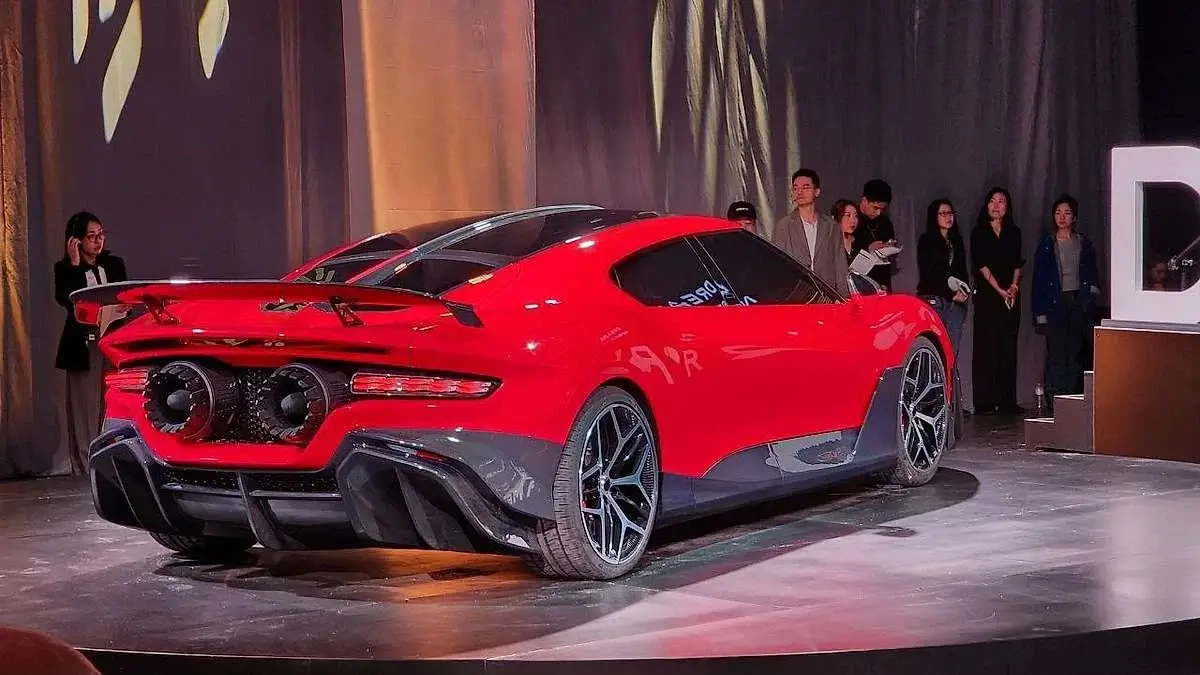
The Nebula NEXT 01 JET Edition is a rocket-powered electric vehicle equipped with a custom-built dual solid-fuel rocket booster system that responds in 150 milliseconds, generates a peak thrust of 100 kN, and delivers a 0-to-100 km/h time of 0.9 seconds. Image credit: https://www.theautopian.com/
The headline acceleration claim — 0 to 100 km/h in roughly 0.9 seconds — was not, by Dreame’s own description, a conventional EV achievement. The company credits a “custom-built dual solid-fuel rocket booster system,” with 150-millisecond response and 100 kN of peak thrust, for the sprint time — a materially different engineering problem from a normal EV’s launch performance, which depends on electric-motor torque, tyre-road traction, power-to-weight ratio and battery discharge capability under repeated hard launches. A supplementary thrust system can produce a spectacular one-off number without proving anything about how the underlying drivetrain would behave in ordinary, repeatable driving, let alone in a certified, insurable production car. Strategically, that distinction matters more than the number itself: a striking demonstration generates attention regardless of whether the commercial product behind it is close to ready.
The 450 Wh/kg Battery Claim Needs Context, Not Dismissal
CarNewsChina reported the Rocket Car used a sulfide-based all-solid-state battery said to exceed 450 Wh/kg, with a CLTC range above 550 km. This should not be read as evidence of fraud or impossibility — Dreame has separately described a 60-Ah solid-state cell above 450 Wh/kg with small-batch deliveries planned, and other Chinese battery developers, including firms targeting 2027 trial production, are pursuing solid-state cells in a comparable 400–500 Wh/kg class. The relevant question is not whether such a cell can exist, but whether Dreame could move from a cell-level claim to a validated pack-level battery, then through manufacturing yield, cycle-life testing, crash and thermal safety certification, and consistent mass production. Pack-level density is typically well below cell-level figures once casing and cooling are added, and the sources don’t specify which level Dreame’s number describes. The available reporting does not establish that the battery had cleared automotive-grade validation.
Dreame’s Consumer-Electronics Technology Was a Real Asset — Just Not a Complete One
Dreame’s existing capabilities in high-speed digital motors, robotics, sensors and battery R&D gave it a legitimate technical starting point that many automotive startups lack. But those capabilities do not automatically confer crash engineering, vehicle dynamics tuning, functional-safety certification, supplier qualification, or the manufacturing and dealer infrastructure a mass-market carmaker needs. The distance between a design concept, a functioning prototype and a homologated production car is considerable, and the available reporting provides no clear evidence that Dreame’s programme had progressed to the vehicle-validation and industrialisation stages required for production.
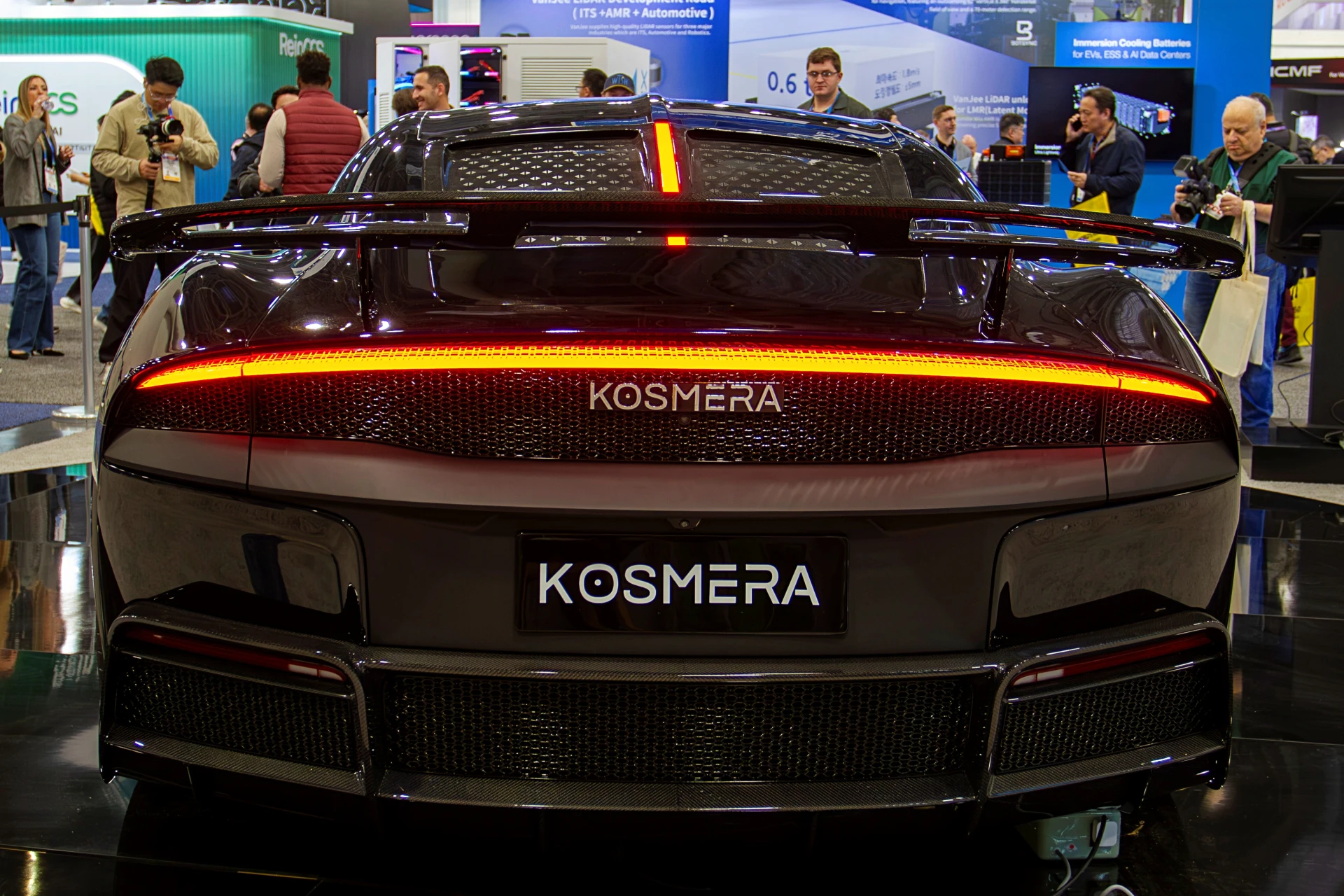
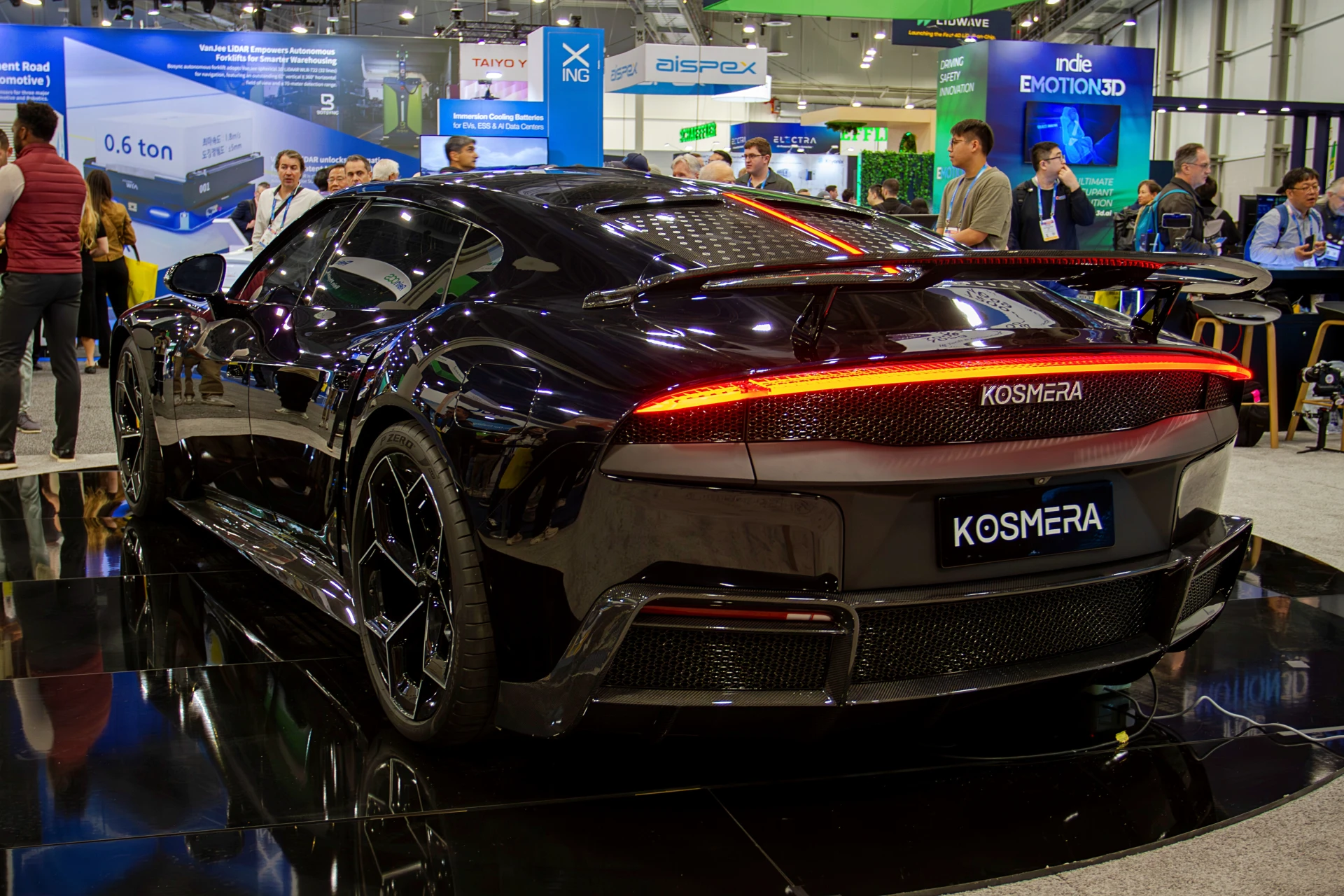
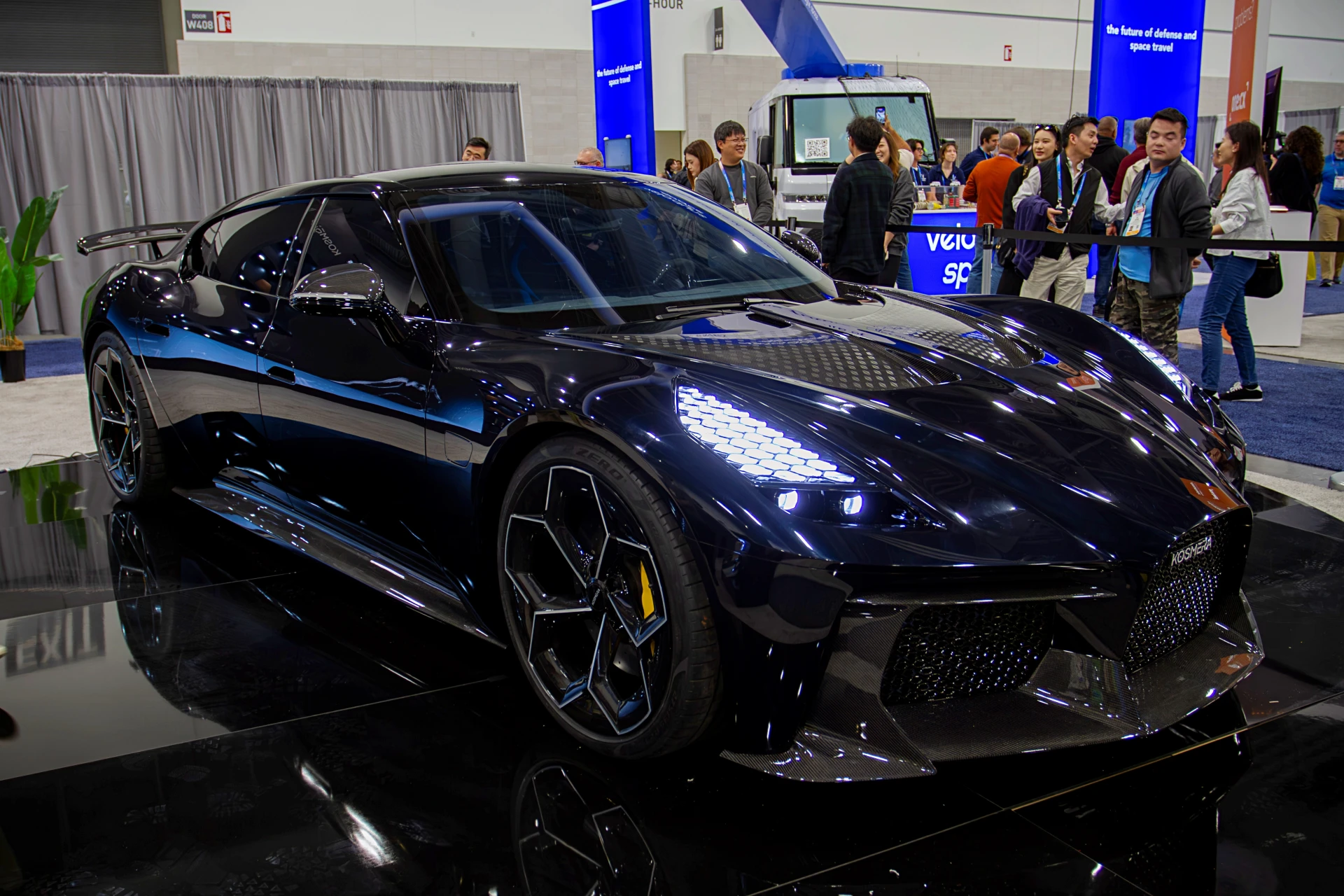
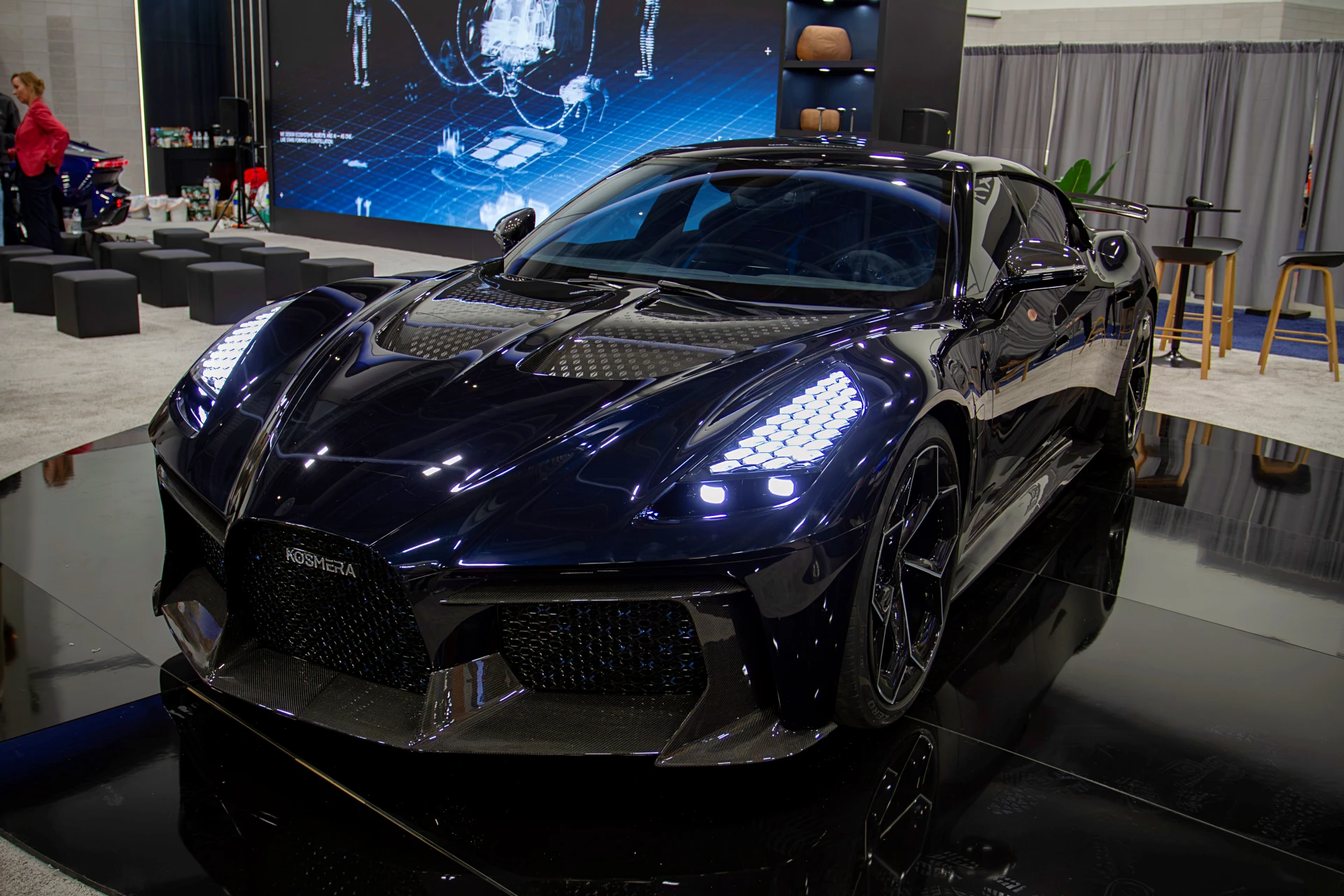
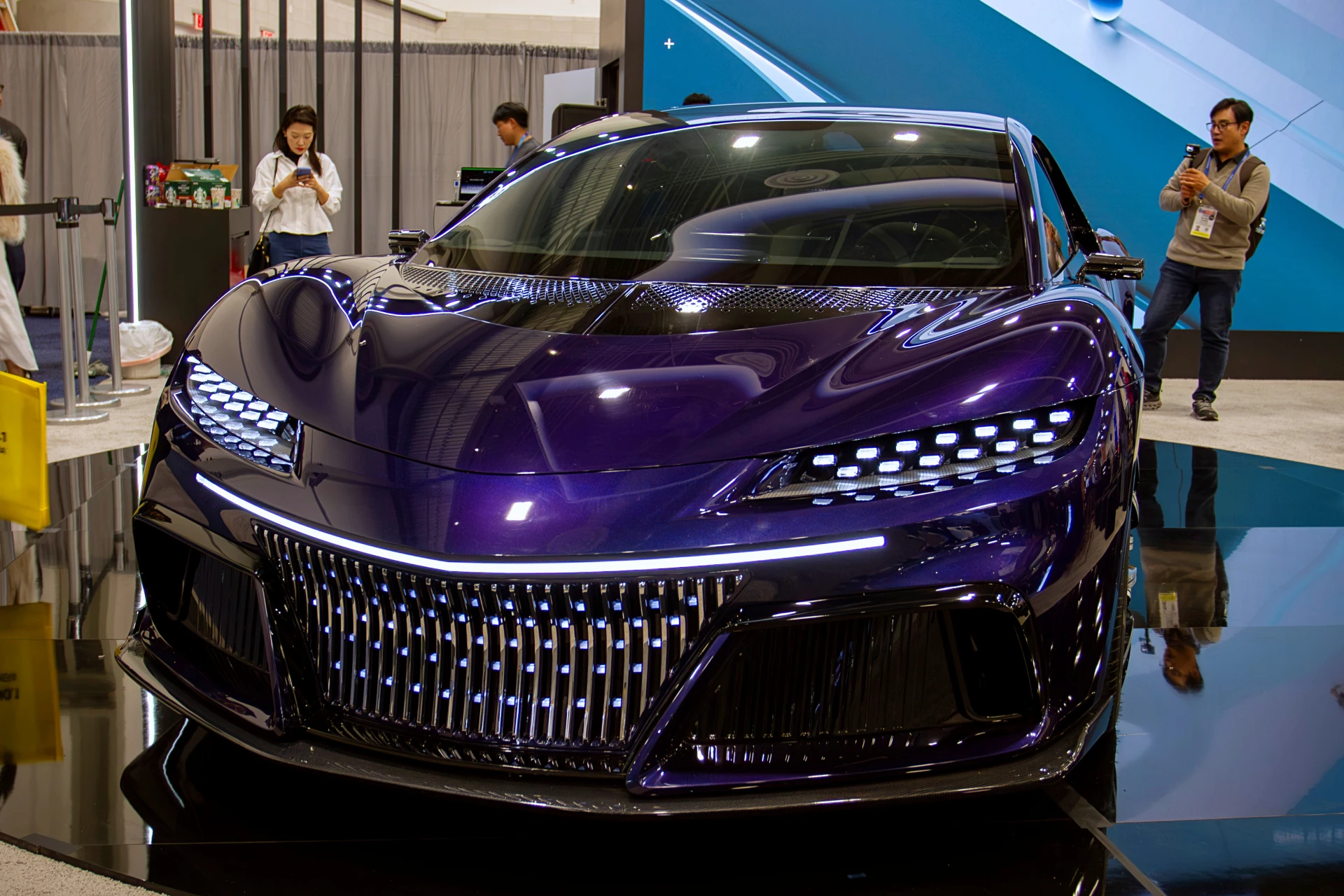
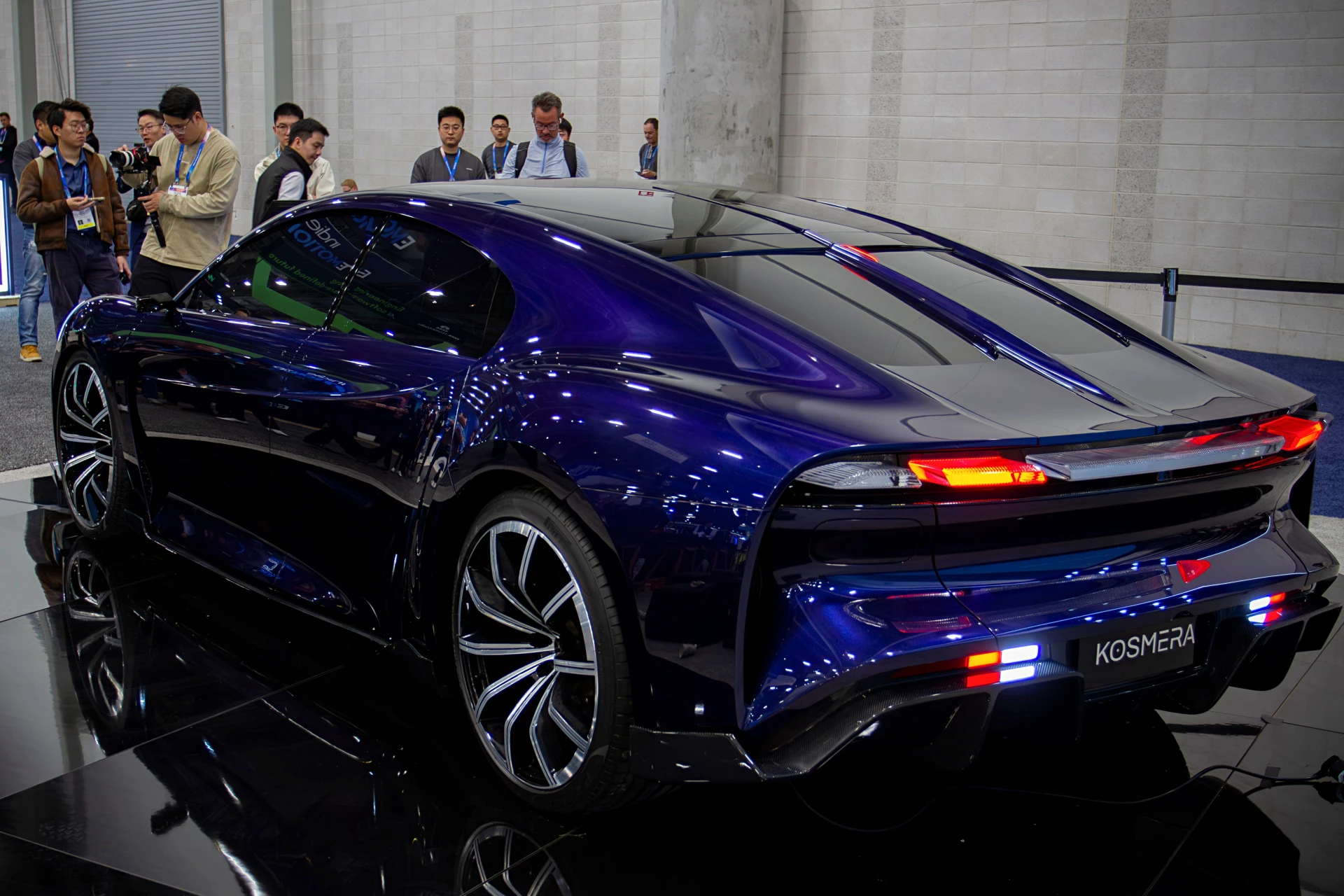
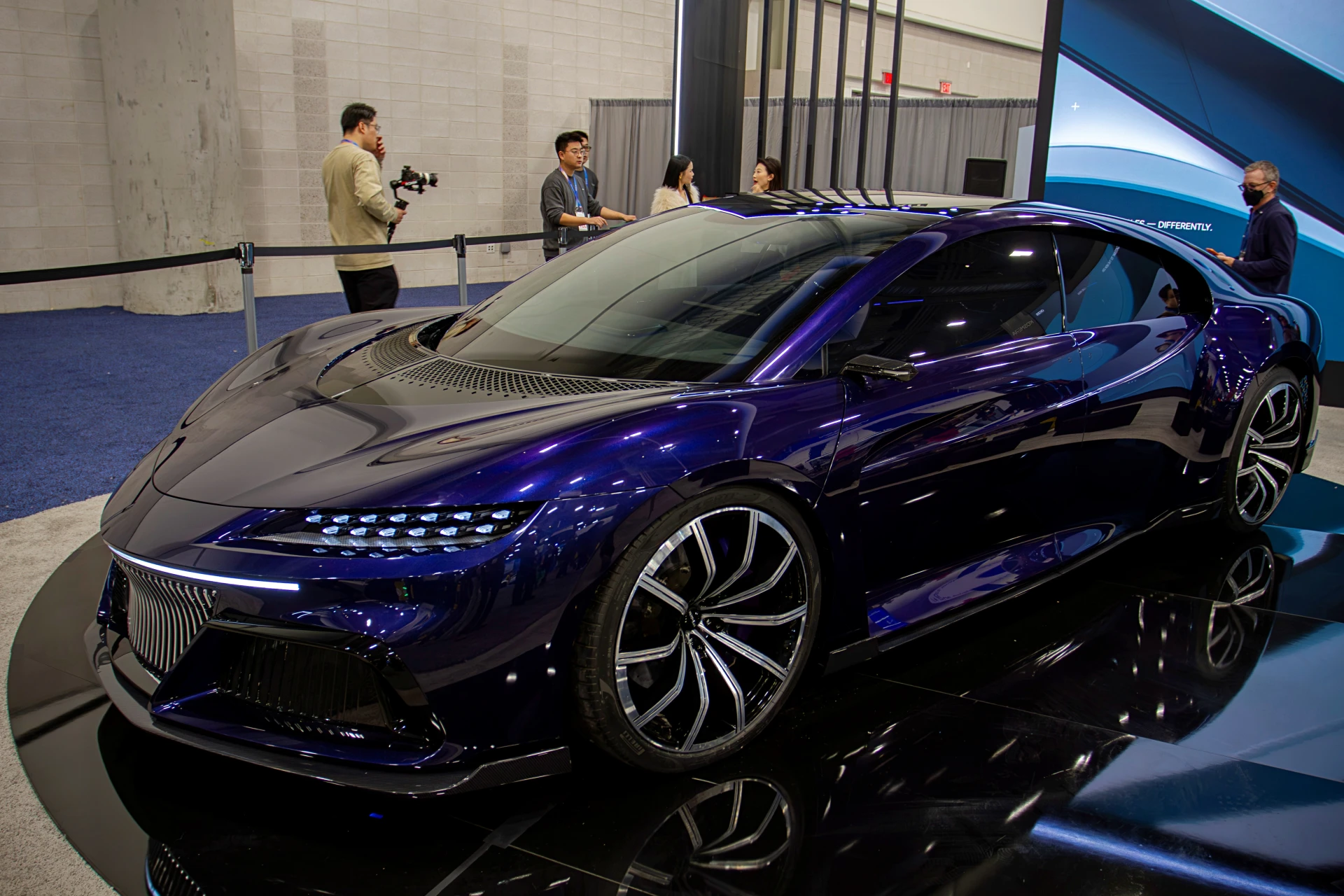
Other EVs showcased by Dreame. Image credit: https://newatlas.com/
Dreame’s Real Failure Was the Gap Between Technology and Industrialisation
A car is not a collection of impressive parts; it is an integrated system in which battery, motor, inverter, software, sensors, chassis, crash safety and manufacturing all work together, at scale, reliably, for years. A company can be technically credible in individual components — a motor, a LiDAR unit, a cell chemistry — and still fail entirely as a carmaker, because industrialisation is a separate, vastly more capital-intensive discipline than component development. This is the central lesson of Dreame’s collapse.
Dreame also told Drive it was targeting more than 40,000 vehicle sales a year in Australia from early 2027, despite never having produced a road-legal car or shown a production model. A target of that scale implies a mature manufacturing system, a qualified supplier base, market homologation, and service infrastructure for tens of thousands of owners — none of which the available reporting shows Dreame had established. Setting a large overseas volume target before that groundwork is visible is itself a significant strategic signal.
What the Allegations Say — and What Remains Unverified
CarNewsChina reports that local authorities began investigating how Dreame’s automotive division spent investment and government grant funds, restricting its ability to deploy that capital — one contributing constraint, not the sole or proven cause of the collapse. Separately, CarNewsChina and Drive, citing China Economic Net, say former employees alleged that the CES and motor-show display car lacked a working chassis and was moved by remote control, and that the Rocket Car model was purchased from a Shanghai model-making company and fitted with a chassis and thruster housings for visual effect. The same reporting cites claims that the division prioritised securing investment ahead of R&D budget and used high salaries and inflated titles to recruit talent. These remain allegations attributed to unnamed former employees and could not be independently verified here. If accurate, they describe a programme that let visibility and fundraising get ahead of engineering validation — a sequencing problem, not proof that every technology claim was false.
What This Means for Consumer-Electronics Companies Entering the Car Business
Dreame’s ambition to move from hypercar concepts toward mass-market SUVs, while pursuing an aggressive overseas sales target, compressed into little more than a year a process that established automakers typically spread across multiple development cycles. The failure modes visible in the reporting — ambitious performance targets, heavy reliance on technology announcements, premature disclosure, and a possible mismatch between talent acquisition and engineering infrastructure — form a useful checklist for the next consumer-electronics brand that announces a car.
Final Analysis
The available evidence does not establish that Dreame’s underlying technologies were fake. What it does establish is a persistent gap between what the company announced and what it can be shown to have validated as a production-ready vehicle. If the reported allegations are accurate, Dreame’s deeper strategic error may not have been dreaming too big, but allowing the appearance of an automotive business to get ahead of proof that its vehicle-development system was ready. That distinction, between impressive components and a certified car, is the one every consumer-electronics company eyeing the automotive industry must now answer before its own launch event.
Stay connected via Google 'Electric Vehicle' News
Follow BijliWaliGaadi | India's Trusted EV Insights Portal
source on Google