Bajaj Qute EV: What’s Actually Confirmed Before India’s Affordable Electric Quadricycle Arrives
Stay connected via Google 'Electric Vehicle' News
Follow BijliWaliGaadi | India's Trusted EV Insights Portal
source on Google
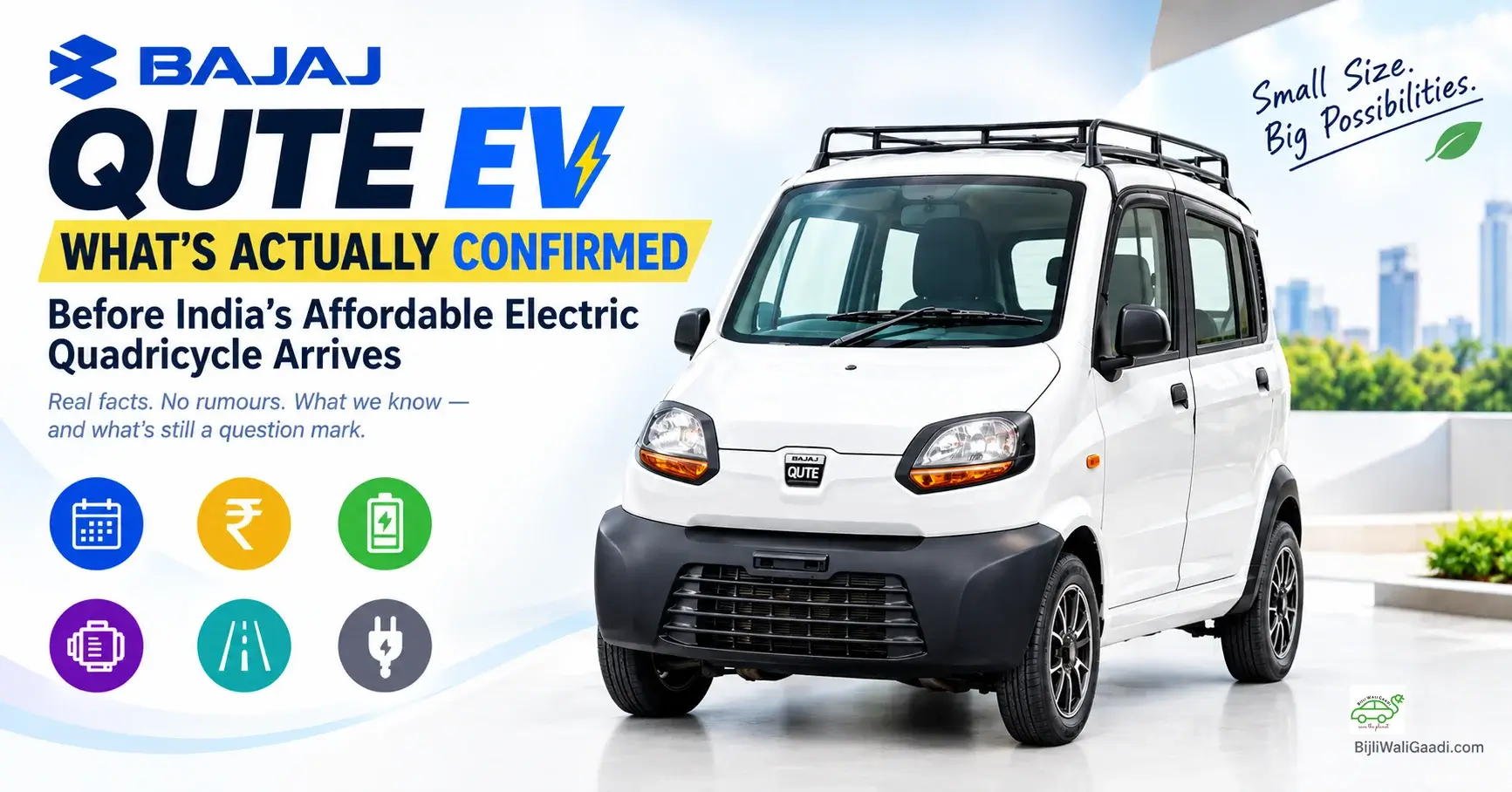
Bajaj Qute EV is a four-seater electric quadricycle. This has not been officially launched in India yet. What does exist is a company with genuine electric-vehicle credibility, a vehicle that has been shown or reported as a pre-production model in testing-related coverage, and a wave of speculative “specifications” circulating online that don’t hold up to scrutiny. What follows separates what’s actually verifiable about the Bajaj Qute EV from what remains guesswork.
Bajaj Qute EV: What We Know So Far
- Launch status: Not officially confirmed. Recent media and dealer-level reports have pointed to regulatory/homologation progress, but Bajaj Auto has not publicly confirmed the Qute EV’s commercial launch date.
- Expected price: Dealer-level reports point to a ₹3.0–4.5 lakh range, but this is not an official Bajaj figure.
- Vehicle type: A quadricycle, not a conventional passenger car.
The Qute Is Not a Clean-Sheet Experiment
The Qute badge already has a track record. When Bajaj first launched the Qute in India in 2019, it initially rolled out across six states, sold for both personal and commercial use on CNG and LPG power. Since then, the model has also been exported to markets including Egypt, Turkey and several African countries, competing on price and simplicity rather than outright performance.
The Qute EV is being developed within the same broad quadricycle category in which Bajaj already has product experience, but Bajaj has not publicly disclosed how much of the existing Qute’s underlying engineering or hardware is carried over to the electric version.
Why the Qute Is a Quadricycle, Not a Conventional Hatchback
Searches for “Bajaj Electric Car” may increasingly lead buyers to the Qute EV, but that terminology needs a qualification: the Qute belongs to the quadricycle category rather than the conventional passenger-car category, with different crash-structure requirements, weight limits and regulatory treatment.
That classification is central to how the Qute — and by extension the Qute EV — reaches its low-cost positioning in the first place. “Bajaj Micro Car” is another common way buyers may describe the Qute because of its tiny footprint, but technically the vehicle is a quadricycle, not a conventional micro-hatchback. The Qute also occupies an unusual place in the “Micro Car in India” conversation because its compact dimensions come from its quadricycle classification rather than from simply being a smaller conventional hatchback. Its crash safety or structural protection should not be compared directly to a conventional hatchback’s unless official testing data says otherwise — and for the electric version, that data doesn’t yet exist.
What’s Actually Confirmed So Far
Here is what can be said with confidence, based on verifiable reporting rather than speculation. Recent media and dealer-level reports have pointed to regulatory/homologation progress — but Bajaj Auto has not publicly confirmed the Qute EV’s commercial launch date, and homologation or regulatory approval should not be confused with a commercial launch.
As a result, the currently reported Bajaj Qute EV price of ₹3.0–4.5 lakh should be treated as an estimate rather than an official ex-showroom price. This figure comes from dealer and media reporting, not a Bajaj-confirmed source.
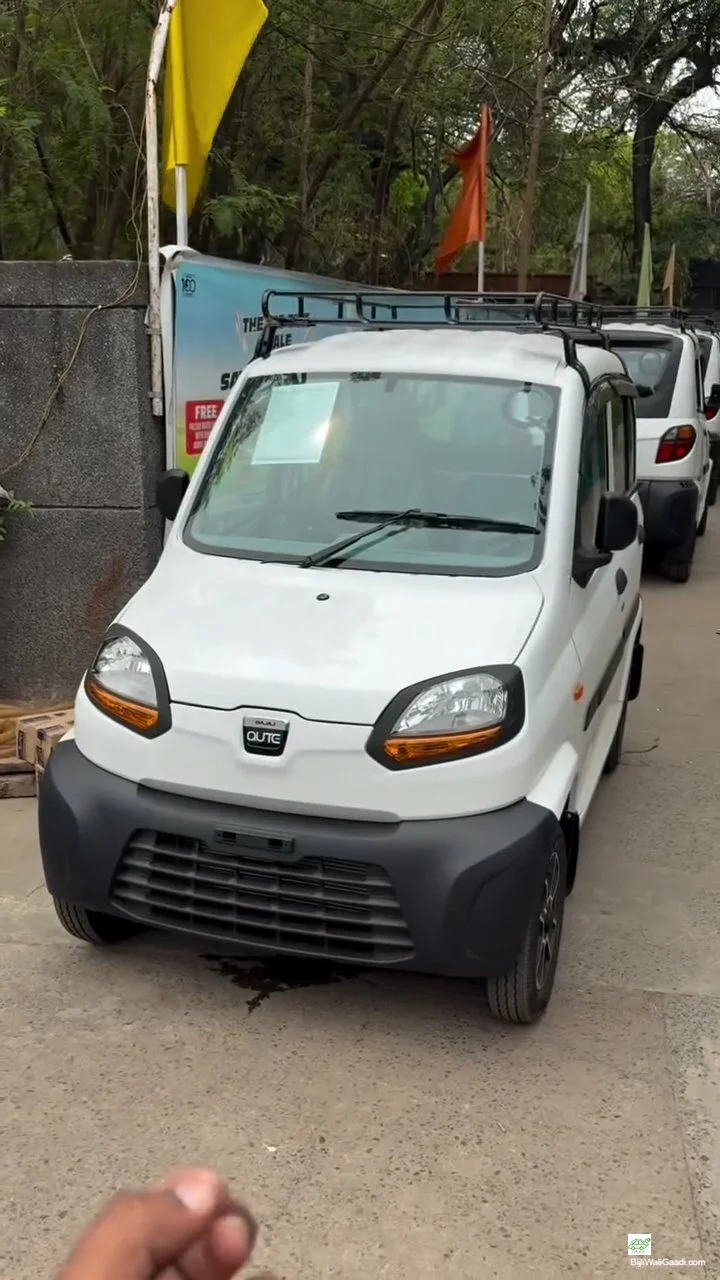
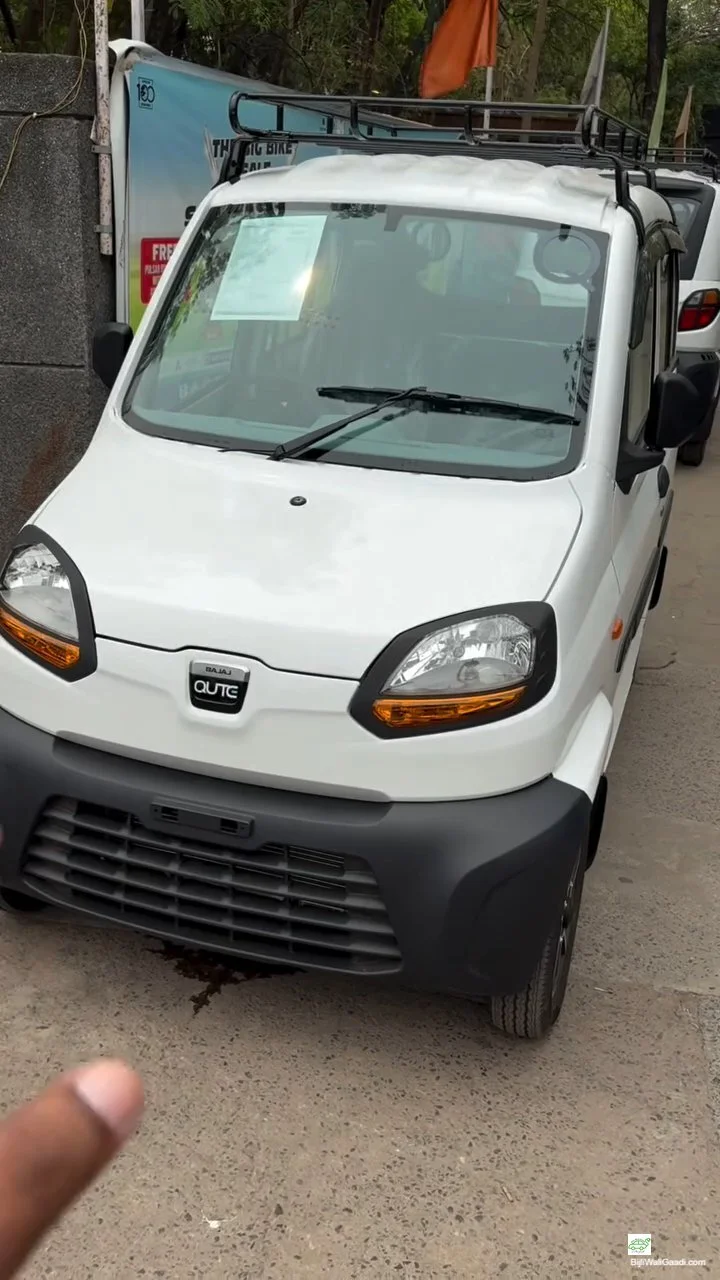
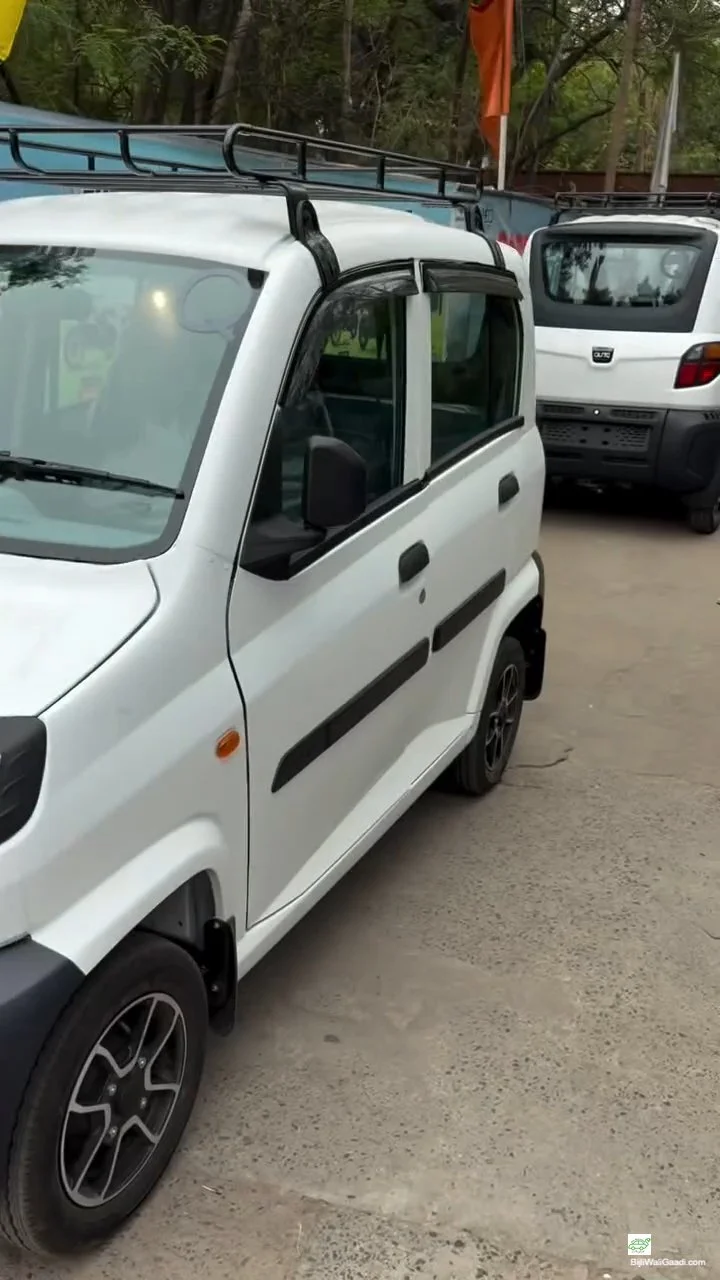
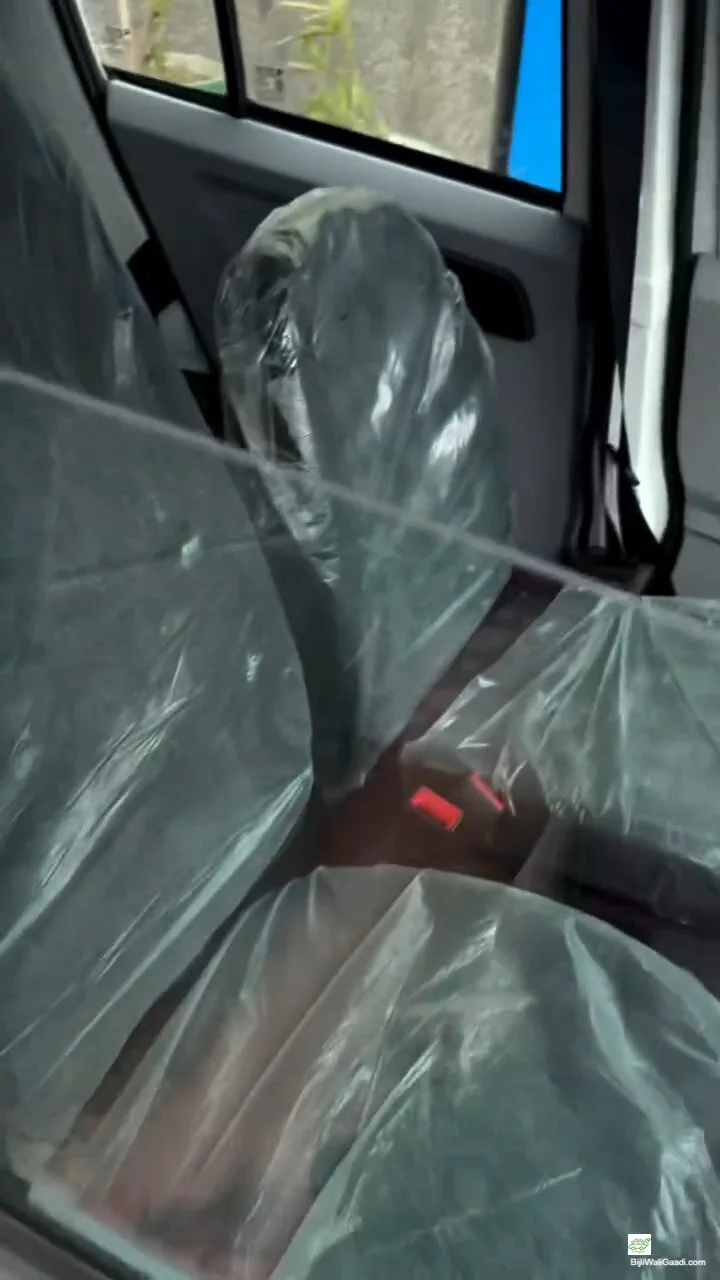
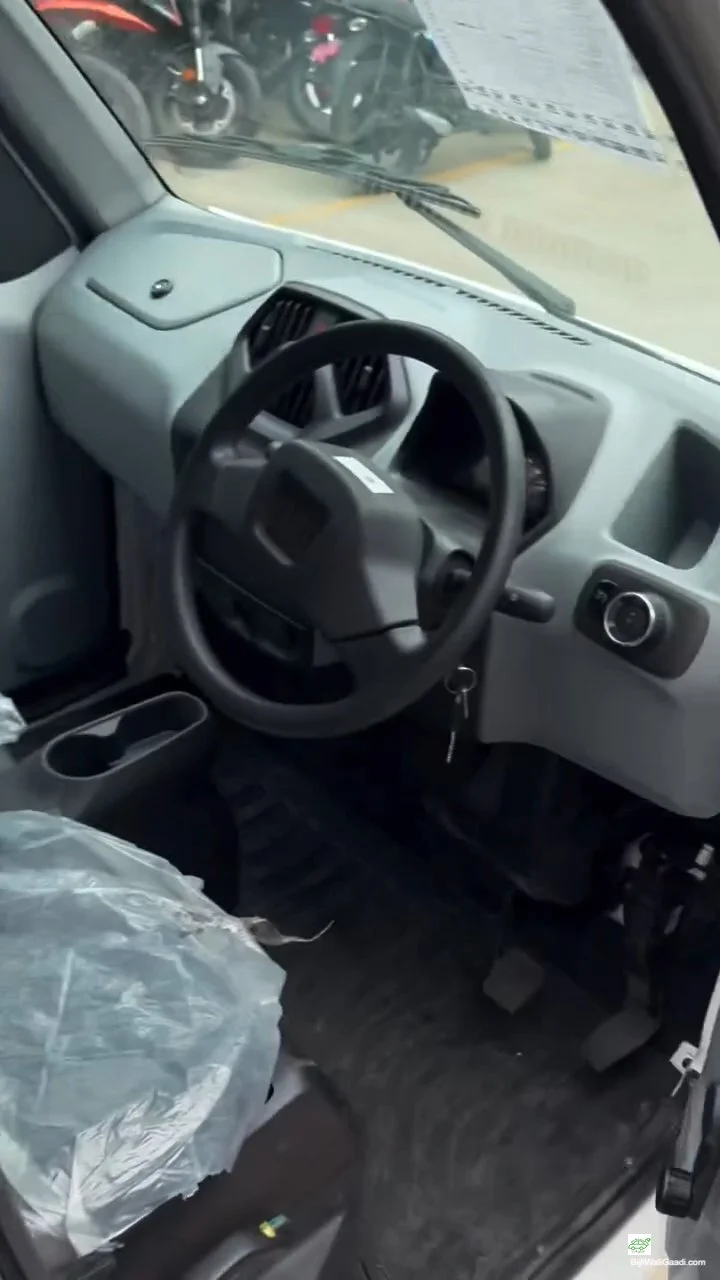
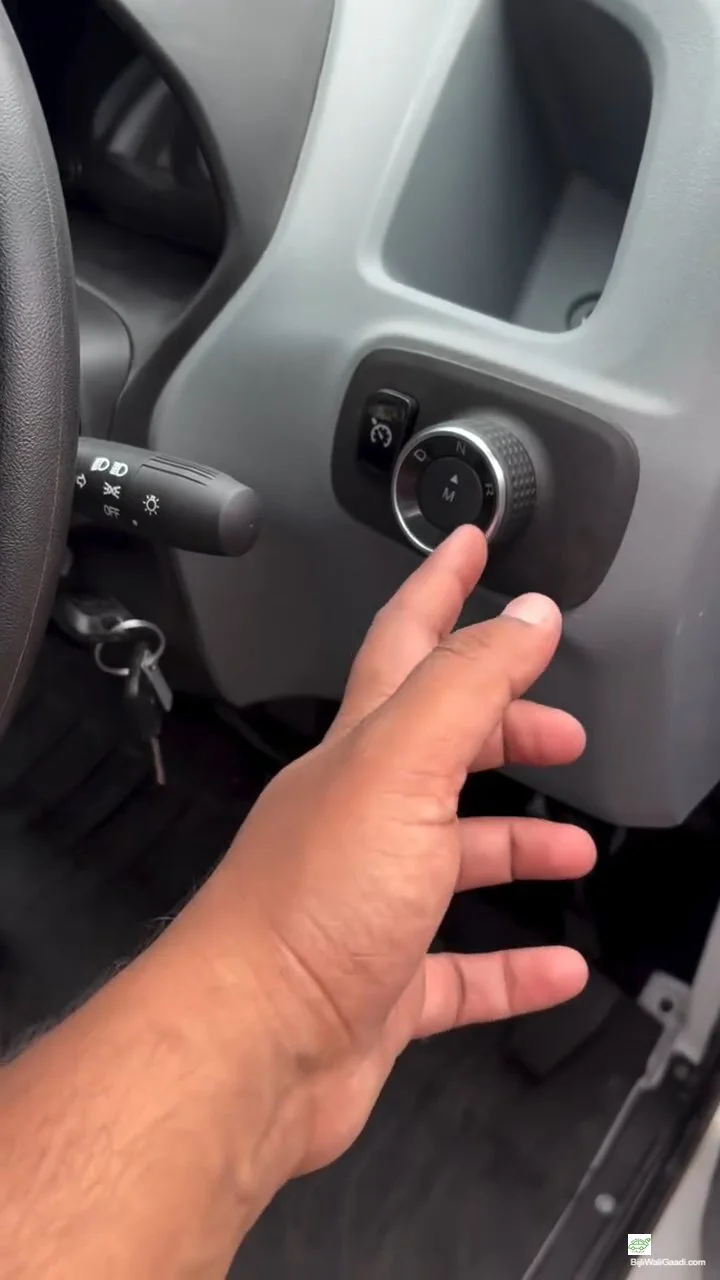
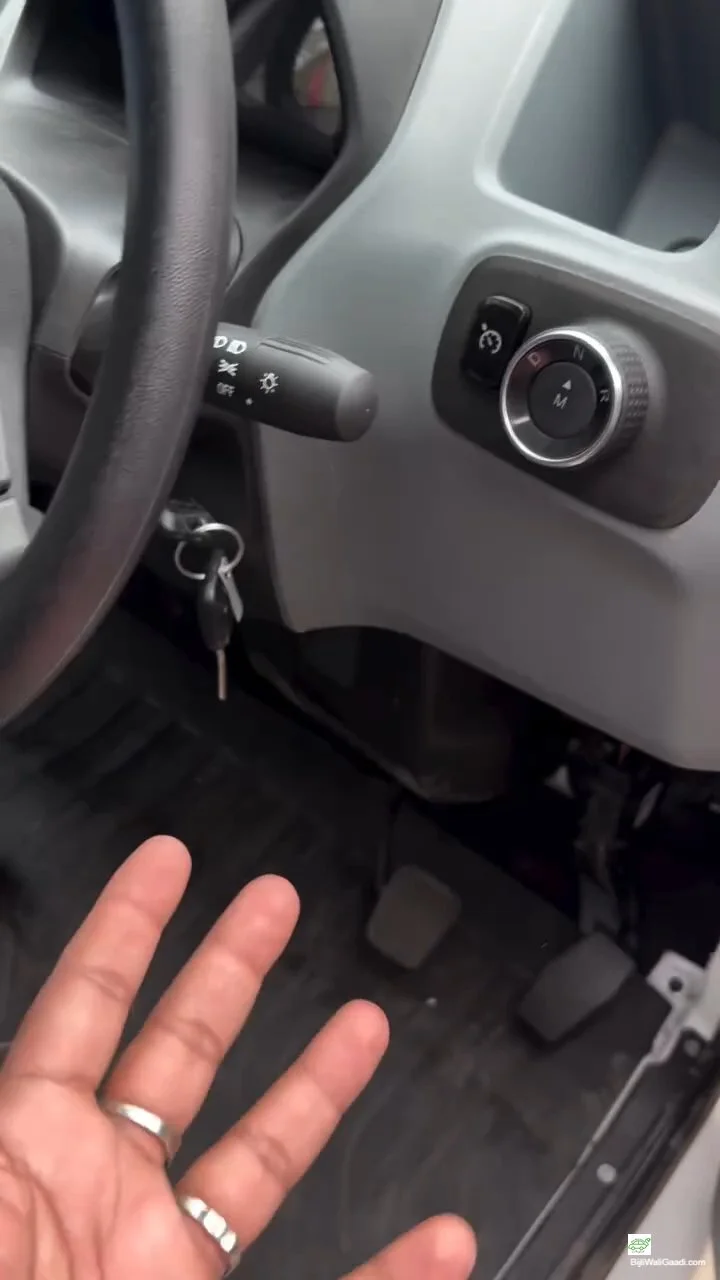
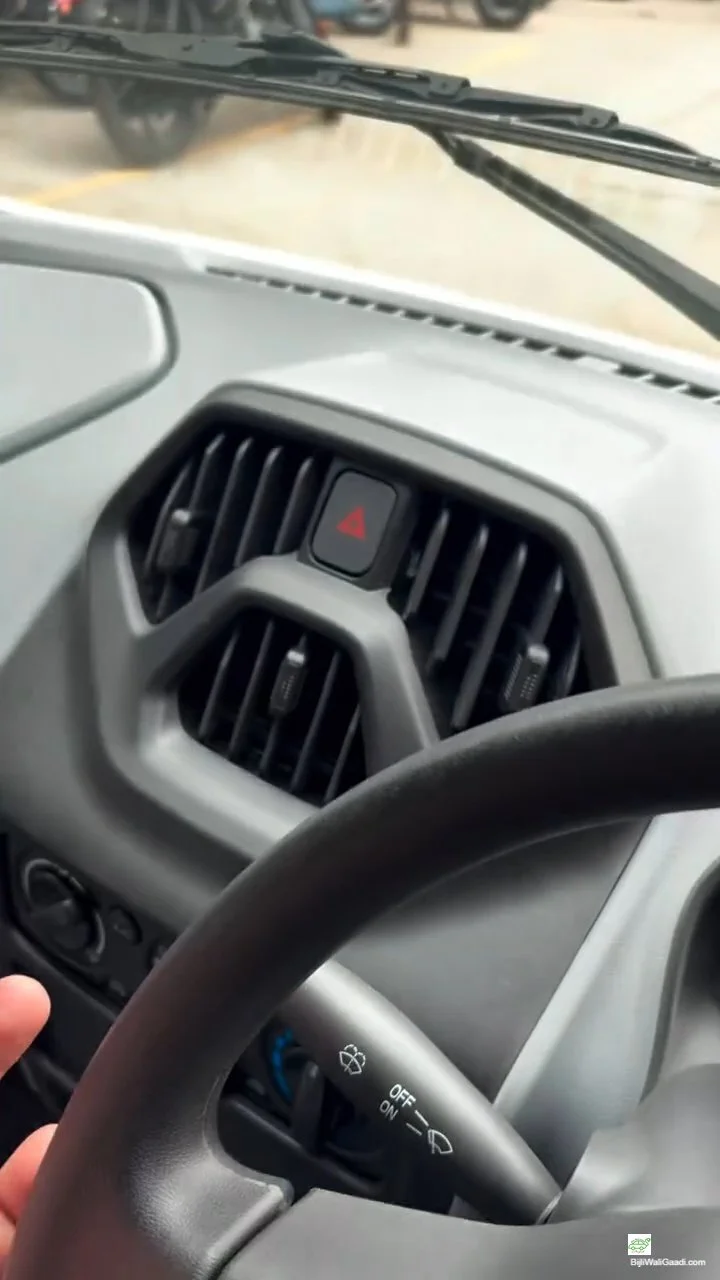
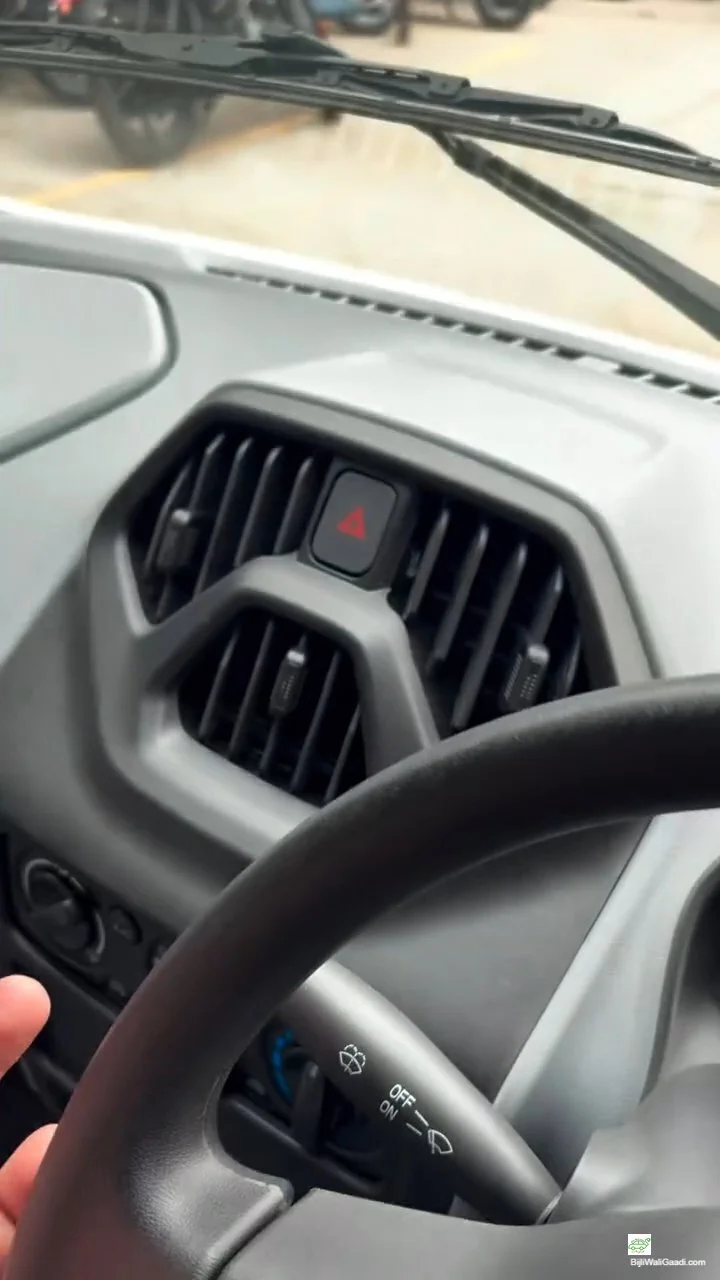
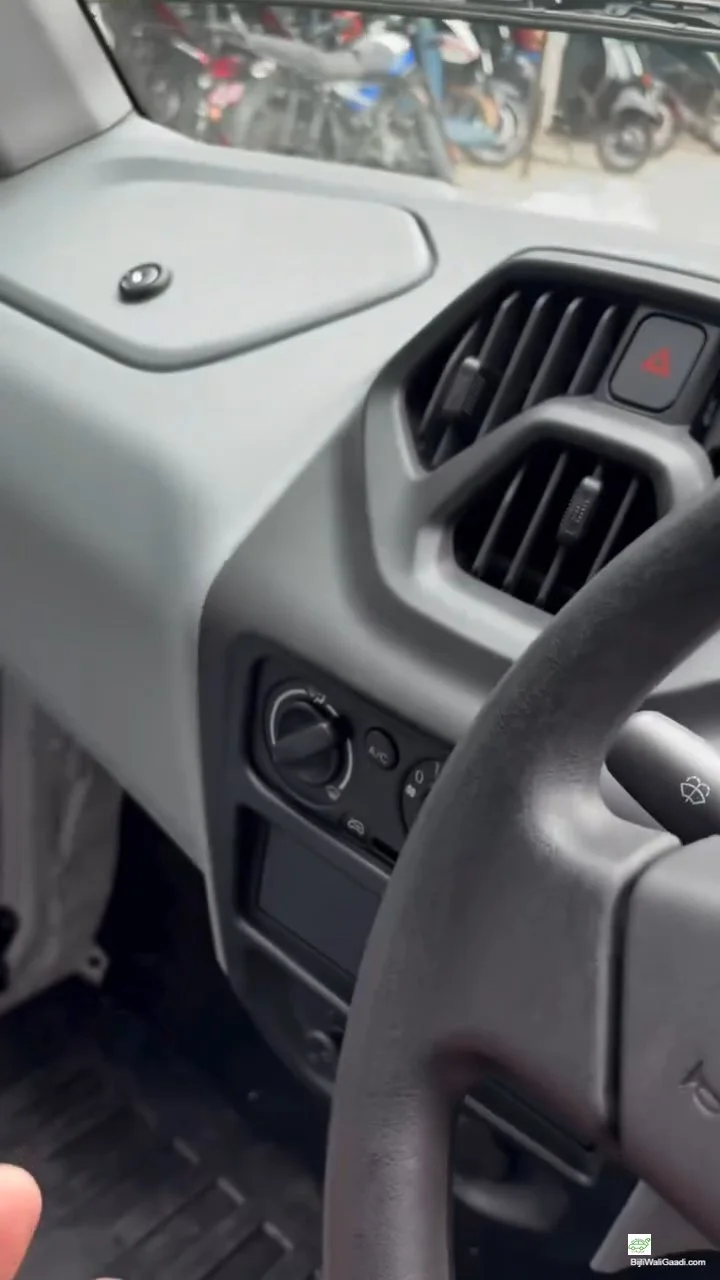
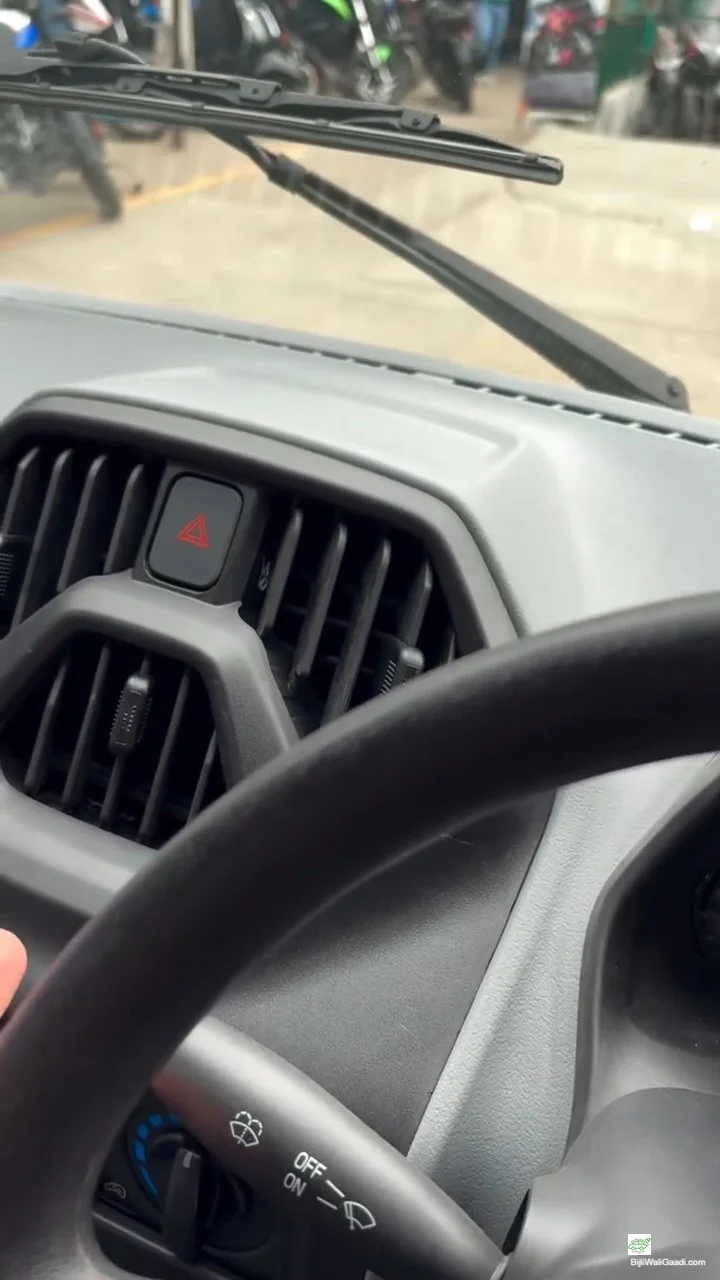
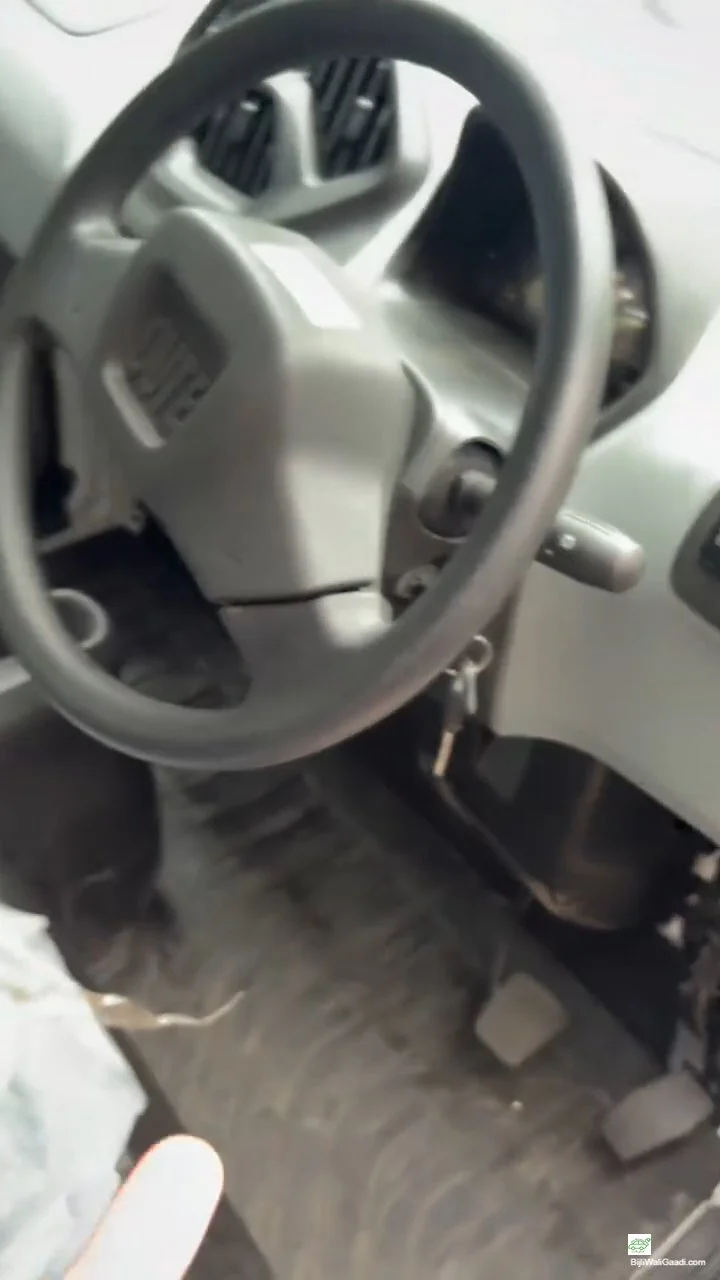
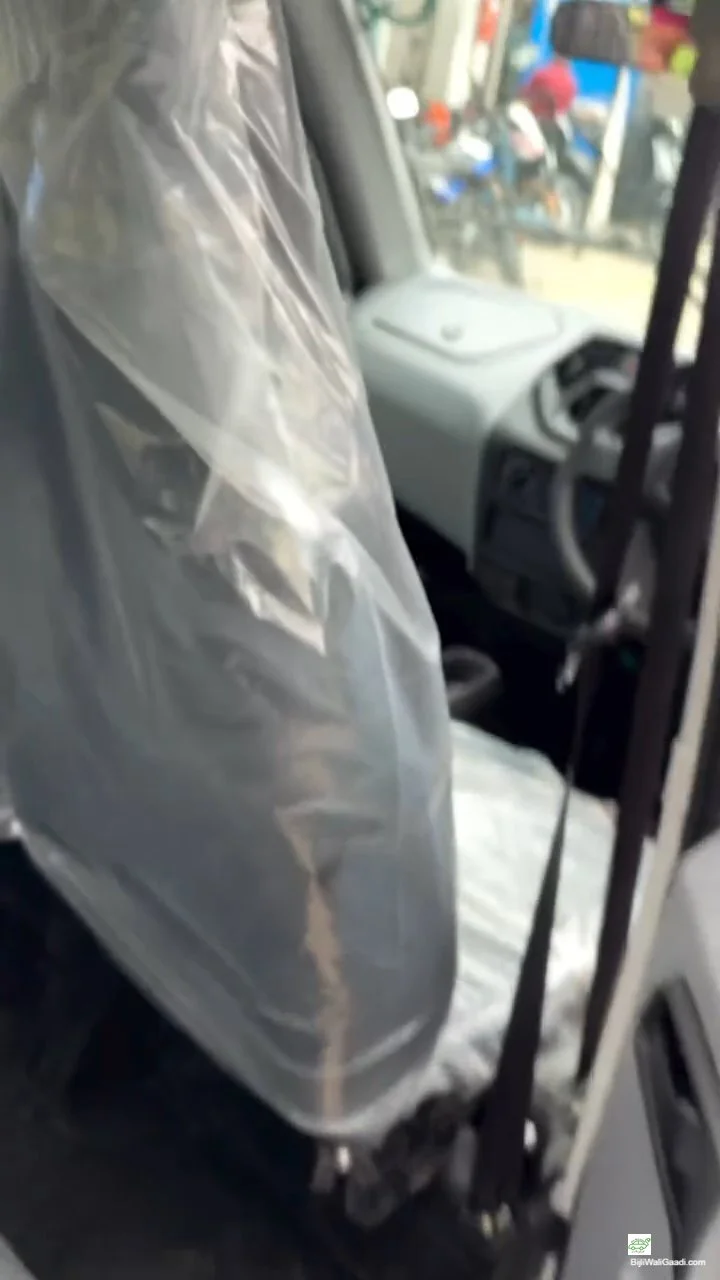
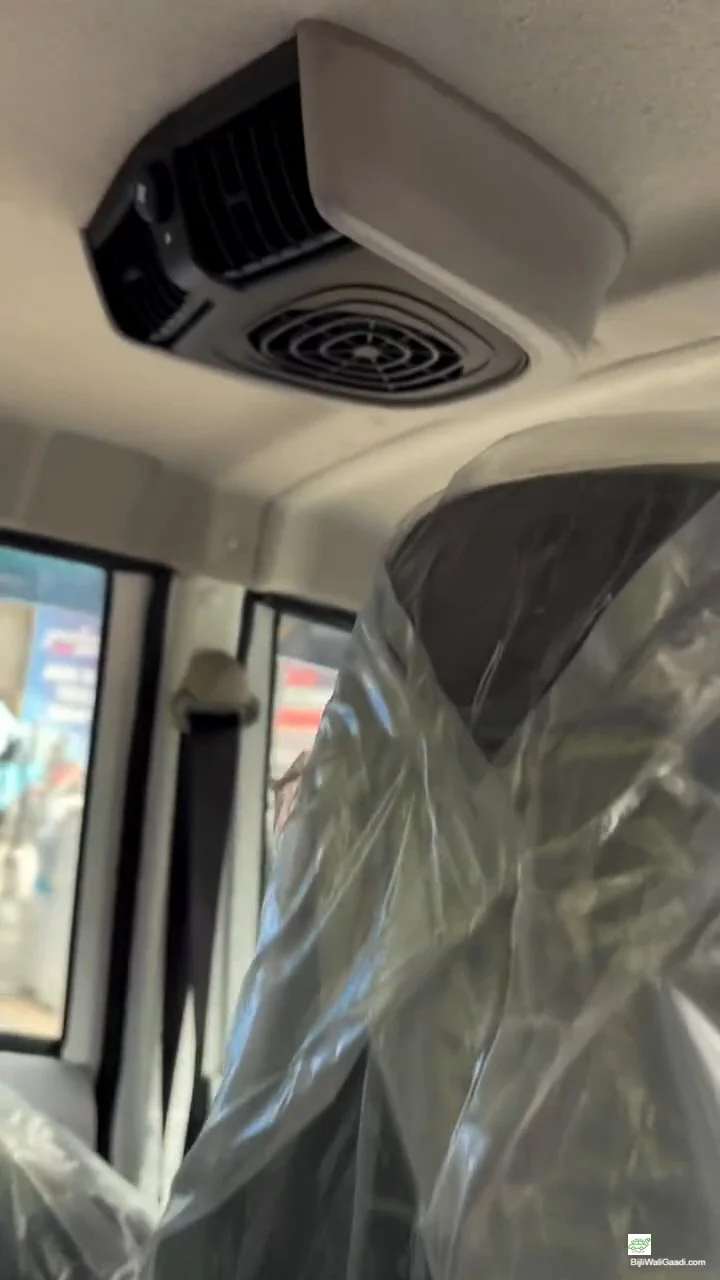
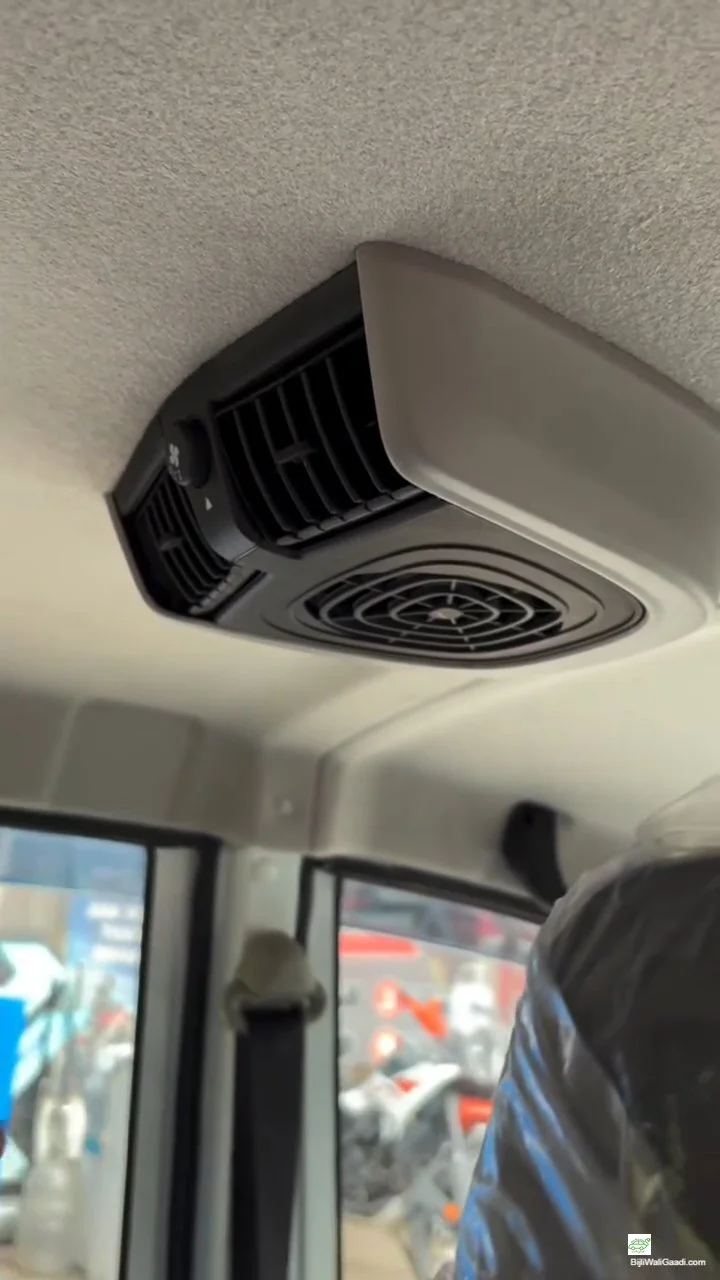
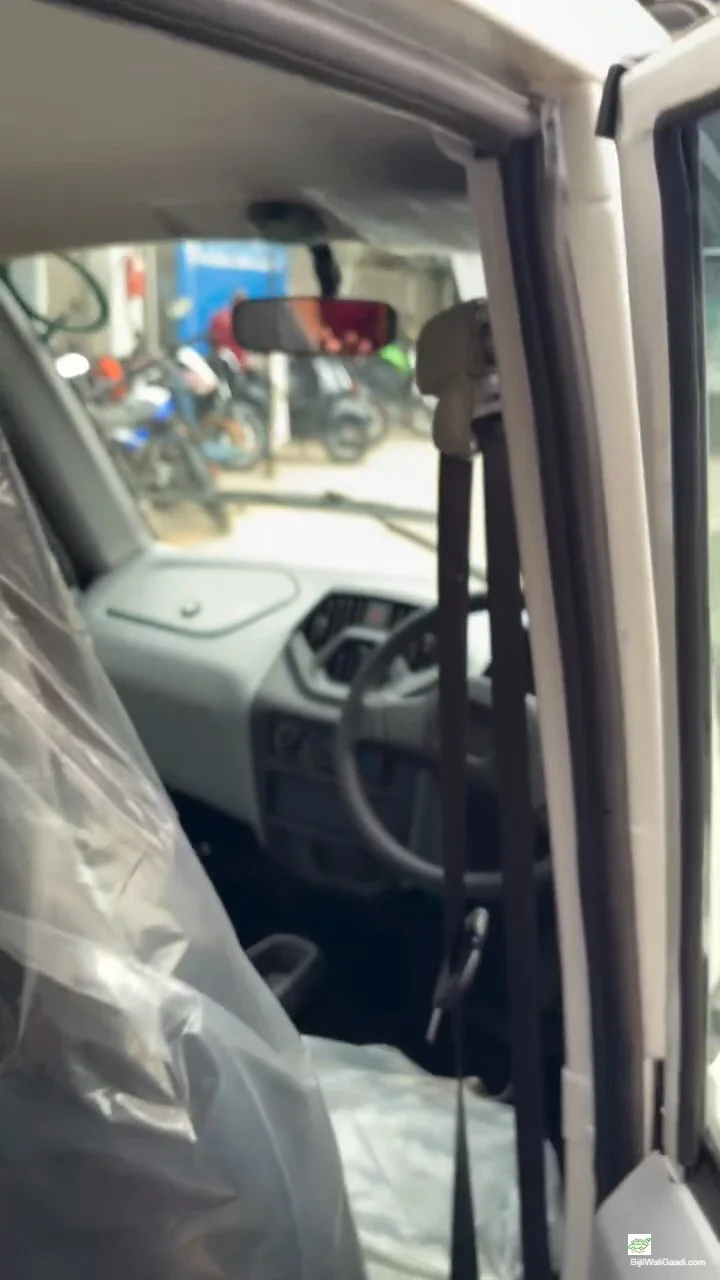
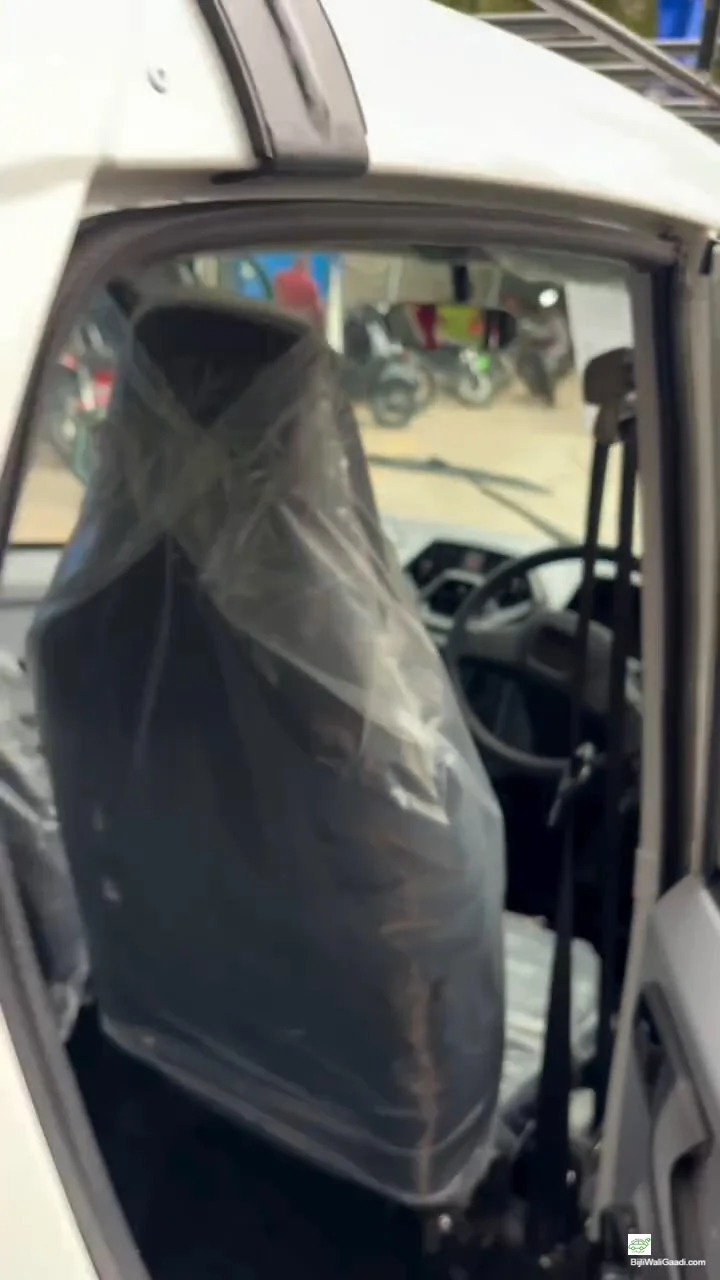
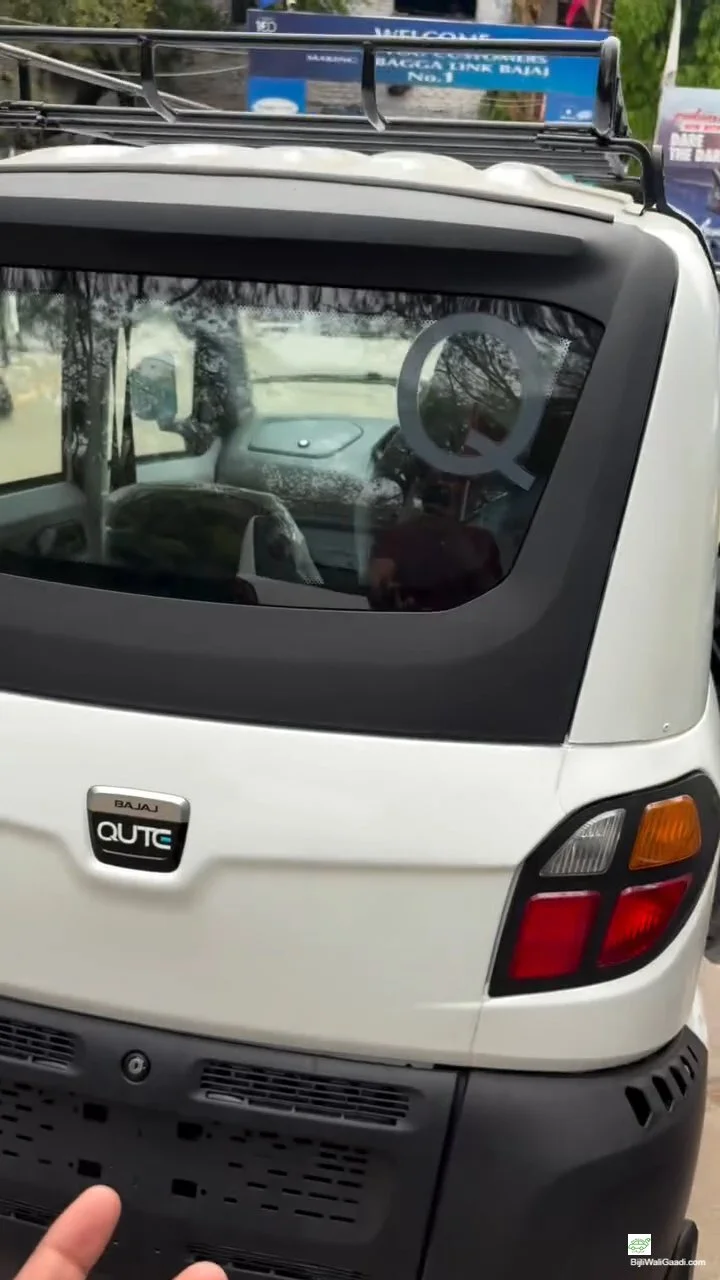
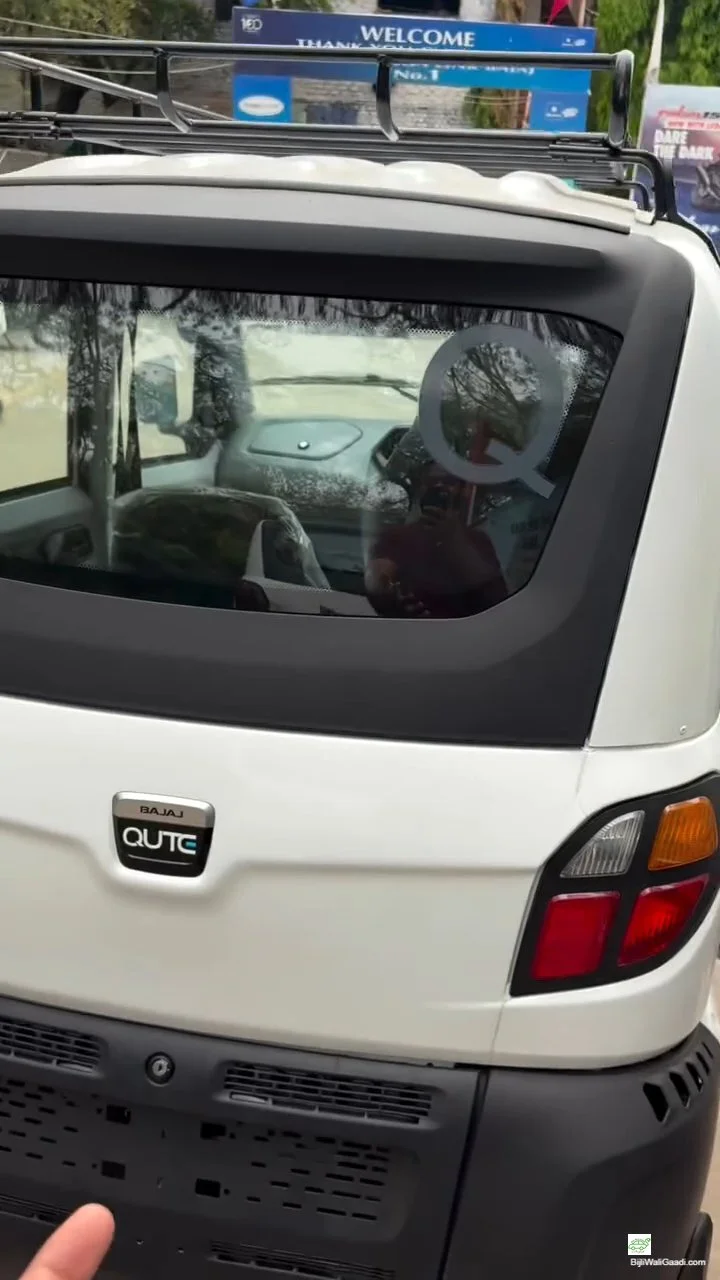
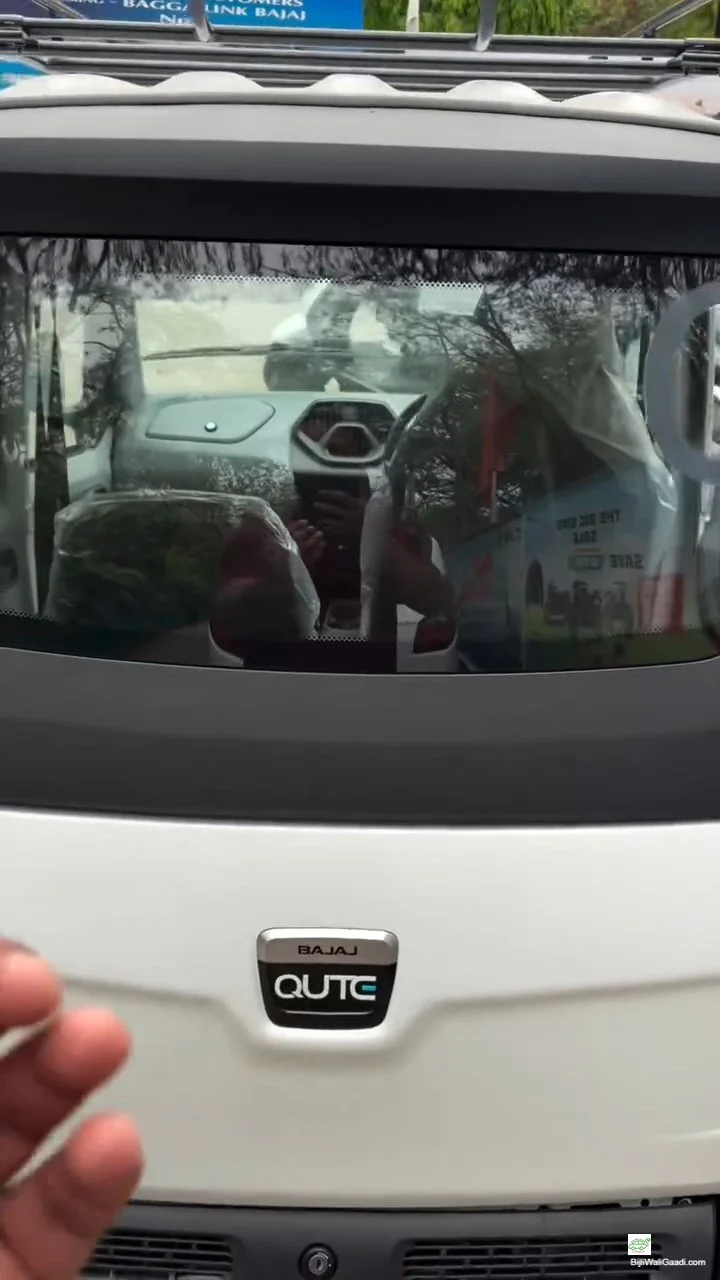
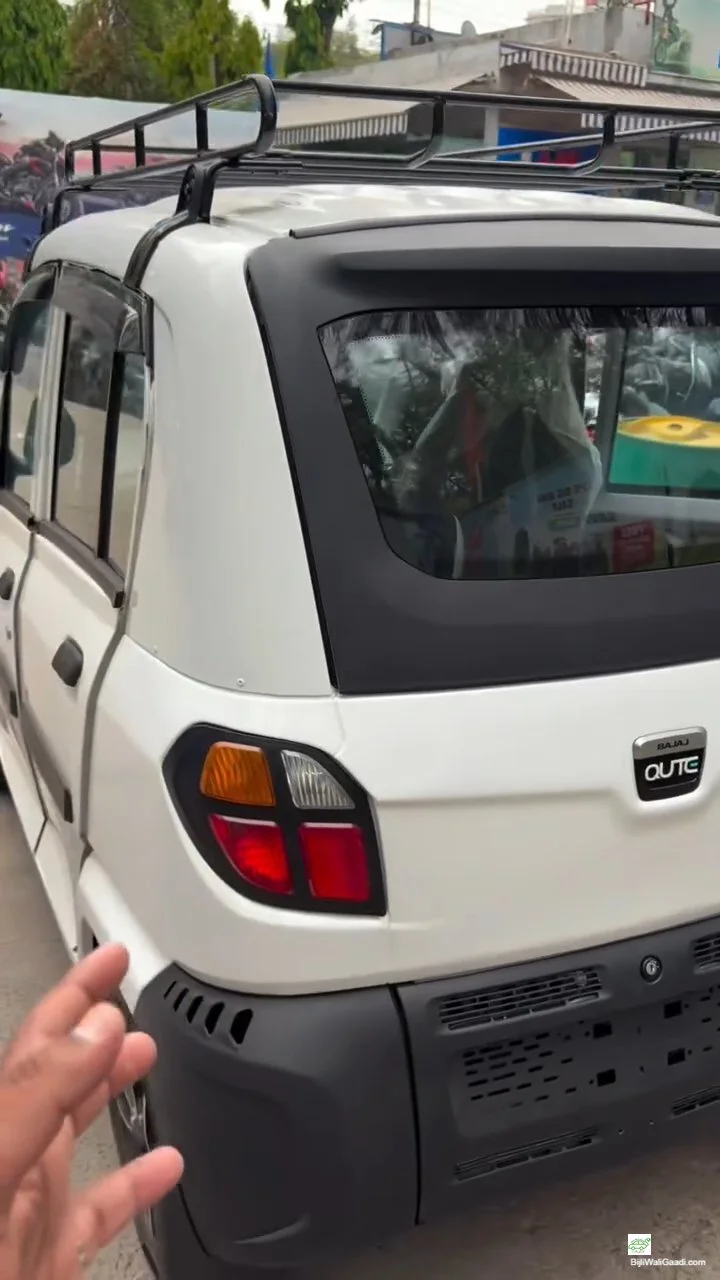
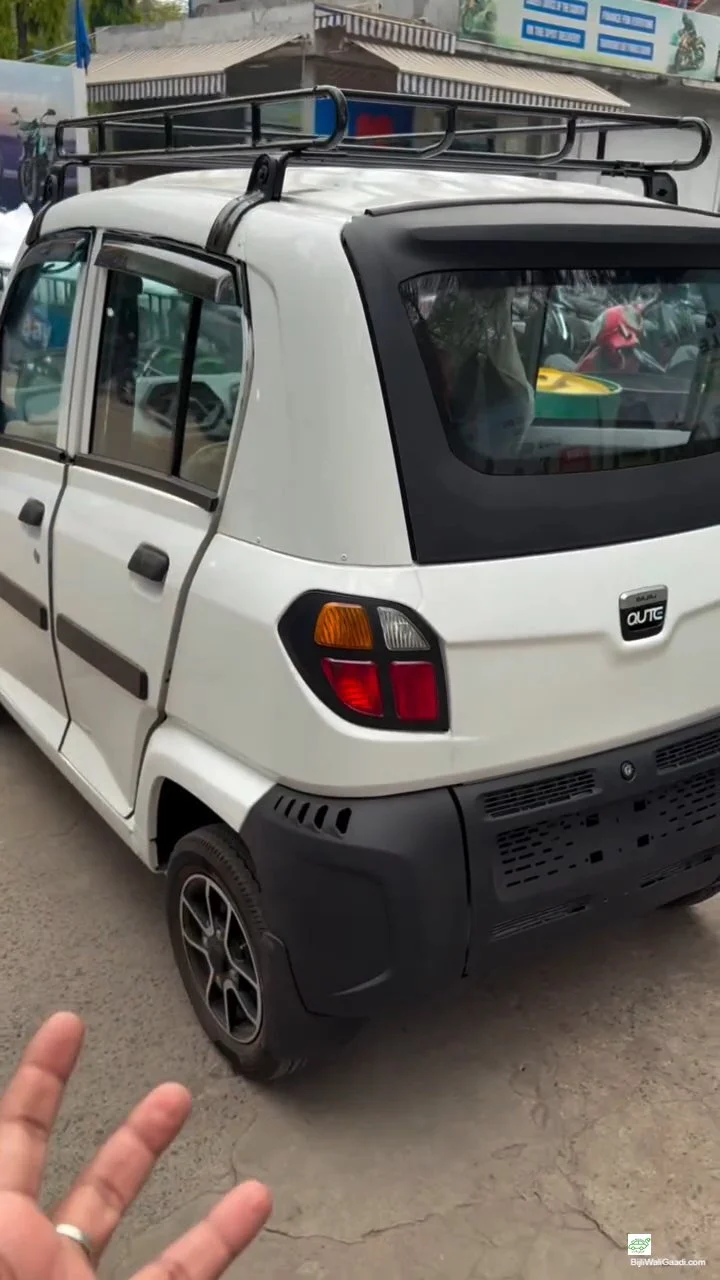
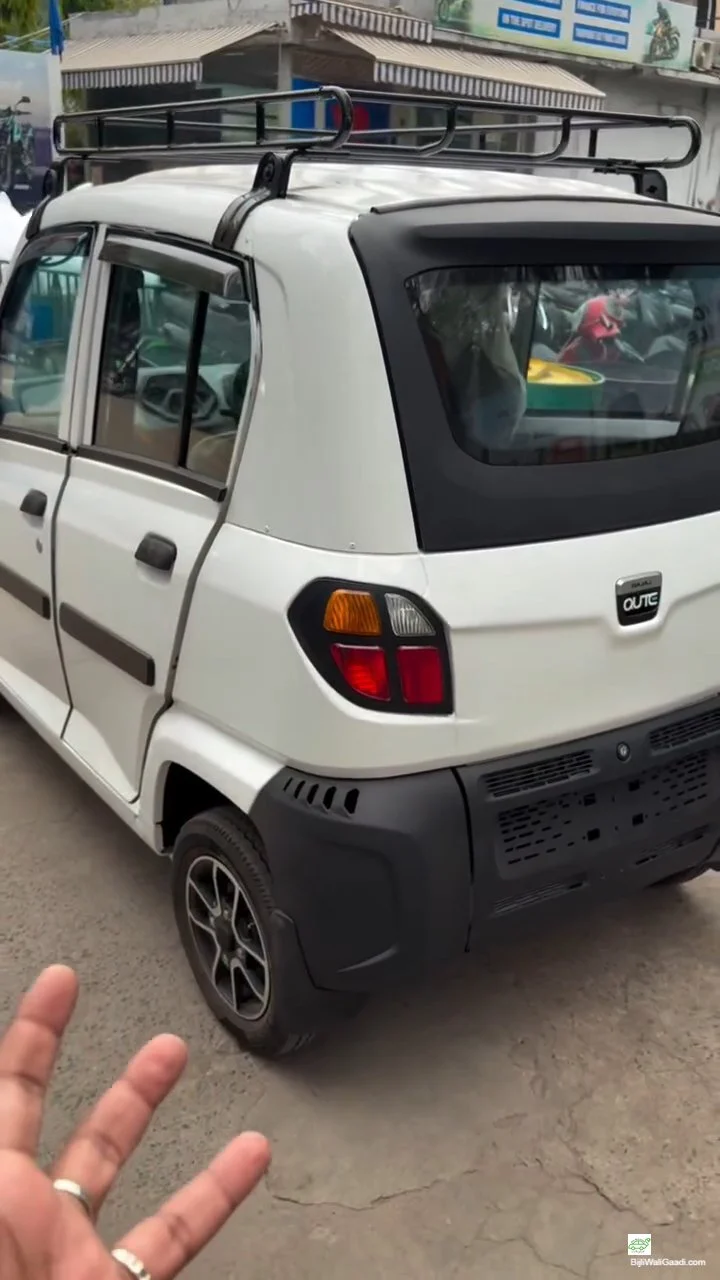
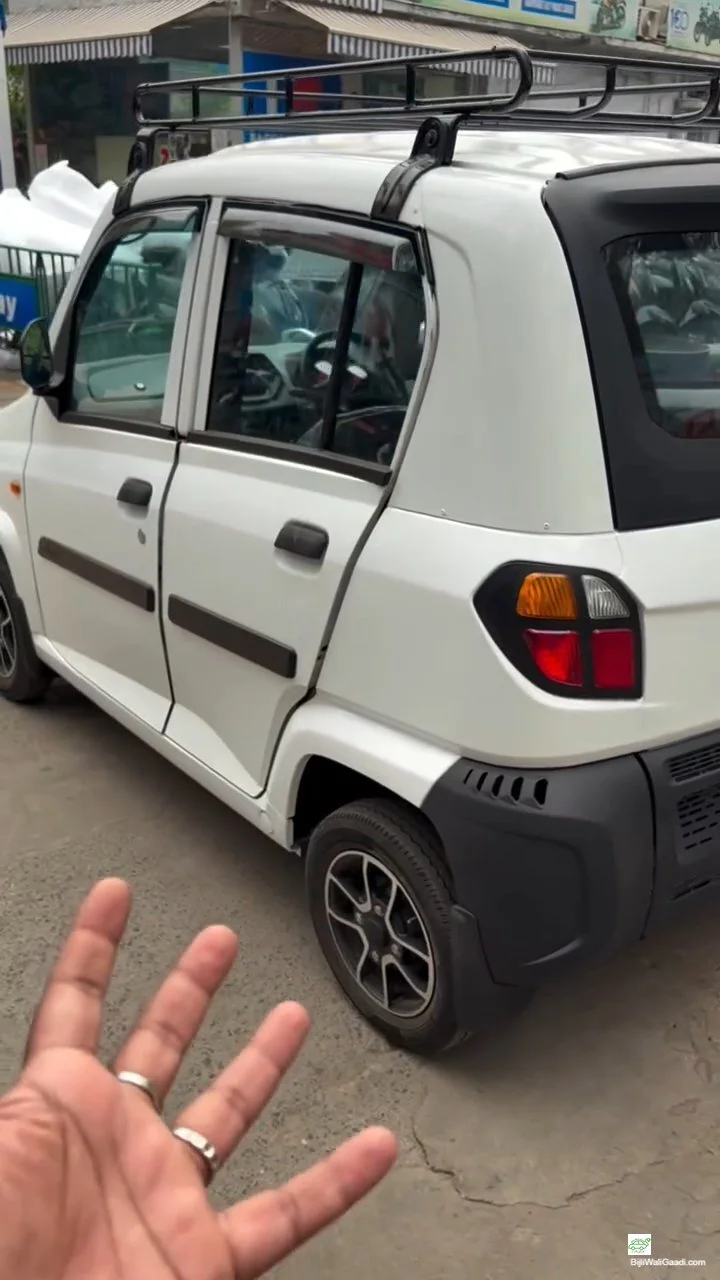
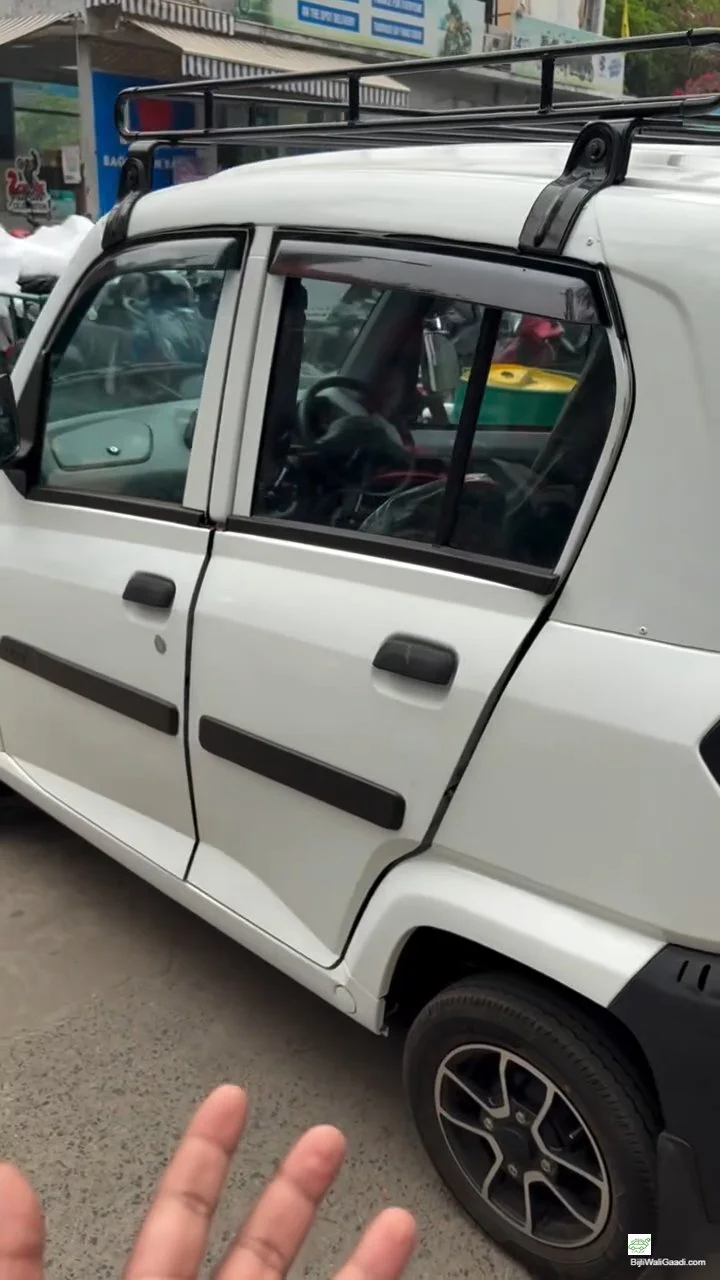
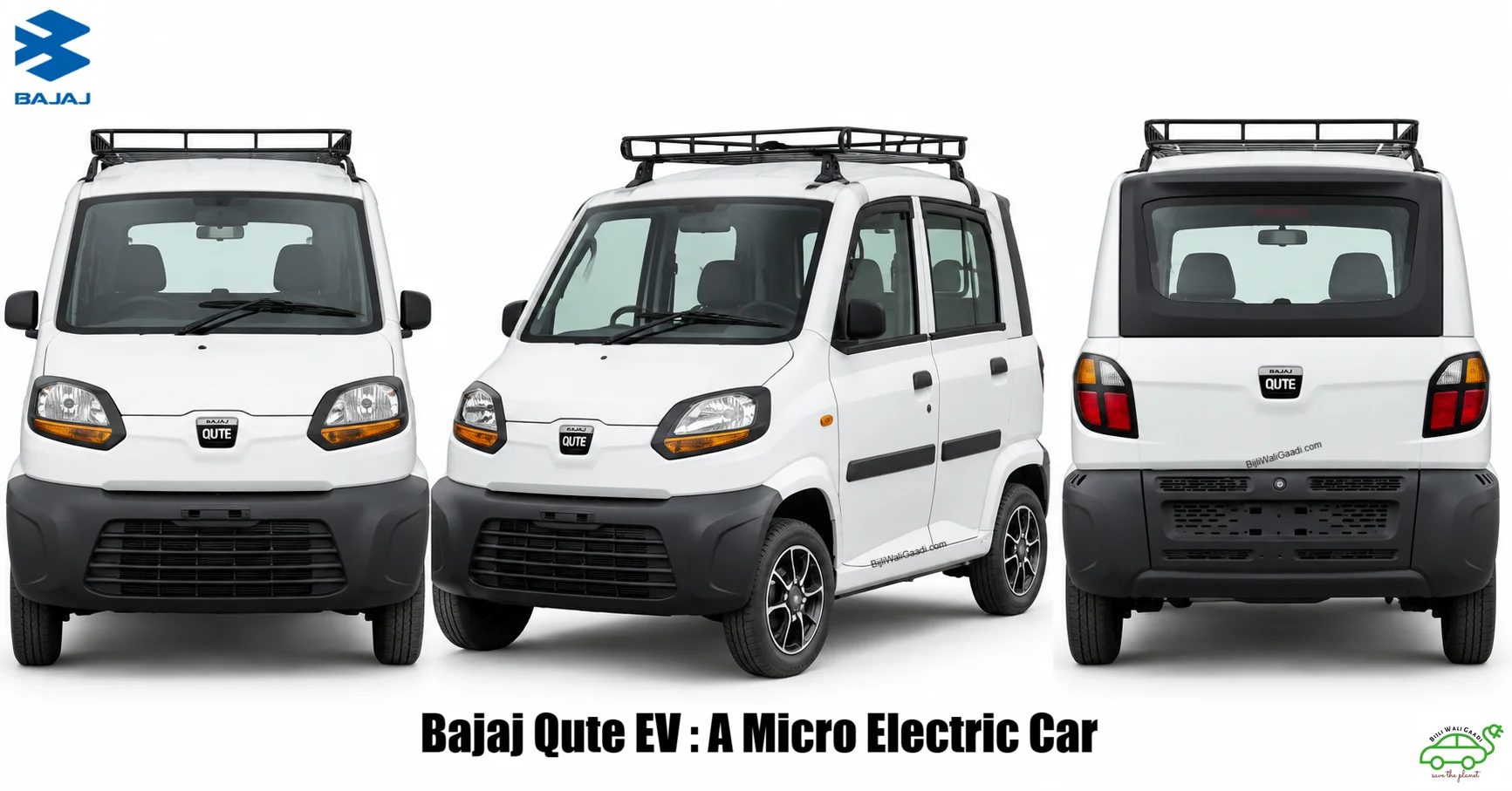
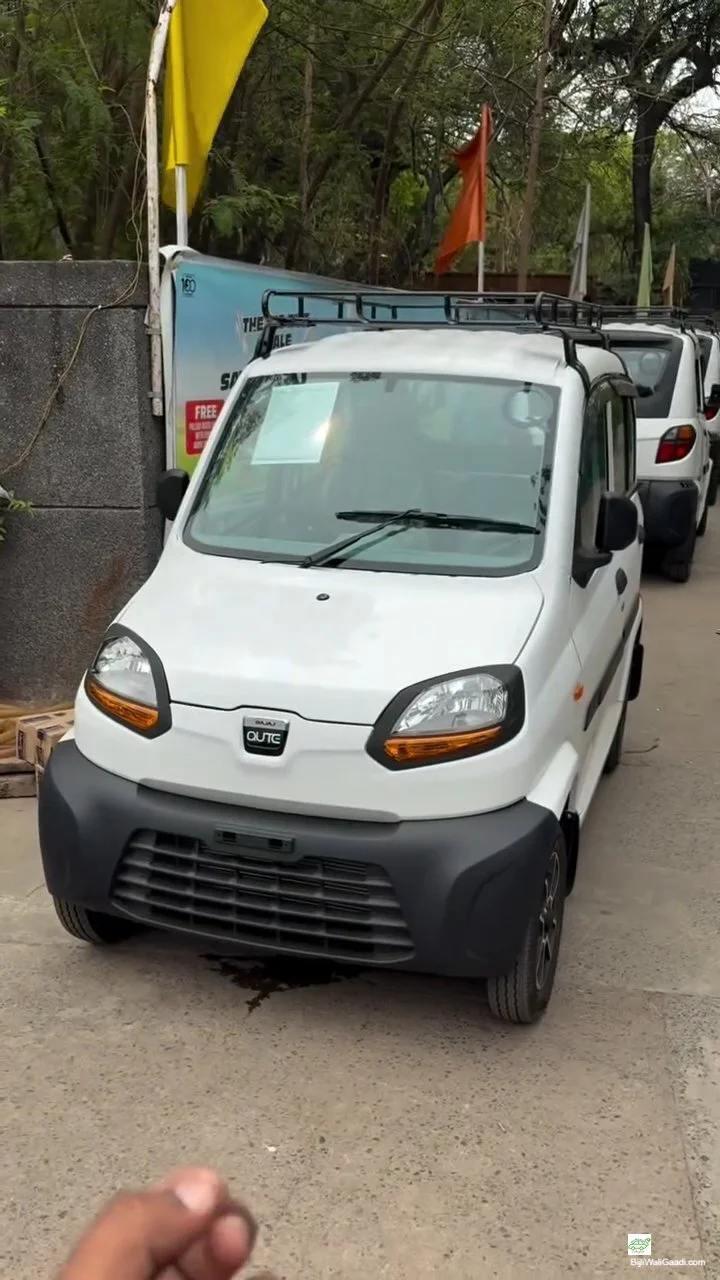
On the outside, the pre-production vehicle shown publicly features a matte-black front bumper with horizontal slats and halogen headlights. The publicly shown vehicle also appears to feature rear seatbelts, alongside the front units. These should be treated as features observed on the shown vehicle rather than confirmed final production specifications.
What Remains Officially Undisclosed — And Why That Matters
The most of the details about the Bajaj Qute EV is undisclosed now but the from visual it is clear that Qute EV will be using the same platform which supporting the Bajaj Qute ICE car.
Bajaj’s Electric Track Record Is the Real Story Here
Set the missing numbers aside, and the strategic picture is still worth understanding. Bajaj Auto’s combined electric two-wheeler and three-wheeler business has reached profitability, with Chetak turning EBITDA-positive and the combined electric portfolio delivering double-digit EBITDA margins, according to Bajaj Auto’s latest financial disclosures and management commentary for the relevant reporting period.
That’s a meaningfully different starting position from a first-time entrant. Extending Bajaj’s established electric manufacturing and engineering capabilities into a four-wheeled quadricycle is strategically plausible, particularly because the company already has experience with the Qute product category and a growing electric two- and three-wheeler business — though Bajaj has not disclosed a detailed four-wheeler electrification roadmap beyond the Qute EV itself.
The Current Assessment
The Qute EV has been shown or reported as a pre-production vehicle, but Bajaj has not officially launched it or published its final production specifications as of September 2026. What’s known is limited to its quadricycle body, vehicle platform, some exterior details on the shown vehicle, interior look and some features (features like: Push start button, cruise control, dedicated rear AC vent with control) and an estimated dealer-sourced price range. What remains unknown covers everything that actually determines how the car drives and how far it goes: battery, motor, range and charging.
For Indian EV buyers, that gap matters. An affordable electric quadricycle with Bajaj’s manufacturing scale behind it could genuinely move the needle on low-cost four-wheeled electrification — but only once the company confirms the numbers that actually define the ownership experience. Until then, anything beyond what’s outlined here should be treated as speculation, not specification.
Frequently Asked Questions
Stay connected via Google 'Electric Vehicle' News
Follow BijliWaliGaadi | India's Trusted EV Insights Portal
source on Google