Is This the Future of Charging? Inside the Global Wireless Roads Powering EVs as They Drive
Stay connected via Google 'Electric Vehicle' News
Follow BijliWaliGaadi | India's Trusted EV Insights Portal
source on Google
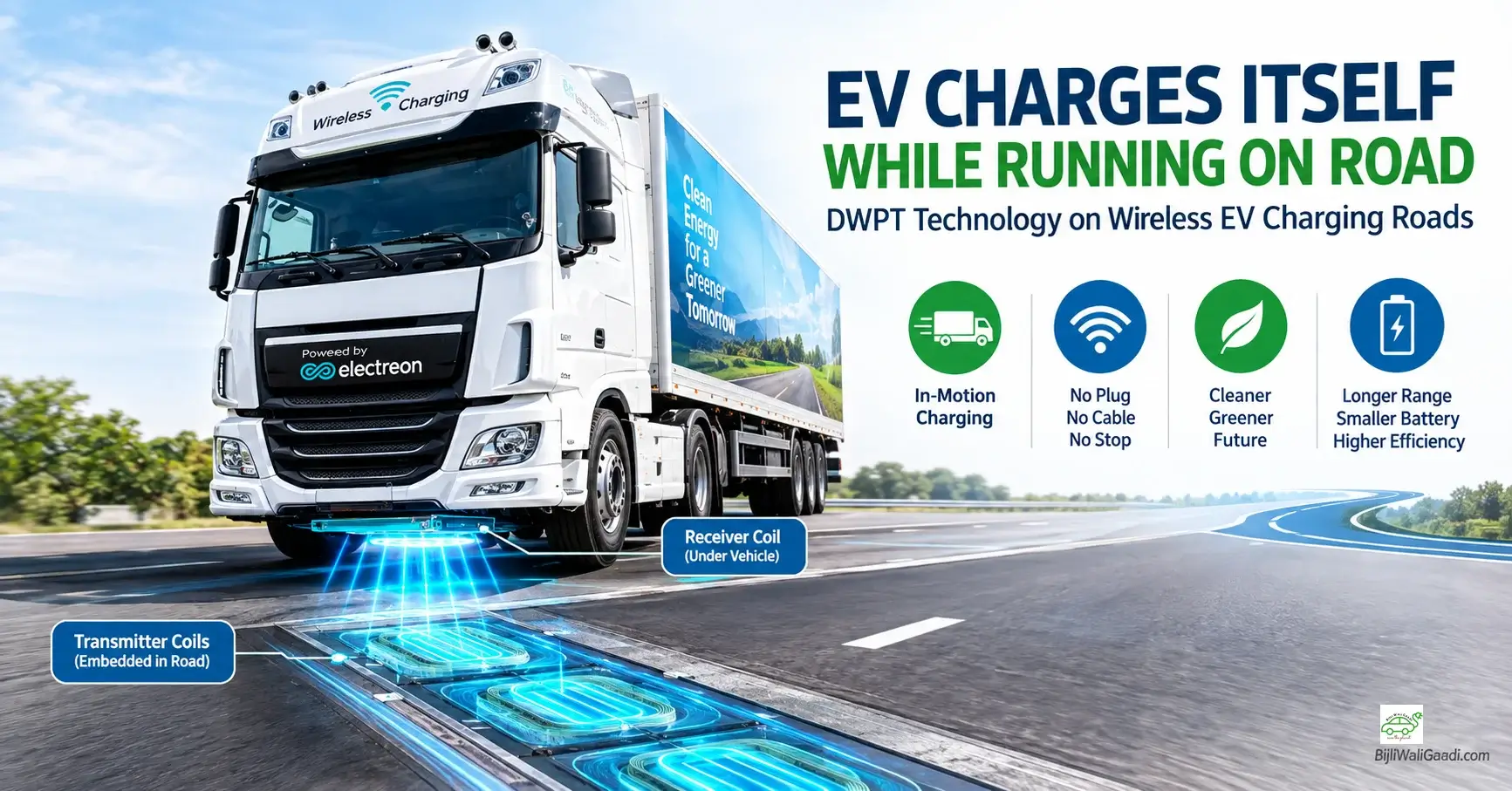
A Class 8 electric semi-truck moved down a quarter-mile stretch of U.S. 52/231 in West Lafayette, Indiana, at 65 mph. No plug, no cable, no stop. Beneath the concrete, embedded coils pushed 190 kilowatts into a receiver bolted to the truck’s underside.
It’s the strongest evidence yet that dynamic wireless power transfer (DWPT) can deliver real power to a heavy vehicle in motion at highway speed, outside a lab— and it wasn’t alone: five months later, a similar system on a live French highway hit over 200 kW under independent university measurement. It is not evidence any highway is ready to charge trucks routinely. That gap — between what’s been demonstrated and what’s still a plan — is this story’s subject, along with a harder question: can a road built to carry high-power electrical hardware also survive years of heat, moisture and heavy axle loads?
How Dynamic Wireless Power Transfer Charges a Moving EV
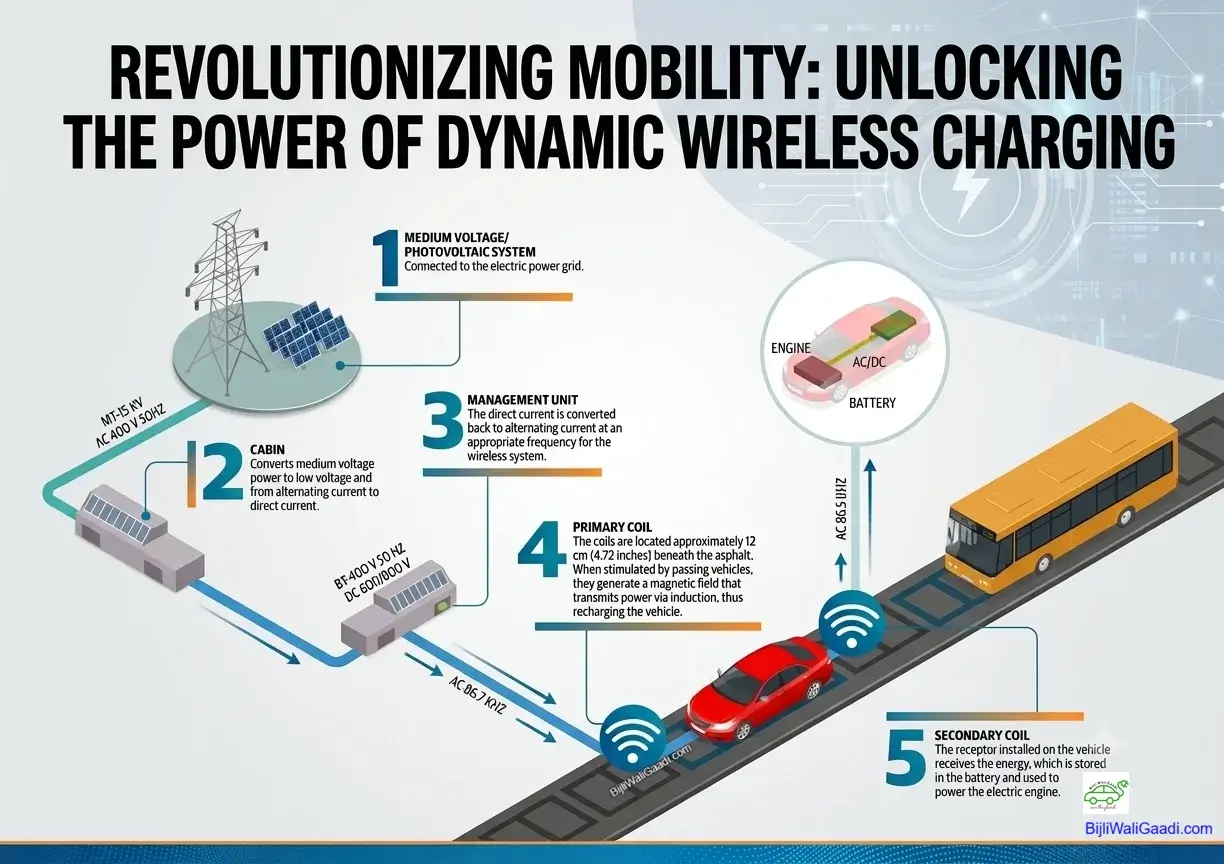
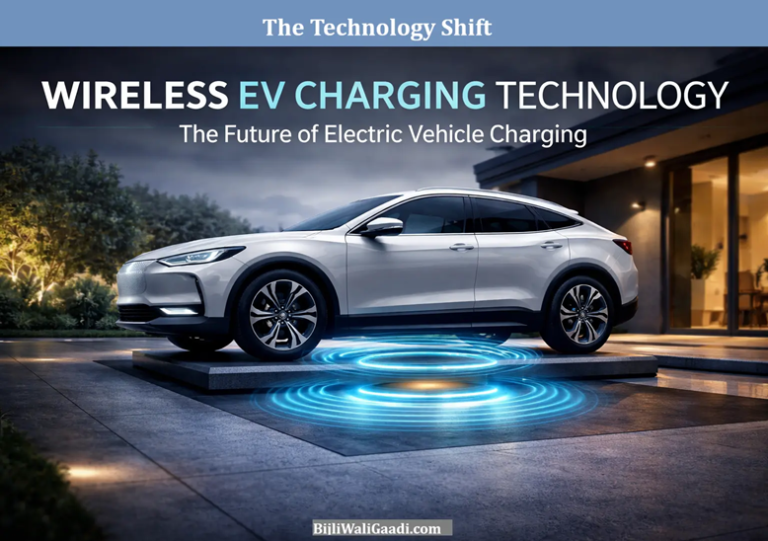
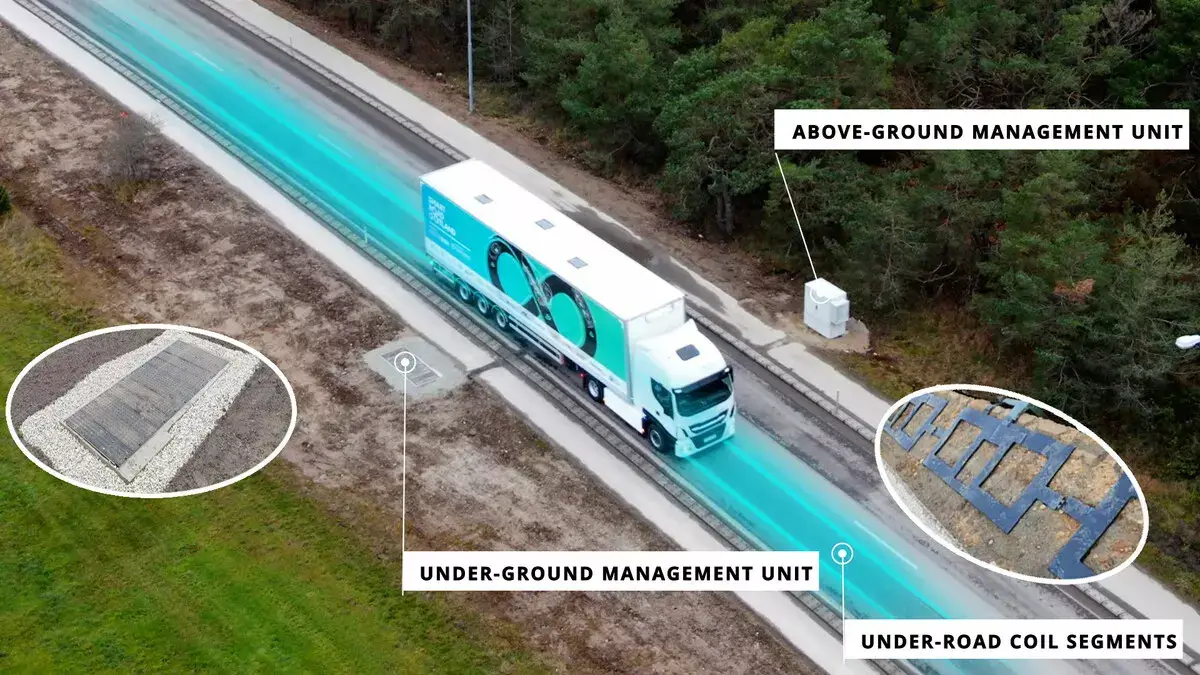
The energy path runs from the grid through roadside power electronics into embedded transmitter coils, across a magnetic gap to a receiver under the vehicle, then through onboard conversion into the battery.
That’s far harder than a stationary phone-charging pad. Coupling between transmitter and receiver keeps shifting as the vehicle moves, the road switches on only the segment beneath a matched receiver, and the power levels for a loaded truck dwarf anything a consumer device handles.
“Electric road” is broader than wireless charging. Dynamic inductive charging transfers power magnetically, with no contact; conductive roads use a physical embedded rail; overhead catenary uses a pantograph. Only the first is truly wireless.
Indiana Demonstrated 190 kW to a Truck at 65 mph
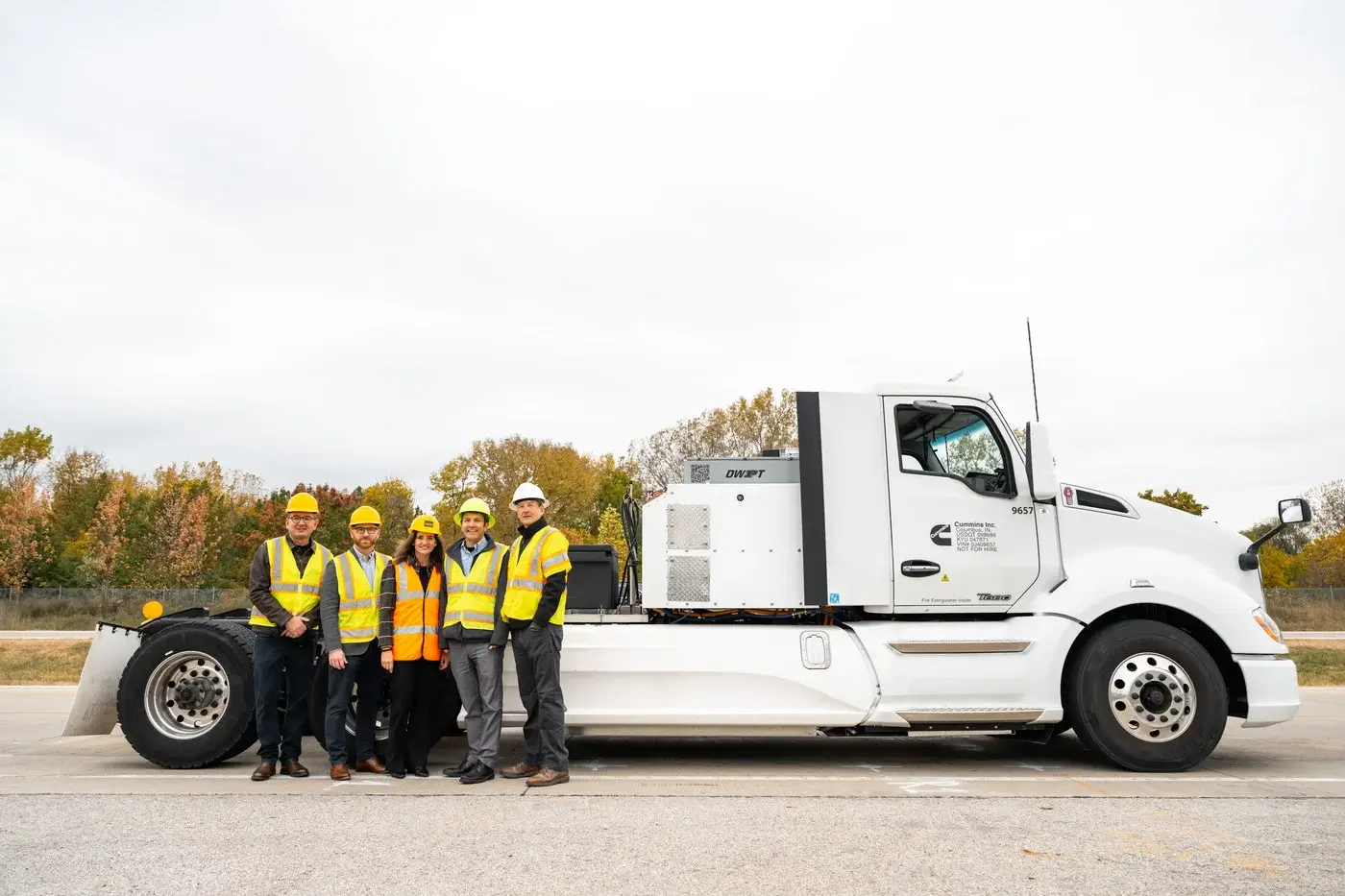
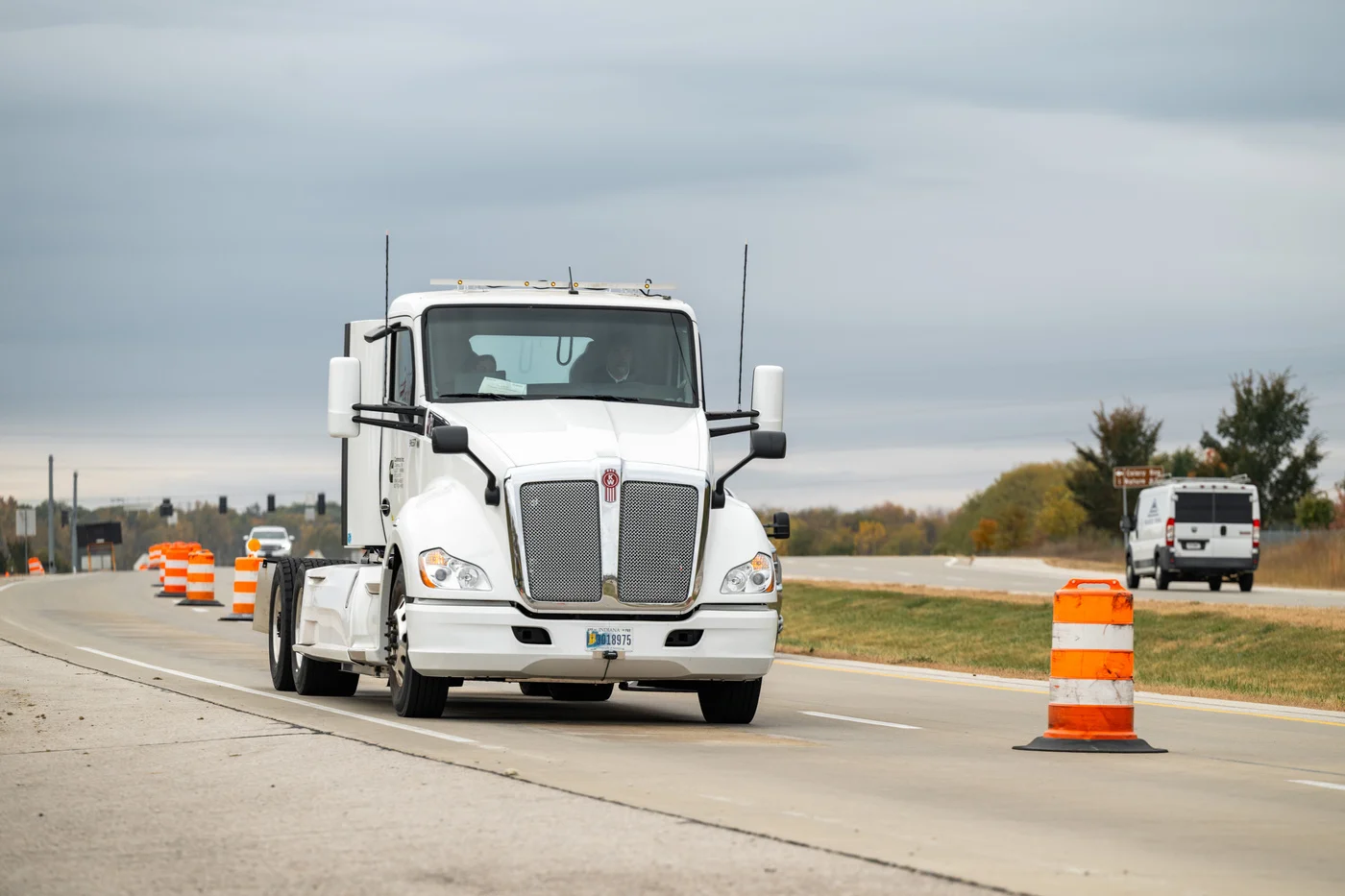
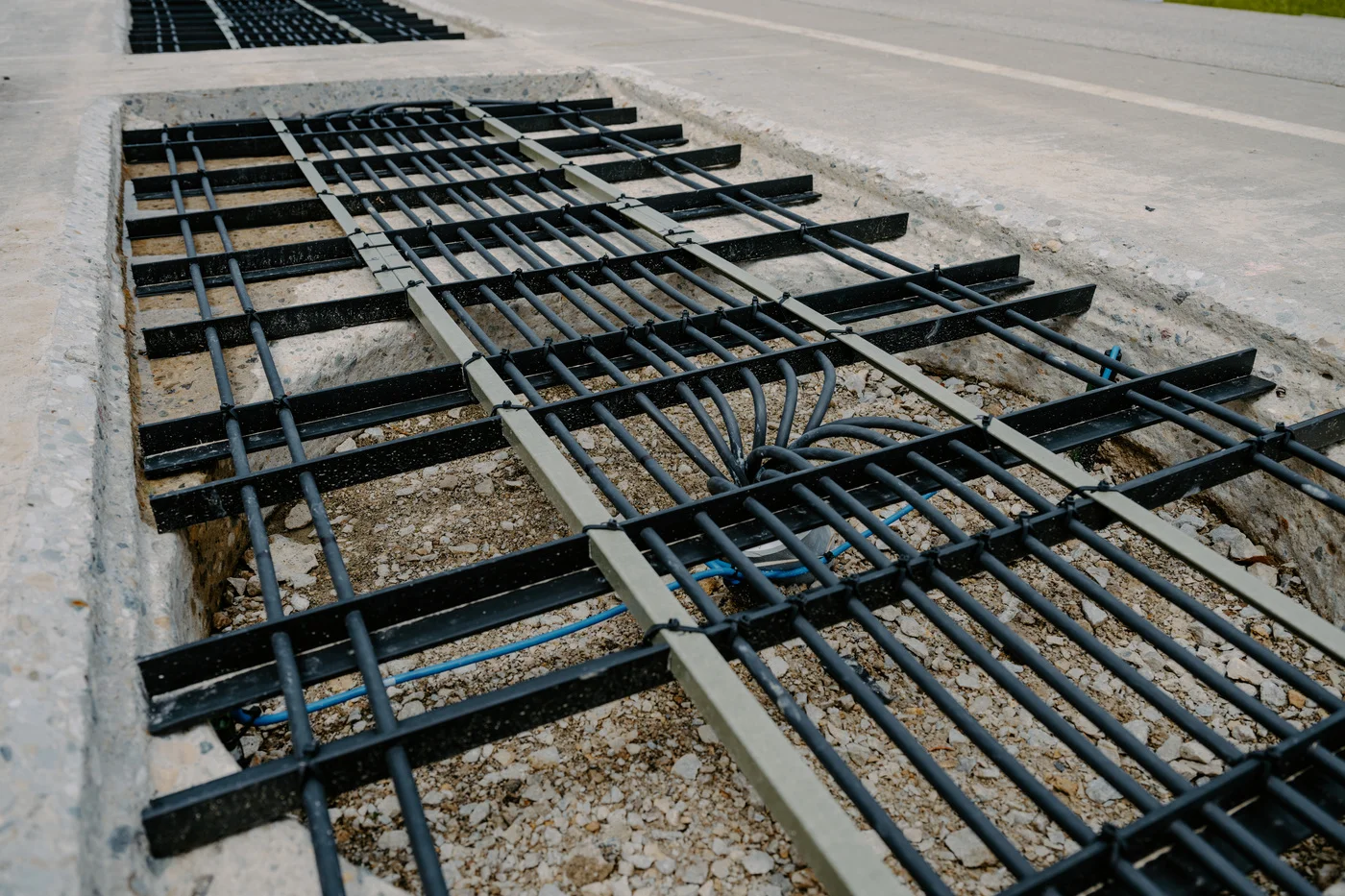
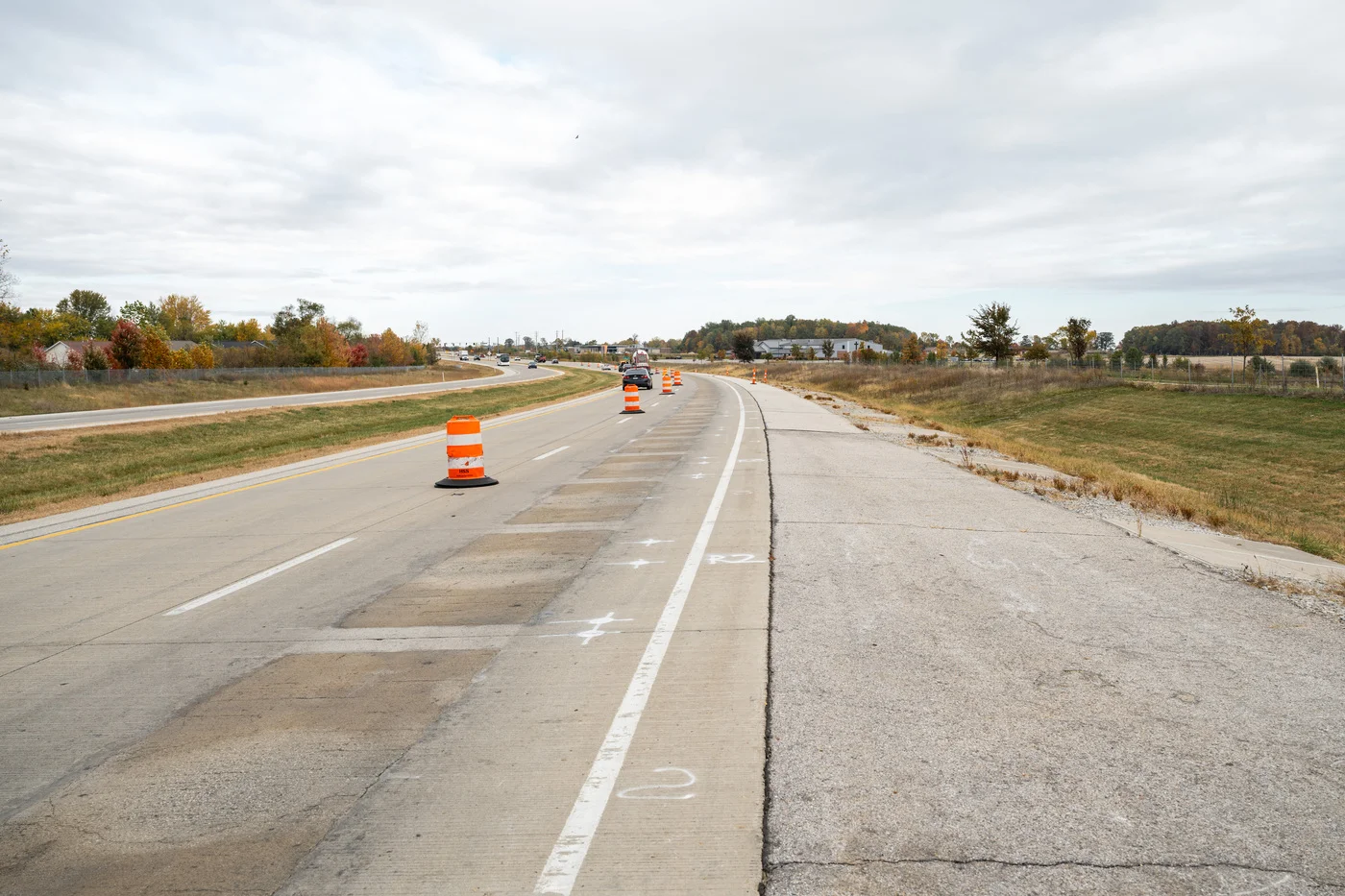
The Purdue University/INDOT project, run under the NSF-funded ASPIRE research center, embedded 85 coils in a rigid concrete channel along a quarter-mile testbed. In a test Purdue reported in March 2026, the system delivered 190 kW to a Cummins-supplied Class 8 electric semi at 65 mph — the hardest case for dynamic charging, since highway speed and heavy-vehicle power demand push coil design and alignment tolerance further than a slow transit bus does.
It’s also narrow. The coils activate only for the instrumented test truck; ordinary traffic draws nothing. The system hasn’t run through years of freeze-thaw cycles or routine wear, and ASPIRE’s own target — 1,000 miles of electrified roadway by 2040 — measures how far there still is to go.
France’s A10 Highway Delivered 200+ kW Under Independent Verification
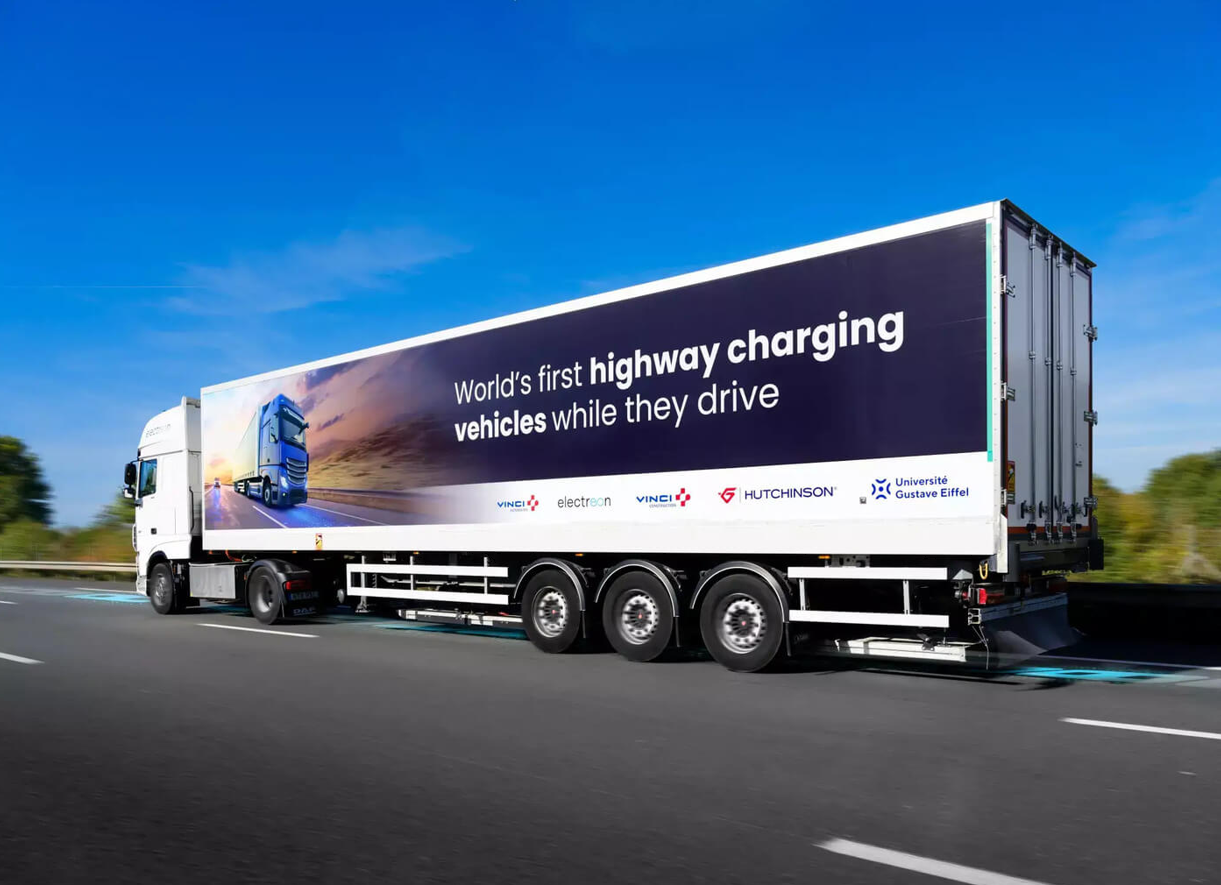
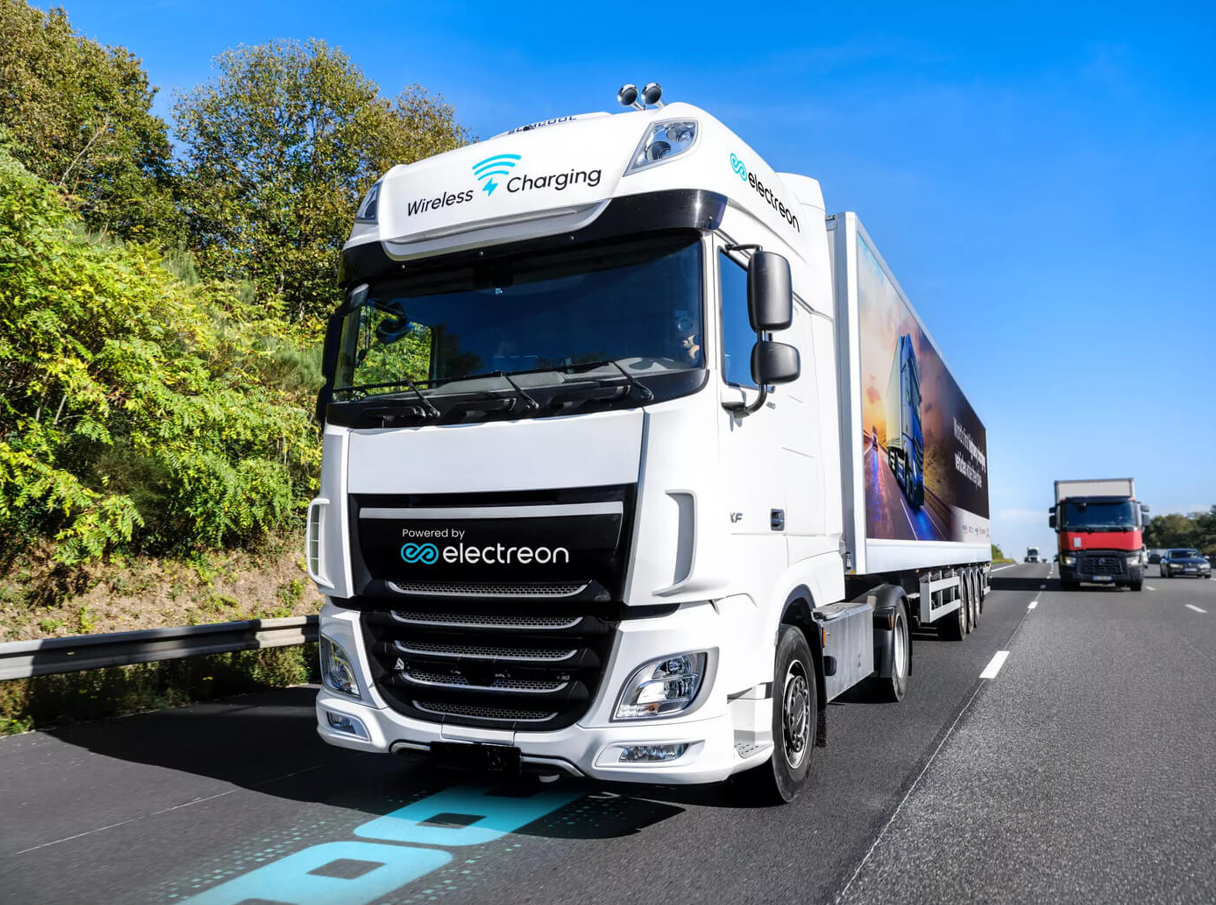
The A10 trial near Paris, led by VINCI Autoroutes with Electreon, ran on a 1.5-km stretch of live, open highway rather than a closed testbed — real traffic, real weather, four vehicle types charging simultaneously. Gustave Eiffel University, an independent research partner, measured average power above 200 kW at highway speed and peaks above 300 kW. It’s the first field result in this article verified by a party other than the technology vendor or road authority itself, and it’s why the piece’s Indiana/France pairing works better than Indiana alone.
Which Electric-Road Projects Are Real — and Which Are Only Targets?
Headline power figures are often design targets, not measured results — a distinction that changes what a project actually proves.
| Project | Status | Power | Evidence |
| US 52/231, Indiana | Operational testbed | 190 kW | Demonstrated |
| France A10 (Angervilliers) | Live open highway, real traffic | 200+ kW avg / 300+ kW peak | Measured |
| SR 516, Florida | Under construction (starts 2026, due 2029) | 200 kW / 50 kW | Design target |
| Utah — dynamic lane | Reported operational | Unconfirmed | Reported operational |
| Utah — static charger | Still being finalized | ~500 kW | Design target, static |
| Michigan Central, Detroit | Testbed since Nov. 2023 | ~50 kW | Design capacity |
| Arena del Futuro, Italy | Ongoing closed test circuit | ~100 kW | Reported operational |
| Smartroad Gotland, Sweden | Completed (Sept. 2023) | ~70 kW avg. | Measured |
| E20 Highway, Sweden | Cancelled (Feb. 2025) | N/A | Never built |
Florida’s 200 kW and Utah’s 500 kW are the figures most often mistaken for delivered power. Neither is: Florida’s electrified pavement doesn’t exist yet in operational form, and Utah’s number belongs to a static charger for parked or slow-moving trucks — a different system from the dynamic lane that actually moves vehicles. No source confirms that figure has ever reached a truck in motion.
Sweden’s Cancelled E20 Project Is an Infrastructure Lesson
Sweden planned a permanent 21-km electric corridor on the E20 between Hallsberg and Örebro, without committing to inductive, conductive-rail or catenary technology. Procurement was cancelled in 2023 over cost, the project was paused in 2024, and it was formally struck from the national infrastructure plan in February 2025. It was never built.
Smartroad Gotland is different: a 1.6-km demonstration that ran as planned and concluded on schedule in September 2023, with a 40-tonne truck averaging roughly 70 kW at up to 80 km/h. The lesson isn’t that dynamic charging fails — Gotland shows it works at small scale. It’s that a working demonstration and a fundable permanent corridor are separate problems.

Why Embedded Charging Hardware Changes the Pavement Problem
Every DWPT project buries rigid electrical hardware inside a surface built to flex under heavy loads, creating two distinct problems.
Mechanically, a concrete or polymer housing doesn’t deform like surrounding hot-mix asphalt, concentrating stress at their boundary. Researchers consistently flag that interface as prone to debonding, slippage and differential rutting — a traffic-load problem that exists whether the coil is switched on or not.
Thermally, wireless transfer isn’t perfectly efficient, and the losses generate heat at the coil’s depth. Published simulations and controlled experiments report pavement temperature increases on the order of 10°C to 25°C above baseline from this effect, softening the asphalt binder.

What the UTEP Pavement Study Actually Found
A 2026 University of Texas at El Paso study, run under ASPIRE with NSF funding, built two lab-scale pavement sections and trafficked both with a scaled mobile load simulator — one with a bare heating pad, calibrated to reproduce the reported 10–25°C effect, bonded into the asphalt; the other with an identical pad encased in a cast-in-place concrete box.
The concrete-encased section outperformed the bare one on every metric measured: after 20,000 accelerated load cycles, it showed roughly 30% less centerline rutting (about 15 mm versus 22 mm), lower interface strain and lower transmitted temperatures. But it didn’t eliminate deformation — it shifted some to the asphalt around the housing’s edges, a distress pattern the researchers flag as its own design problem.
This was one-third-scale lab testing with a passive heating pad, not an energized coil, and it didn’t reproduce electromagnetic effects, real traffic variability or multi-year exposure — the researchers say so themselves. No field data from an actual public DWPT highway yet documents comparable distress, since none has carried ordinary traffic long enough to generate one. Concrete encasement is a documented mitigation, not proof the problem is solved.
Why a Successful Test Does Not Yet Mean a Commercial Highway
Beyond the coils, a working corridor needs grid capacity, roadside power conversion, vehicle detection, fault isolation and a maintenance plan that doesn’t require shutting a live lane for weeks to service buried hardware. No project here has published deployment-ready answers on long-term durability, resurfacing or capital-cost recovery. That gap, not the physics of the air gap itself, separates a testbed from a highway.
What Dynamic Charging Could Mean for Heavy Trucks
A truck drawing continuous power along a densely electrified route may need a smaller, lighter battery — cutting weight and cost. ASPIRE’s director estimates a 500-mile-range electric semi would otherwise need a pack exceeding 20,000 pounds and $150,000. That case depends on route coverage, power reliability, efficiency and utilization — none of which any current project has run long enough to prove.
Why India Would Need Its Own Validation Program
India hasn’t announced a DWPT highway, but the underlying case — cutting battery size and charging downtime for high-utilization trucks on fixed freight corridors — fits its long-haul logistics problem. Extreme summer heat would compound the thermal-softening effect the UTEP research describes; monsoon exposure raises the stakes on interface waterproofing; heavy, sometimes overloaded axle traffic would stress the stiffness-mismatch problem harder than controlled U.S. testbeds do. These are validation requirements, not proof the technology can’t work here.
What DWPT Has Proven — and What It Has Not
A real heavy-duty truck has received substantial, measured power while moving at highway speed, with no physical connection to the road. That’s documented, not promotional. But the technology remains in test and pilot stages — no project examined here operates as a commercially durable highway charging system today. The question is no longer whether electricity can cross the air gap. It’s whether the complete system — power electronics, embedded hardware, pavement, maintenance and economics — can survive real-world traffic and weather for years, not one test.
FAQs
–
Stay connected via Google 'Electric Vehicle' News
Follow BijliWaliGaadi | India's Trusted EV Insights Portal
source on Google