Scout Motors: Why Volkswagen Is Betting on America’s Electric Off-Road Future
Stay connected via Google 'Electric Vehicle' News
Follow BijliWaliGaadi | India's Trusted EV Insights Portal
source on Google
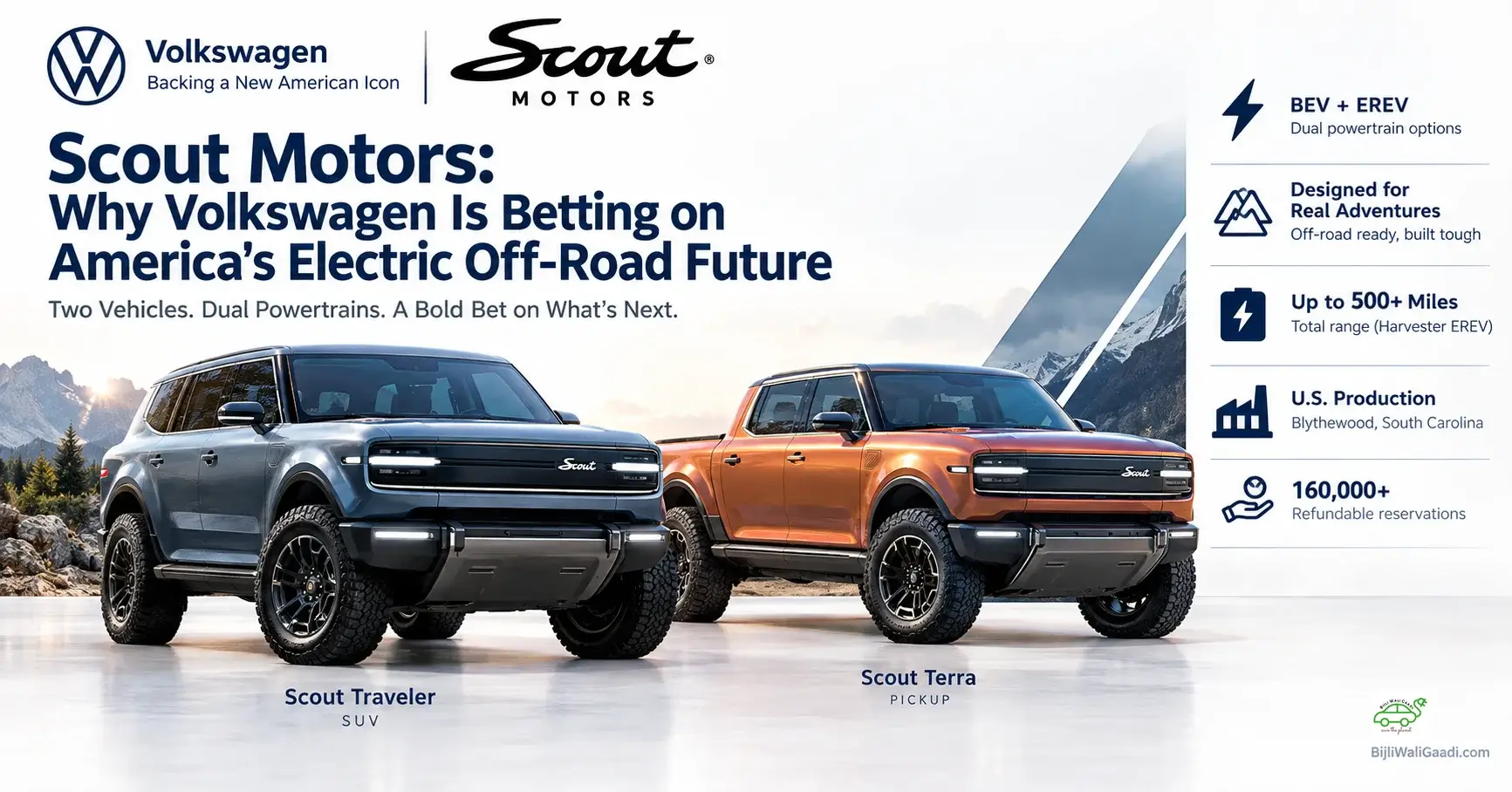
Scout Motors doesn’t have a production vehicle you can buy yet. Its Blythewood, South Carolina factory is under construction, with validation vehicles targeted for 2026, initial production for 2027, and customer deliveries expected in 2028. Yet the brand has already collected more than 160,000 refundable reservations for two vehicles most of the public has only seen as concepts.
That’s the position Volkswagen finds itself in with Scout: a startup built inside a legacy giant, reviving a beloved 1960s off-road nameplate while addressing a persistent problem for electric trucks — selling them to buyers who don’t fully trust the charging network.
Scout’s answer is a dual-energy strategy: a pure battery-electric option alongside a range-extended electric vehicle (EREV) called Harvester. That decision, more than the retro styling or the Volkswagen backing, is what makes Scout worth watching.
The Scout Motors Story: From American Icon to Volkswagen’s Off-Road Bet
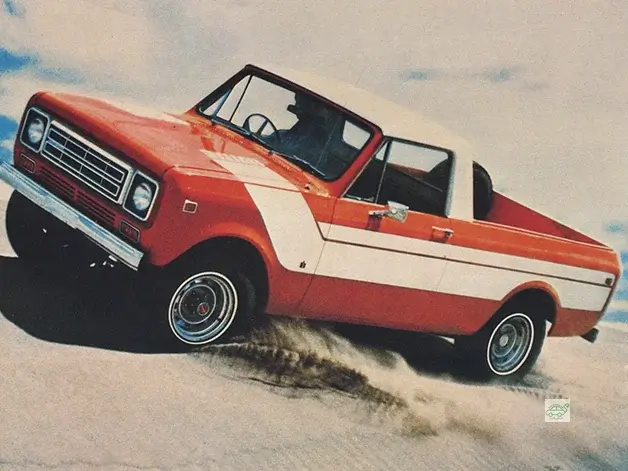
The original International Harvester Scout ran from 1960 to 1980, selling more than 530,000 units and building a devoted following among American off-road enthusiasts before SUVs went mainstream. The nameplate then sat dormant for over four decades.
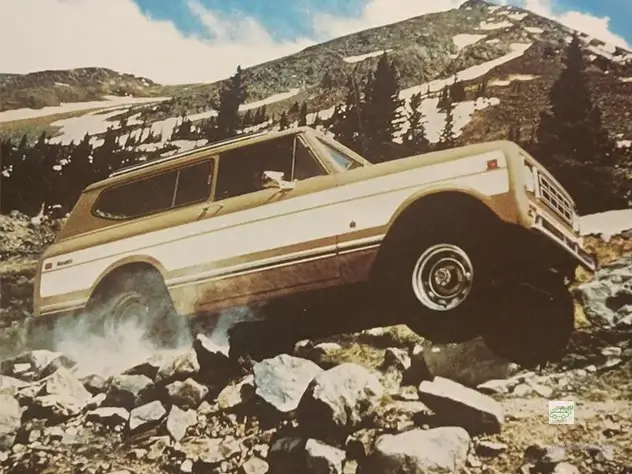
Volkswagen’s path to it was indirect: Traton, VW Group’s commercial-truck subsidiary, acquired the Scout trademark when it merged with Navistar in 2021. Rather than folding Scout into an existing VW line, the company spun up Scout Motors in 2022 as a distinct U.S. automotive entity within Volkswagen’s corporate structure, led by CEO Scott Keogh, formerly president of Audi of America.
Scout sells direct to consumers rather than through VW’s franchised dealer network, a model that has triggered legal challenges from Volkswagen dealers. Scout also serves as a proving ground for software and electrical architecture Volkswagen is co-developing with Rivian, and Keogh has said a stock-market listing is “an option that is on the table.”
Scout Motors’ Product Plan: Traveler and Terra
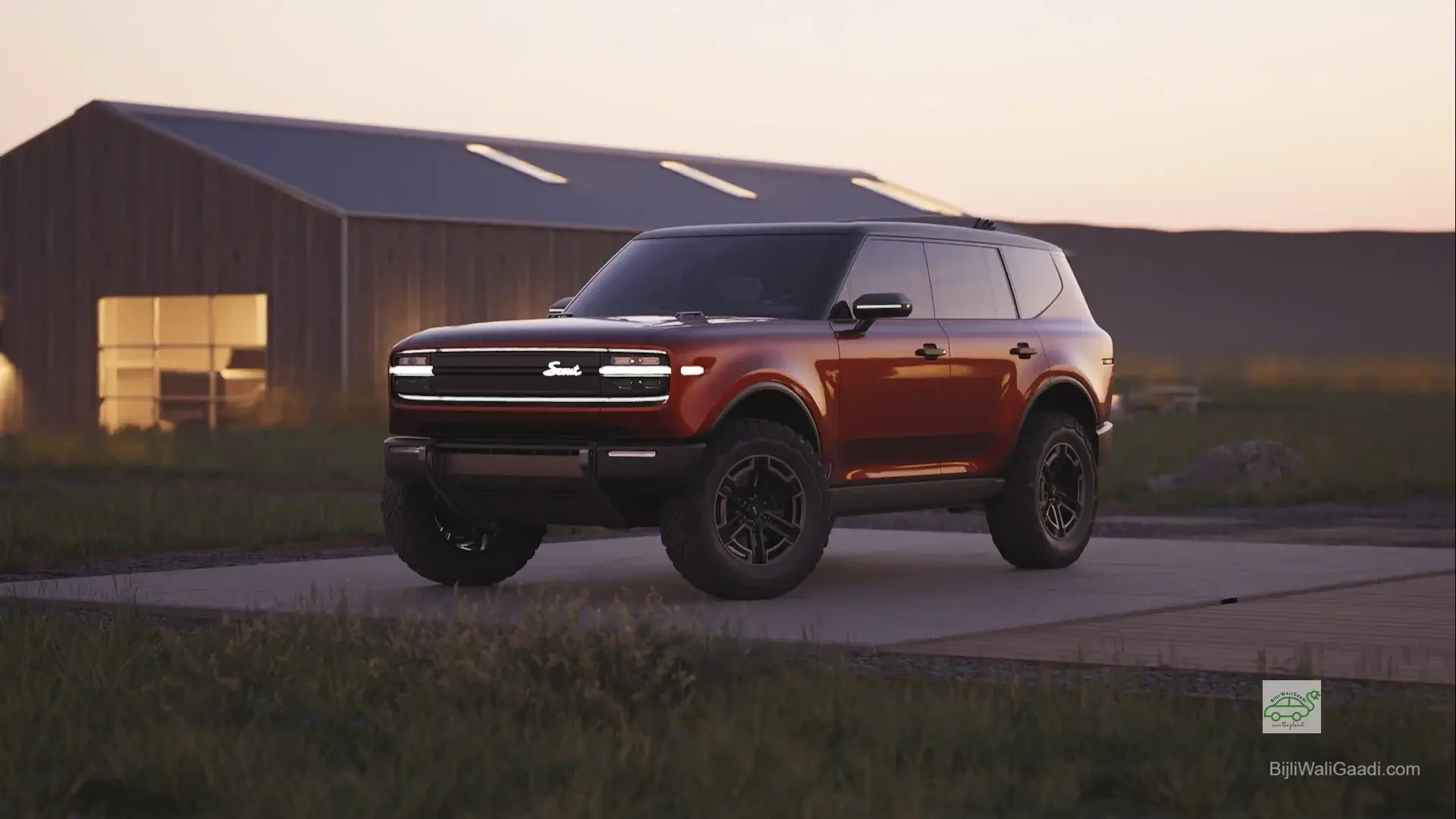
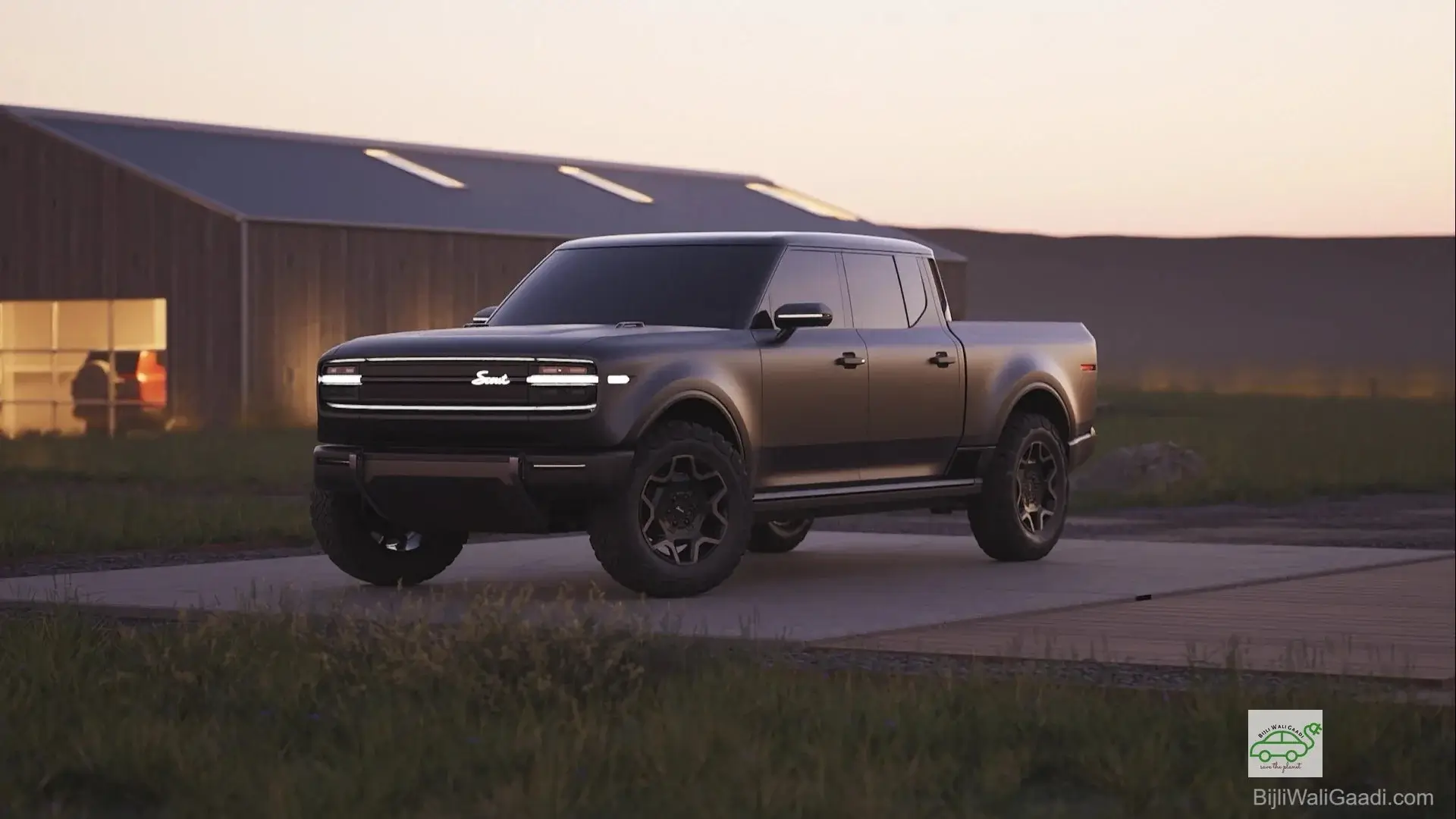
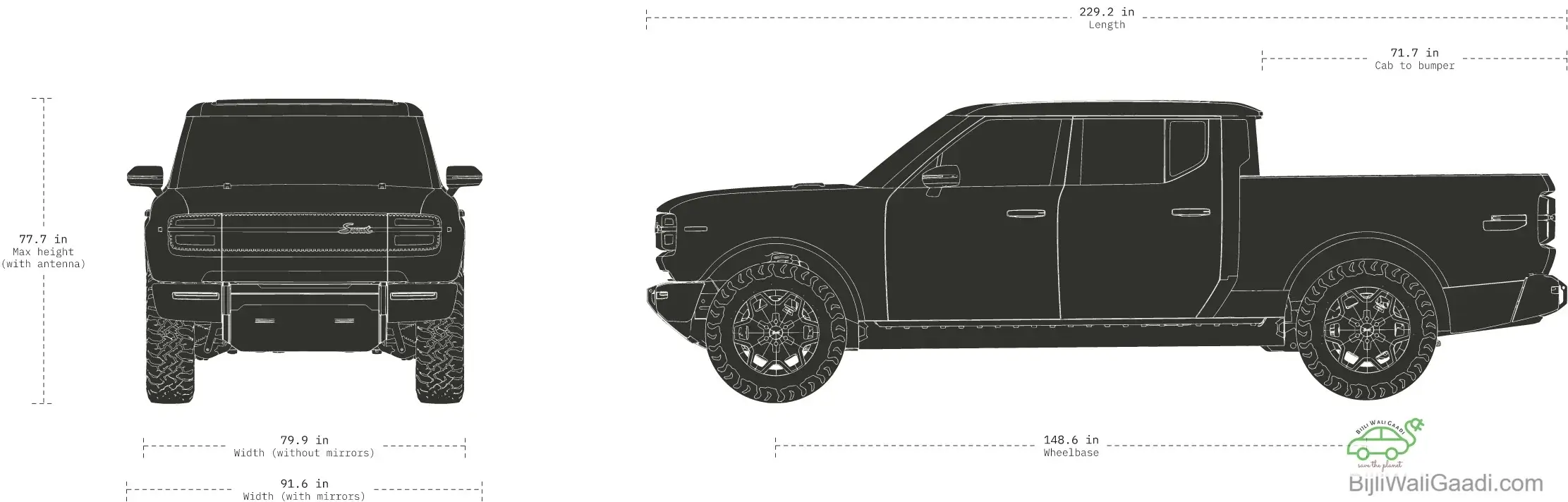
Scout’s first two vehicles were revealed as concepts in October 2024. In September 2026, Scout unveiled two distinct expressions of the Traveler SUV: a refined “Mountainside” concept and a more rugged, trail-ready off-road concept, showing the range of character the same platform can support. These remain concepts — production configurations may differ, and shown accessories are subject to change unless confirmed for production.
Scout Traveler
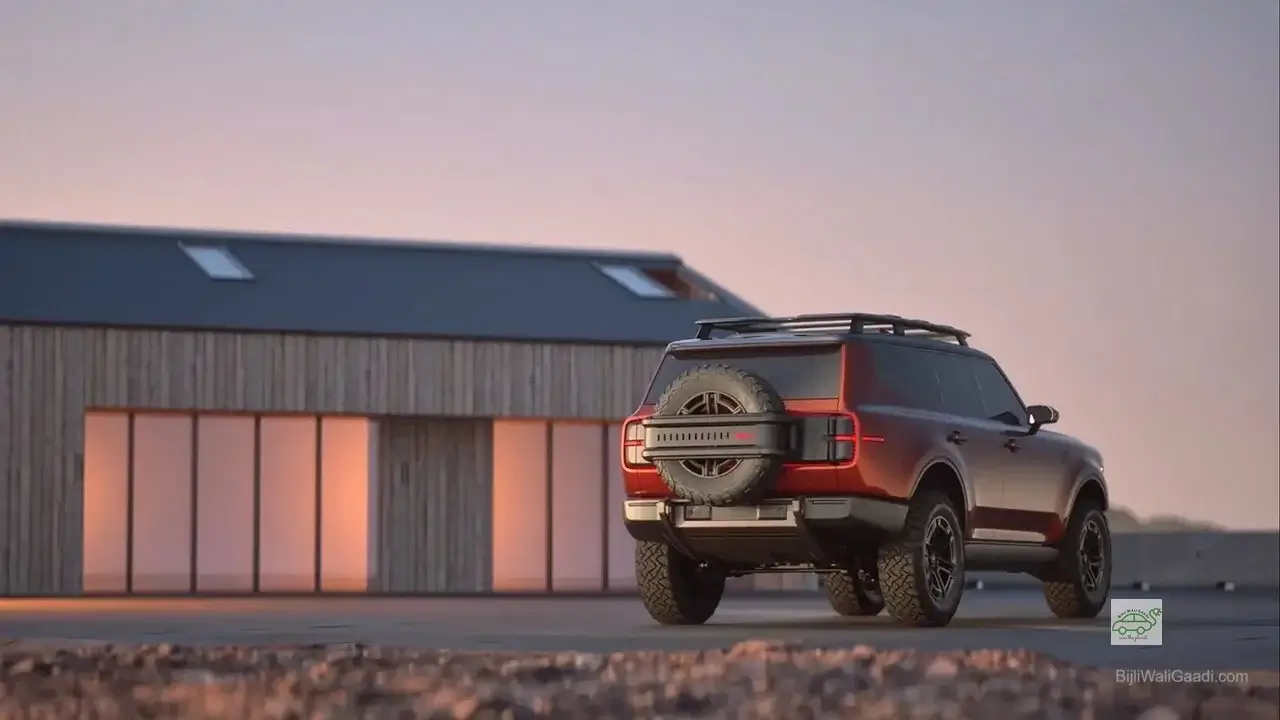
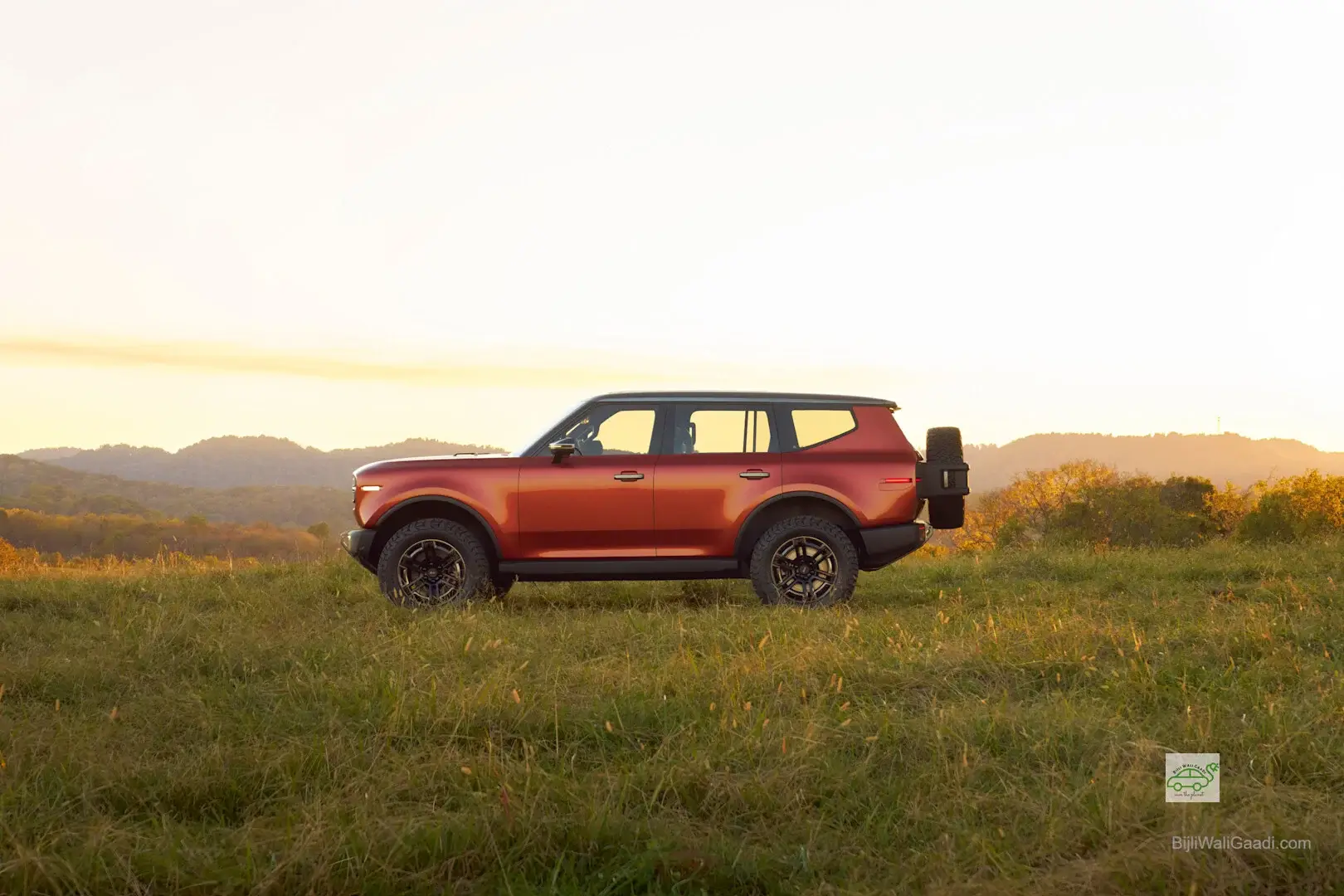
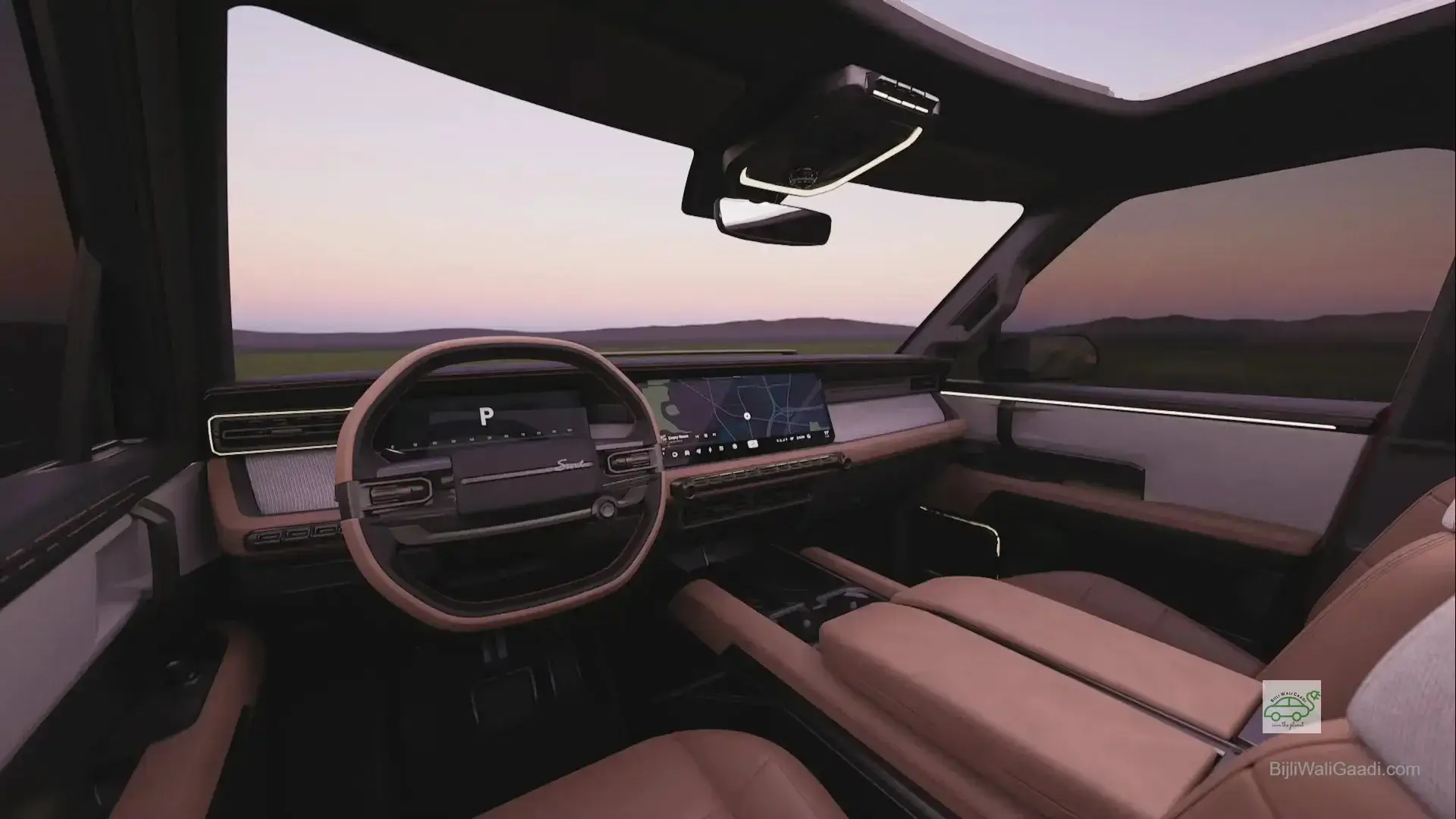
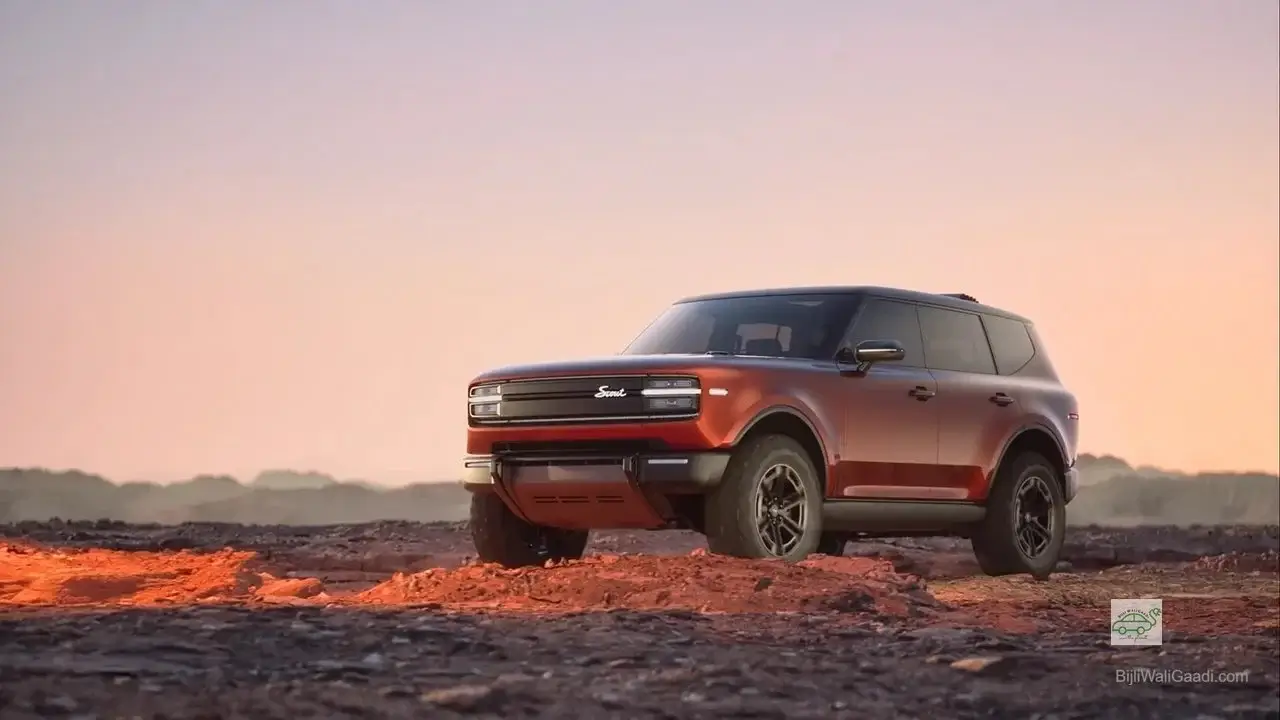
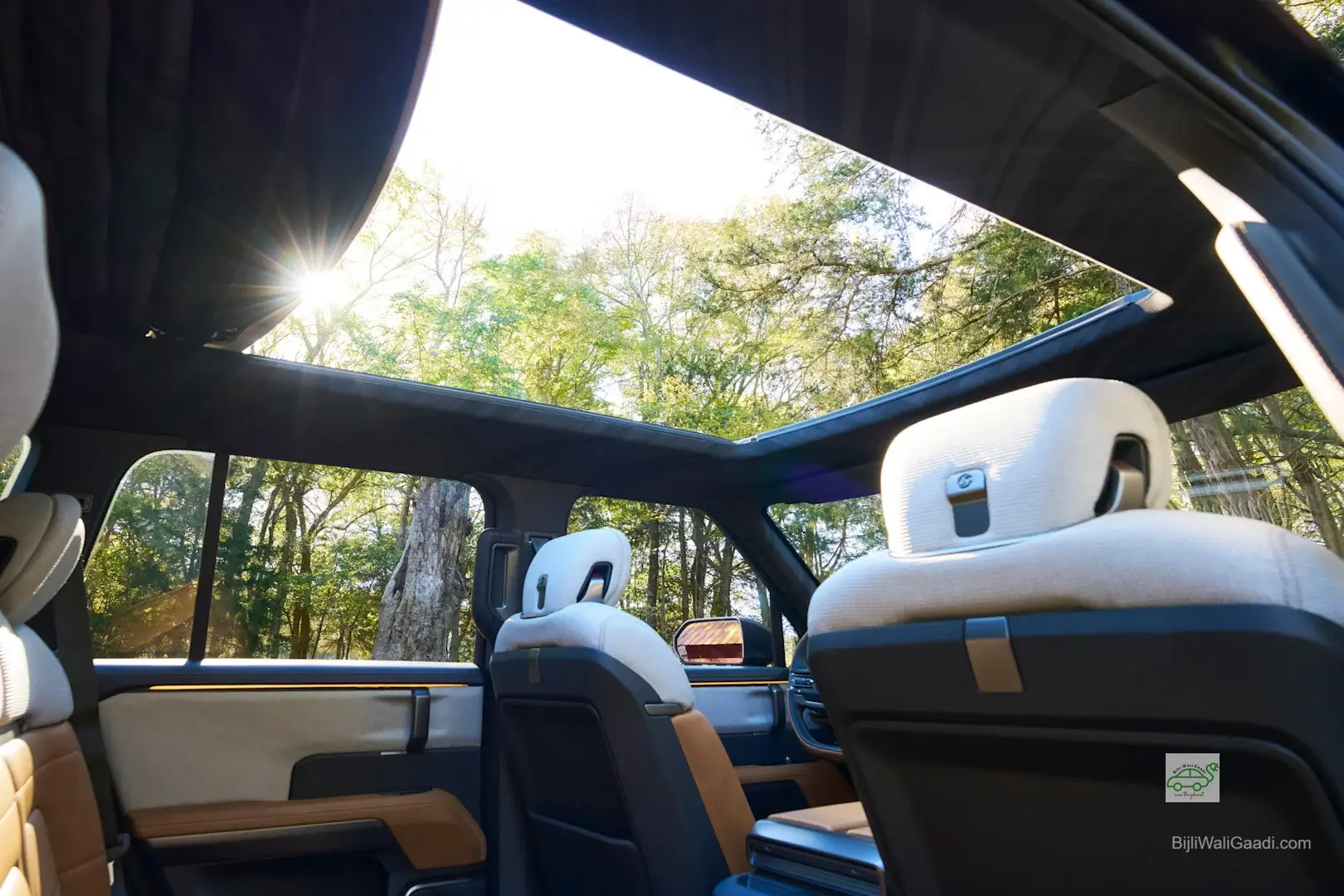
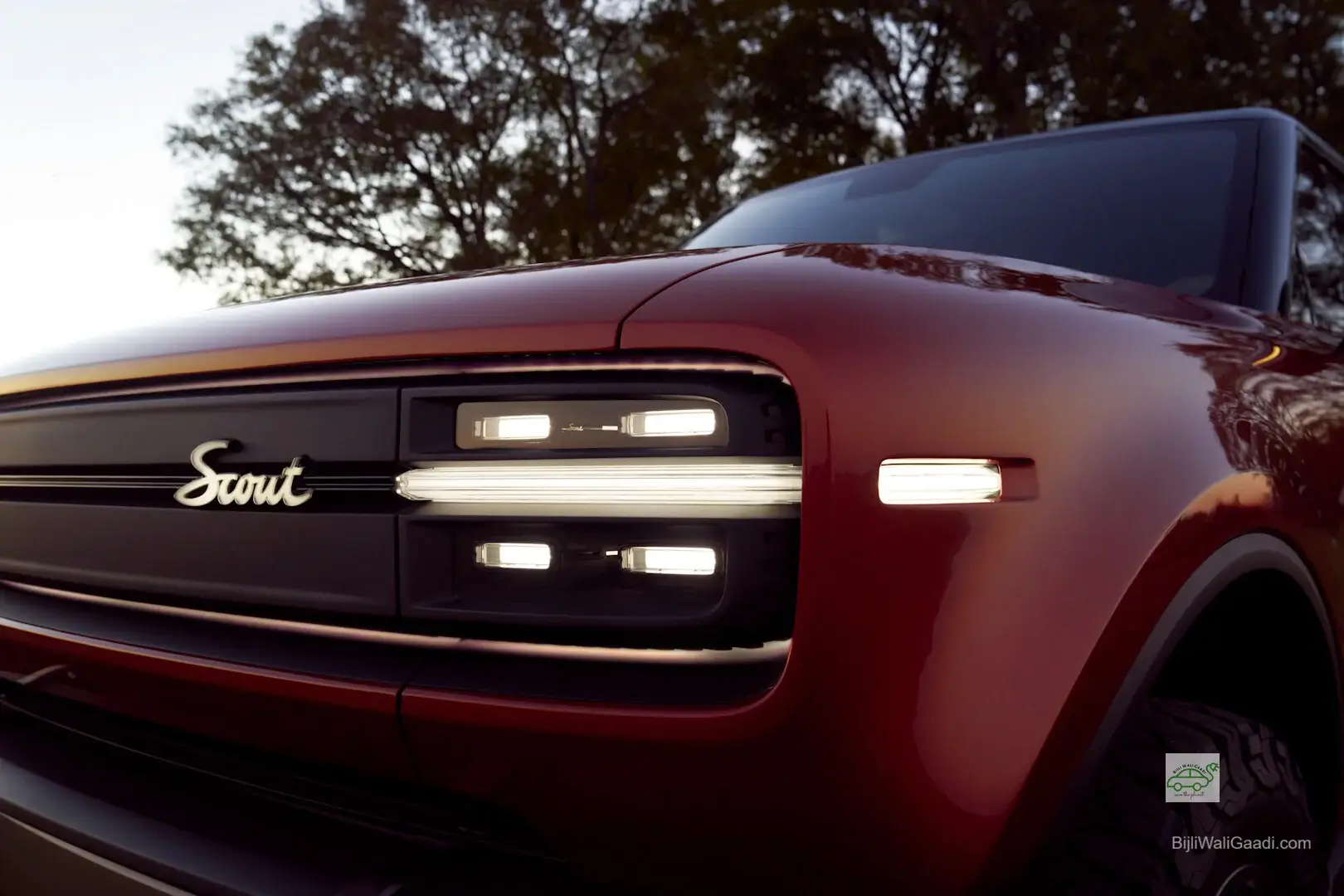
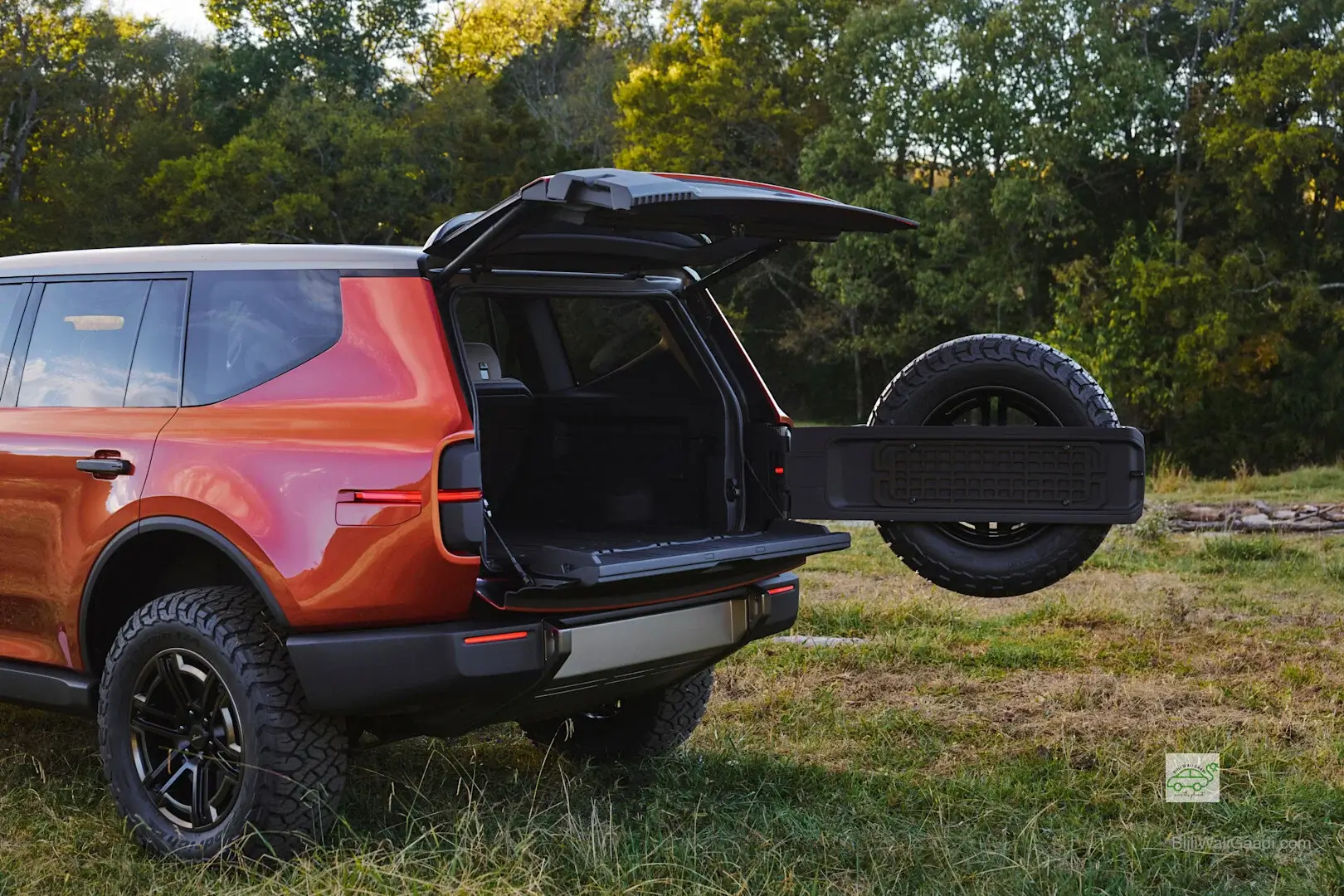
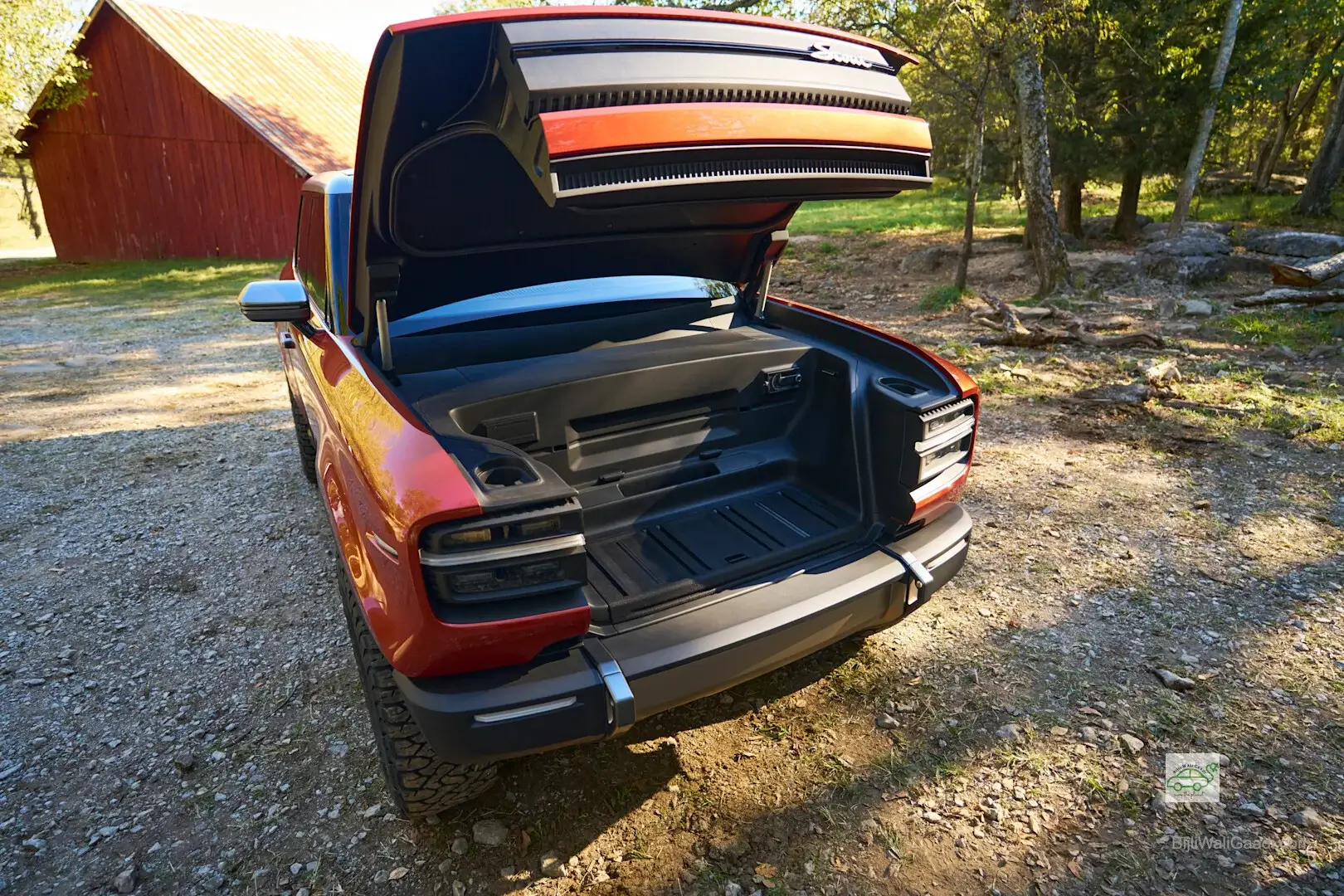
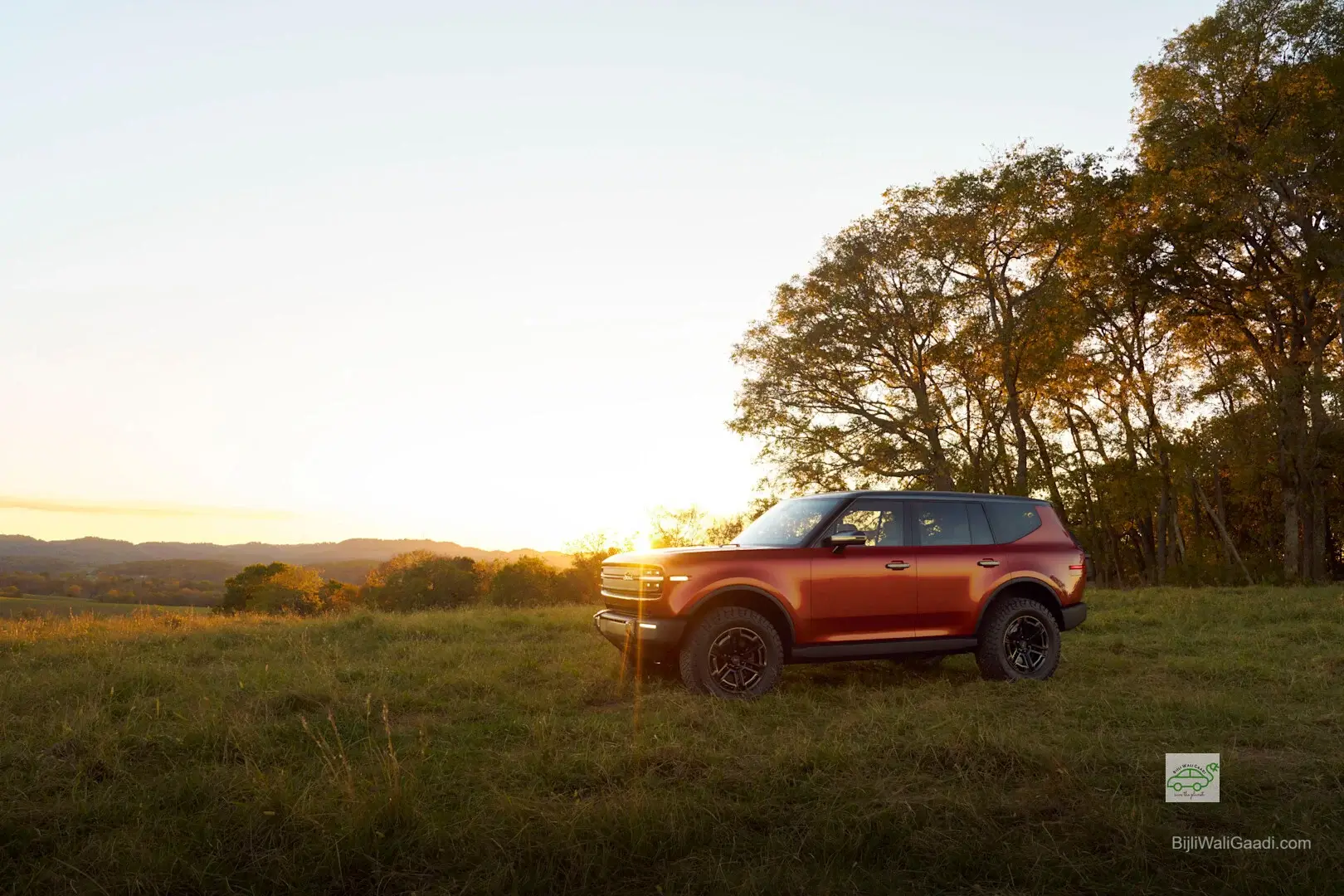
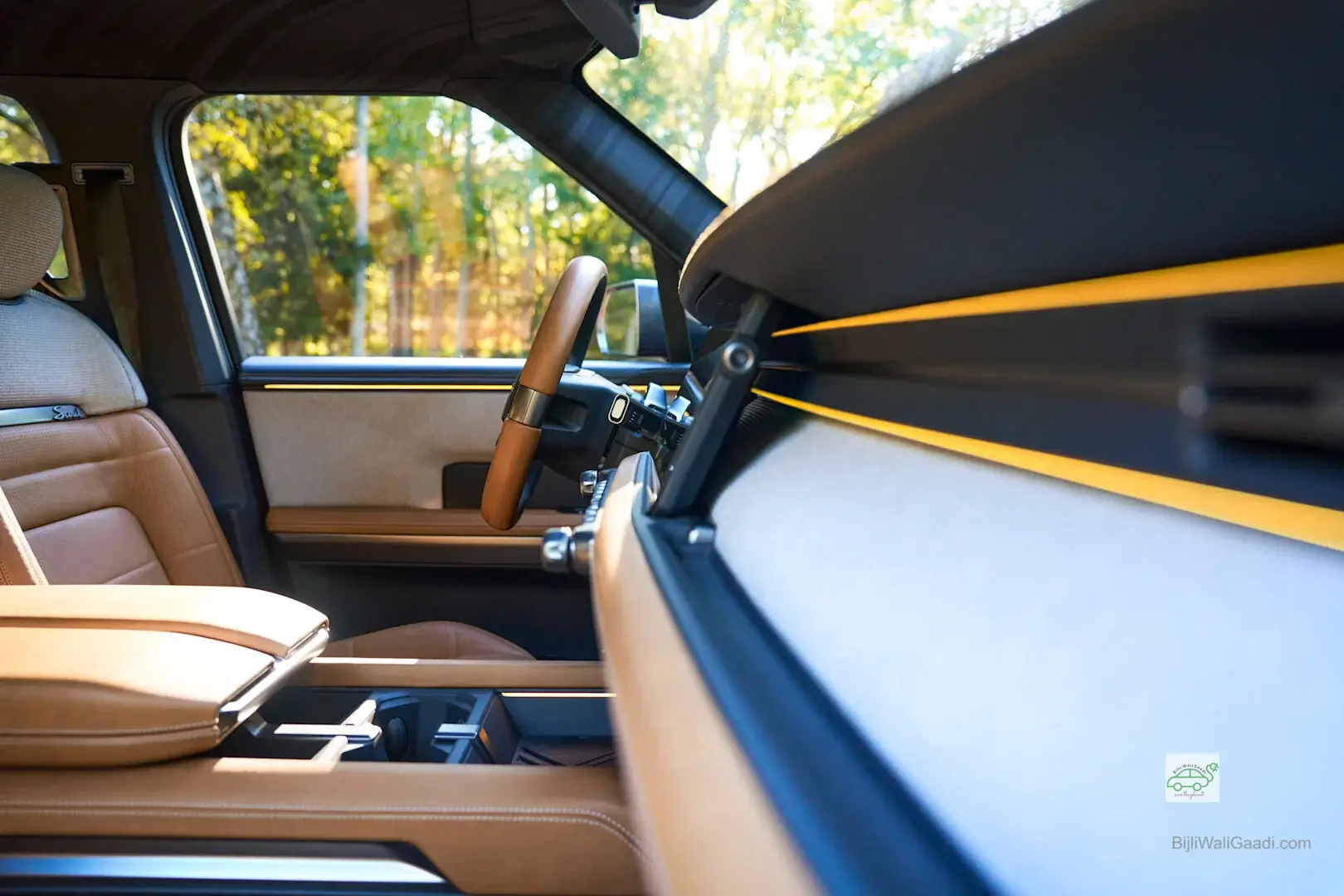
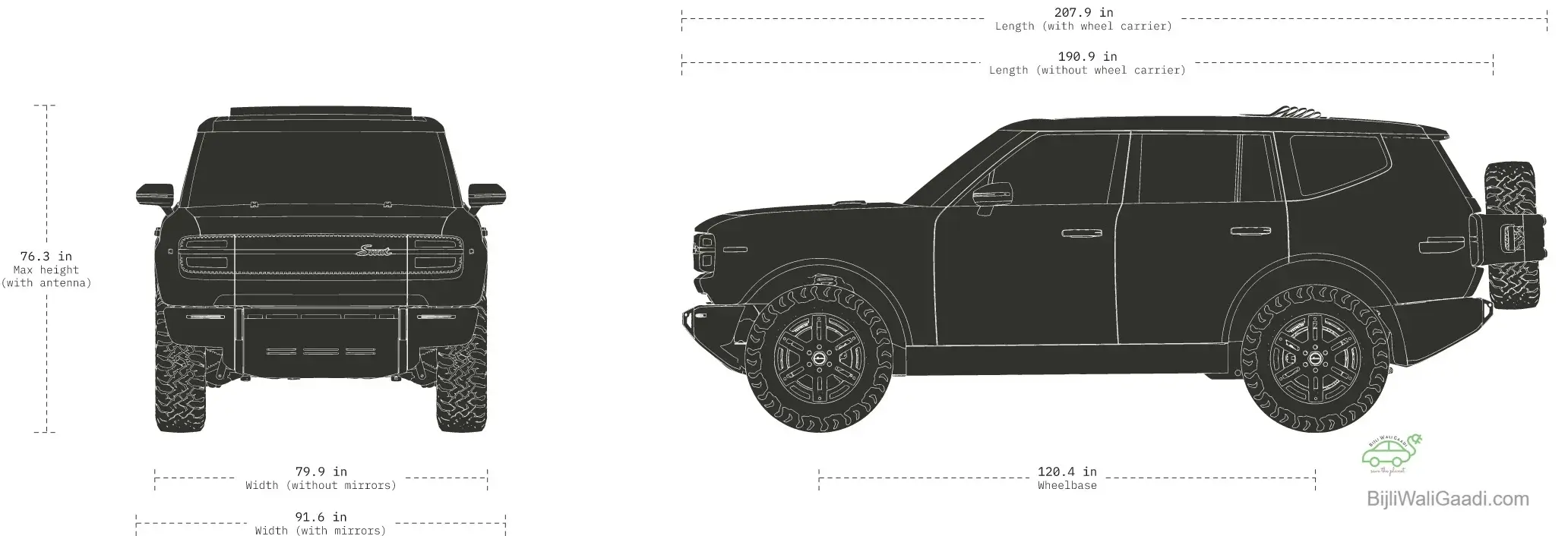
The Traveler is a body-on-frame SUV built around Scout’s “Connection Machine” design philosophy — a boxy, minimalist cabin with a panoramic sunroof and no roof rack or spare-tire carrier interrupting its silhouette. It uses a solid rear axle with front and rear mechanical locking differentials, a front sway-bar disconnect, and four-wheel drive with an electric drive unit per axle. Scout plans to begin production with the Traveler in its Harvester EREV configuration, reflecting strong customer demand for the range extender.
Scout Terra
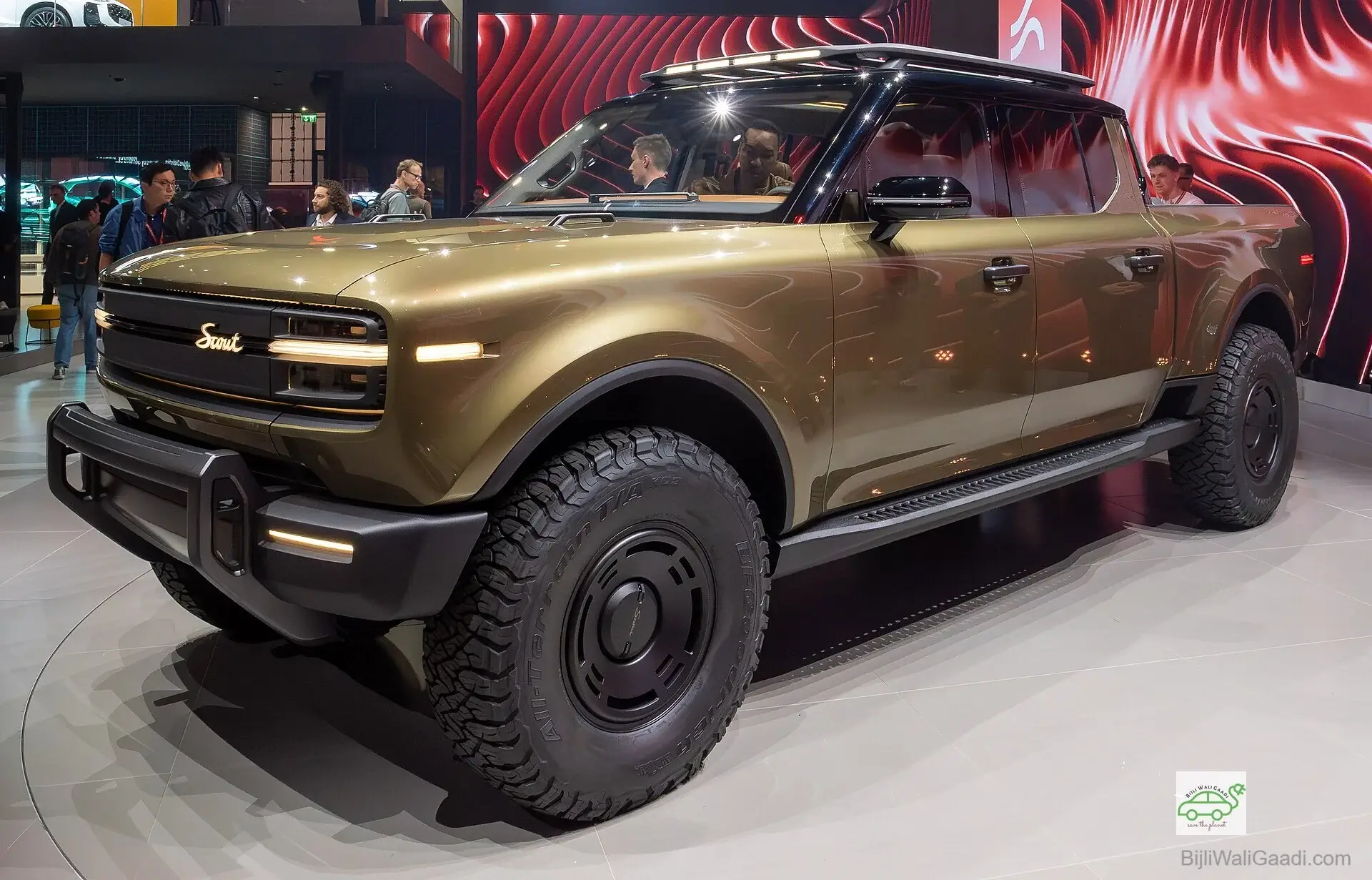
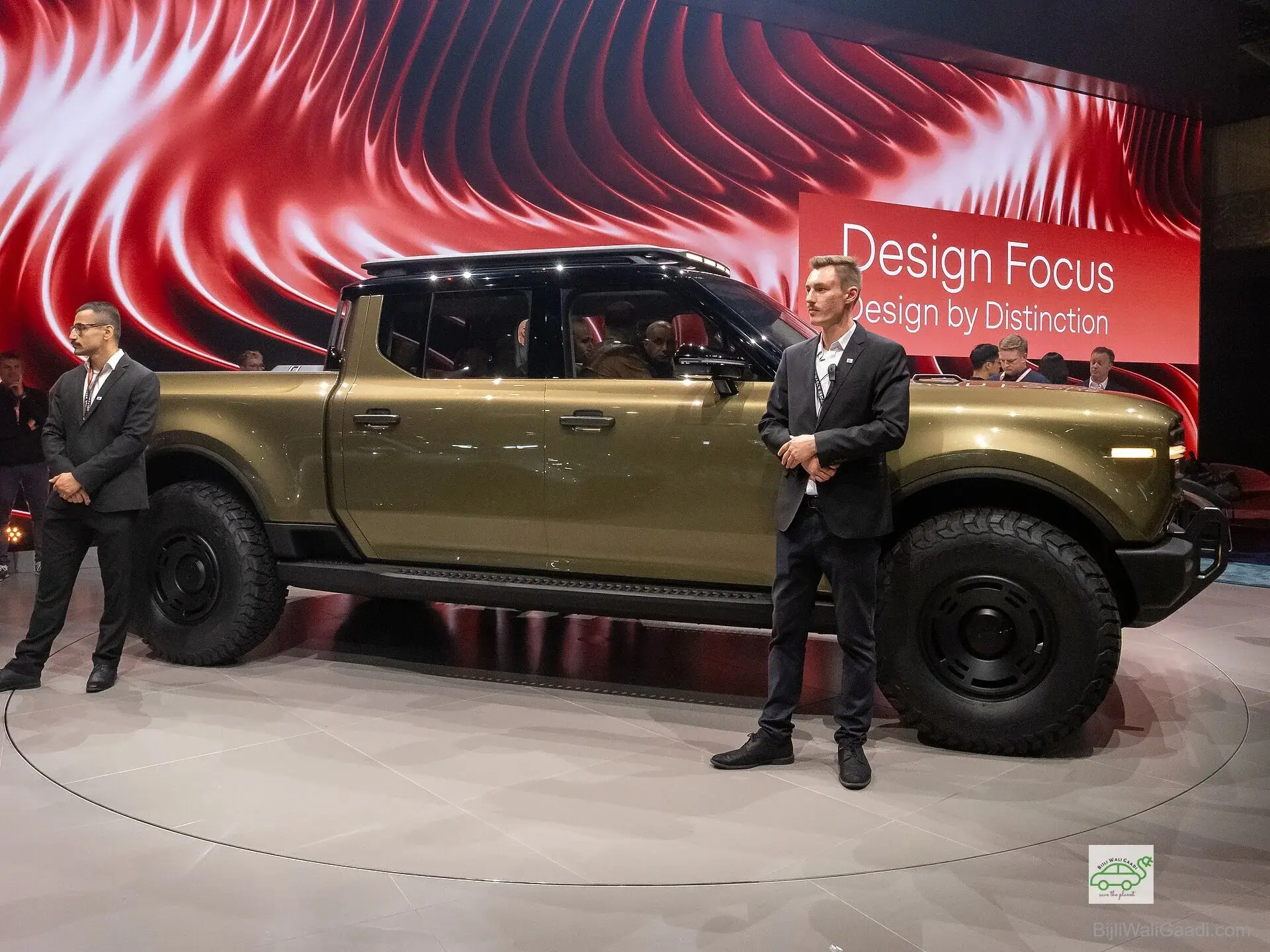
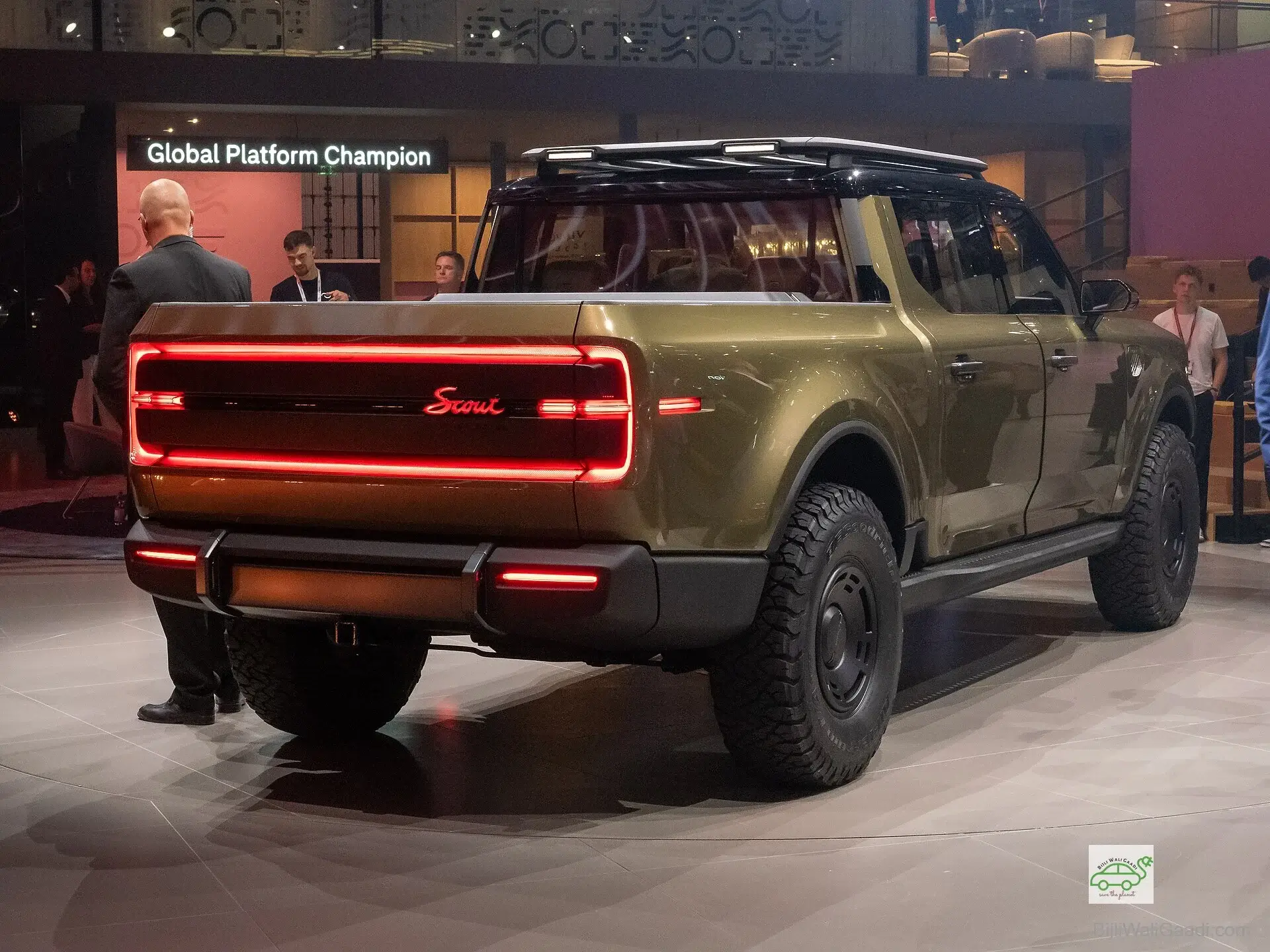
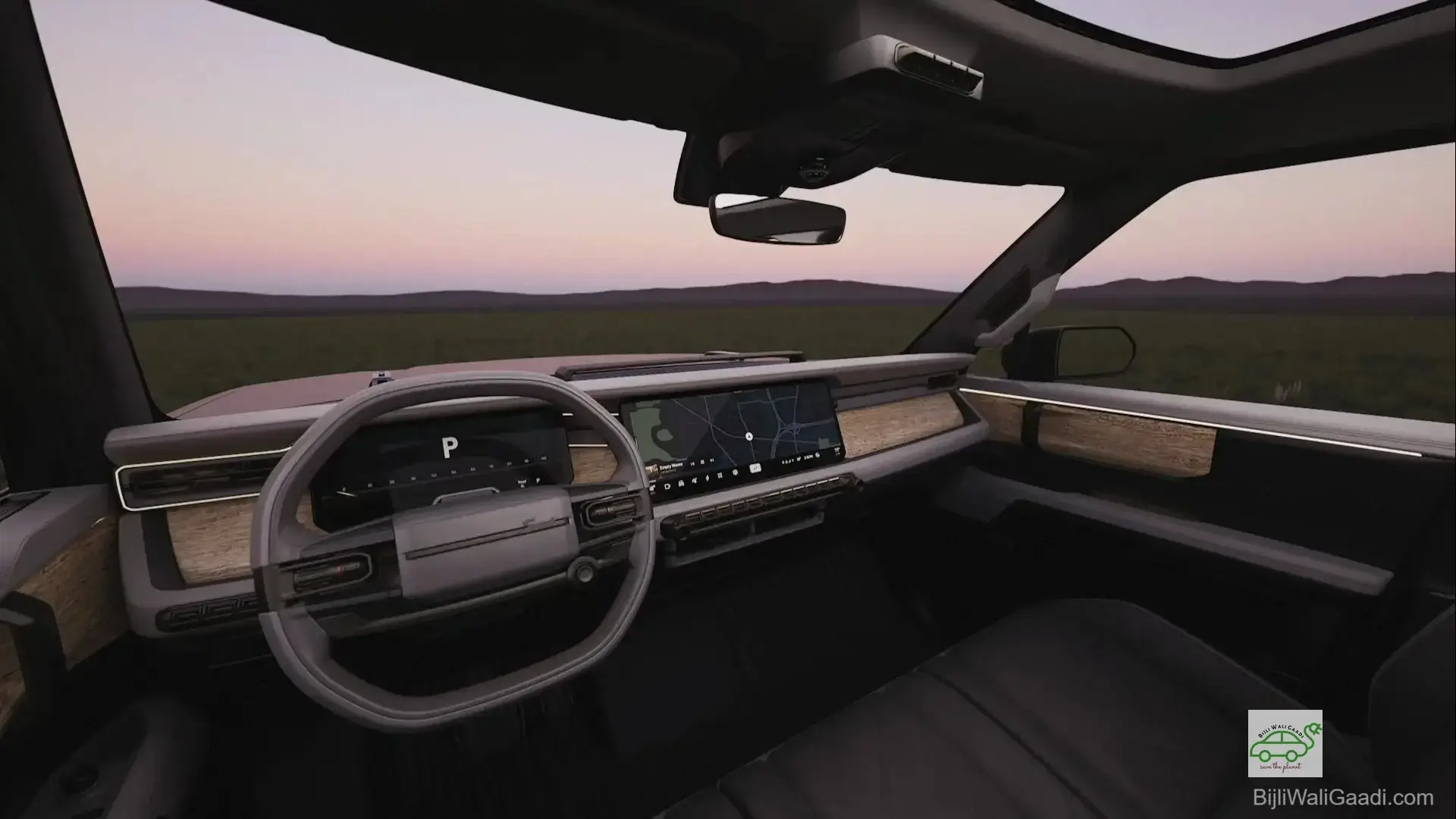
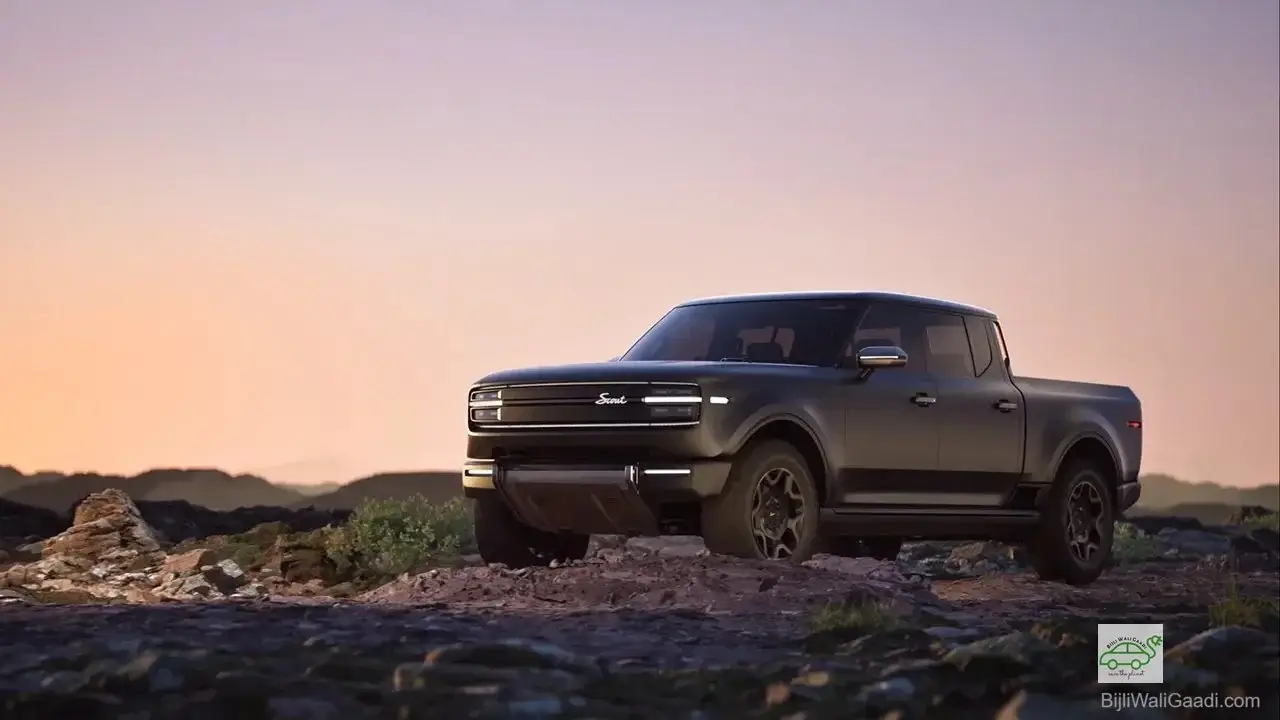
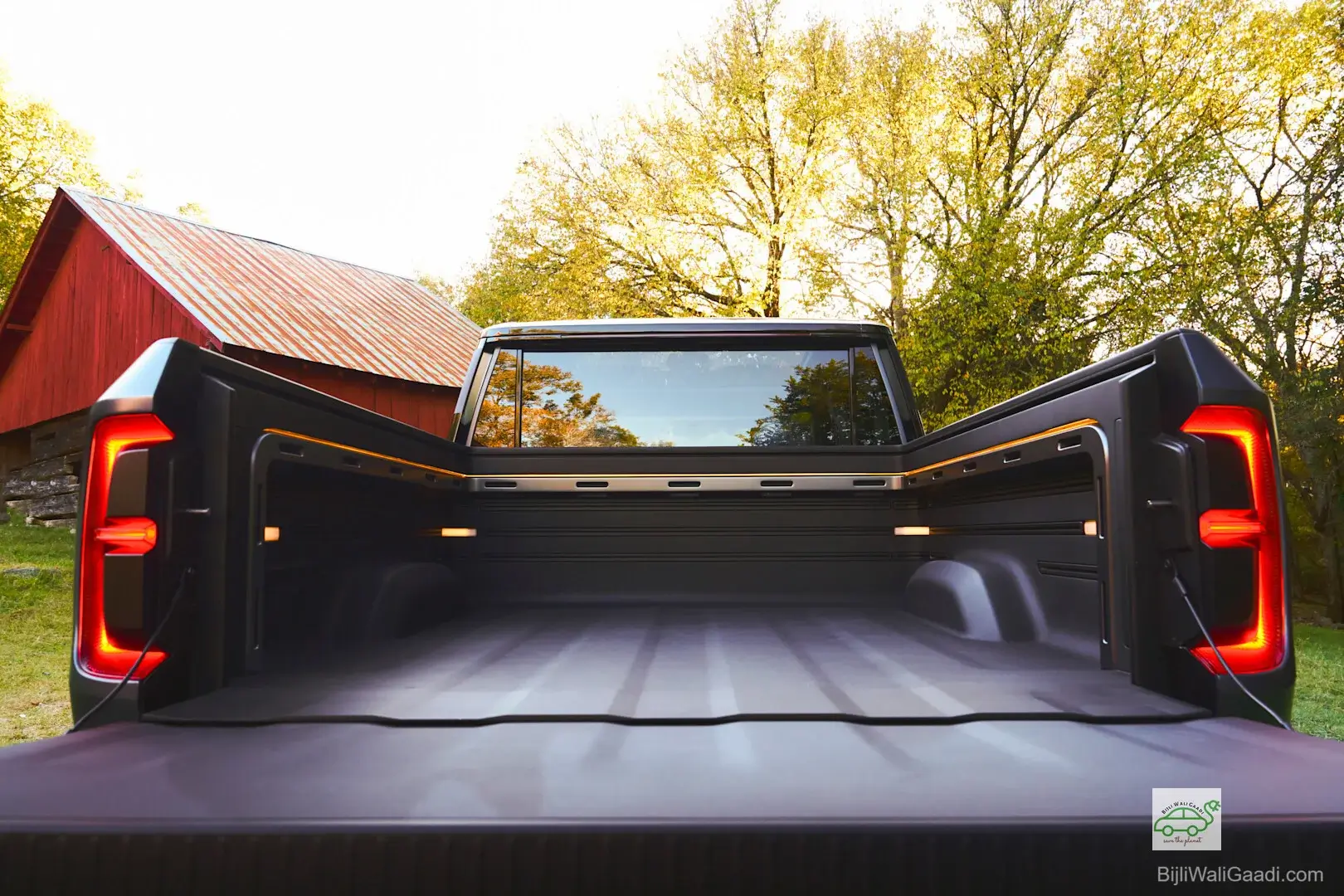
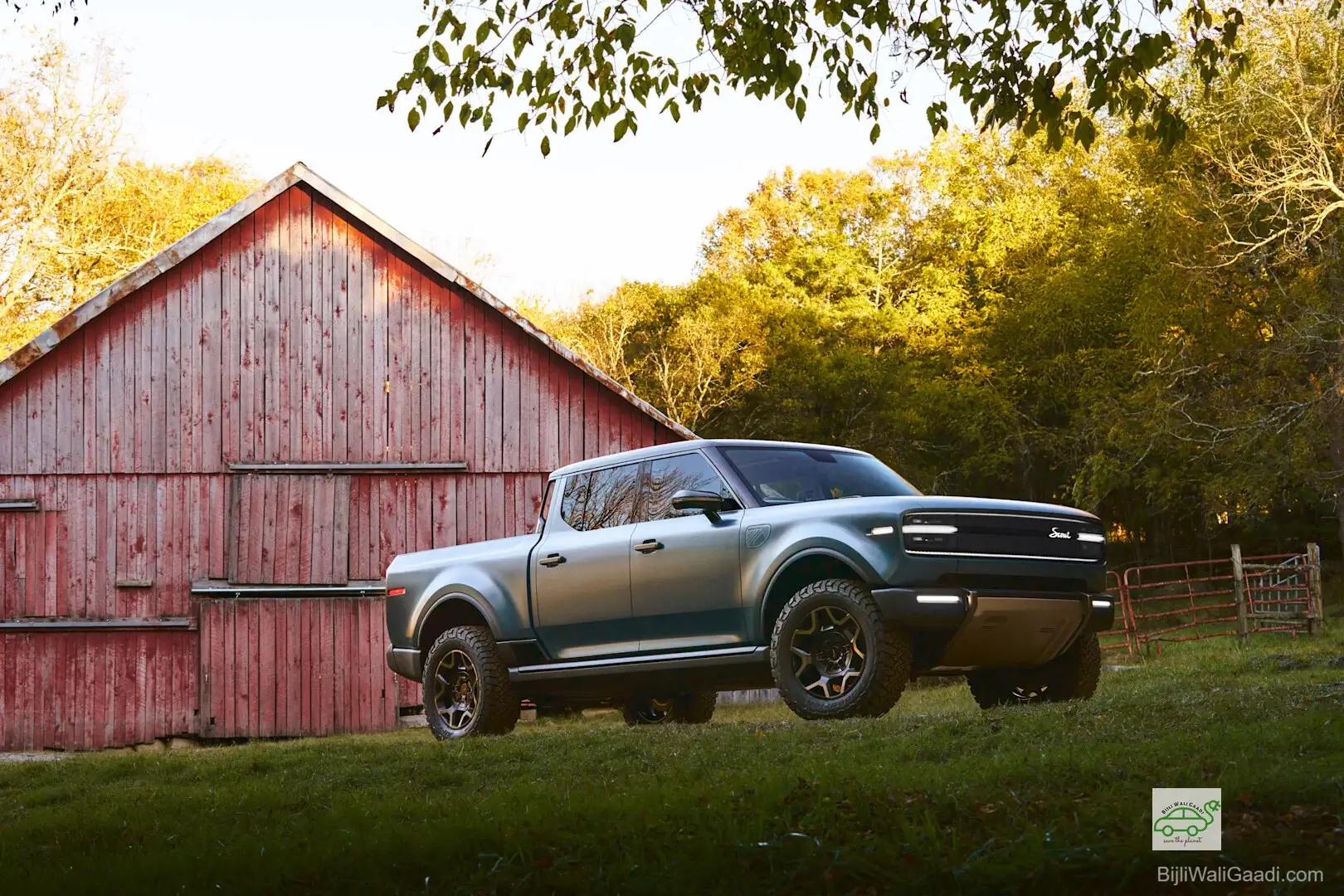
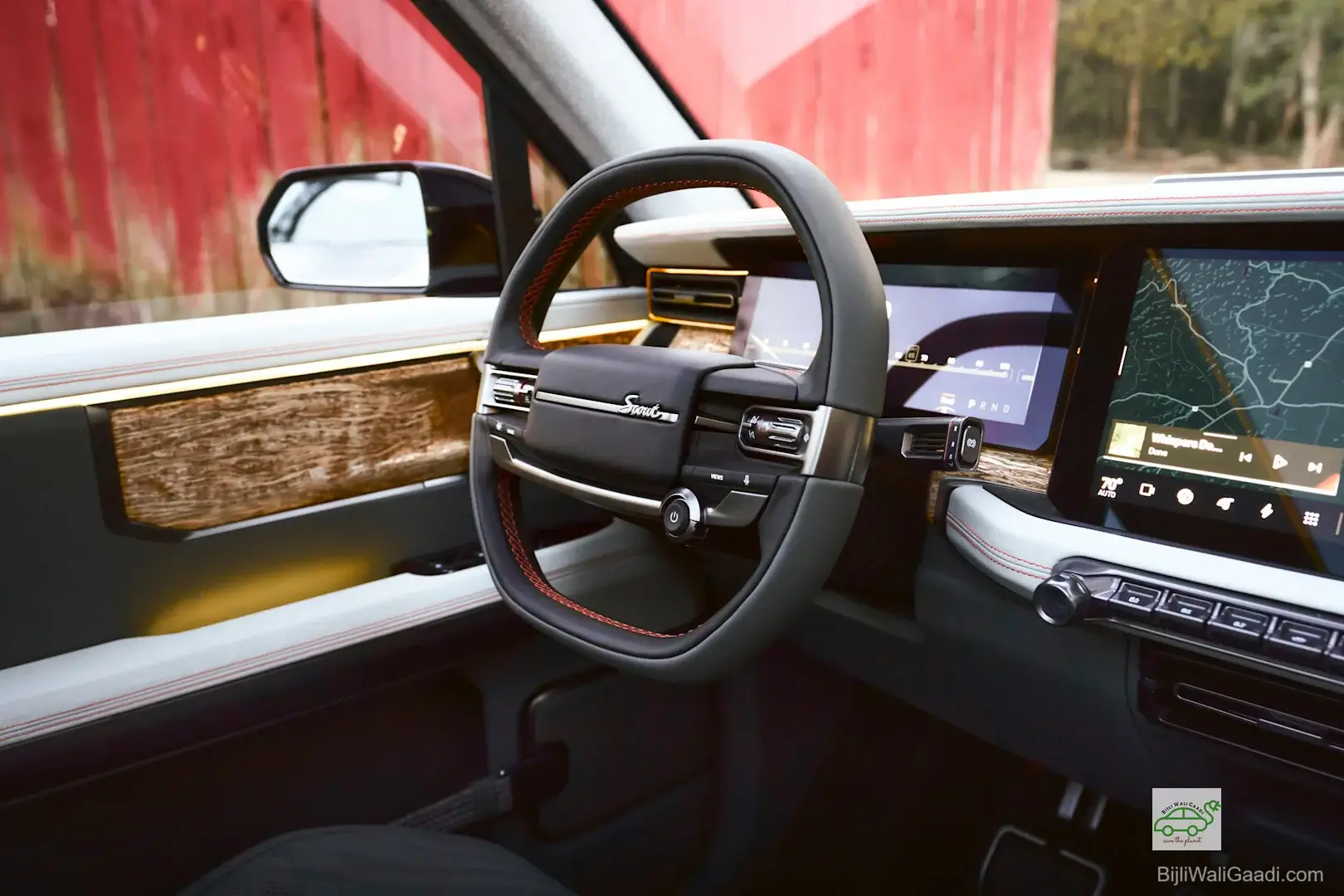
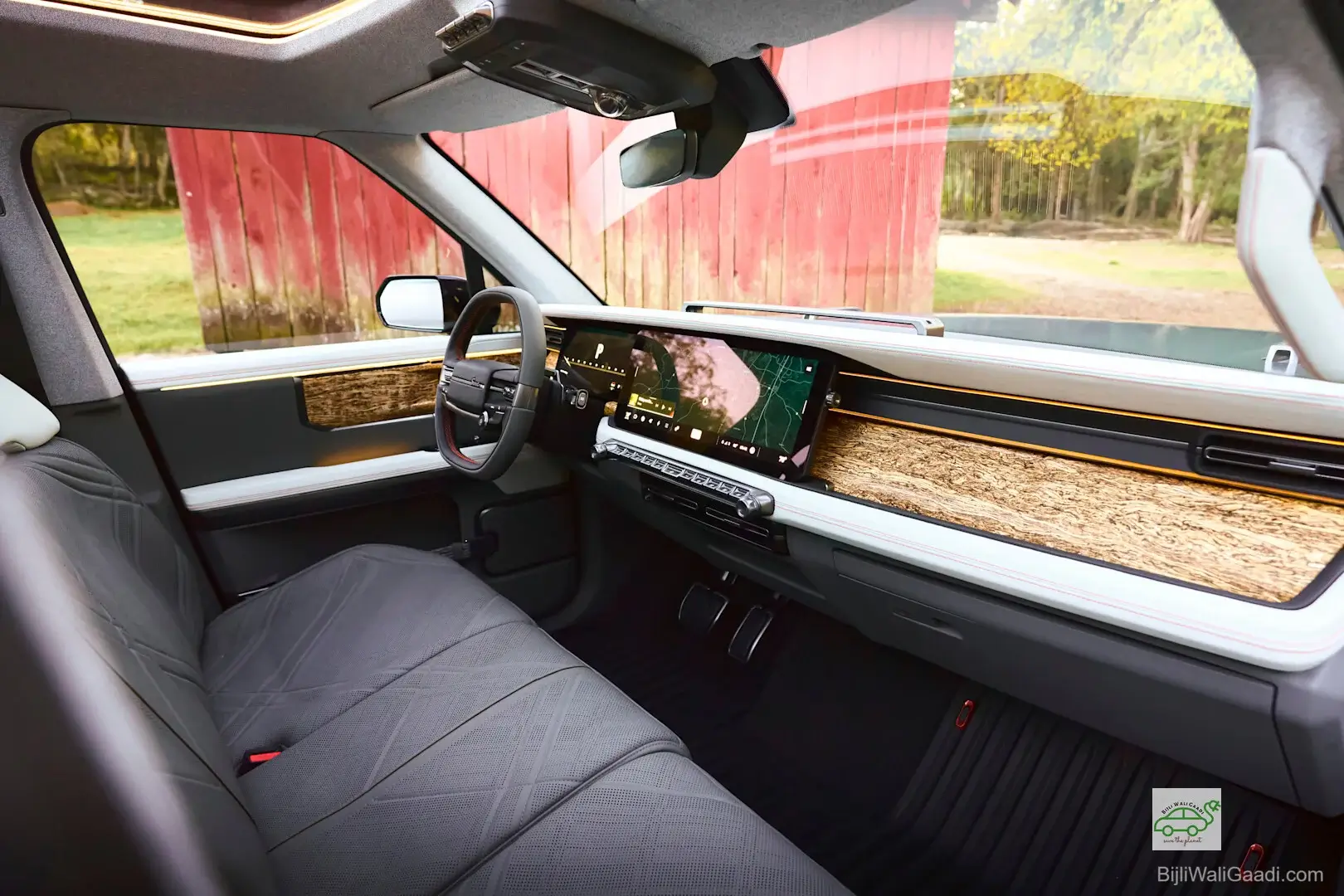
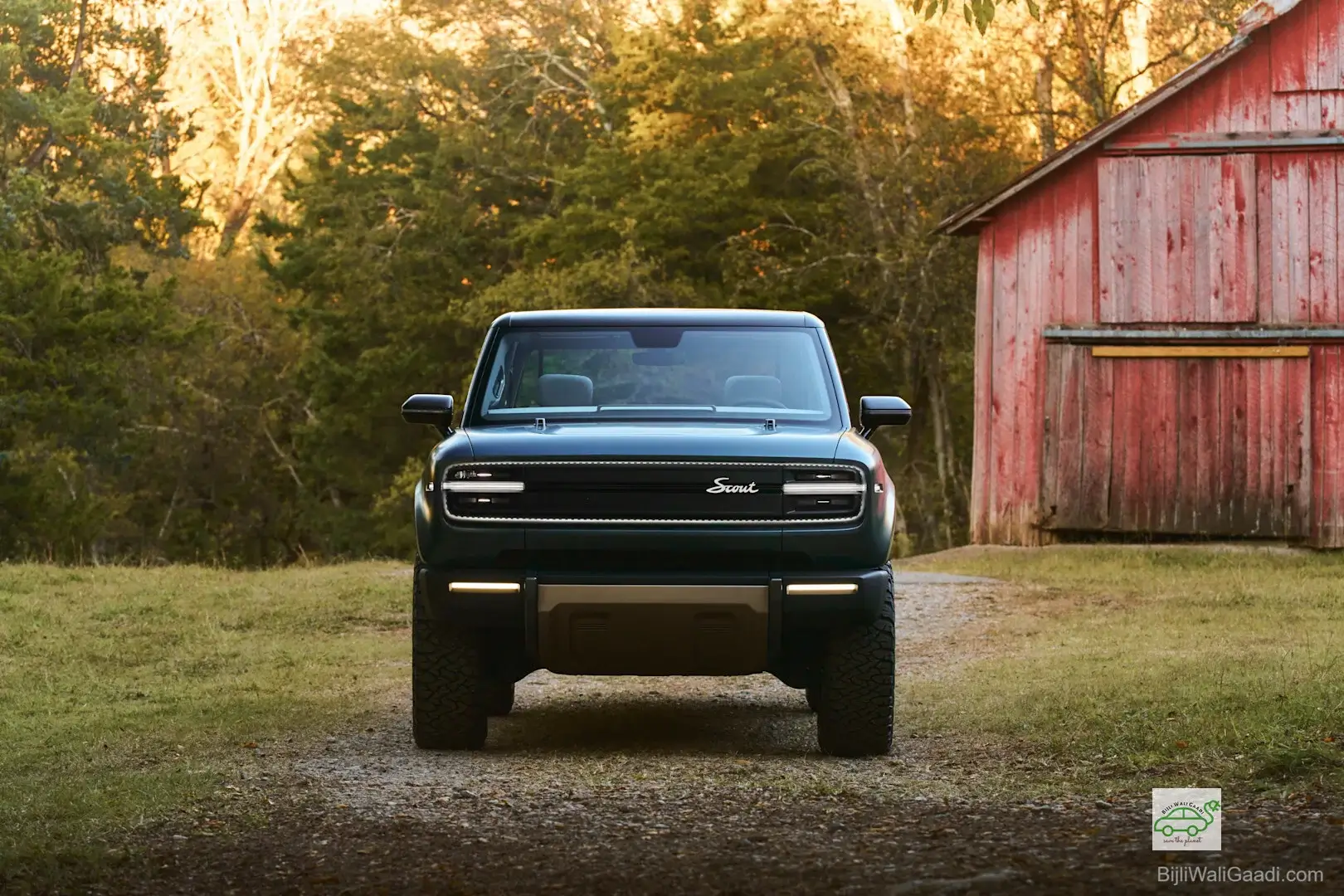
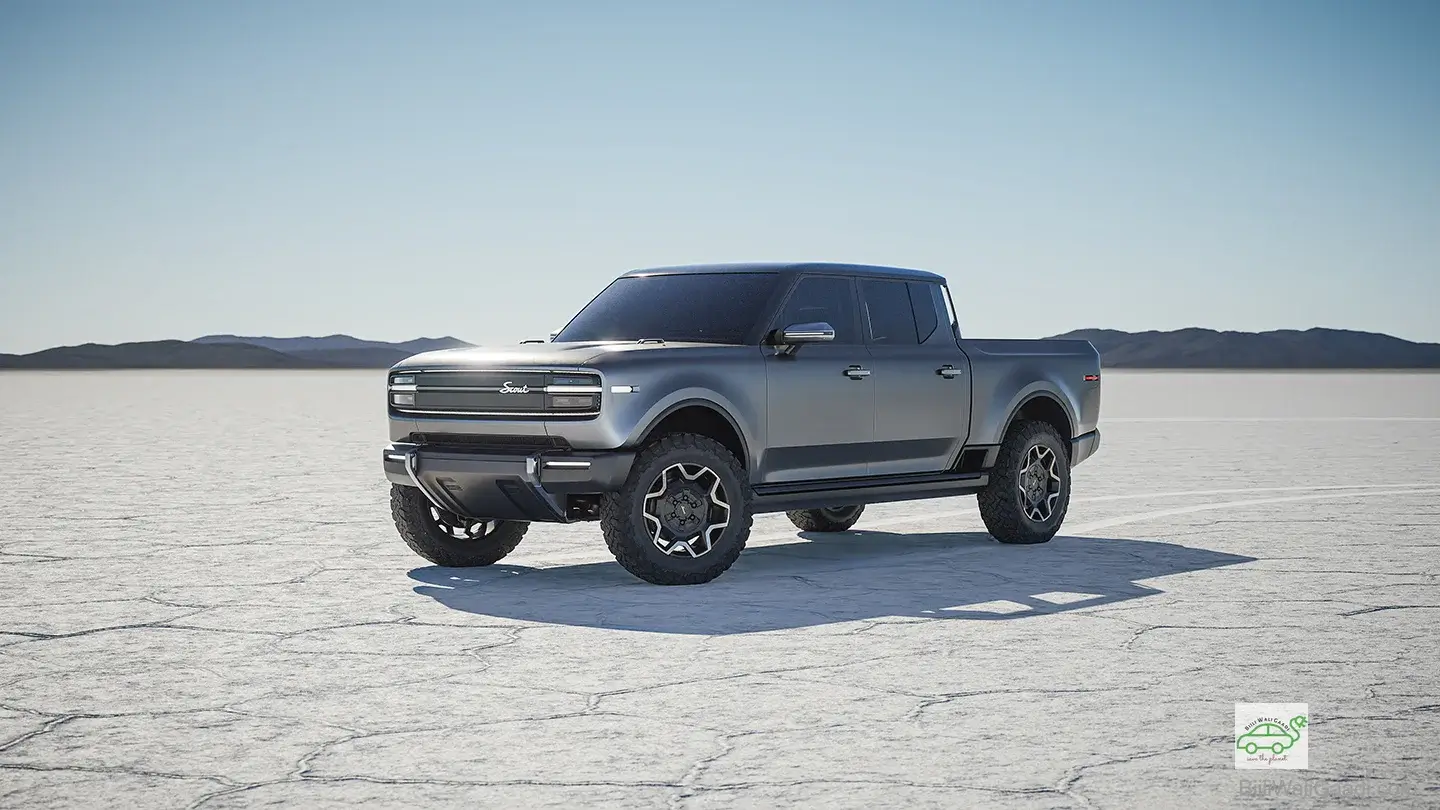
The Terra is Scout’s crew-cab pickup, sharing the Traveler’s body-on-frame construction and off-road hardware but built for heavier-duty use. Scout has confirmed that the Traveler will enter production first but has not released a precise Terra production schedule.
| Specification | Scout Traveler | Scout Terra |
| Vehicle type | SUV | Pickup |
| Construction | Body-on-frame | Body-on-frame |
| Drive system | 4WD, electric drive unit per axle | 4WD, electric drive unit per axle |
| BEV range (projected) | Up to 350 miles | Up to 350 miles |
| Harvester total range (projected) | More than 500 miles | More than 500 miles |
| Production order | First, with Harvester leading | Follows Traveler; exact timing not yet released |
| Entry price | Expected under $60,000 | Expected under $60,000 |
Scout Motors’ Market Strategy: Why North America First?
Scout is developing its production center near Blythewood, South Carolina — an approximately $2 billion investment expected to create more than 4,000 permanent jobs, with a stated design capacity above 200,000 vehicles annually once operational. Scout’s immediate strategy is heavily focused on North America, particularly the U.S., where Volkswagen has historically struggled against domestic and Japanese rivals; reservations are open in the United States and Canada.
Positioned against Jeep’s Wrangler and Gladiator, Ford’s Bronco, Rivian’s R1S and R1T, GMC’s Hummer EV, and Toyota’s Land Cruiser and Tacoma, Scout isn’t chasing commuter buyers — it wants customers who value off-road capability and towing without giving up electric power.
Scout’s Electric Powertrain: EV + Range Extender Explained
Both vehicles will be offered as pure battery-electric models and as Harvester EREVs, on the same body-on-frame platform with electric motors and four-wheel drive.
The battery-electric version is projected to deliver up to 350 miles of range — a Scout projection, not an EPA-certified figure. Scout hasn’t published a finalized battery capacity or chemistry.
Harvester is Scout’s gasoline-fueled range-extender system. A small gasoline engine functions as an onboard generator, recharging the high-voltage battery; it does not mechanically drive the wheels, which are always powered electrically. Scout projects approximately 150 miles of all-electric range for Harvester-equipped vehicles, followed by more than 500 miles of total range — again, manufacturer projections, not EPA-certified. Battery capacity and engine specifications remain undisclosed. Scout’s planned architecture includes an 800-volt system, a NACS port, CCS charging via adapter, DC fast-charging up to 350 kW, and bidirectional charging — no production charging curve has been confirmed.
EREV vs PHEV: What Is the Difference?
| Feature | BEV | Scout Harvester EREV | Typical PHEV |
| Primary propulsion | Electric motor(s) | Electric motor(s) | Electric motor + combustion engine |
| Battery | Large | Smaller than Scout’s BEV configuration; exact capacity not yet disclosed | Generally smaller |
| Engine mechanically drives wheels | No | No, according to Scout | Depends on architecture — yes or no |
| Engine role | None | Onboard generator/range extender | Propulsion and/or generation, depending on system |
| External charging | Yes | Yes | Yes |
| Long-distance flexibility | Dependent on charging | High | High |
| Tailpipe emissions while engine operates | None | Yes | Yes |
PHEV is a broad category, and not every PHEV drives the wheels mechanically. In Scout’s Harvester architecture the gasoline engine’s role is fixed — it only generates electricity, and the wheels always turn electrically.
Why Scout’s Reservation Mix Matters
As of March 2026, more than 85% of Scout’s reservations were for the Harvester EREV, according to Scout Motors — a figure that’s particularly significant because the company intends to produce the Harvester first. Towing, cold weather and off-road driving are relevant use cases that increase the practical value of an onboard generator, though this reservation mix reflects Scout’s own customer base rather than proof that battery-electric vehicles are broadly unsuitable.
Production, Pricing and Launch: What Is Confirmed?
| Item | Latest confirmed information |
| Brand ownership/backing | Volkswagen Group-owned Scout Motors, operated as a distinct U.S. entity |
| Production location | Under construction near Blythewood, South Carolina |
| Production timing | Validation vehicles targeted for 2026; initial production targeted for 2027; deliveries expected 2028 |
| Pricing | Not finalized — entry pricing expected below $60,000; unclear if this applies to Harvester versions |
| Market availability | North America — reservations open in the United States and Canada |
The Big Question: Can Scout Make Electric Off-Roading Mainstream?
Scout’s appeal is straightforward: heritage styling, off-road hardware, and a powertrain choice addressing a common objection to electric trucks. Its Harvester strategy could prove influential if other automakers see similar demand.
The real tests are ahead: bringing the Traveler to production on schedule, executing Harvester without compromising real-world range or capability, hitting the sub-$60,000 entry-price target, navigating direct-to-consumer legal challenges, and converting reservation demand into actual customer orders and deliveries. Scout remains promising and strategically interesting, but unproven until production and customer deliveries begin.
Specifications, range figures and production timing are based on Scout Motors’ latest published information and remain subject to change before production.
Stay connected via Google 'Electric Vehicle' News
Follow BijliWaliGaadi | India's Trusted EV Insights Portal
source on Google