From Mine to Motor: How GM and MP Materials Are Reshaping U.S. EVs
Stay connected via Google 'Electric Vehicle' News
Follow BijliWaliGaadi | India's Trusted EV Insights Portal
source on Google
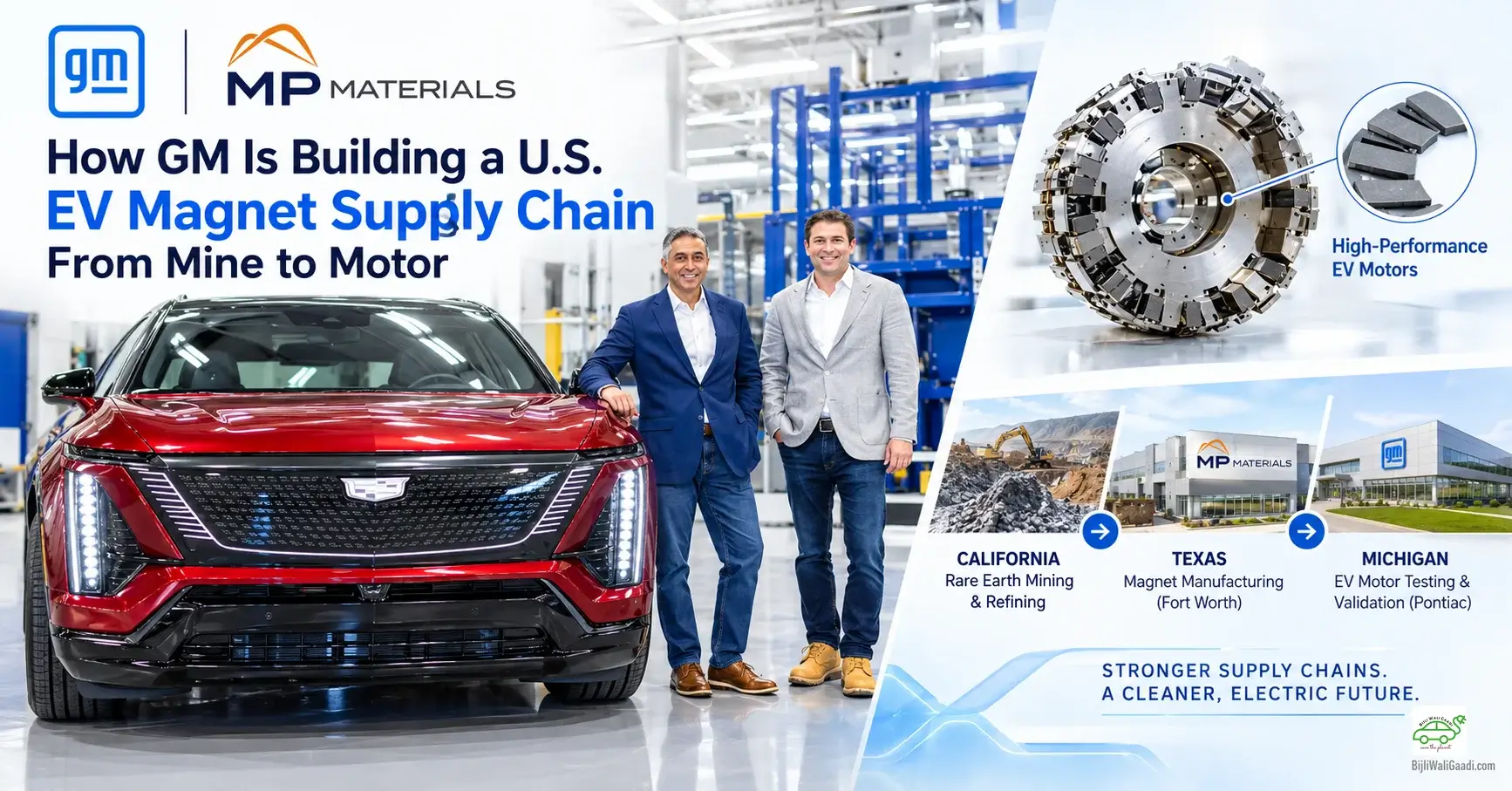
Quick answer: General Motors is building a U.S. supply chain for the permanent magnets inside its electric-vehicle motors. Rare earth materials are mined and refined in California, made into automotive-grade magnets by MP Materials in Fort Worth, Texas, and tested in GM EV motors in Pontiac, Michigan.
Why Permanent Magnets Sit at the Heart of an EV Motor
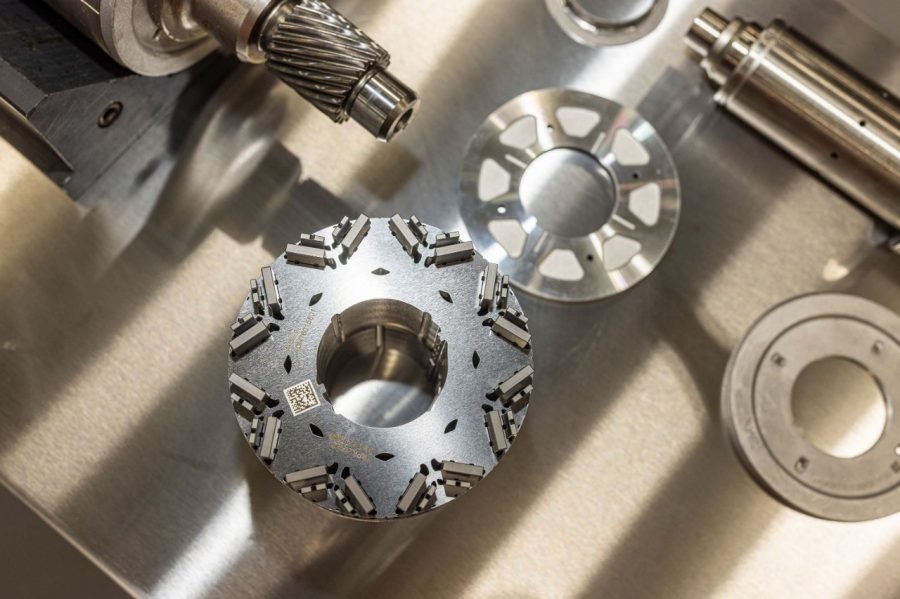
An EV motor has a straightforward job: turn electrical energy into motion. Delivering the performance and durability drivers expect is far harder. Most GM EV motors today use interior permanent magnets. The motor’s stator creates a rotating magnetic field, and that field interacts with magnets inside the rotor to produce torque.
Permanent-magnet motors generally offer excellent efficiency and power density, which matter when engineers are trying to maximize range, performance and space. To earn the “automotive grade” label, the magnets must withstand extreme heat, vibration and mechanical stress while performing consistently. That is a demanding standard, and it explains why magnet supply is a strategic issue for EV makers.
GM’s Magnet and Electric Motor Heritage Dates Back to the Early 1980s
In the early 1980s, GM researchers helped pioneer a process for producing powerful neodymium-based permanent magnets. According to GM, that work reflects a pattern: combining materials science, engineering and manufacturing to solve difficult problems at scale.
The company’s motor experience is just as deep:
- The first-generation Chevrolet Volt advanced permanent-magnet motor performance in a hybrid vehicle.
- Its successor introduced a dual-V magnet arrangement designed to increase torque and reduce noise and vibration.
- The first-generation Chevrolet Bolt EV helped bring permanent-magnet motor technology to a long-range, mass-market EV.
Each generation taught GM something new, and those lessons now shape a family of electric motors built for a broad vehicle portfolio.
How Segmented Magnets Improve GM EV Motor Efficiency
GM keeps refining the technology. In its current motor family, engineers moved from solid to segmented magnets to reduce heat buildup and energy loss, which helps improve efficiency. That experience gives GM a clear view of what an automotive-grade magnet must deliver inside an EV motor, and of how difficult it is to produce those magnets reliably at scale.
What Is MP Materials? The Rare Earth Company Behind GM’s EV Magnets
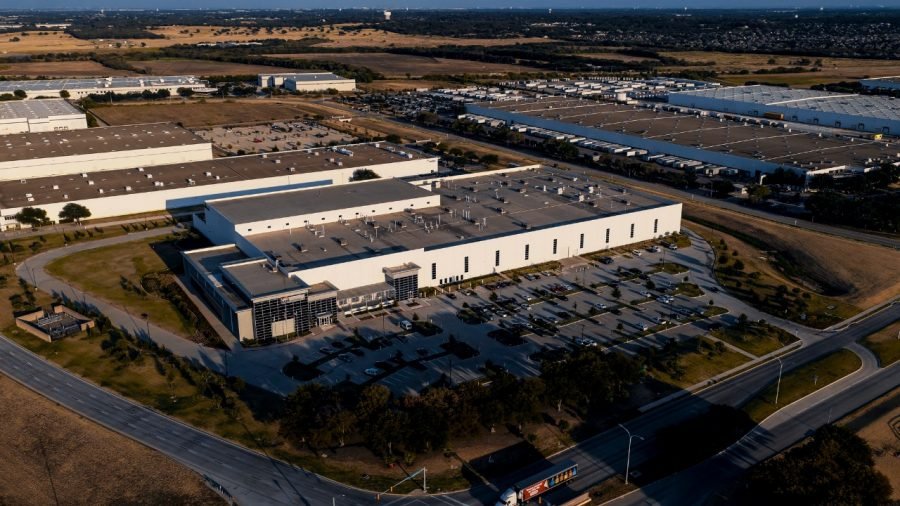
MP Materials is the rare earth and magnet company behind GM’s automotive magnets. When GM signed its agreement in 2021, MP was operating Mountain Pass, which GM describes as North America’s only active, large-scale rare earth mining and refining site, and was working to build a fully integrated magnetics business.
Its Independence manufacturing facility in Fort Worth, Texas, is where that magnet business takes shape. GM reports that MP is now producing automotive magnets at Independence. MP’s founder, chairman and CEO, James Litinsky, appears alongside GM’s Shilpan Amin in GM’s update.
GM’s Investment in MP Materials: Becoming the Foundational EV Customer
In 2021, GM entered a long-term agreement with MP Materials as part of a broader effort to develop a U.S. supply of automotive-grade permanent magnets. GM became the foundational automotive customer for the Independence facility.
According to GM, being a foundational customer means creating early certainty around demand, aligning long-term plans and putting technical teams together to move from investment to industrialization and scale. GM knew it would be a multiyear journey before the first magnet could be produced, and it believed in MP’s strategy, technical expertise and ability to scale.
The benefit runs both ways. GM’s commitment supported MP’s new manufacturing capability and path to scale, while GM gained a strategic supplier with the potential to provide greater resilience, competitiveness and flexibility. GM’s update does not detail financial terms.
From California to Texas to Michigan: The Mine-to-Motor Journey
Five years after the 2021 agreement, the results are visible. MP Materials produces automotive magnets at Independence, while GM teams test and validate them in electric motors at GM’s labs in Pontiac, Michigan.
The chain looks like this:
- California: rare earth materials are mined and refined.
- Texas: magnets are manufactured in Fort Worth.
- Michigan: GM develops and validates EV motors with those magnets.
GM calls this a real-world example of its “buy where we build” approach, and of how supply chains can become more resilient.
Why Long-Term Relationships Make EV Supply Chains More Resilient
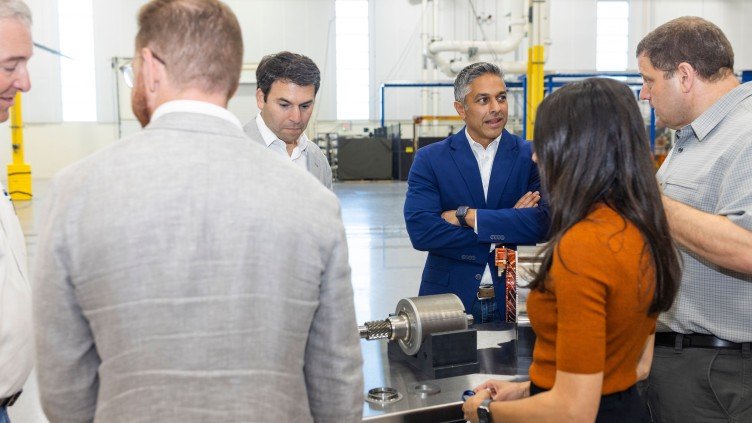
Supply chains are often discussed in terms of transactions, costs and networks. Shilpan Amin, GM’s Global Chief Procurement and Supply Chain Officer, argues that relationships and a willingness to act immediately matter most when standing up new ones.
Turning plans into reality takes capable suppliers, aligned goals and teams that work together for years. It also takes confidence to invest before every answer is known. GM says this work connects more than three decades of its electric-motor development with an even longer history of magnet innovation, and it points to a stronger foundation for the vehicles customers will choose in the years ahead.
Key Takeaways
- GM helped pioneer neodymium-based permanent magnet production in the early 1980s.
- Most GM EV motors use interior permanent magnets, and the current motor family uses segmented magnets to cut heat and energy loss.
- GM has been MP Materials’ foundational automotive customer for Fort Worth since 2021.
- MP now produces automotive magnets in Texas, validated by GM in Pontiac, Michigan.
Source: From mine to magnet to motor: How GM is building critical supply chains for the long term
EV Magnet Supply Chain FAQs
Stay connected via Google 'Electric Vehicle' News
Follow BijliWaliGaadi | India's Trusted EV Insights Portal
source on Google