Inside China’s $4,000 EV Revolution: How Wuling, Changan and Chery Made Micro-EVs So Cheap
Stay connected via Google 'Electric Vehicle' News
Follow BijliWaliGaadi | India's Trusted EV Insights Portal
source on Google
How China built an ultra-cheap electric car ecosystem, and why the engineering behind it matters more than the headline price.
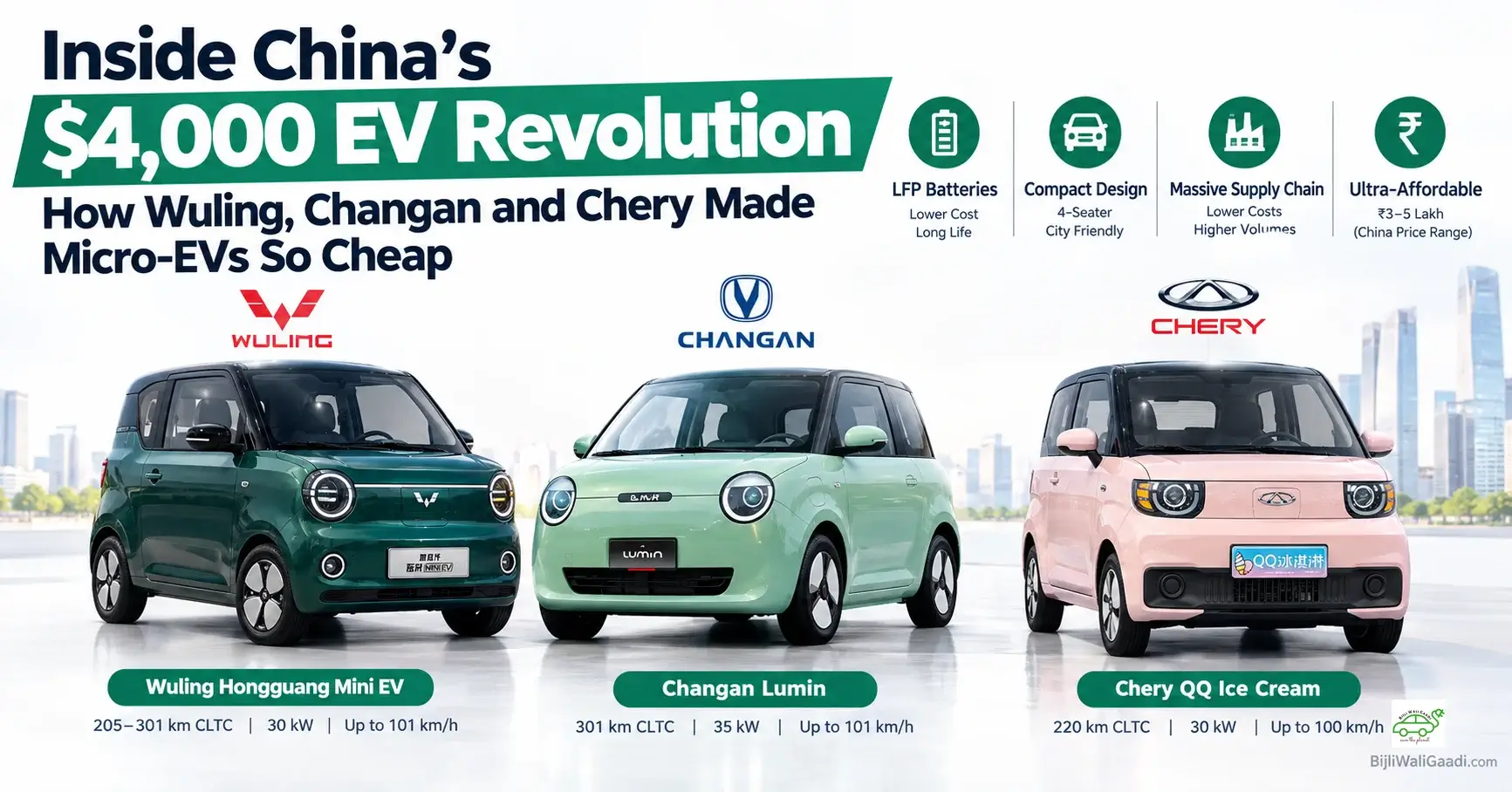
The “$4,000 EV” figure gets thrown around a lot, but it represents the ultra-low end of China’s domestic micro-EV pricing, not a universal current price. Actual 2026 pricing across SAIC-GM-Wuling, Changan, and Chery’s budget nameplates runs roughly $6,000 to $8,000 depending on model, trim and battery size. What hasn’t changed is the strategy: instead of chasing range and horsepower, these three build boxy, four-seat city EVs, increasingly built around low-cost LFP battery configurations, sized specifically for short urban trips. The Wuling Hongguang Mini EV also outsold the Tesla Model 3 in several monthly sales periods in China during 2020–2021, a striking demonstration of how price and urban practicality can move demand.
Quick Summary
- Wuling Hongguang Mini EV: 2026 fifth-generation model, 30 kW motor and 101 km/h top speed across configurations; 16.2 kWh LFP battery for 205 km CLTC or 25.1 kWh LFP for 301 km CLTC depending on trim.
- Changan Lumin: up to 28.1 kWh LFP, 301 km CLTC, 35 kW and 101 km/h in its long-range configuration; lower-range variants use smaller packs.
- Chery QQ Ice Cream: current 2026 version uses a 17.3 kWh LFP battery, up to 220 km CLTC, 30 kW and 100 km/h.
What Is Driving China’s Cheap Electric Microcar Market?
China’s micro-EV market is driven by ultra-affordable 4-seater electric city cars priced roughly between  8,000 domestically, led by SAIC-GM-Wuling, Changan, and Chery. These manufacturers combine low-cost LFP battery chemistry, simplified vehicle platforms, and massive domestic supply chains to hit price points few automakers elsewhere currently match for a genuine four-seat EV.
Three Representative Nameplates, Three Different Bets
Calling these three a “Big Three” is an editorial framing for this comparison, not a claim that they’re literally China’s three largest EV manufacturers.
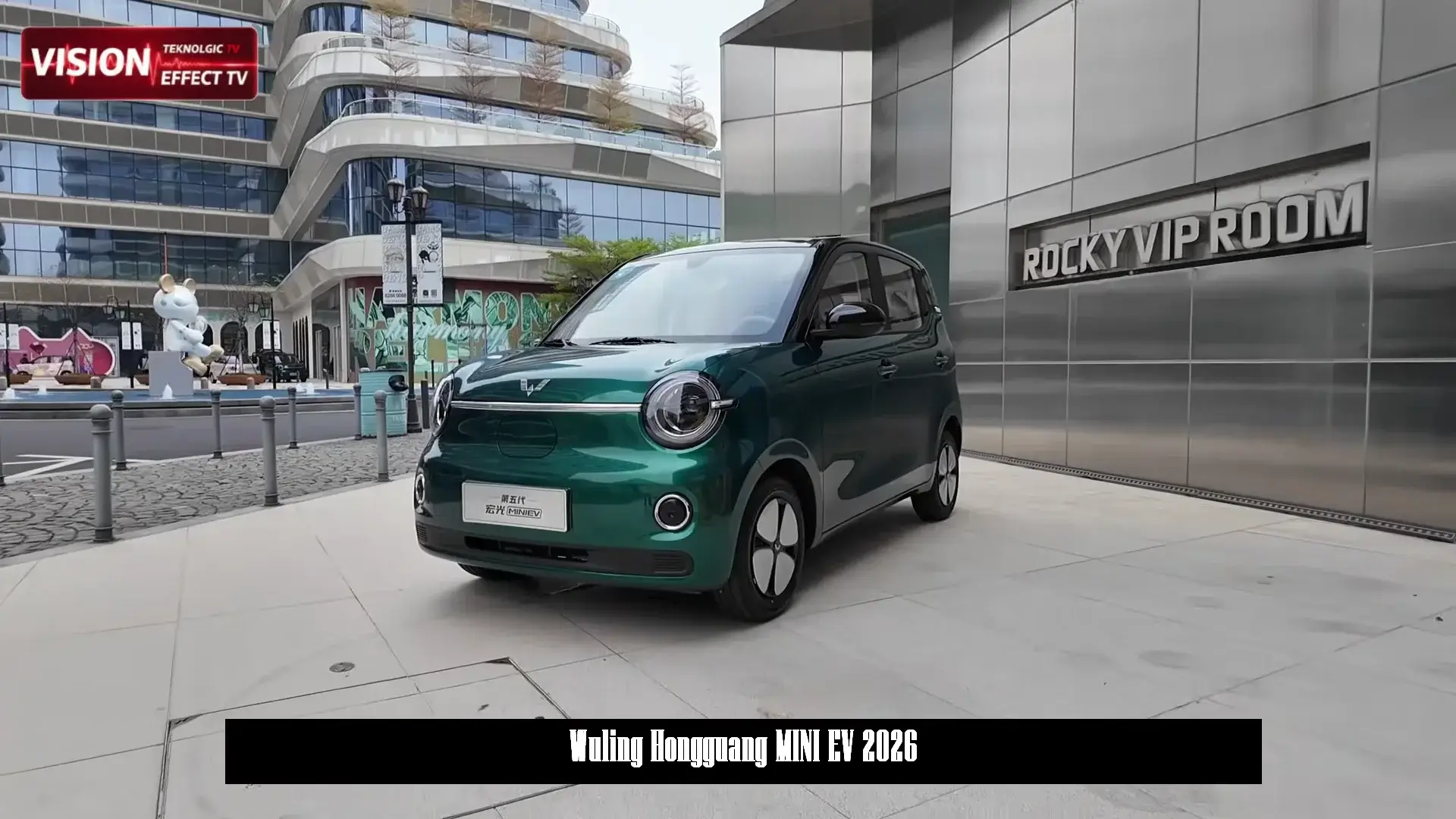
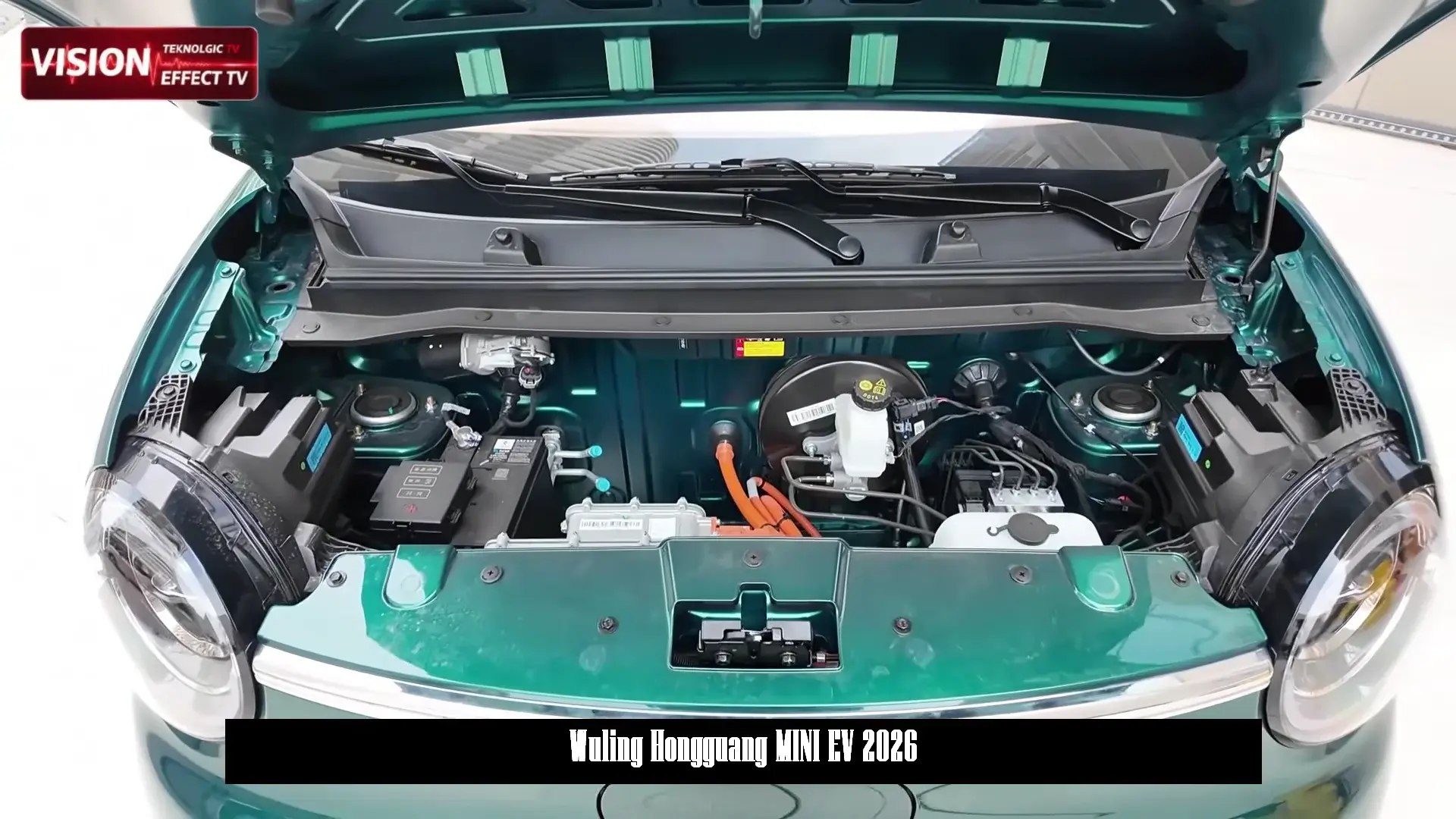
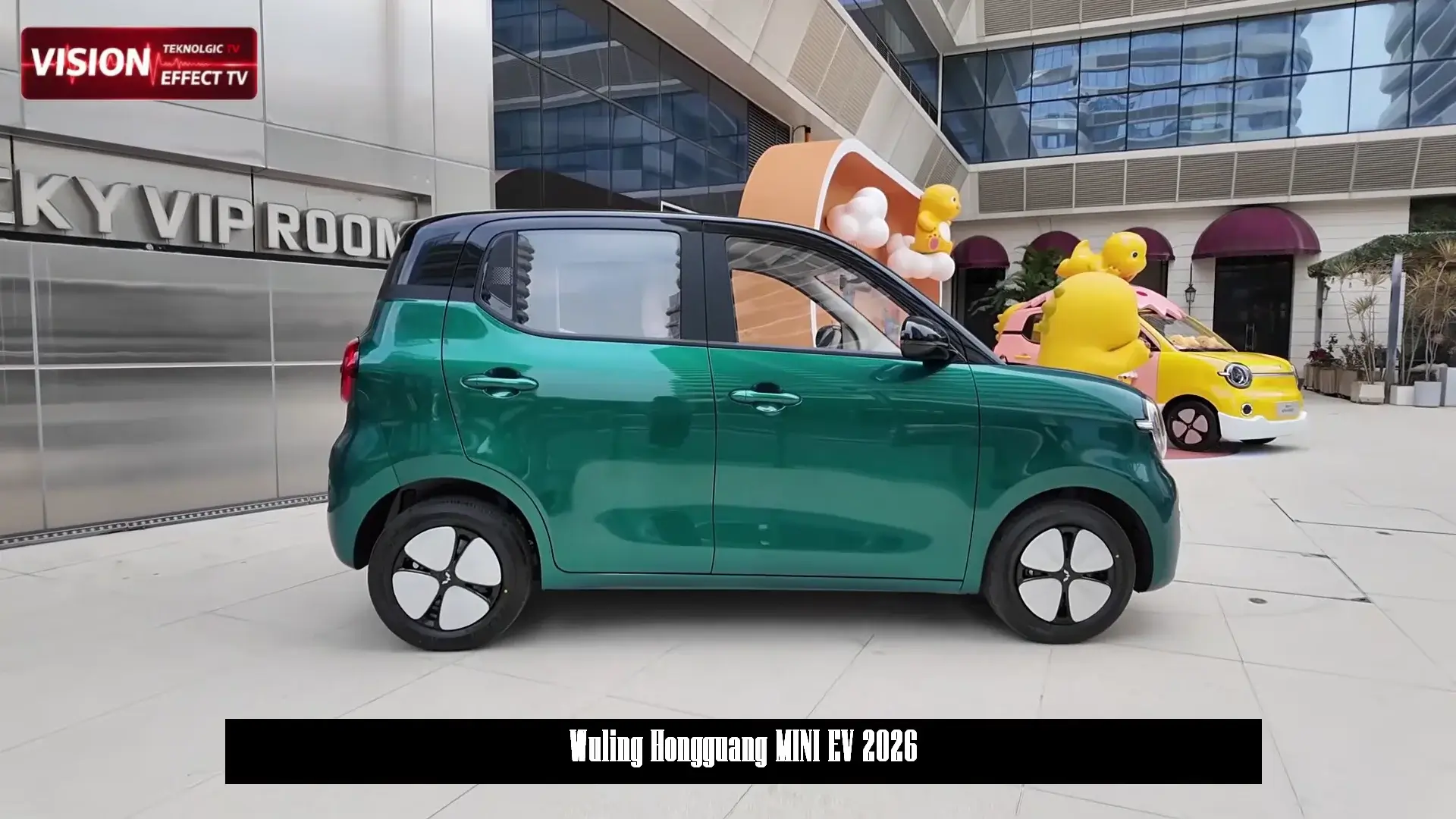
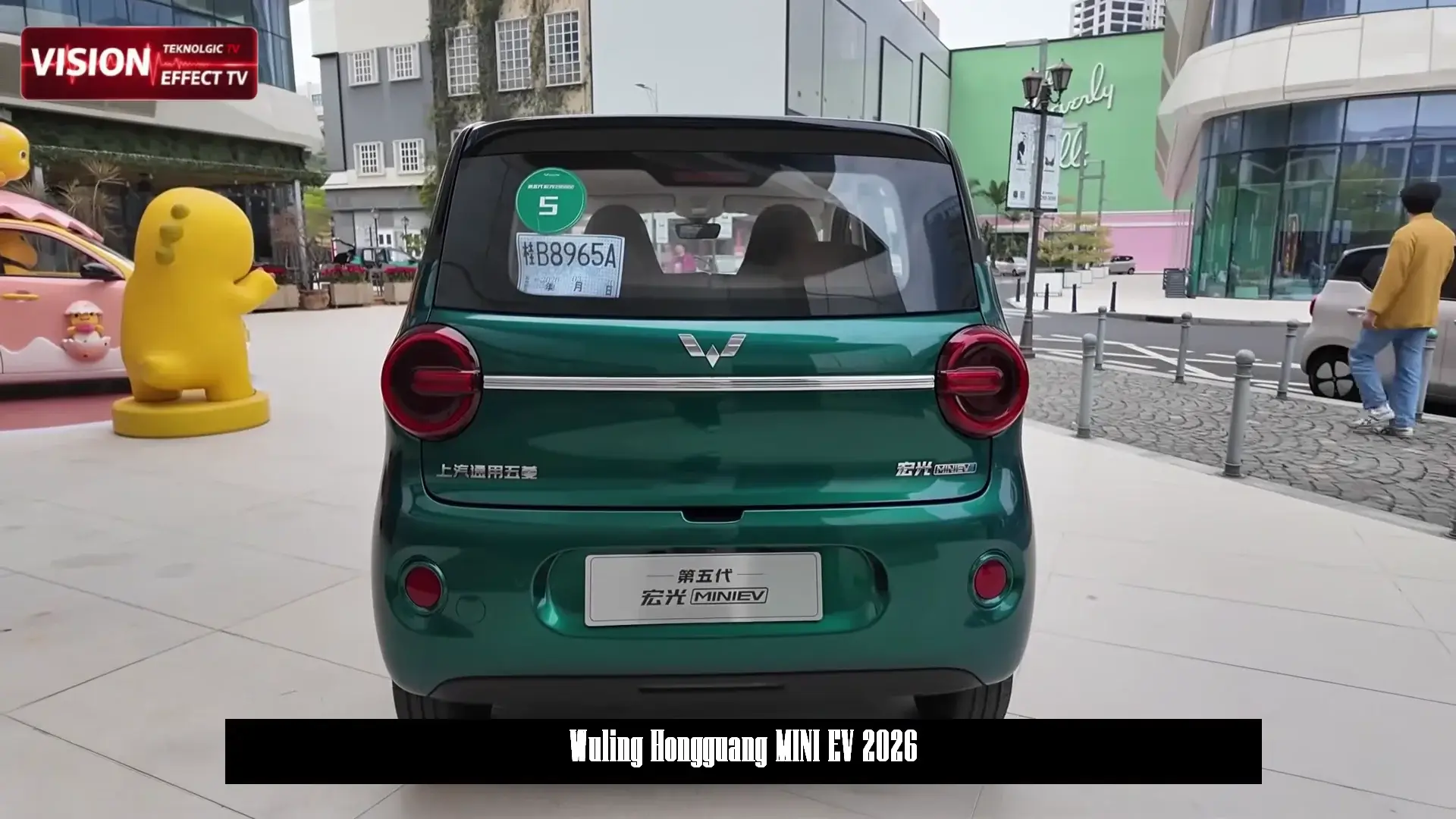
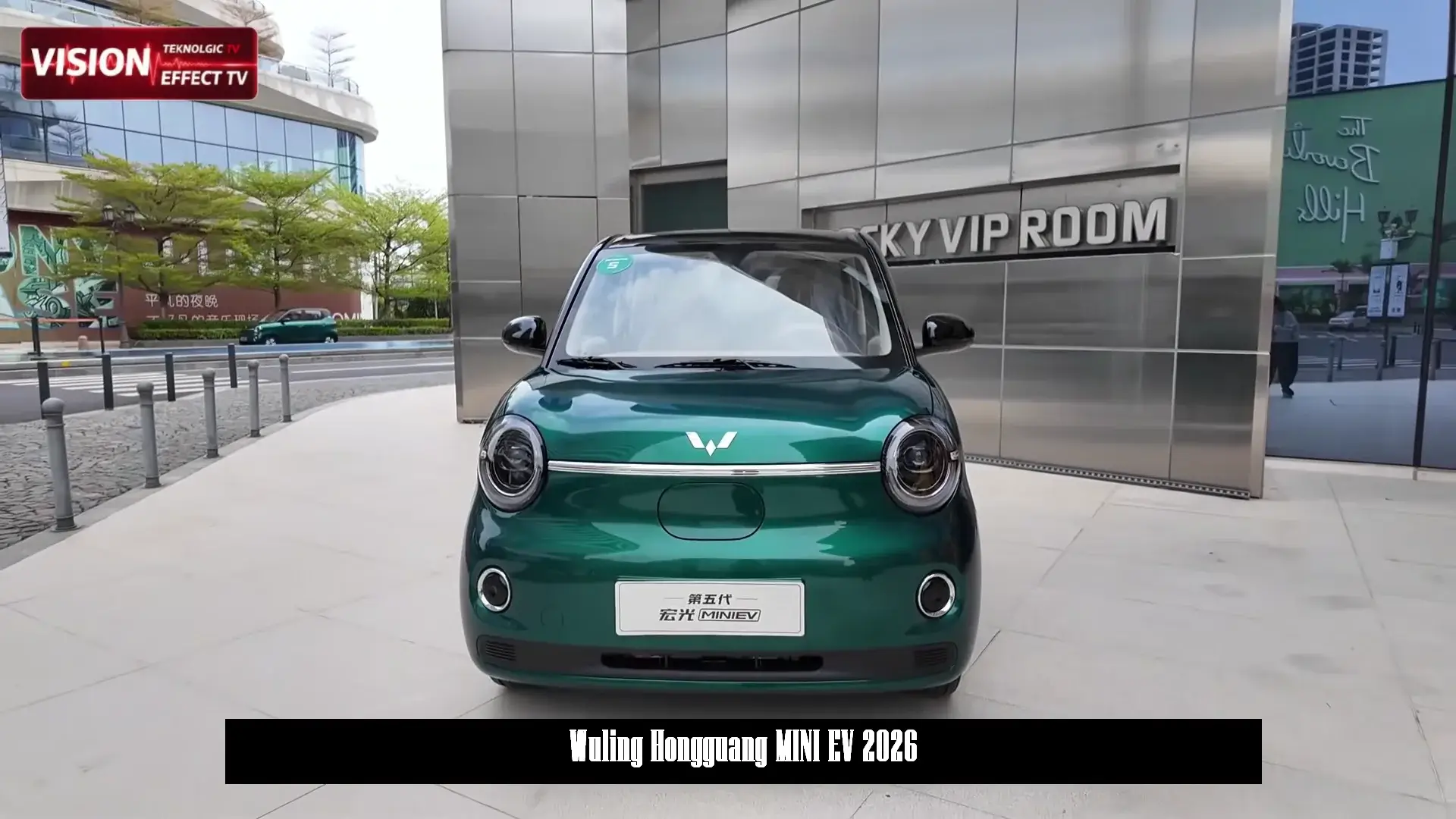
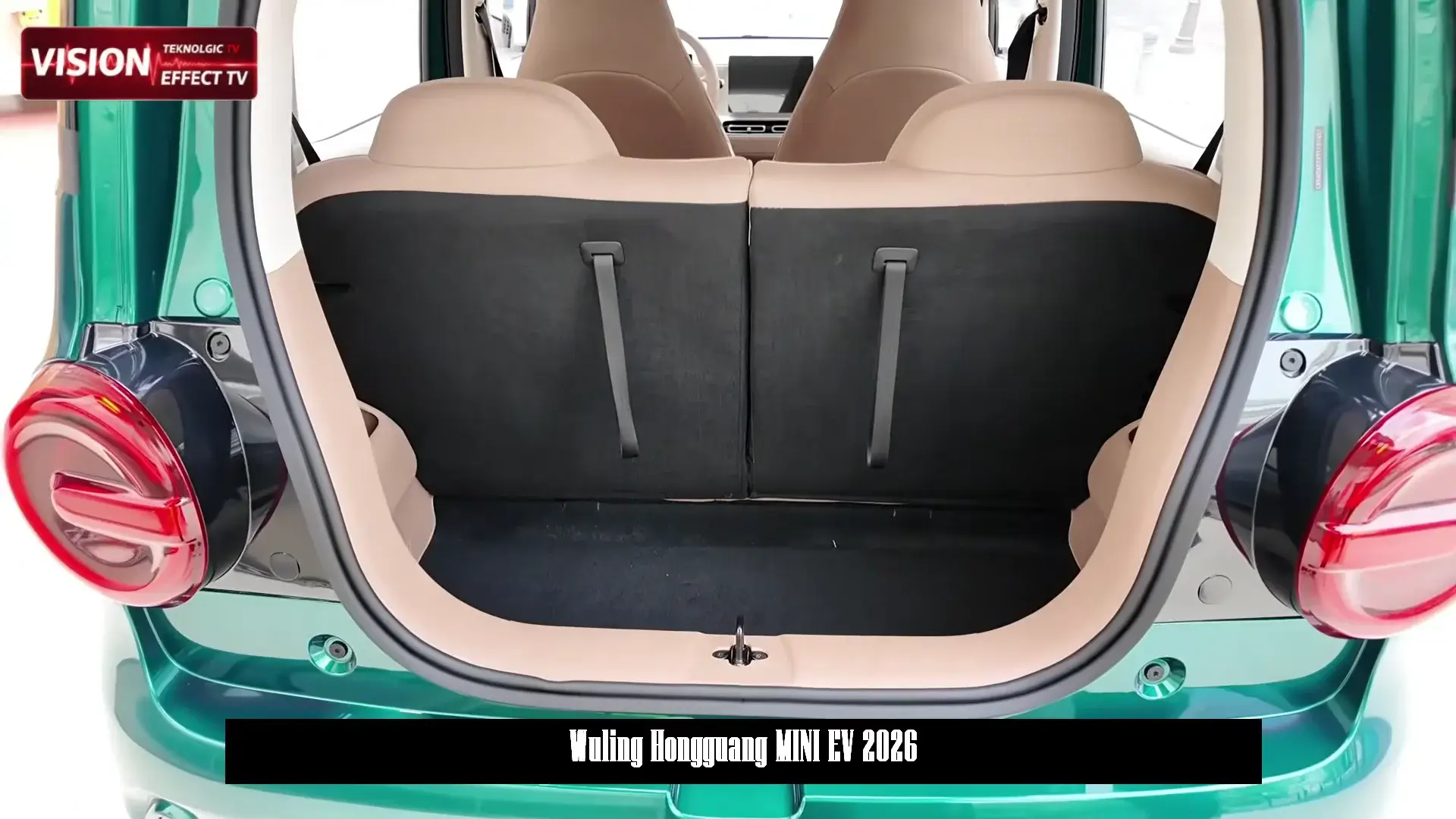
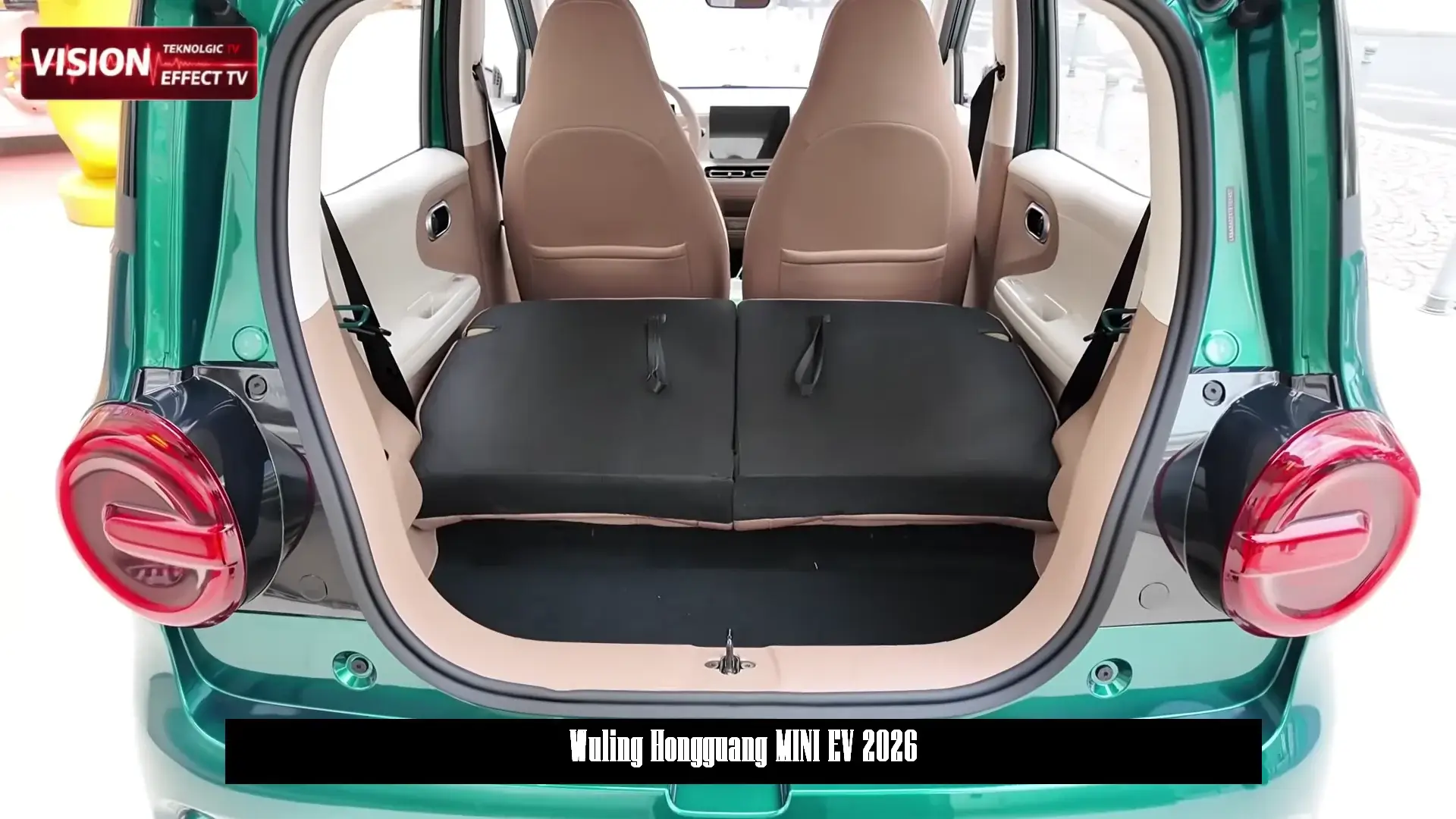
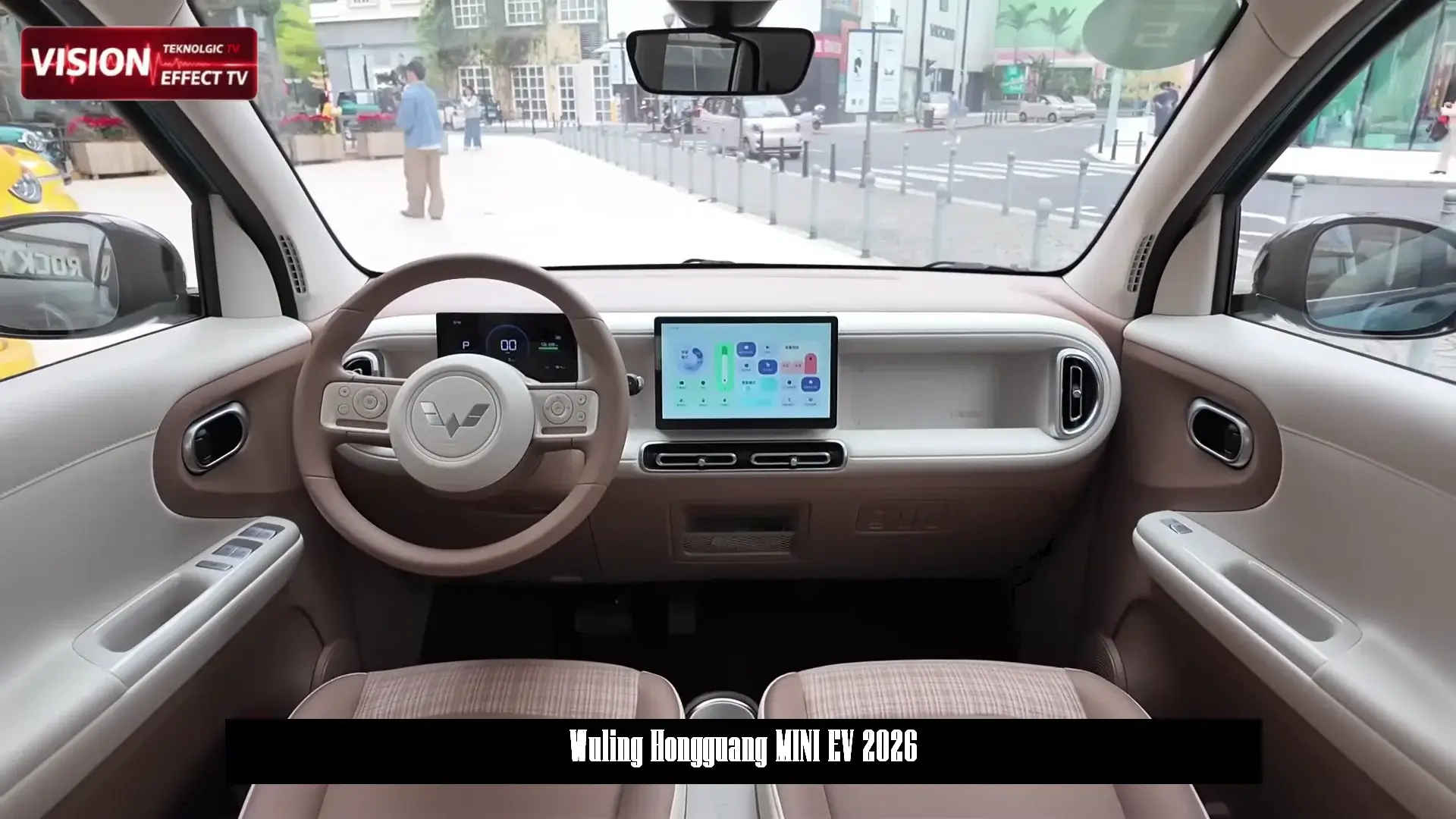
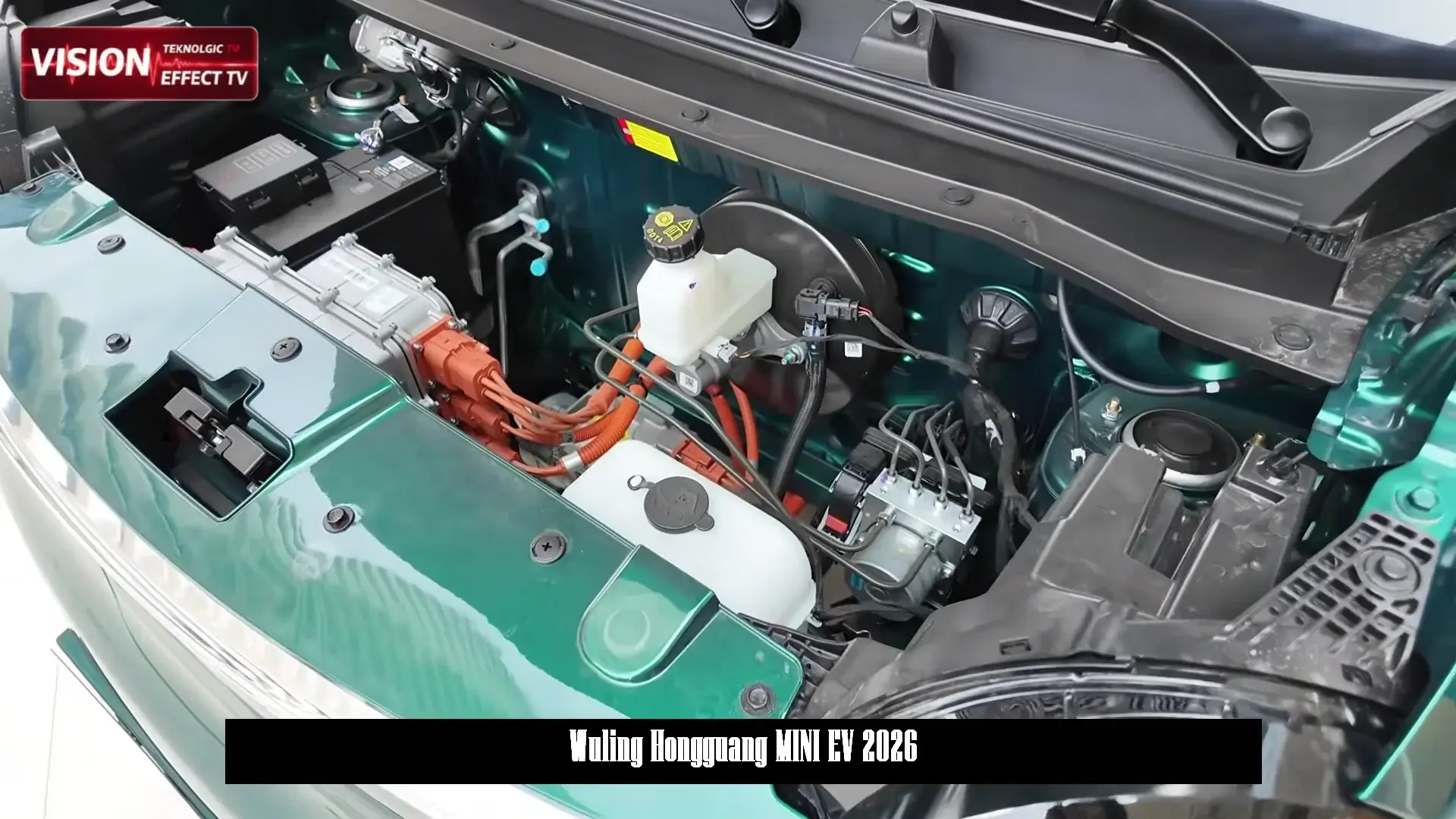
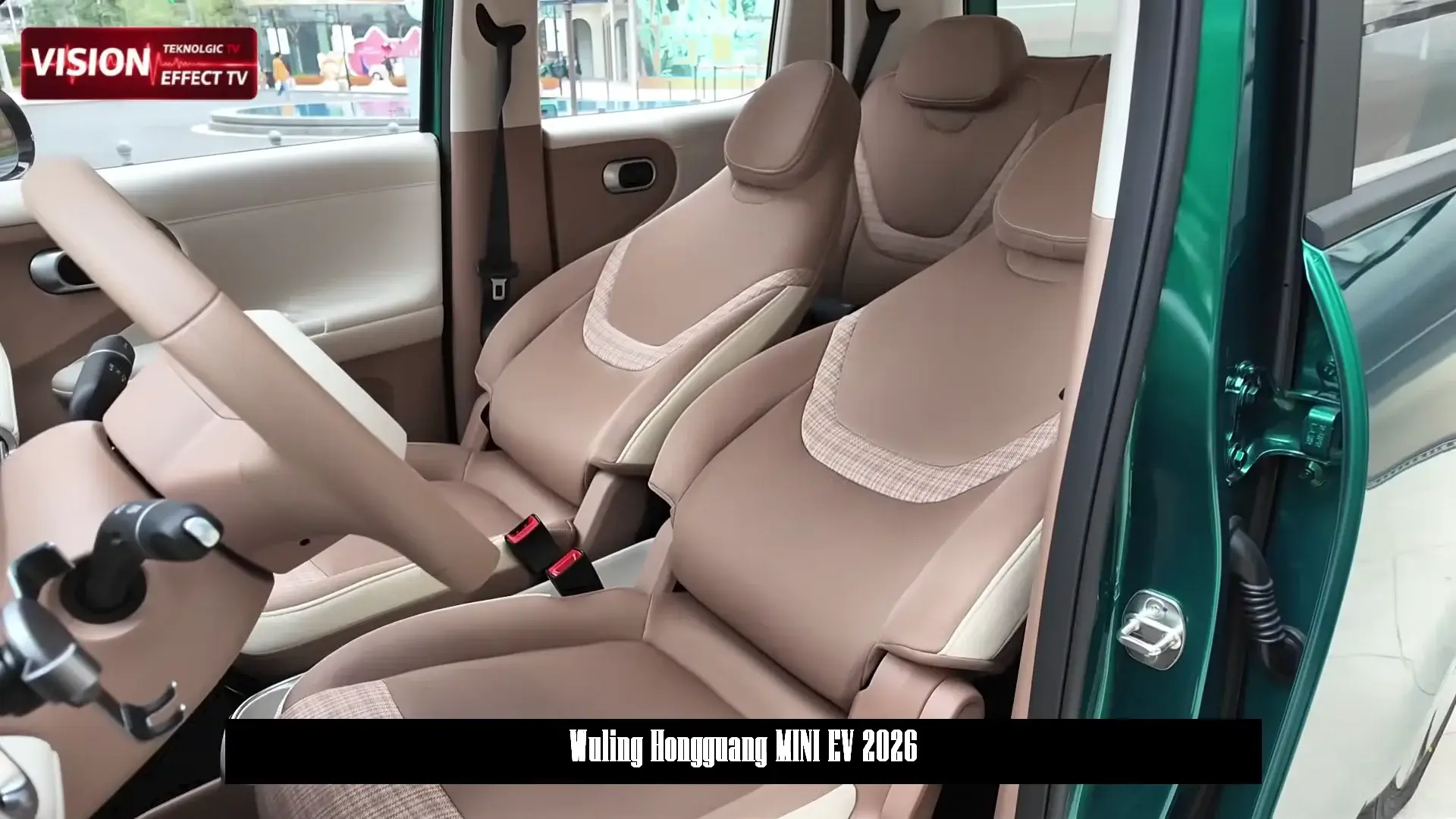
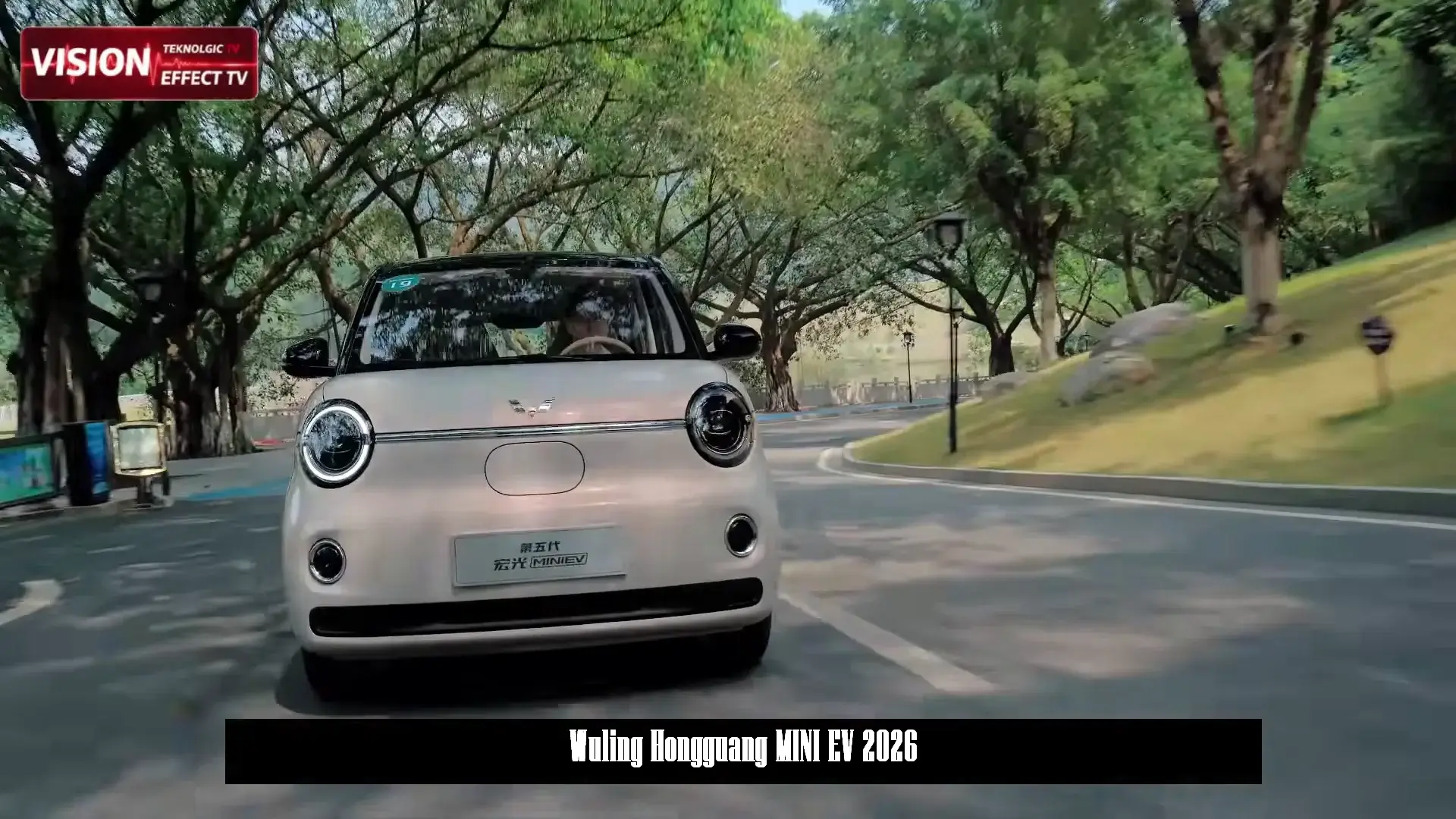
Wuling Hongguang Mini EV effectively founded this segment in 2020, proving a genuinely cheap four-seat EV could sell in the millions rather than thousands. Its latest fifth-generation 2026 update keeps that minimalist logic while adding substance: a 30 kW motor, DC fast-charging (30–80% in 35 minutes), battery heating for cold climates, and a body using 60% high-strength steel. Battery capacity and range still vary by trim rather than sitting at one fixed figure.
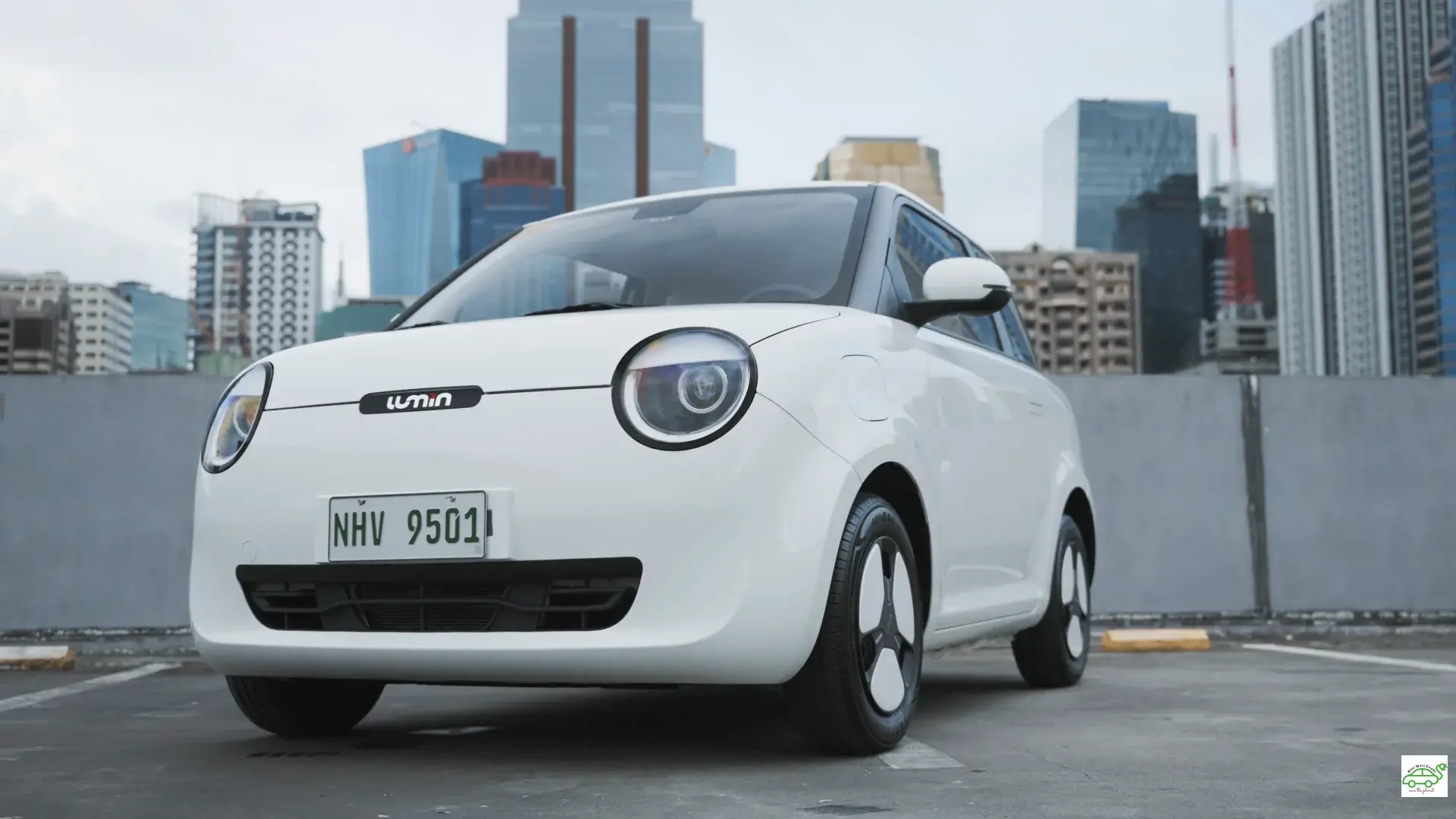
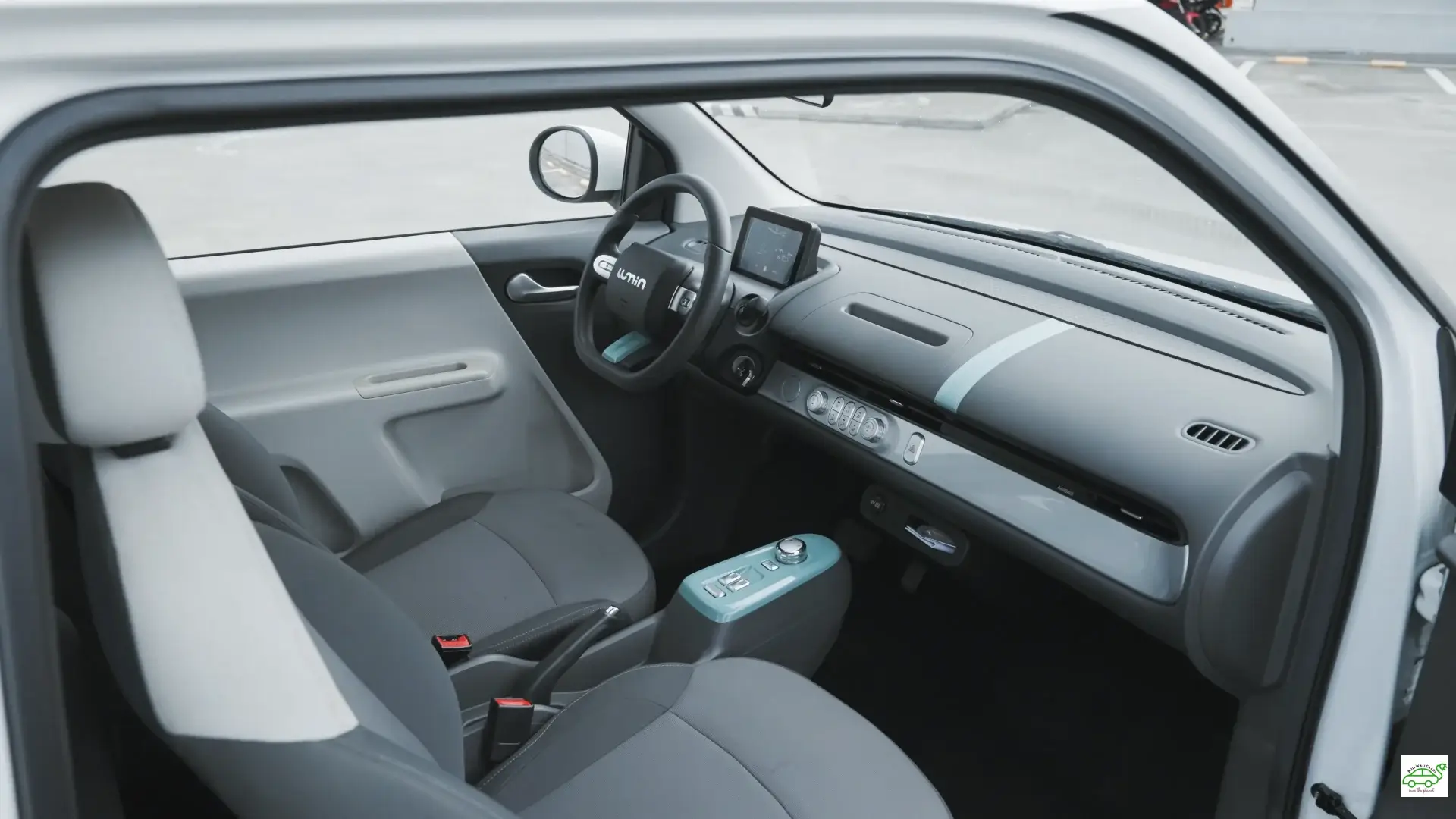
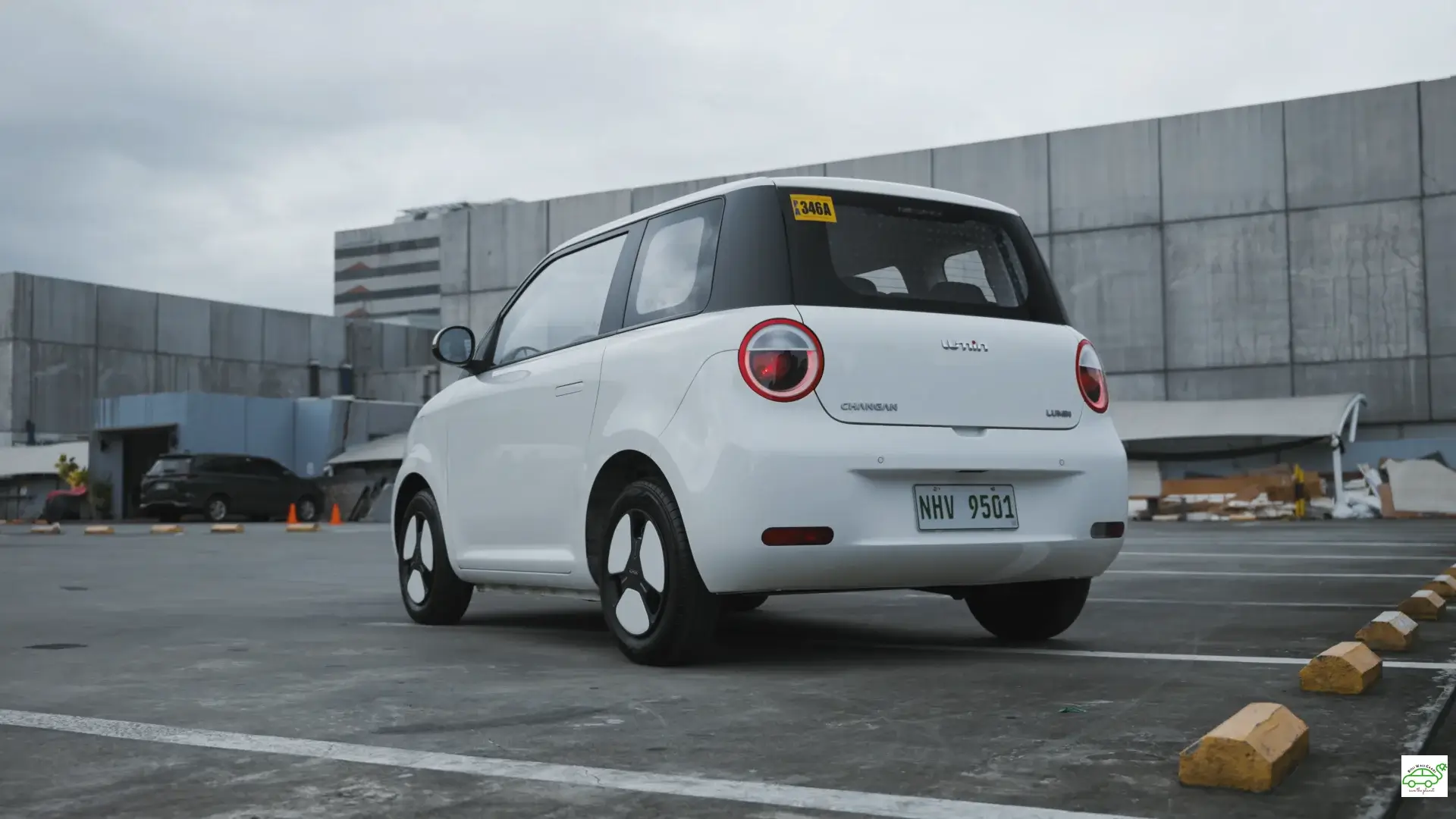
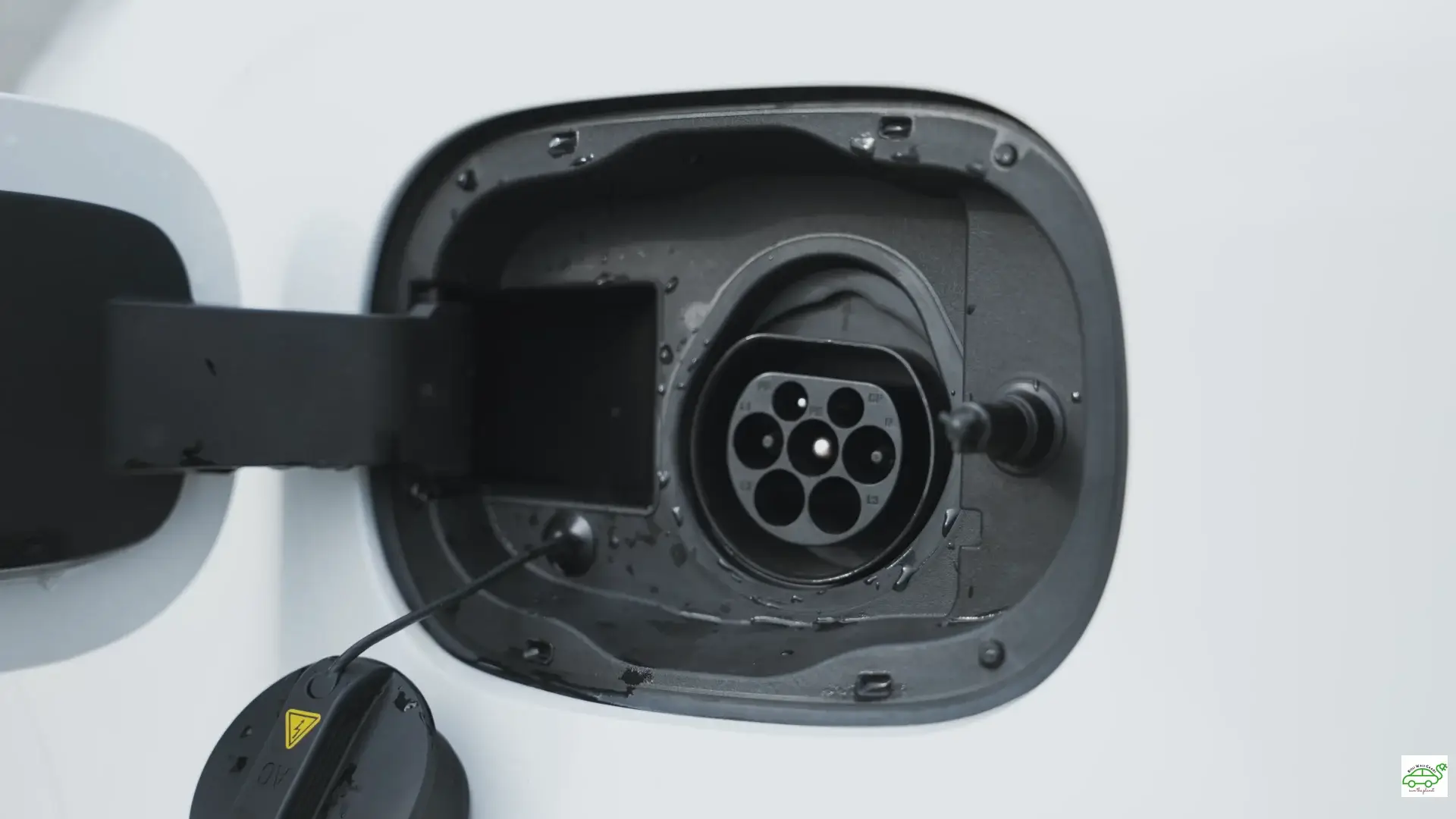
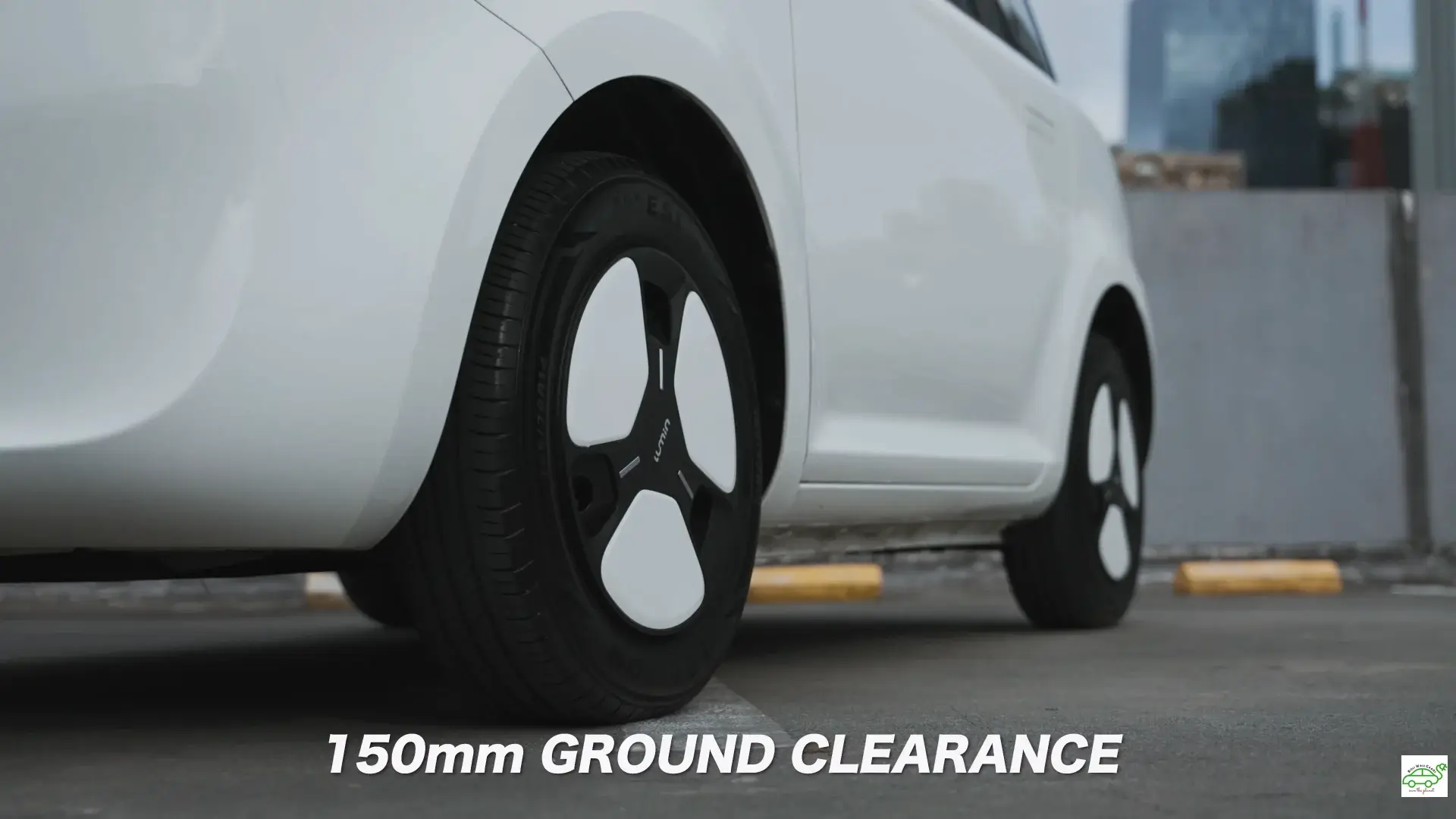
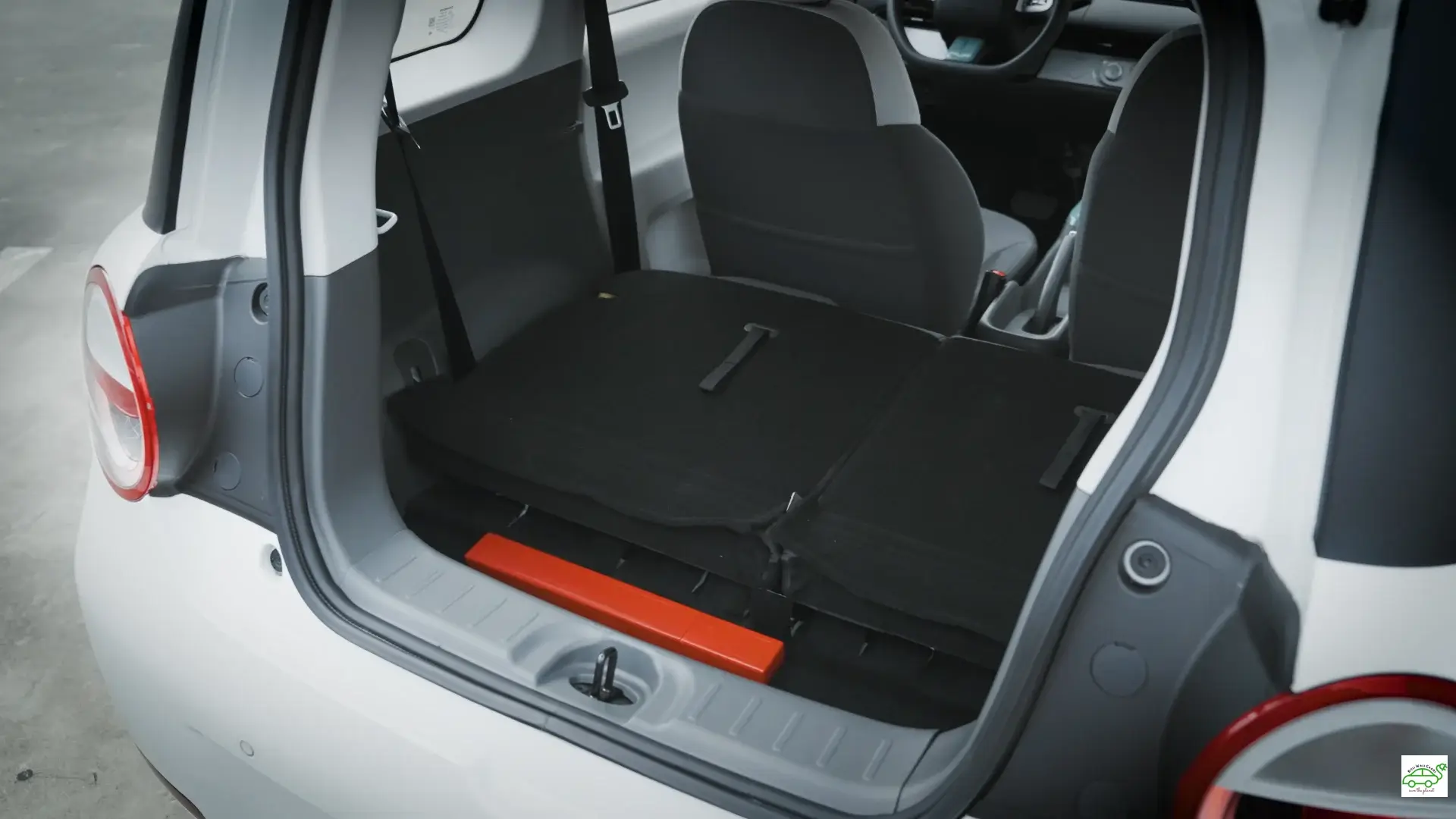
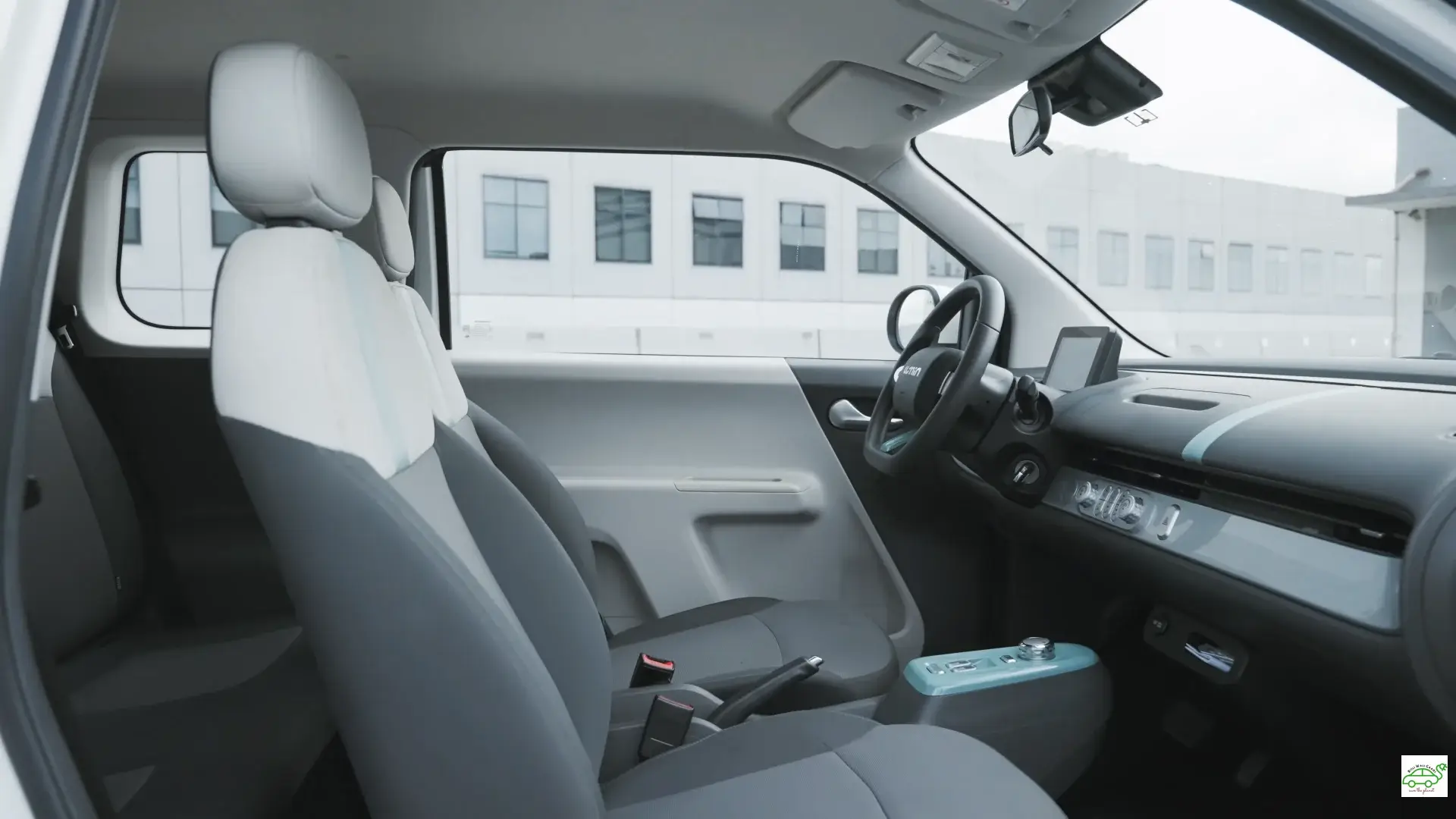
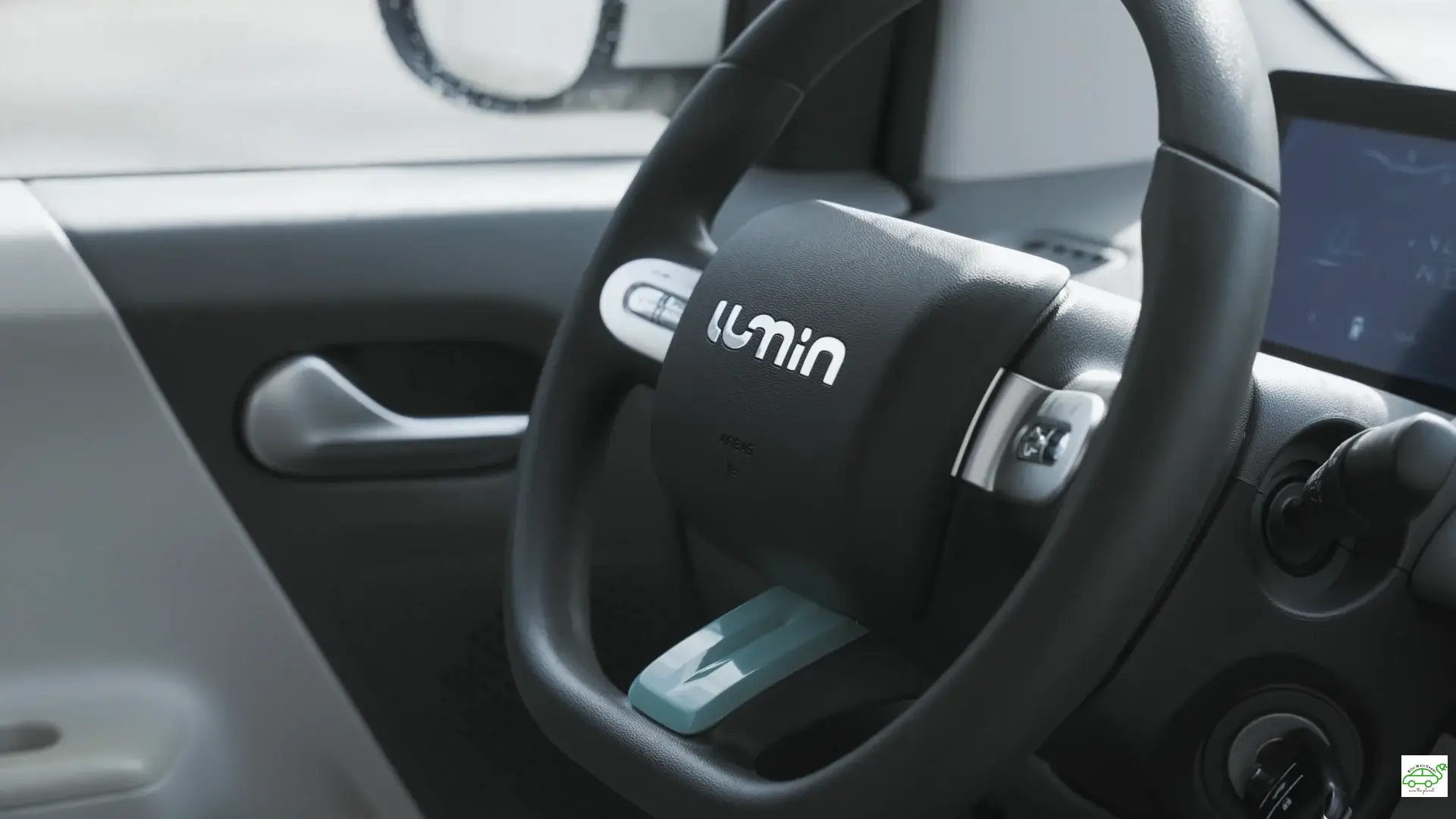
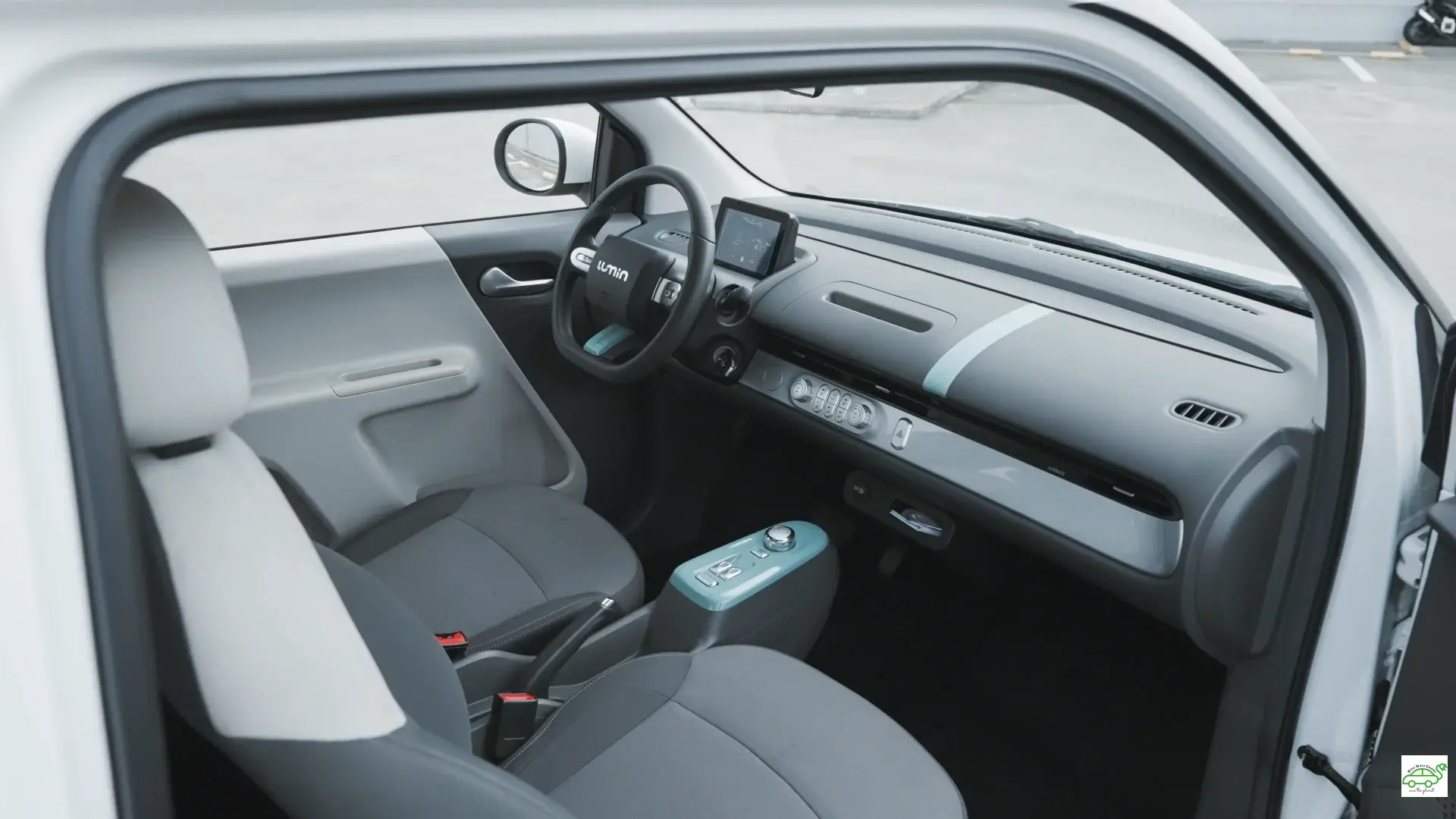
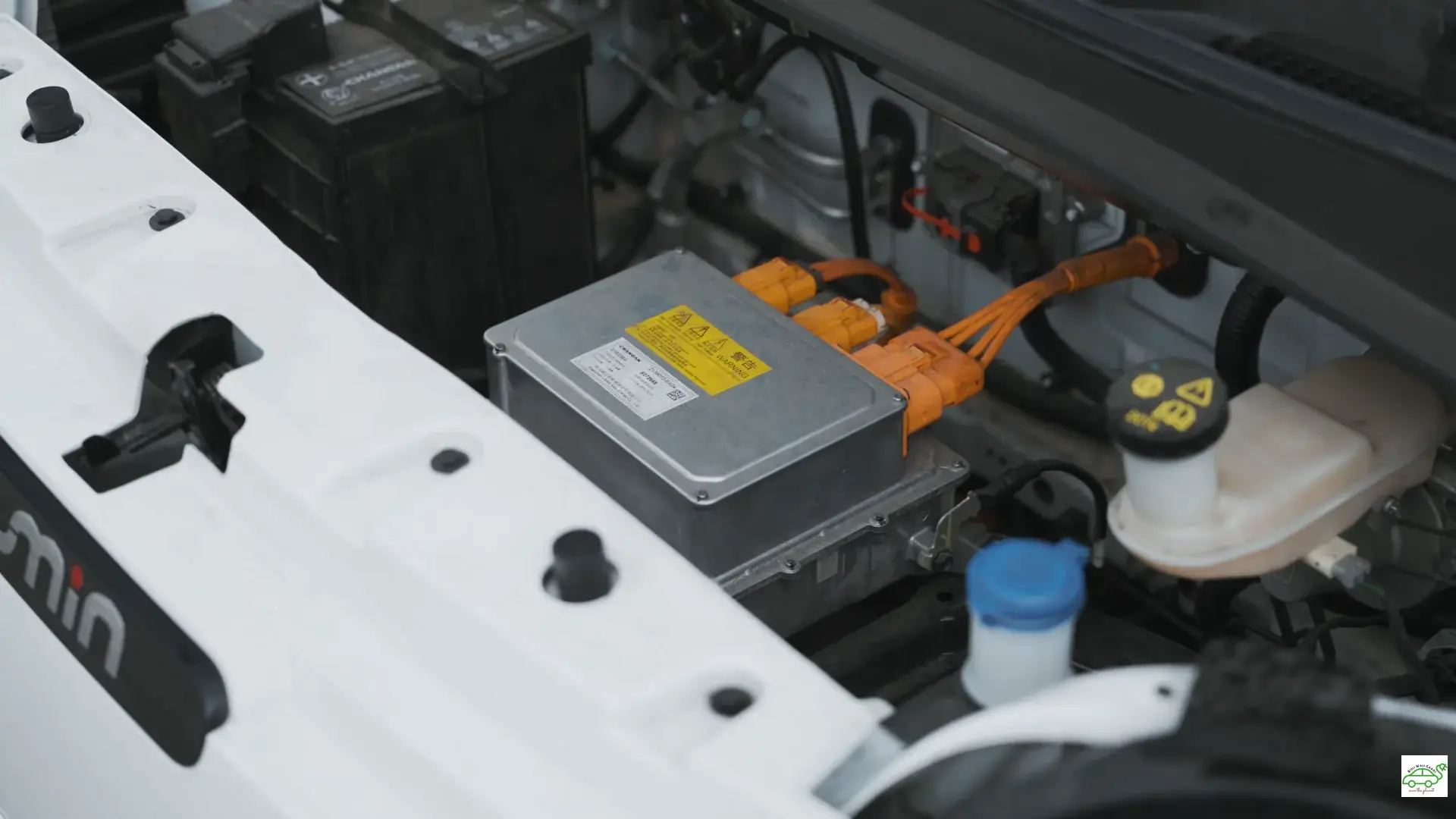
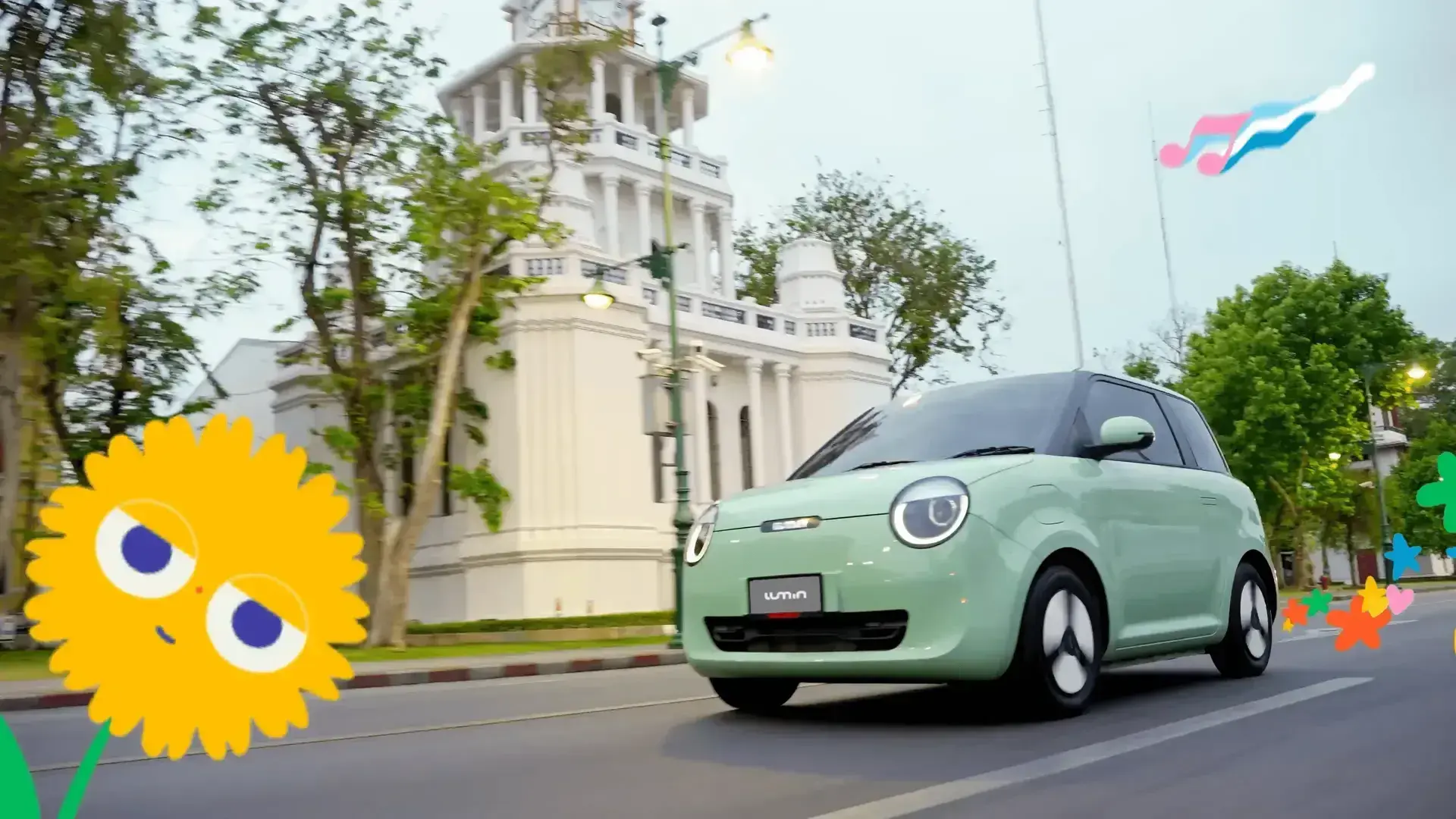
Changan Lumin took the opposite design bet, with curvaceous, retro-modern styling, and pushes furthest on range: its 28.1 kWh configuration reaches 301 km CLTC. Its 205 km versions use smaller 17.4–17.6 kWh batteries and start lower in the same broad ultra-budget micro-EV market.
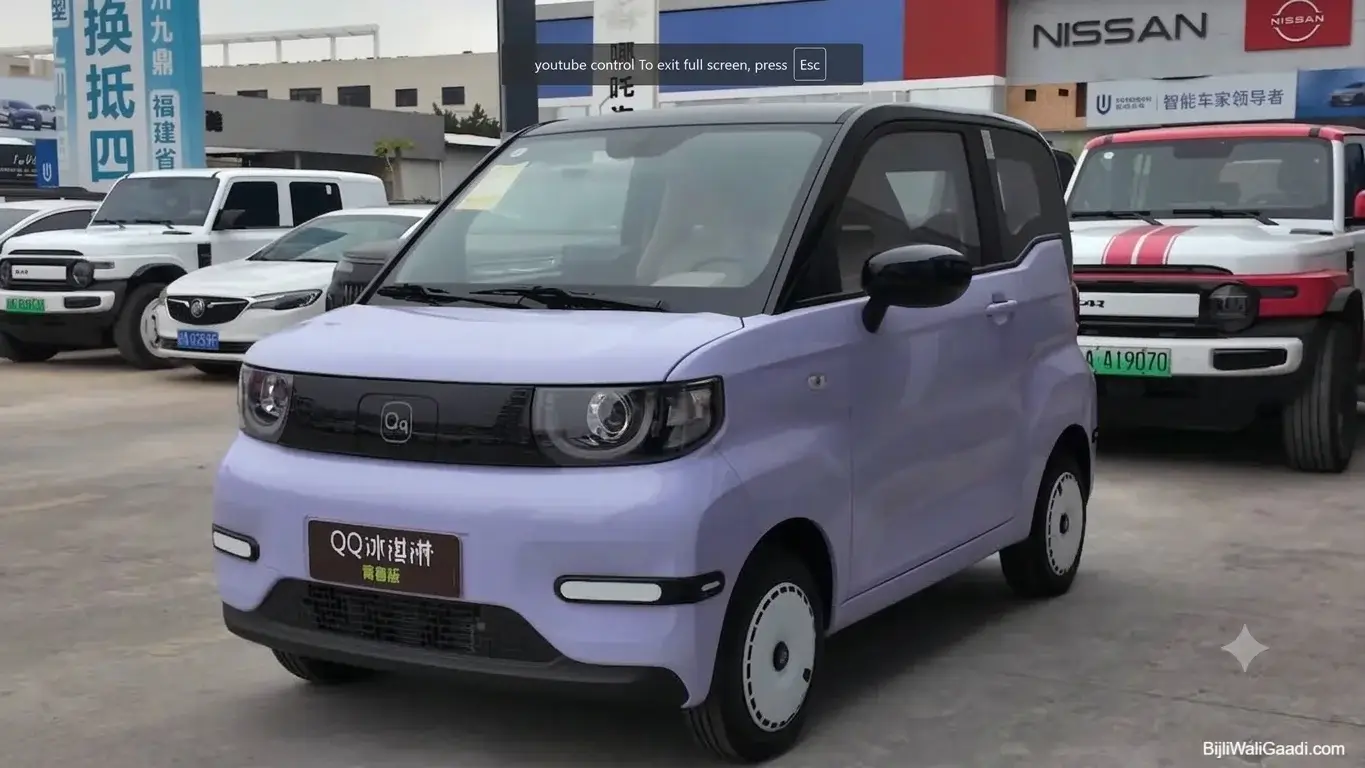
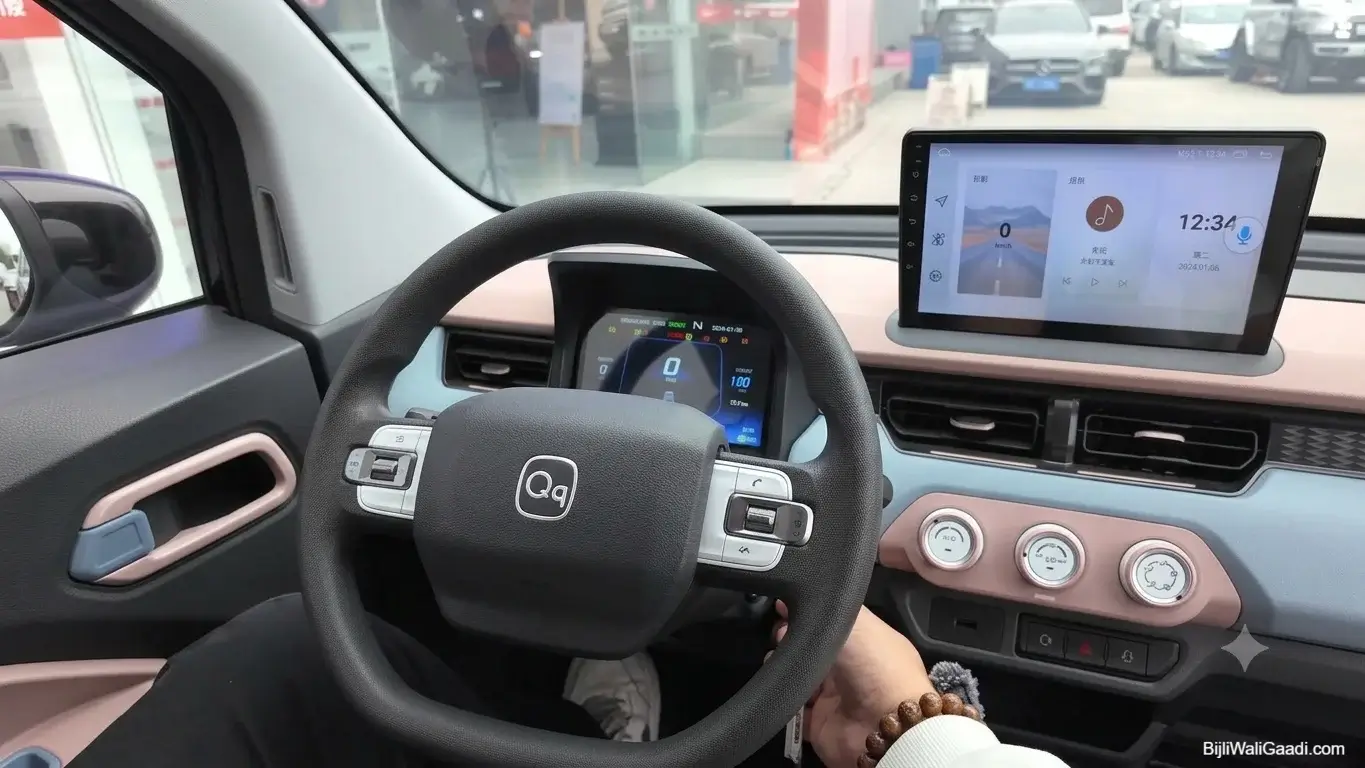
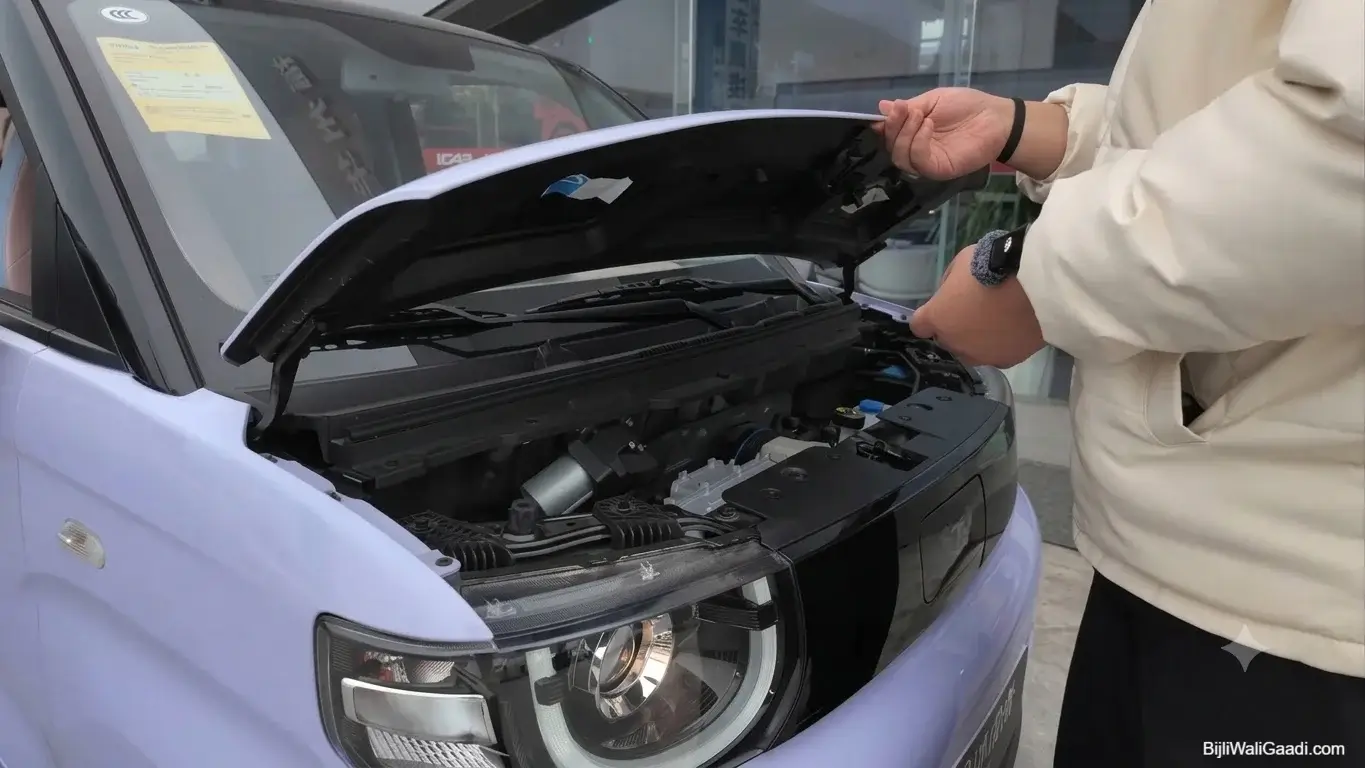
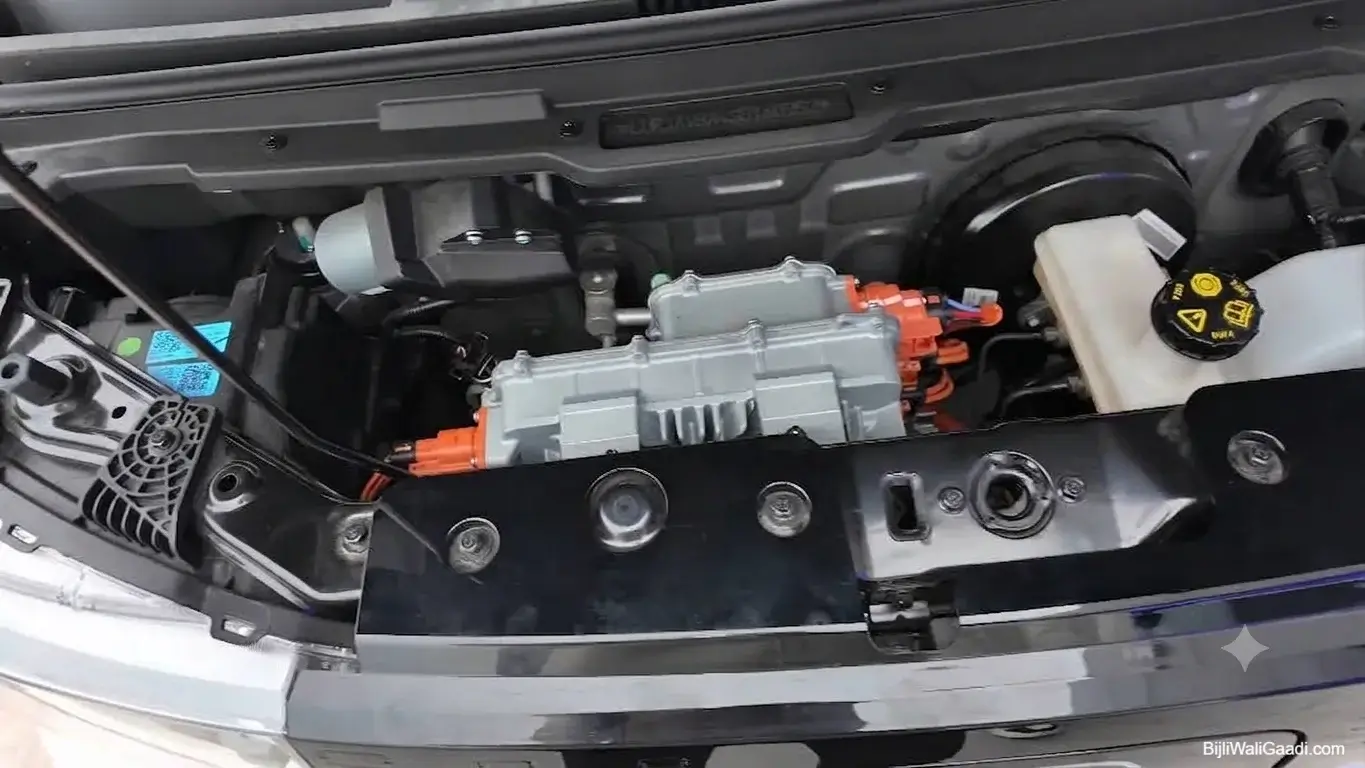
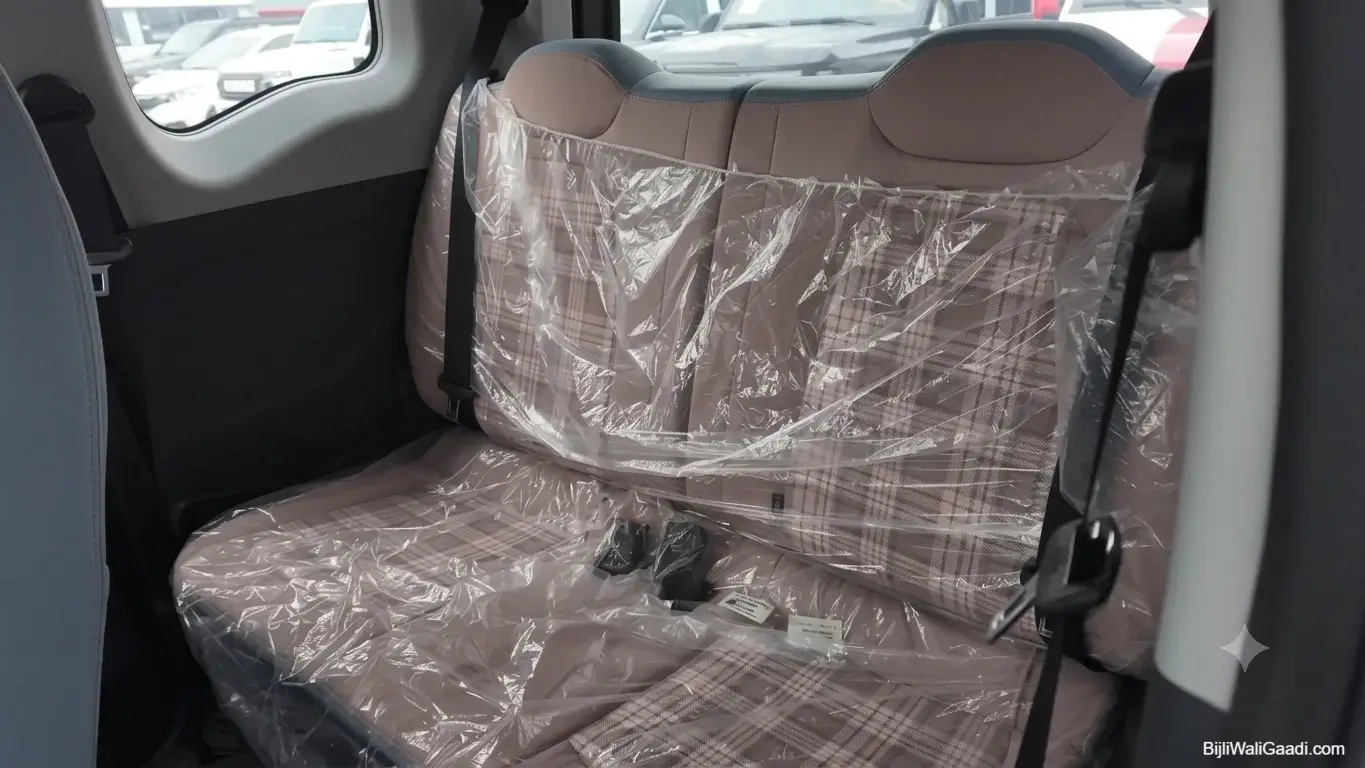
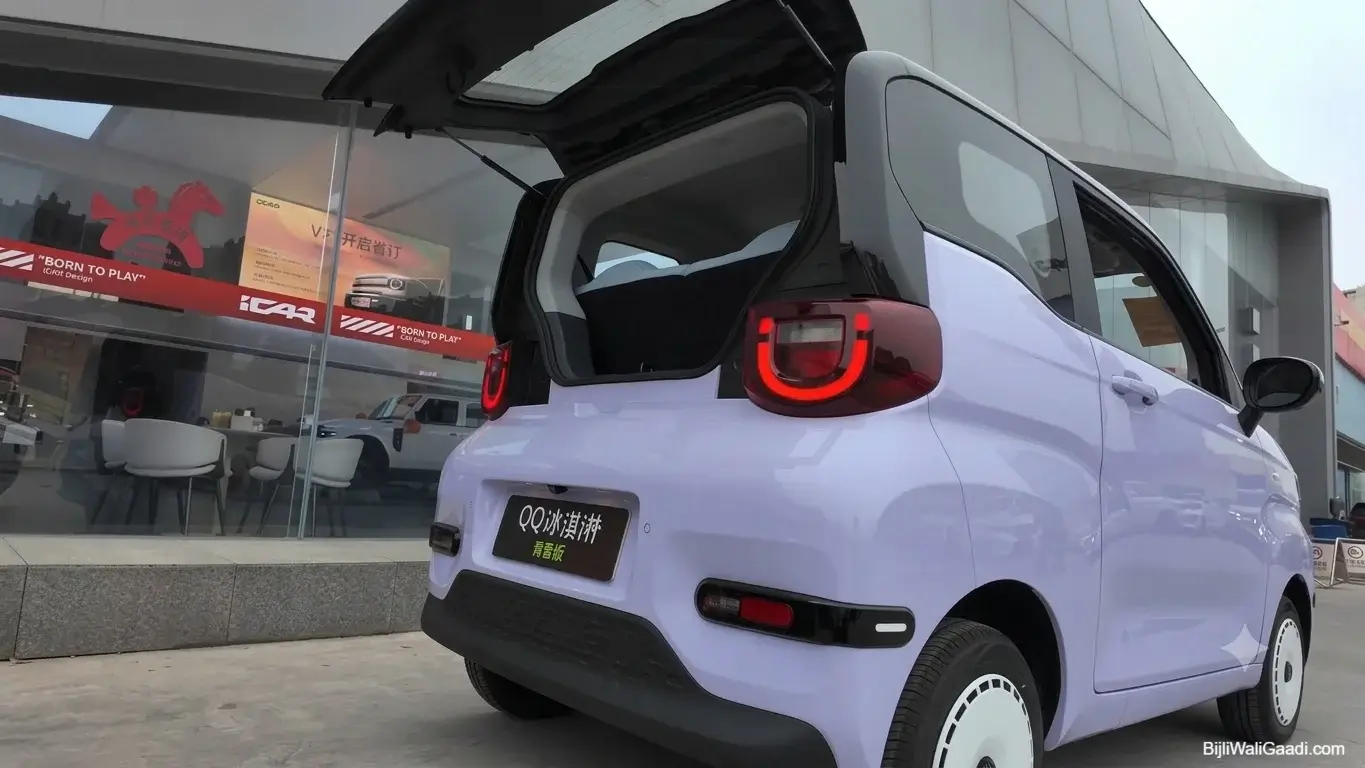
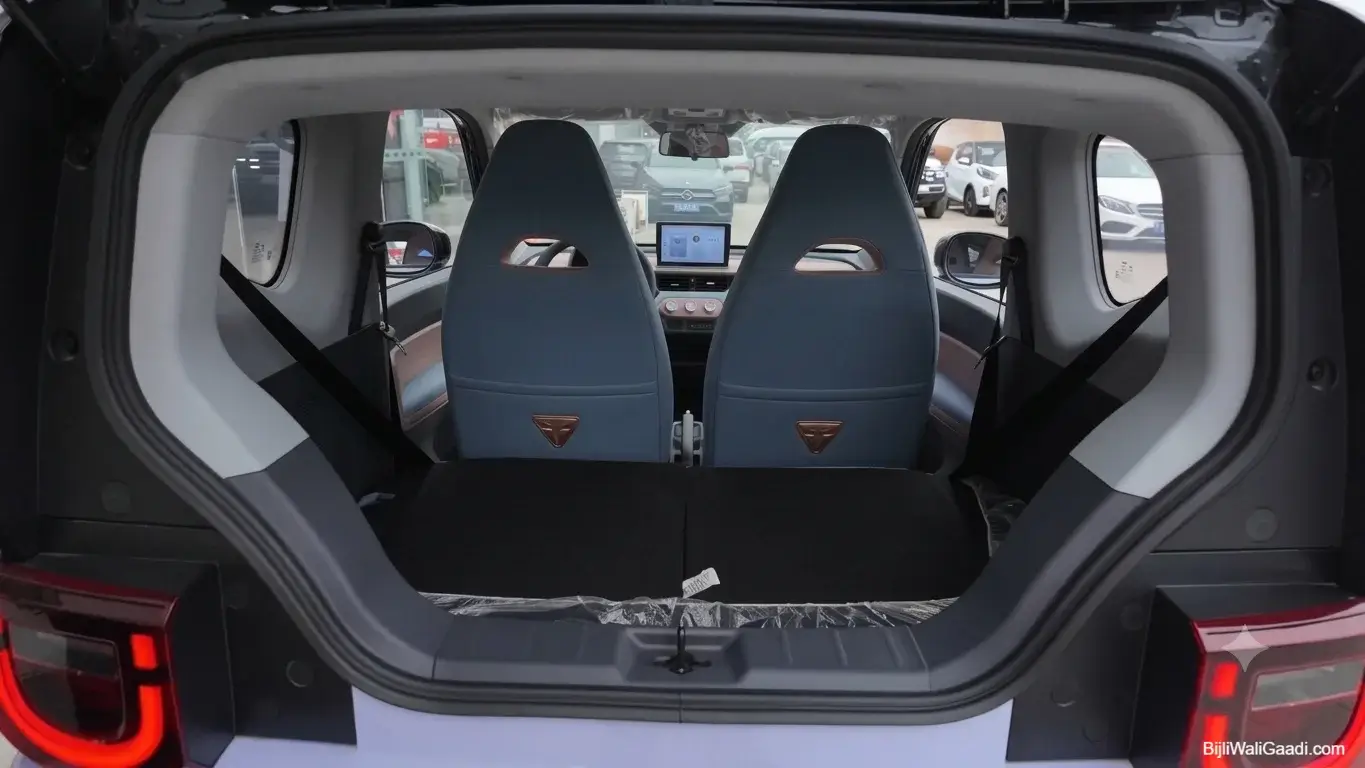
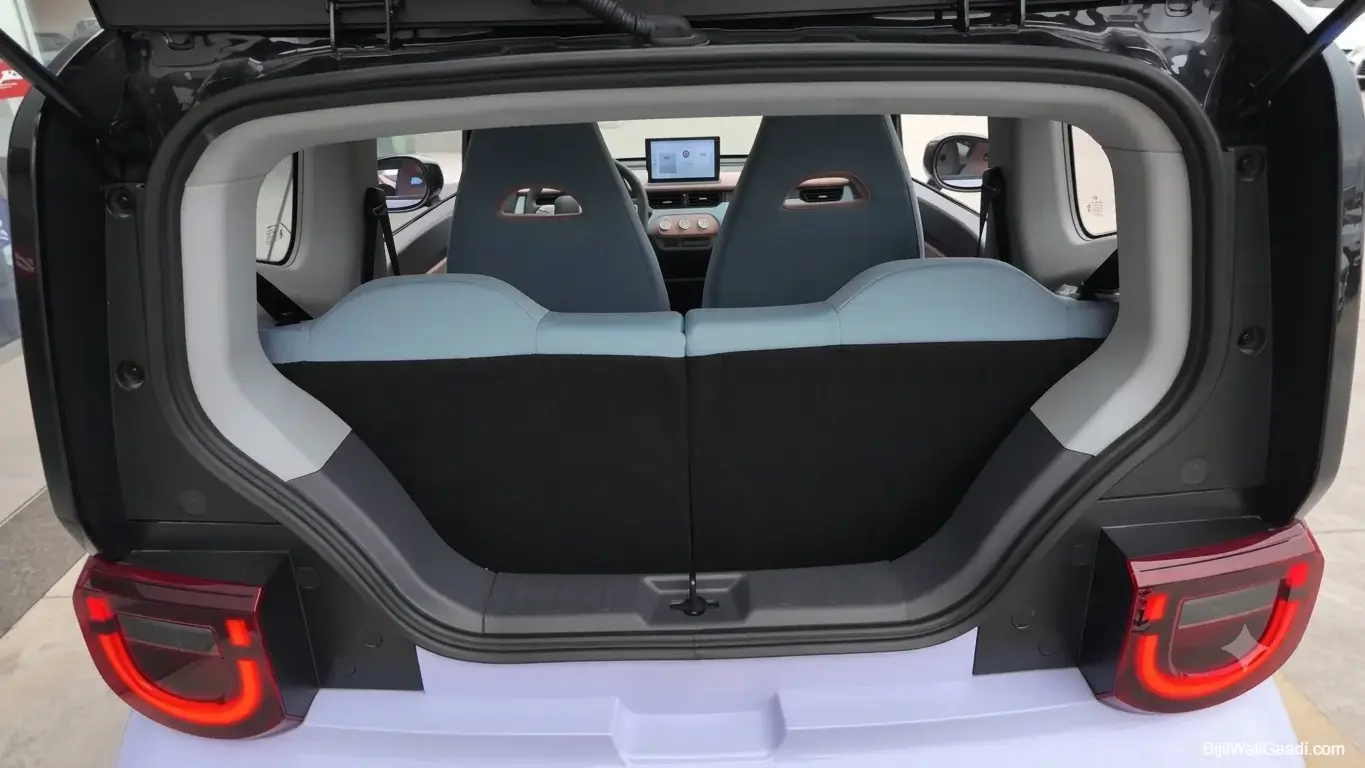
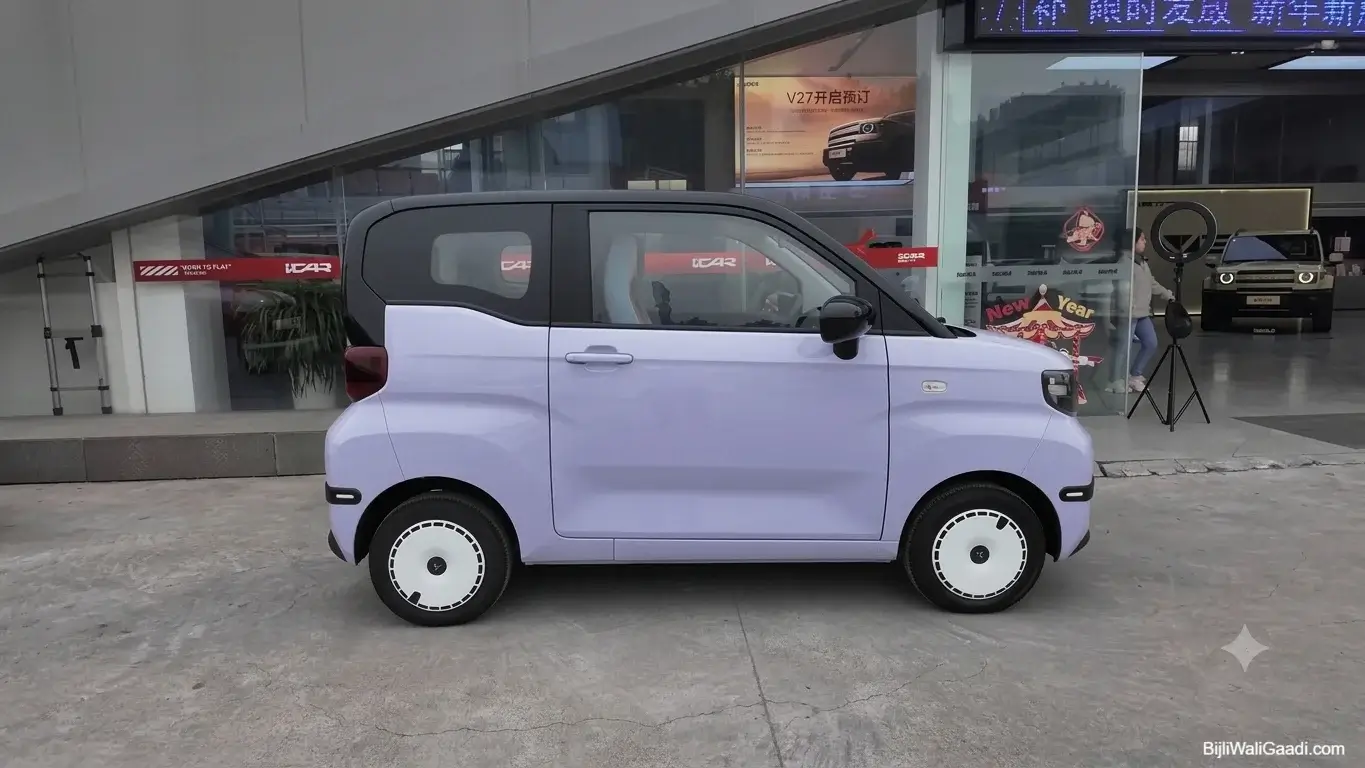
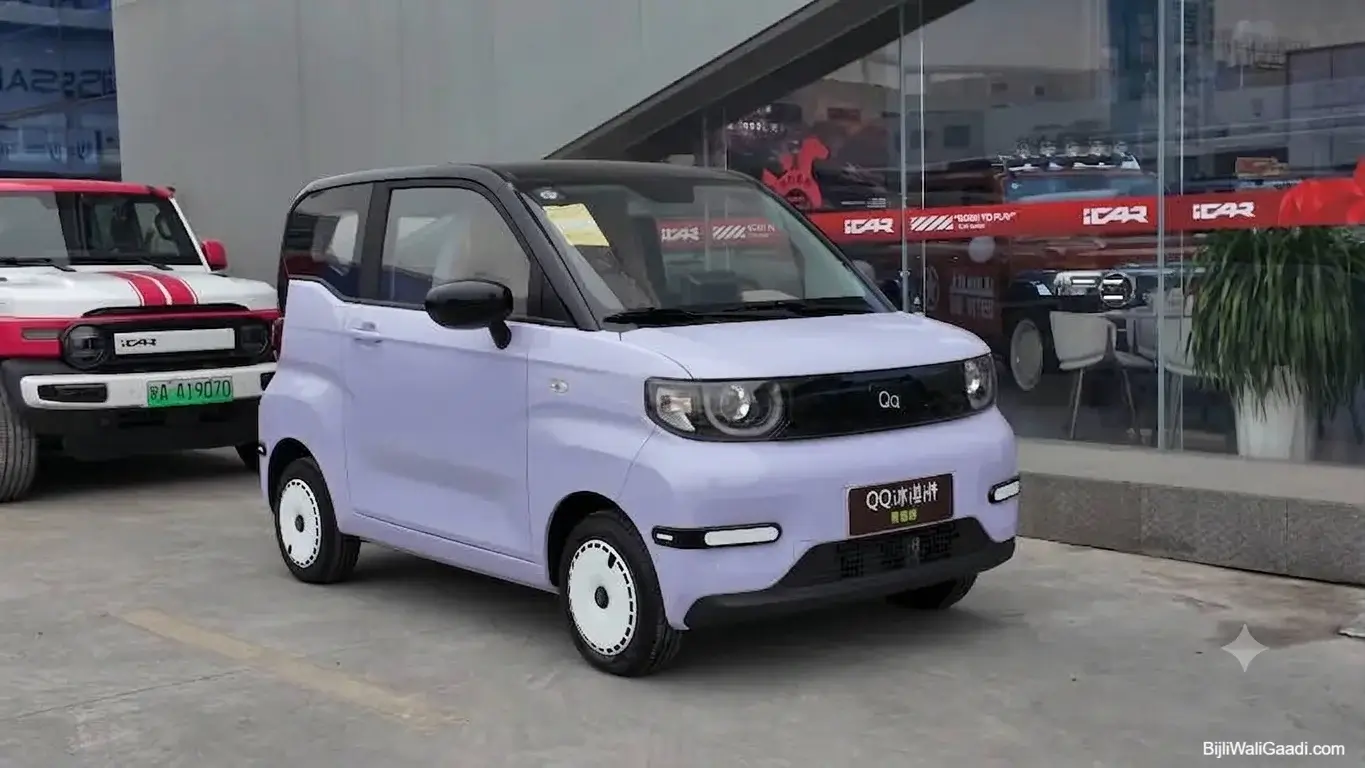
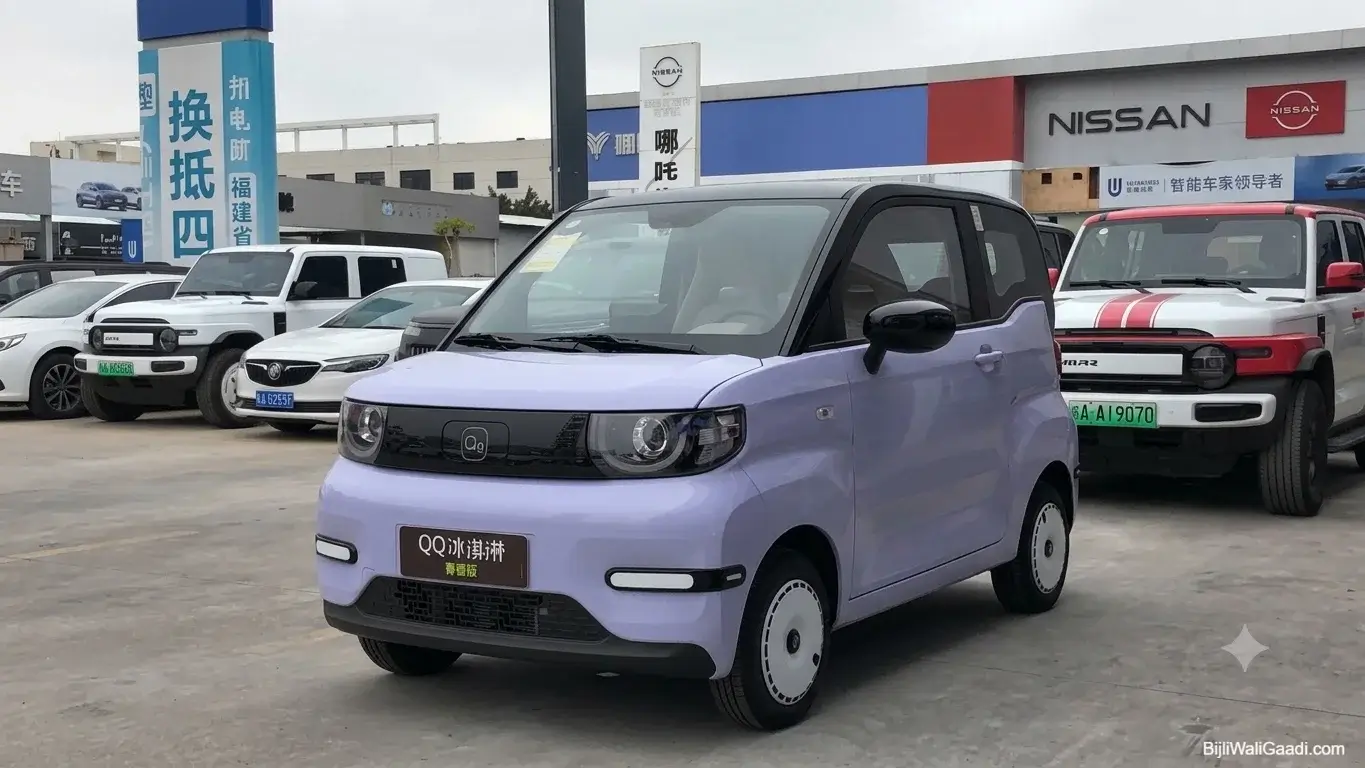
Chery QQ Ice Cream draws on Chery’s long-running QQ nameplate as a customizable urban commuter aimed at younger buyers. Its current 17.3 kWh configuration reaches 220 km CLTC, sitting between the Mini EV and the Lumin’s long-range variant on both battery size and price.
How Chinese OEMs Hit These Prices
LFP battery economics: Lithium iron phosphate chemistry avoids nickel and cobalt, cutting raw material costs versus NMC packs, while offering solid cycle life for cars that mostly do short urban trips.
Simplified, purpose-built architectures: These cars use smaller battery packs than mainstream EVs, modest motor outputs, compact dimensions, and deliberately simplified vehicle architectures, engineered around one specific job rather than stripped down from a highway-capable platform.
High-volume local supply chains: China’s dense battery and EV component manufacturing base, the same ecosystem supplying CATL, Gotion, and dozens of other players, gives these automakers access to cells, motors, and electronics at costs difficult to replicate elsewhere.
Technical Comparison Table
| Model | Representative configuration | Battery | Claimed range | Top speed | Motor output | China price |
| Wuling Hongguang Mini EV | 2026 fifth generation | 16.2–25.1 kWh LFP | 205–301 km CLTC | 101 km/h | 30 kW | ¥40,800–54,800 |
| Changan Lumin | 301 km long-range version | 28.1 kWh LFP | 301 km CLTC | 101 km/h | 35 kW | ¥53,900 |
| Chery QQ Ice Cream | 2026 version | 17.3 kWh LFP | 220 km CLTC | 100 km/h | 30 kW | ¥40,900–49,900 |
Prices shown are Chinese domestic-market figures, not Indian landed or ex-showroom prices, and vary by trim, model year and local incentives; USD conversions are approximate and exchange-rate dependent. The ¥53,900 Lumin figure refers specifically to its 301 km long-range configuration, lower-range Lumin versions start well below that. None of these China-market nameplates should be interpreted as Indian retail pricing.
Global and Indian Market Relevance
SAIC-GM-Wuling’s GSEV architecture underpins a family of small electric vehicles, including the Wuling Air EV and Hongguang Mini EV line. MG’s Comet EV in India comes from this broader GSEV family but was adapted for the Indian market with its own specification, calibration and safety requirements; it isn’t simply a rebadged Mini EV. See our MG Comet EV review for how that adaptation performs.
Beyond India, related nameplates and platforms have found footholds across Southeast Asia (Indonesia notably) and other price-sensitive markets. They contrast interestingly with Europe’s regulatory-driven L7e microcar segment; see our L7e Heavy Quadricycles guide for how European rules shape a differently-engineered answer to the same “small, cheap, electric” question.
Final Verdict
China’s advantage here isn’t simply cheap batteries. It’s the combination of smaller vehicle footprints, appropriately sized battery packs, simplified architectures, high-volume manufacturing, dense supplier networks, intense domestic competition, and consumers willing to trade range and performance for low prices. These vehicles are designed around a specific urban use case rather than stripped-down versions of conventional long-range EVs. Western and Indian automakers haven’t necessarily failed to replicate this; their cost structures, regulatory requirements and market positioning have generally made equivalent domestic pricing difficult to reach.
Frequently Asked Questions
Stay connected via Google 'Electric Vehicle' News
Follow BijliWaliGaadi | India's Trusted EV Insights Portal
source on Google