Electric Quadricycles & Micro-EVs in India: PMV EaS-E, Bajaj Qute, Mahindra Atom & Strom R3
Stay connected via Google 'Electric Vehicle' News
Follow BijliWaliGaadi | India's Trusted EV Insights Portal
source on Google
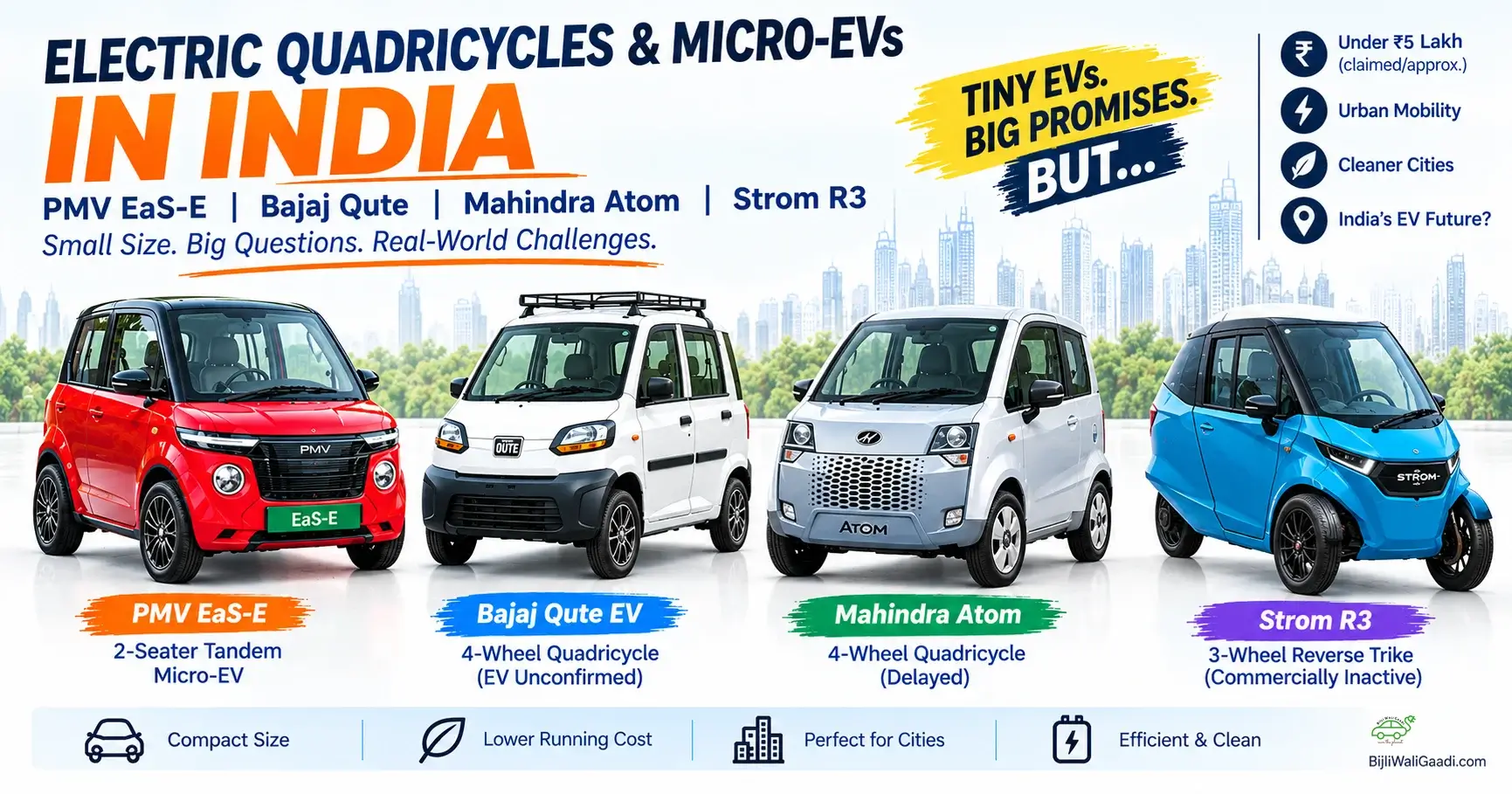
Can tiny sub-₹5 lakh micro-EVs and quadricycles help solve urban mobility problems in Mumbai, Delhi NCR & Bengaluru?
PMV EaS-E, Bajaj Qute EV, Mahindra Atom, and Strom R3 represent four different approaches to ultra-compact urban mobility in India, not four competing products sitting on dealer floors today. Several have struggled to move from promising announcements to sustained commercial availability, and that gap is the real story here.
India’s micro-EV experiment has produced an unusual pattern. The engineering ideas are often convincing: tiny, efficient and tailored to congested cities, but turning a clever prototype into a dependable commercial product has proved much harder.
Quick Summary Box
| Vehicle | Type | Status | Reported/Claimed Range | Top Speed | Key Point |
| PMV EaS-E | 4-wheel quadricycle | 2022 launch; currently listed/accepting pre-orders; mass-market rollout unclear | 120/160/200 km claimed at launch | 70 km/h | 2-seat tandem micro-EV |
| Bajaj Qute EV | 4-wheel quadricycle project | Electric version unconfirmed for retail | Not confirmed | Not confirmed | Current Qute is ICE; EV discussed, not launched |
| Mahindra Atom EV | 4-wheel quadricycle project | Long-delayed project; not on sale | ~100 km reported/claimed | 70 km/h | 7.4/11.1 kWh planned variants; fleet focus |
| Strom R3 | 3-wheel reverse trike | Commercially inactive | 200 km claimed historically | 80 km/h claimed historically | 2-seat reverse trike; not a quadricycle |
What Is an Electric Quadricycle in India Under MoRTH Rules?
Electric quadricycles in India are 4-wheeled urban vehicles lighter and slower than standard cars, regulated under specific MoRTH rules for personal and last-mile transport. The framework covers mass, power (capped near 15 kW), seating, and speed (generally around 70 km/h), with battery mass treated separately from kerb weight for EVs.
PMV EaS-E: A Real Launch, an Uncertain Follow-Through
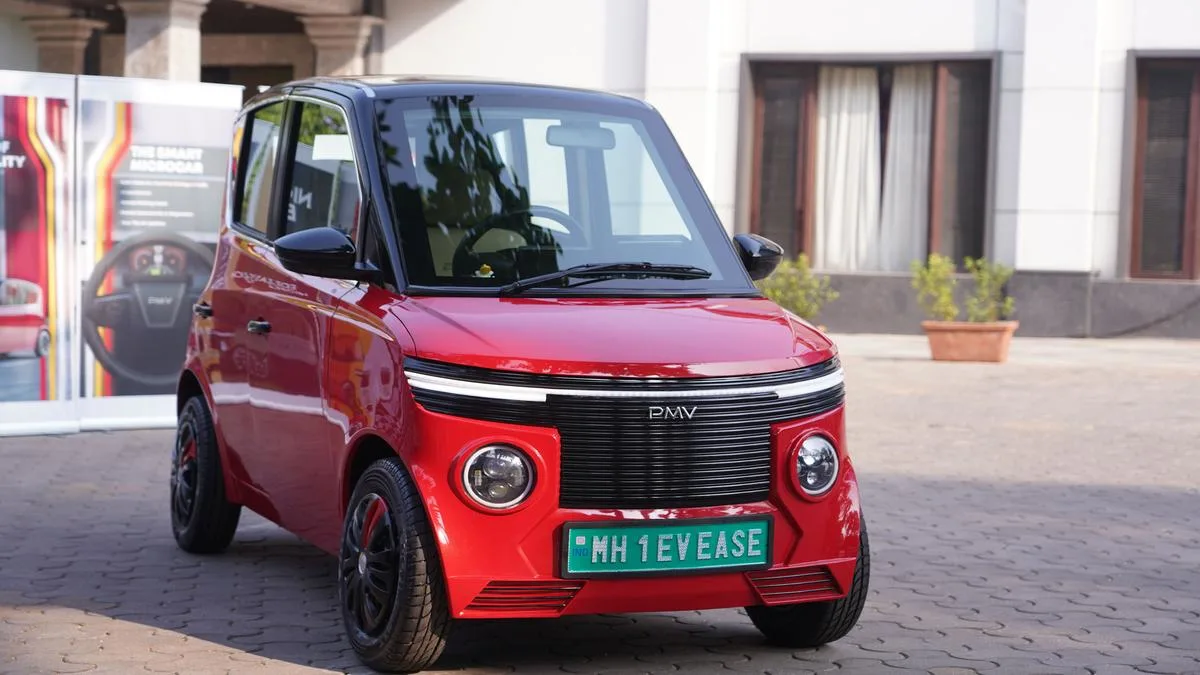
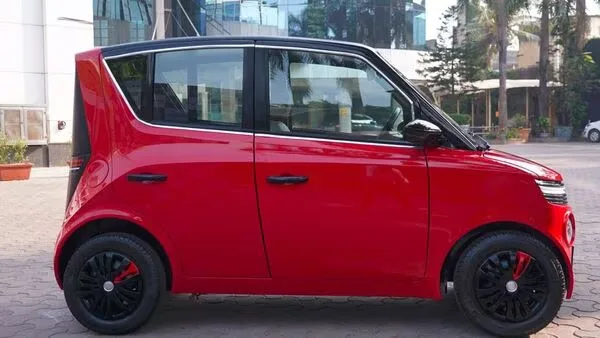
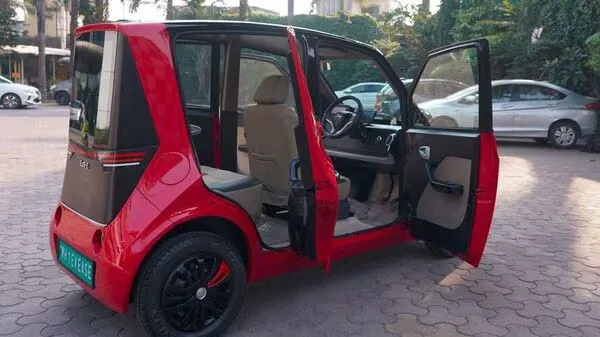
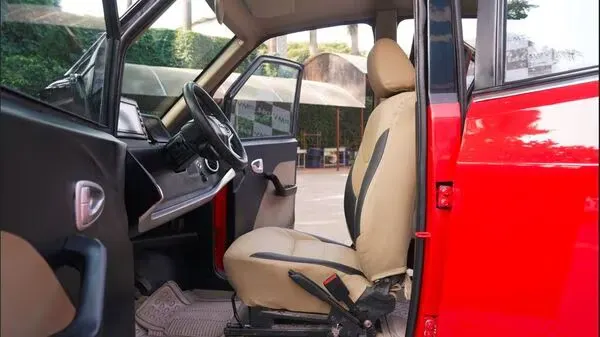
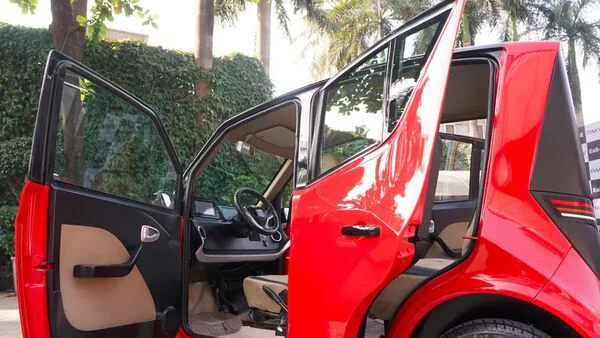
PMV Electric’s EaS-E is a tandem two-seat micro-EV with a 70 km/h top speed, positioned as a personal commuter vehicle rather than a fleet product.
What happened after the launch? PMV announced the EaS-E in November 2022 at an introductory ₹4.79 lakh price and claimed more than 6,000 pre-orders/bookings, with deliveries targeted from mid-2023. PMV’s current website still lists the EaS-E and accepts pre-orders, but hasn’t demonstrated the large-scale, clearly visible retail rollout achieved by mainstream mass-produced EVs. Readers should distinguish between an officially listed/pre-orderable product and an established high-volume retail model.
Historical launch figures reported three range variants (120/160/200 km claimed), a roughly 13 hp motor with 50 Nm torque, and charging in under four hours from a 220V/15A outlet. PMV’s current website highlights the 160-km version, so those figures should be read as historical launch-period claims, not today’s confirmed lineup. It also lists a 70 km/h top speed and an LFP battery. PMV’s current technical information lists a kerb weight near 575 kg. That figure should not be compared mechanically with the 475 kg regulatory figure without accounting for the specific Indian quadricycle definition and the treatment of traction-battery mass for electric vehicles.
Bajaj Qute EV: Discussed, Not Launched
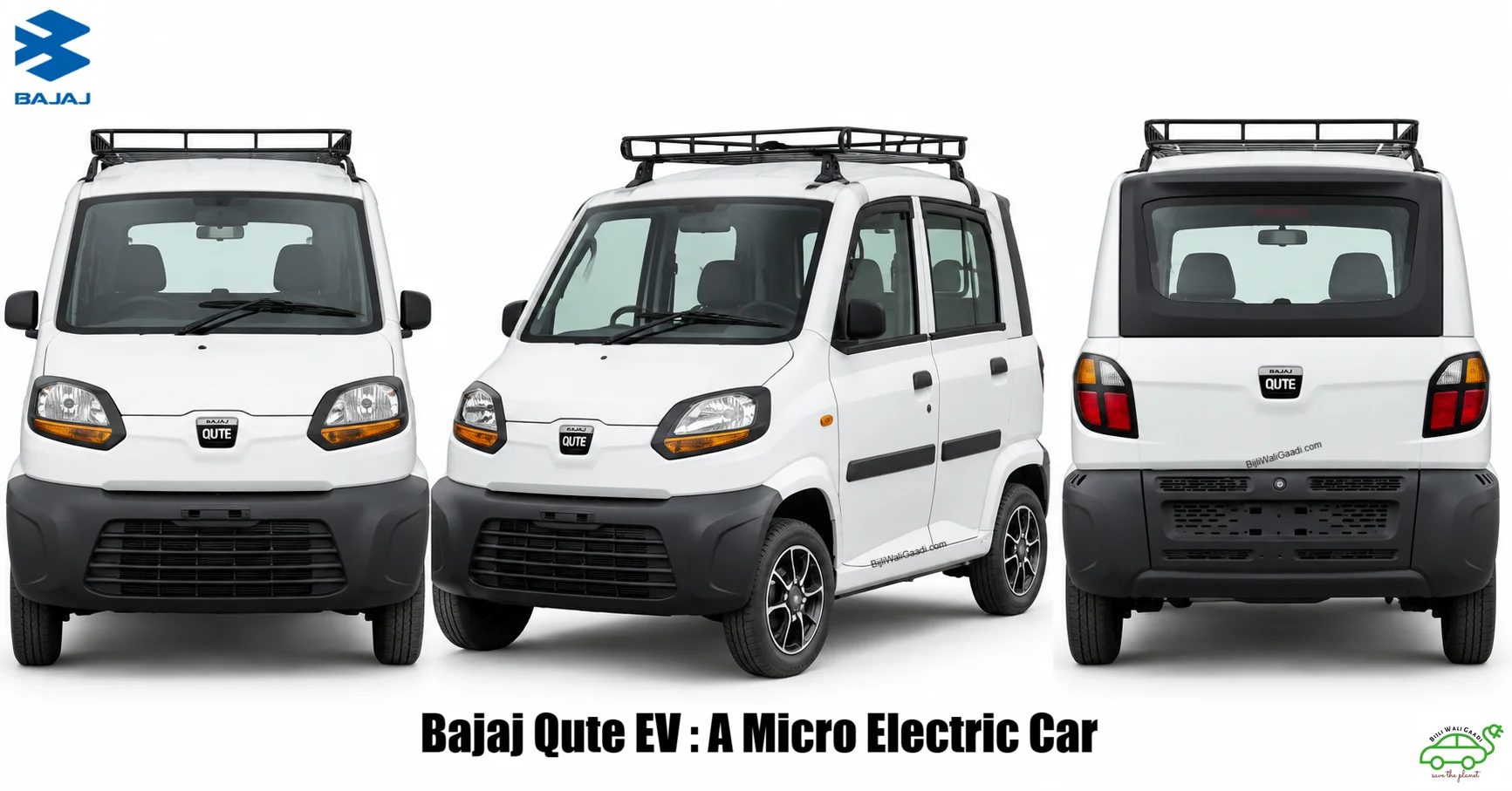
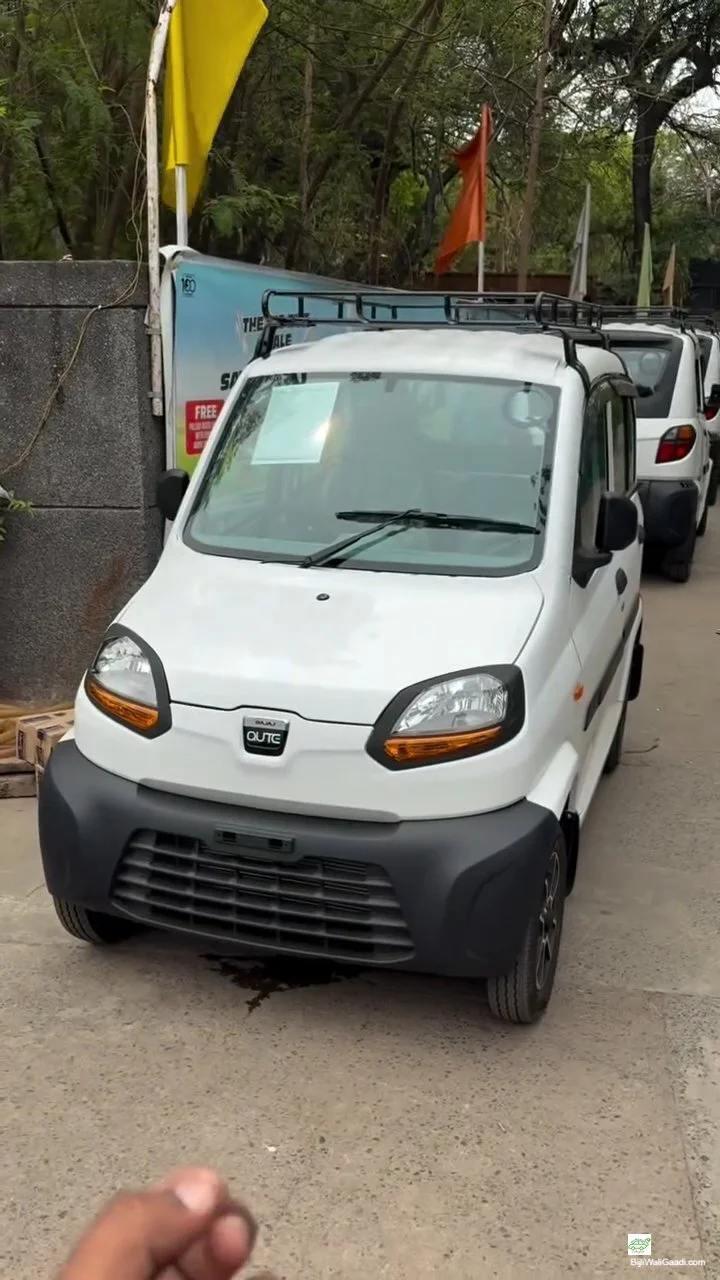
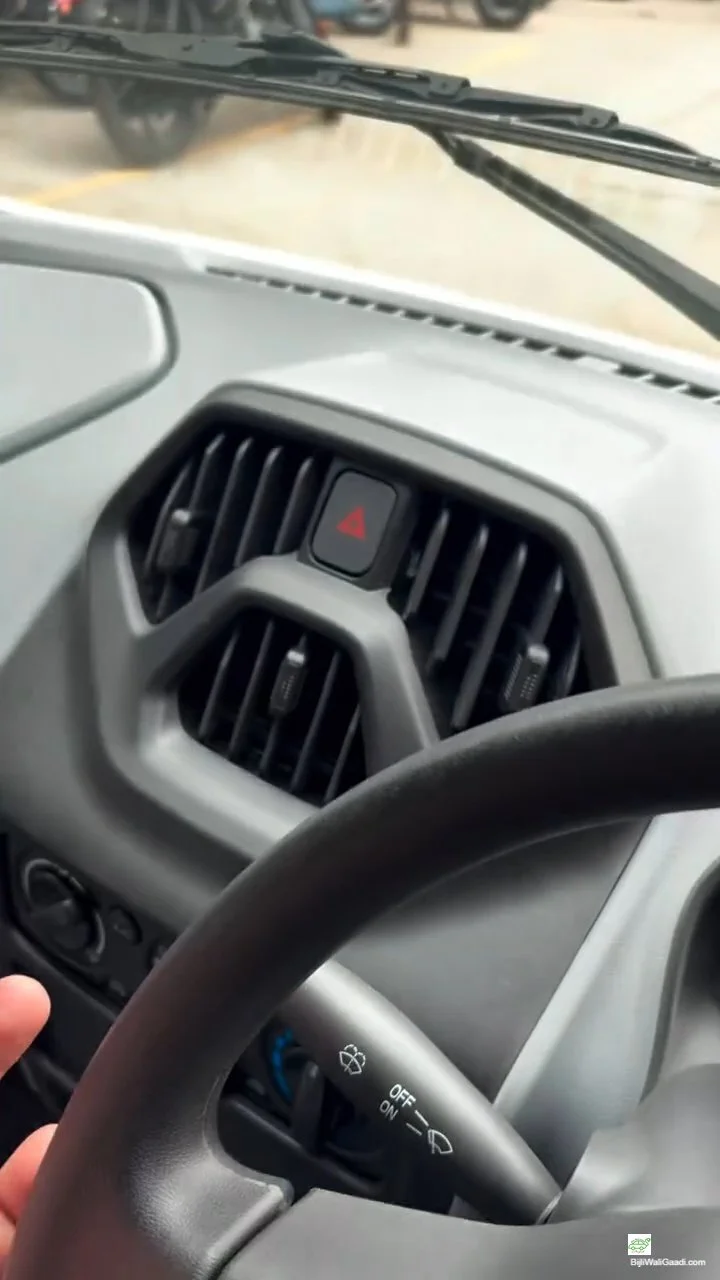
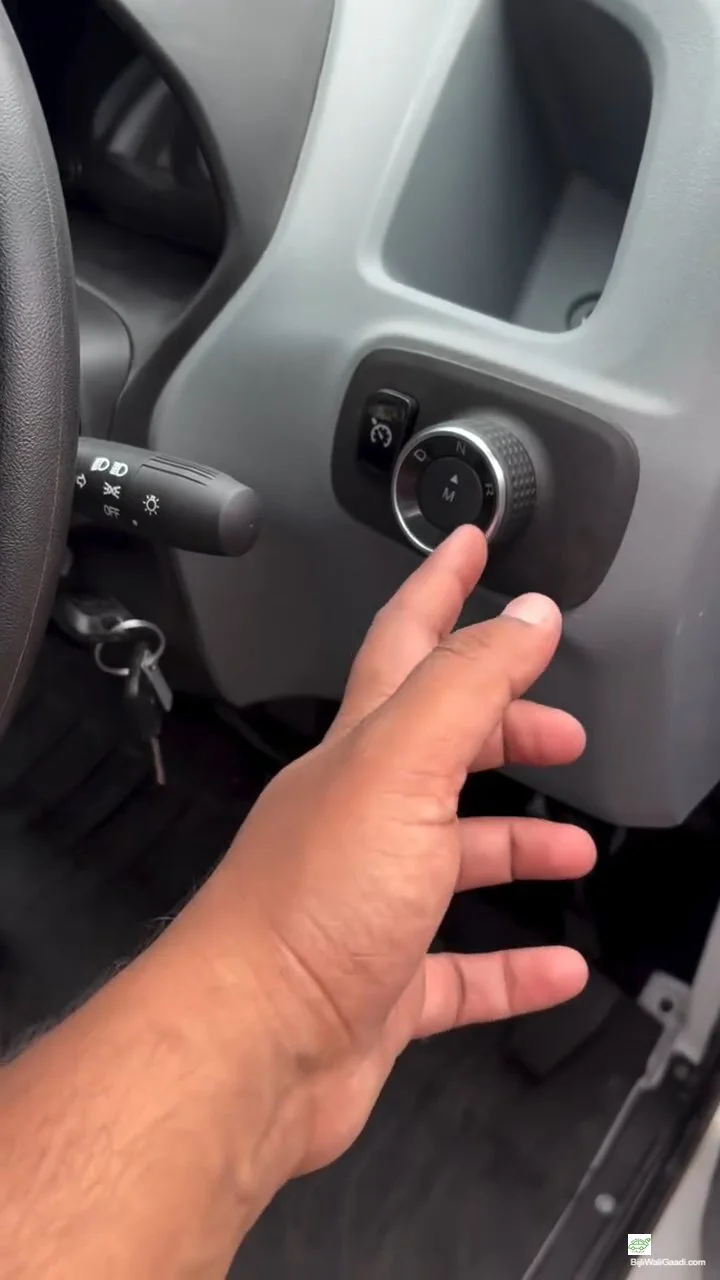
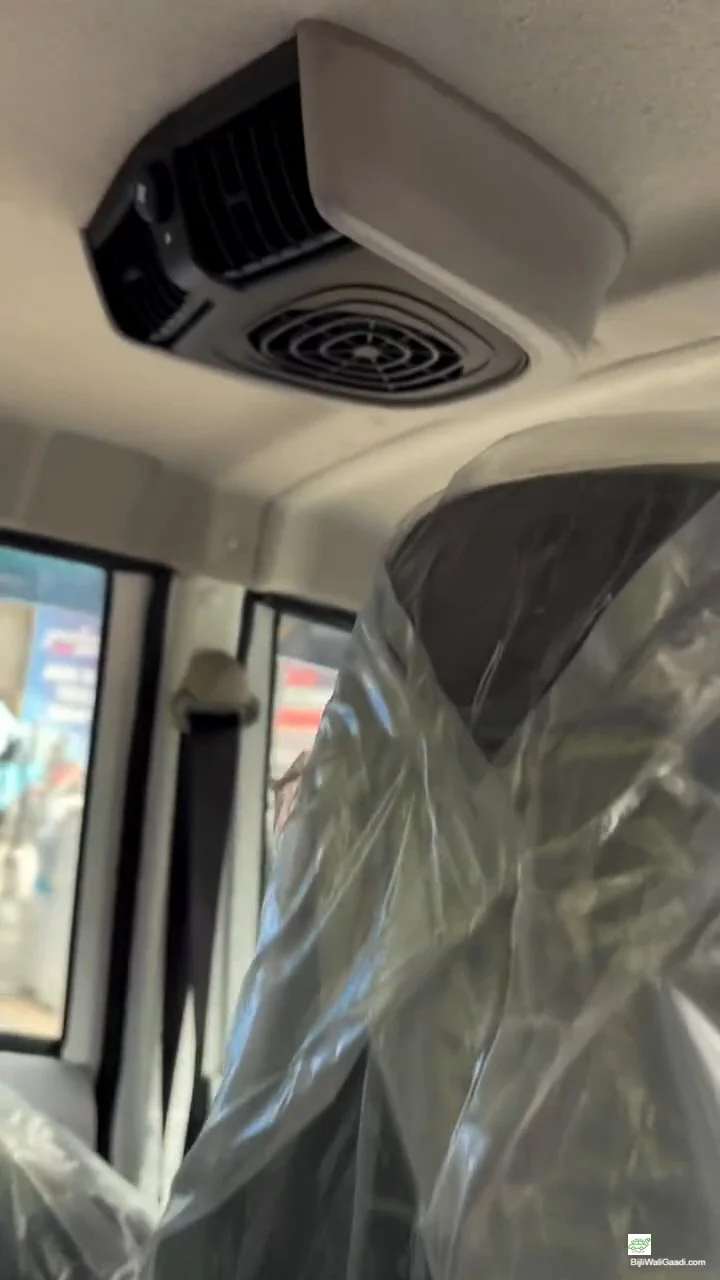
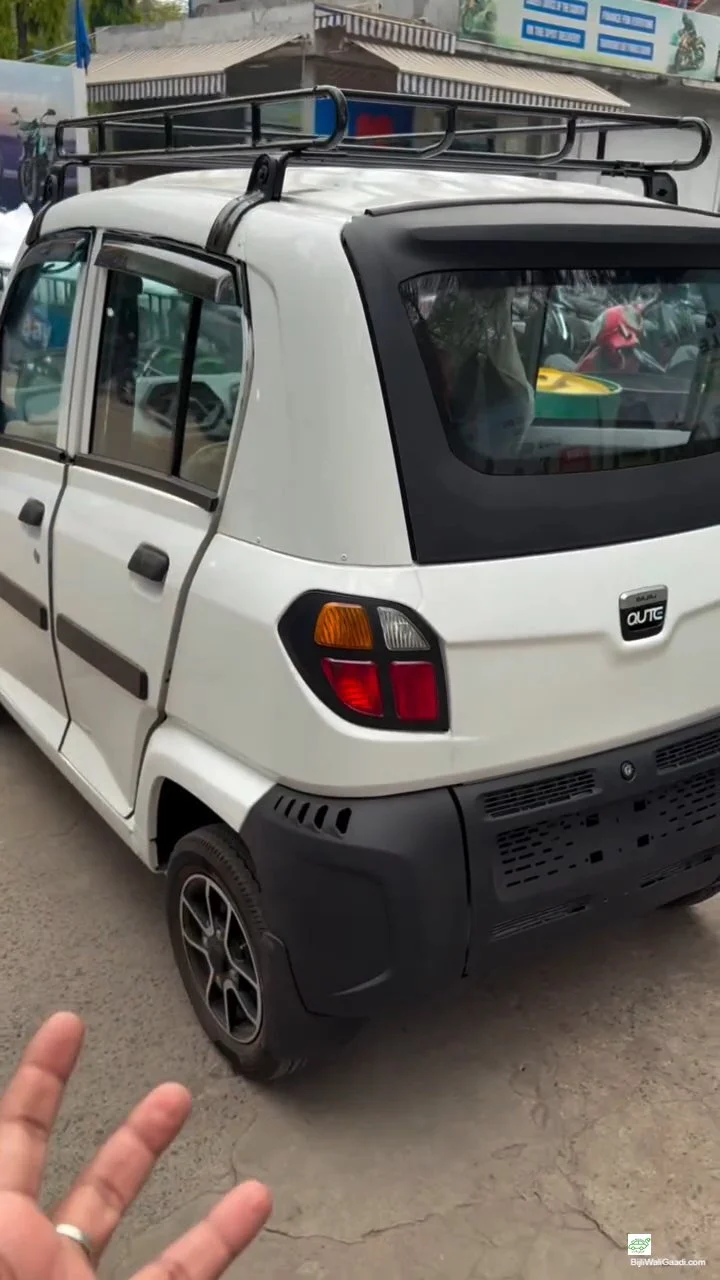
Bajaj’s Qute is an established four-seater quadricycle platform for compact urban and commercial mobility, running for years in ICE form (petrol, CNG, LPG, diesel) in select fleet markets. Bajaj Auto said in 2024 it was investing in the Qute platform and would work on an electric version. The current official lineup remains ICE-powered, so the electric Qute should still be treated as a development proposition, not a launched retail EV. Figures like ₹3.50 lakh, 8.9 kWh, or 120 km range are development-stage estimates, not confirmed specs.
Mahindra Atom: A Production-Ready-Looking Quadricycle That Never Reached Market
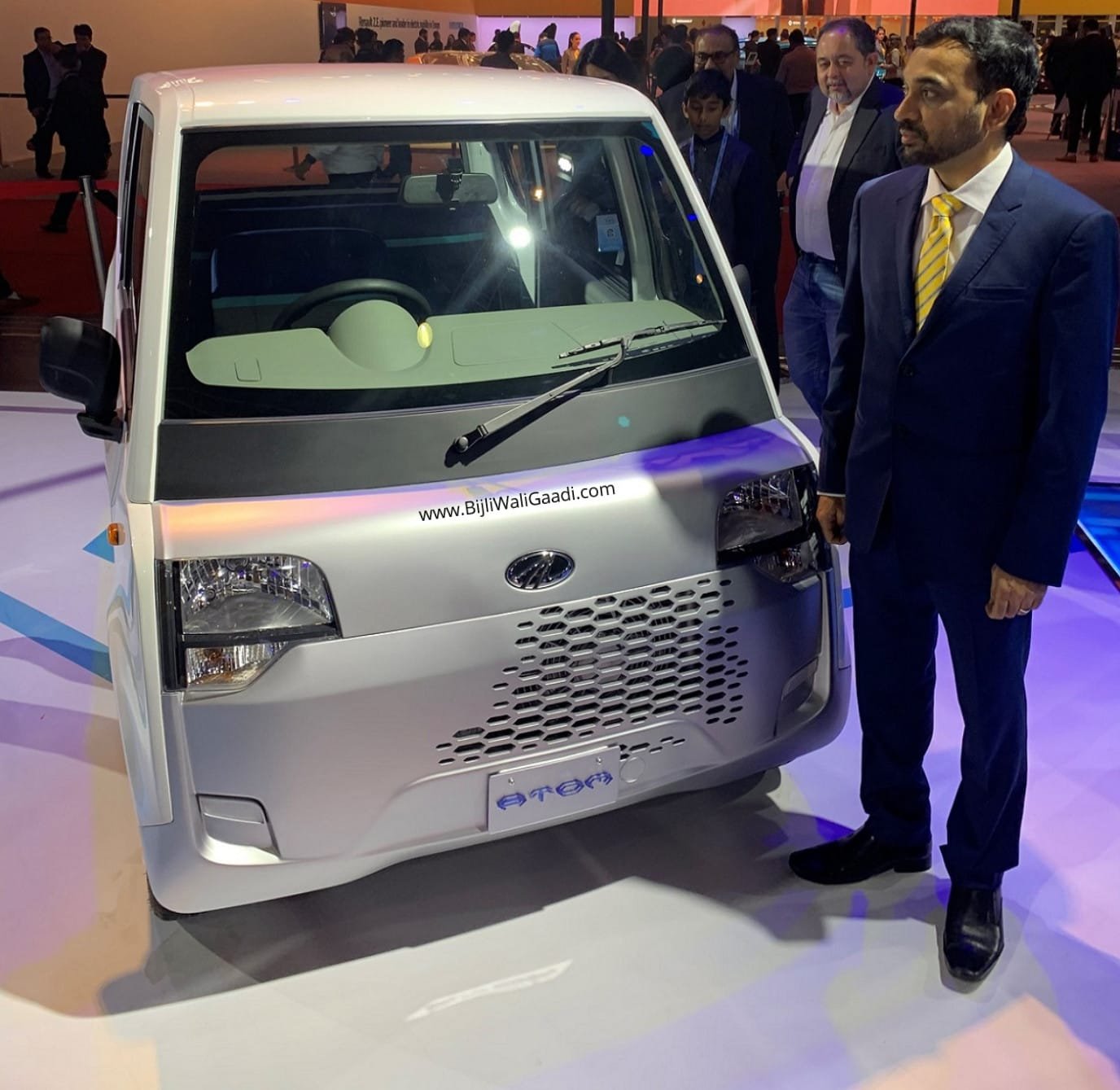
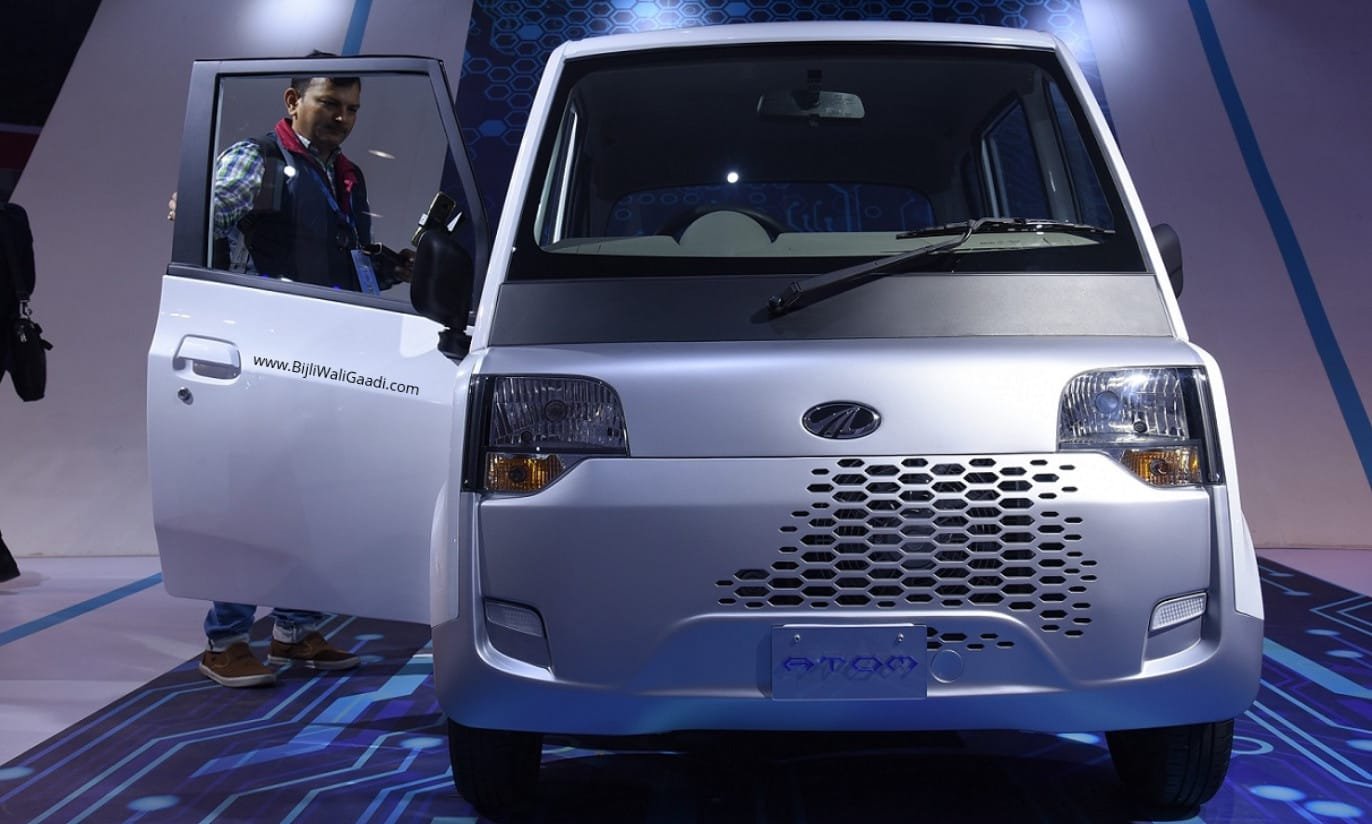
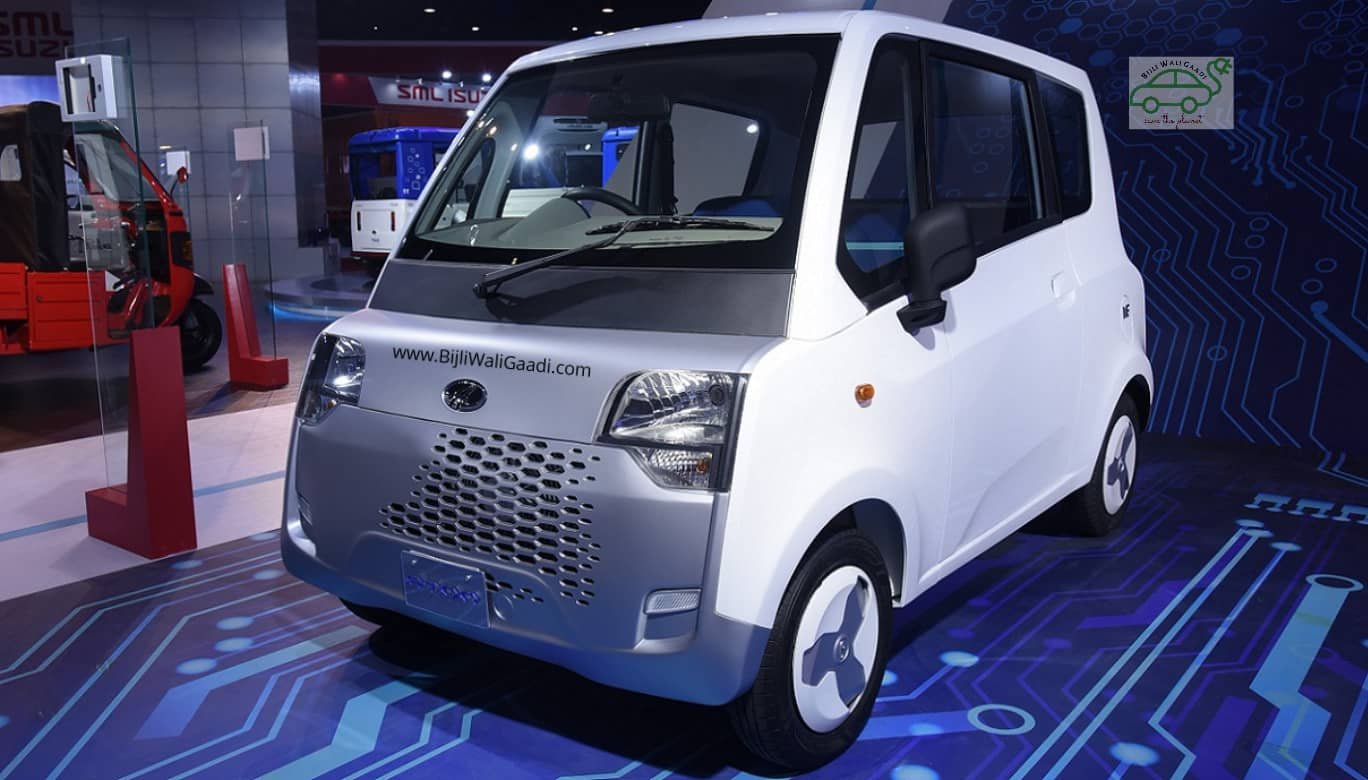
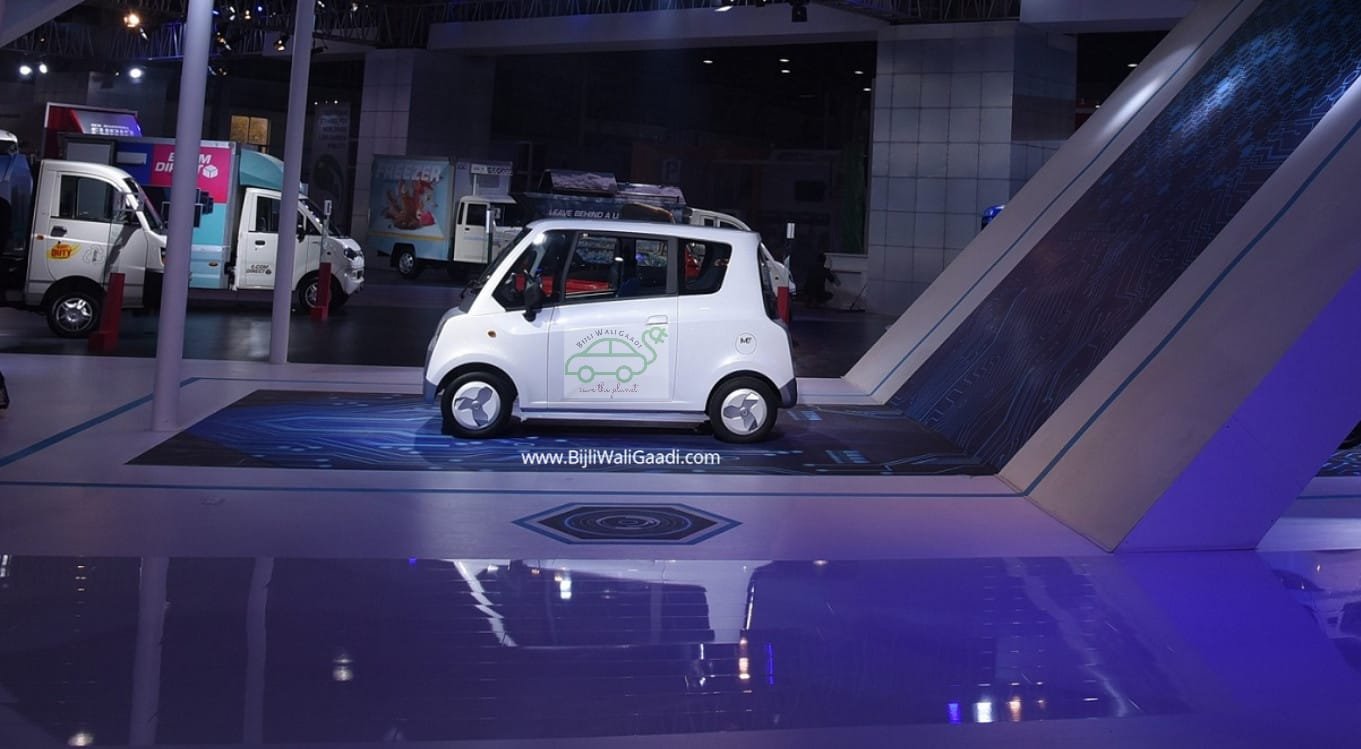
The Atom first appeared as a concept in 2018 and showed up in near-production form at Auto Expo 2020, aimed at last-mile and shared urban mobility fleets. Reported/planned specifications describe a 4-seat layout, 2,728 mm length, a 7.4 kWh battery on base K1/K2 variants and 11.1 kWh on higher K3/K4, an 11 PS motor, 70 km/h top speed, rear-wheel drive, K1/K3 without AC and K2/K4 with it, plus 4G connectivity on higher trims.
The Atom’s most frustrating detail is that its reported specification sheet looks remarkably production-ready, yet the vehicle never progressed into a normal retail launch. Whatever the reason for the prolonged delay, Mahindra has not established the Atom as a mainstream retail EV.
Strom R3: A Startup Three-Wheeler Gone Quiet
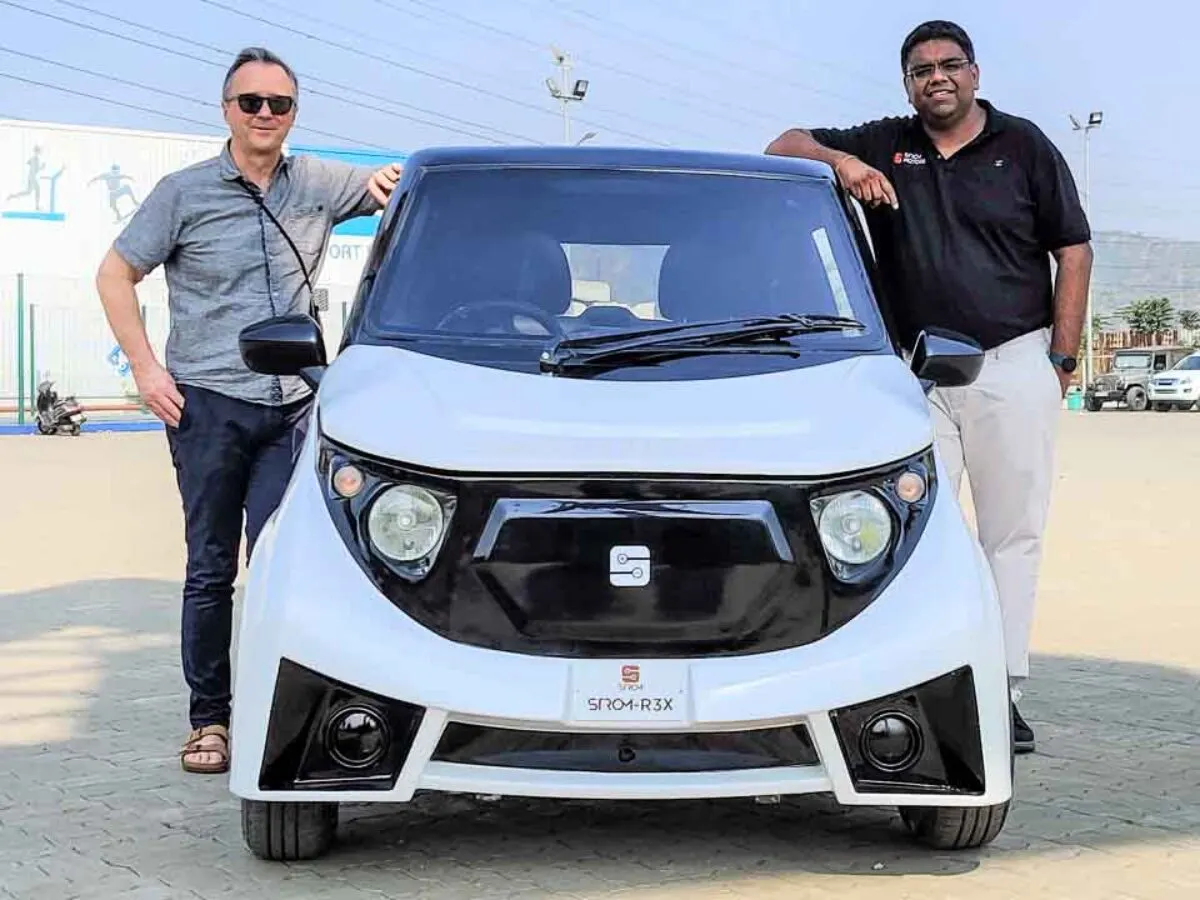
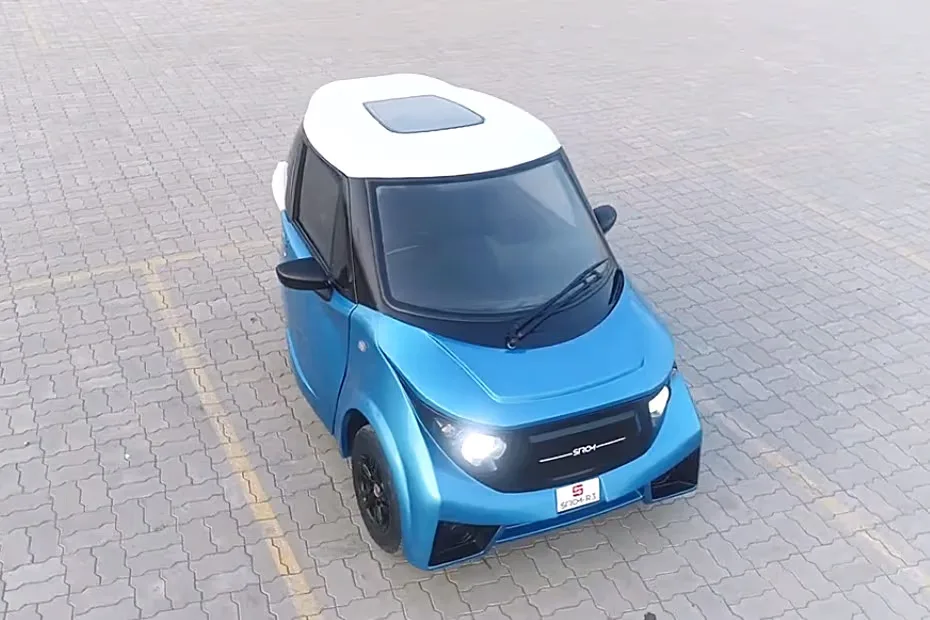
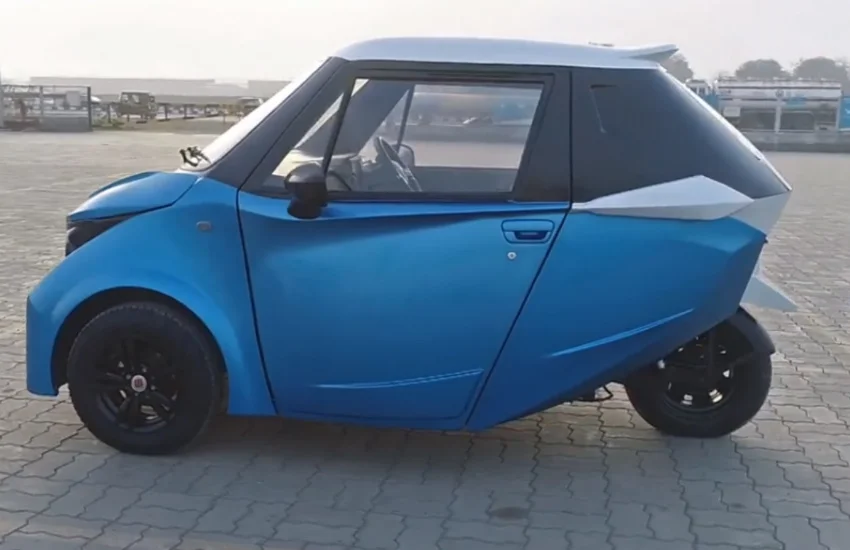
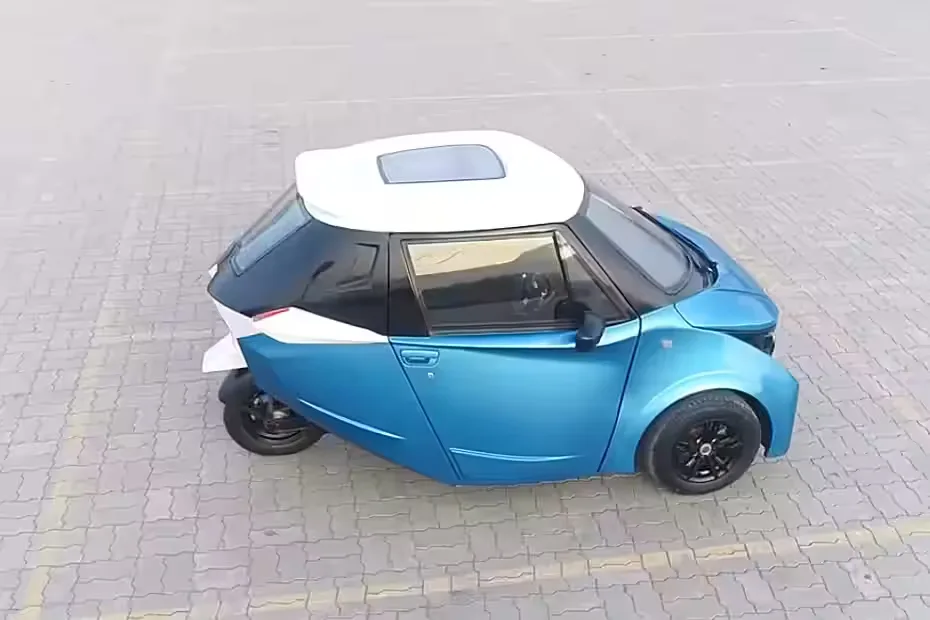
The R3 is a reverse-trike, two wheels front, one rear, not a four-wheeled quadricycle, seating two. Strom’s vehicle business is effectively dormant in the Indian market, with the R3 no longer appearing as an actively marketed, mass-delivered product. The company opened bookings after announcing production and delivery plans, but those didn’t translate into sustained volume deliveries; its former consumer-facing web presence is no longer readily accessible. Industry reports and the lack of a sustained rollout point to broader funding and manufacturing difficulties, though these shouldn’t be presented as a formally confirmed shutdown explanation.
The R3 is a clear example of how hard it’s been for an Indian micro-EV startup to move from pre-bookings to scalable production. Historical launch-period claims included a 15 kW motor, 80 km/h top speed, around 200 km range, roughly ₹4.5 lakh expected pricing, and a 3-hour charging claim, none of which are today’s confirmed specs.
Ownership Reality: Availability Matters More Than Specs
The attraction of these vehicles is primarily their small footprint, low-energy urban use, simple parking, and potentially lower running costs. But purchase availability, service support, warranty backing, spare parts, and resale value can matter more than theoretical energy savings when the manufacturer is a small or currently inactive EV startup. Established products like the MG Comet EV demonstrate the advantage of a functioning production, service, and dealer ecosystem, something the delayed or commercially inactive projects clearly lack, while PMV’s current pre-order status still falls short of that established footprint. For a European contrast in how license-free microcars have scaled commercially, see our Citroën Ami guide.
Final Verdict
The most revealing part of this comparison isn’t which vehicle has the biggest battery. It’s which projects crossed the line from engineering concept to dependable customer delivery.
PMV EaS-E is technically interesting and did launch with real booking interest, but its current pre-order/listing status shouldn’t be confused with proven mass-market delivery. Bajaj’s electric Qute remains a development proposition rather than an established retail EV. Mahindra Atom is a technically well-defined planned quadricycle, still long-delayed and not on sale. Strom R3 is a historically interesting reverse-trike that’s now commercially inactive.
Frequently Asked Questions
Stay connected via Google 'Electric Vehicle' News
Follow BijliWaliGaadi | India's Trusted EV Insights Portal
source on Google